
Quick Take
- Some of the most destructive invasive species in North America share one common trait: persistence.
- Managing feral swine is now a $1.6 billion requirement to protect U.S. agricultural interests, and this is just one invasive species causing damage in North America.
- The sea lamprey could collapse Great Lakes fisheries within months if current control efforts are paused.
- More than 15 million pounds of invasive carp were harvested from Kentucky and Barkley lakes in 2024, yet the species still remains in these waterways.
What makes an animal invasive, and which species are causing the most destruction across North America? A species is considered invasive when it is non-native to an ecosystem and its introduction causes, or is likely to cause, economic or environmental harm or harm to human health. This is especially true when communities are trapped by them, ultimately paying for the animal’s long-term control.
These 10 animals rank high on any destructive invasive species list because they reliably do damage in multiple ways: ecological disruption and economic loss are the main factors, with their continued spread into new landscapes causing the rest. So, what are some of the most destructive invasive species in North America, and are any of them in your home state?
We’ve found the top 10 animal culprits, providing you with what the species harms most, why it keeps spreading, a list of the states these animals have taken over, and wildlife agency insight into these invasive species. Let’s take a closer look now.
1) Feral Swine/Wild Pigs
- Most affected states: Texas, Florida, Georgia, Alabama, Mississippi, South Carolina, North Carolina, Tennessee, Arkansas, Oklahoma, California, Hawaii
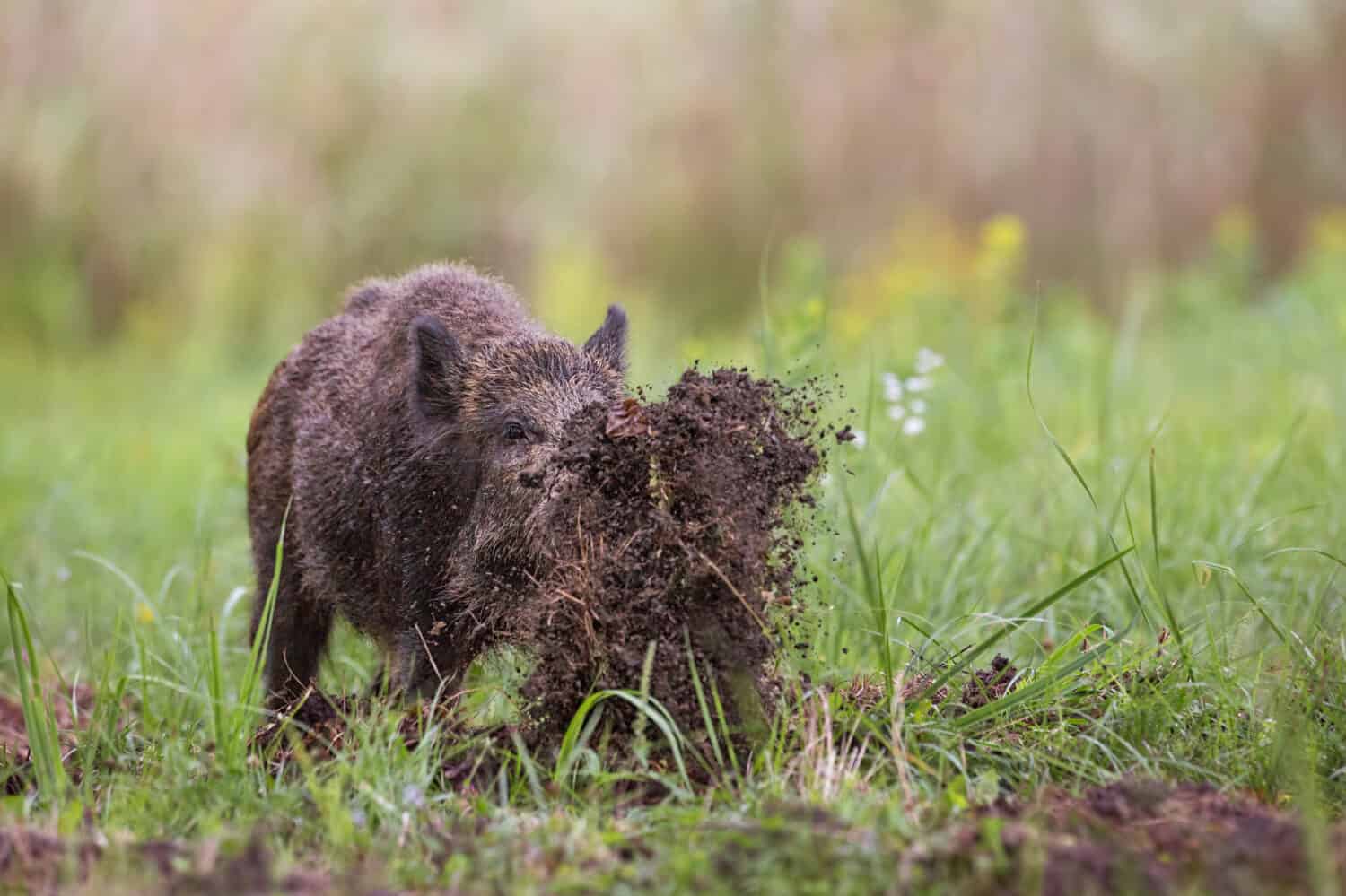
Wild pigs are primarily destructive because they excavate, and excavate seriously. The rooting they are capable of turns native plant communities into bare soil, collapses ground nests, muddies vital waterways, and makes it easy for invasive weeds to spread. When feral hogs move through agricultural land, the damage becomes immediate and expensive, affecting businesses and homes alike.
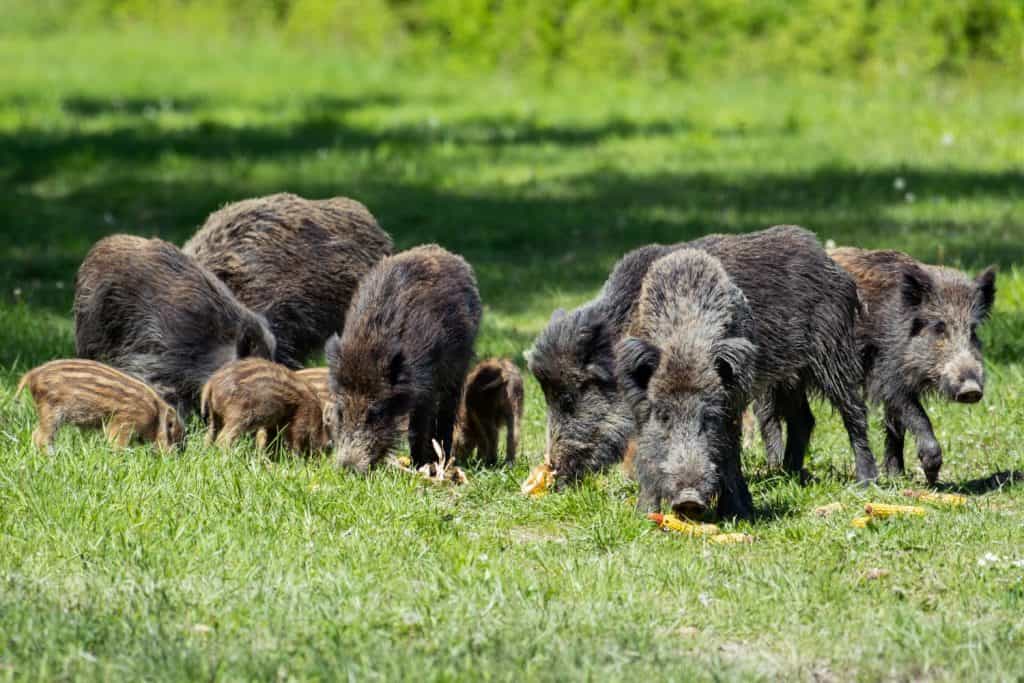
The wild pig problem continues to spread across North America.
©ZoranOrcik/Shutterstock.com
The financial impact of feral swine is especially significant for this reason. A national assessment commonly cited by agriculture groups lists the annual U.S. agricultural losses from feral swine at over $1.6 billion, and that number doesn’t even attempt to tally every ecosystem cost, such as erosion and water-quality impacts tied to rooting and wallows.
What makes wild pigs especially hard to manage is how quickly they bounce back. USDA Wildlife Services has long described feral swine as a fast-growing population that can expand range rapidly without sustained pressure, and the states currently dealing with them understand this intense expansion better than most.
2) Zebra and Quagga Mussels
- Most affected states: Michigan, Wisconsin, Ohio, Indiana, Illinois, Minnesota, Pennsylvania, New York, Nevada, Arizona, California, Colorado, Utah
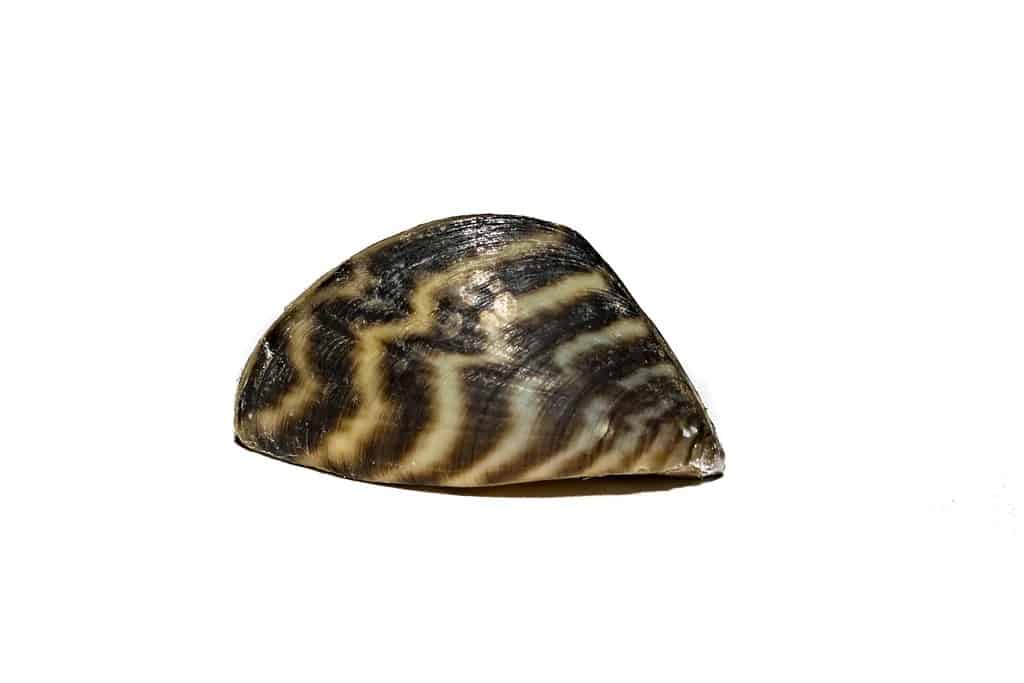
If you want a small animal that winds up making big bills for states, invasive mussels are it. These deceptive shellfish cover infrastructure of all types, turning boat and coastal building maintenance into a constant chore. Plus, they strip plankton from waterways, shifting the food baselines that native fish depend on. They also ultimately change how people can use water systems, according to experts.
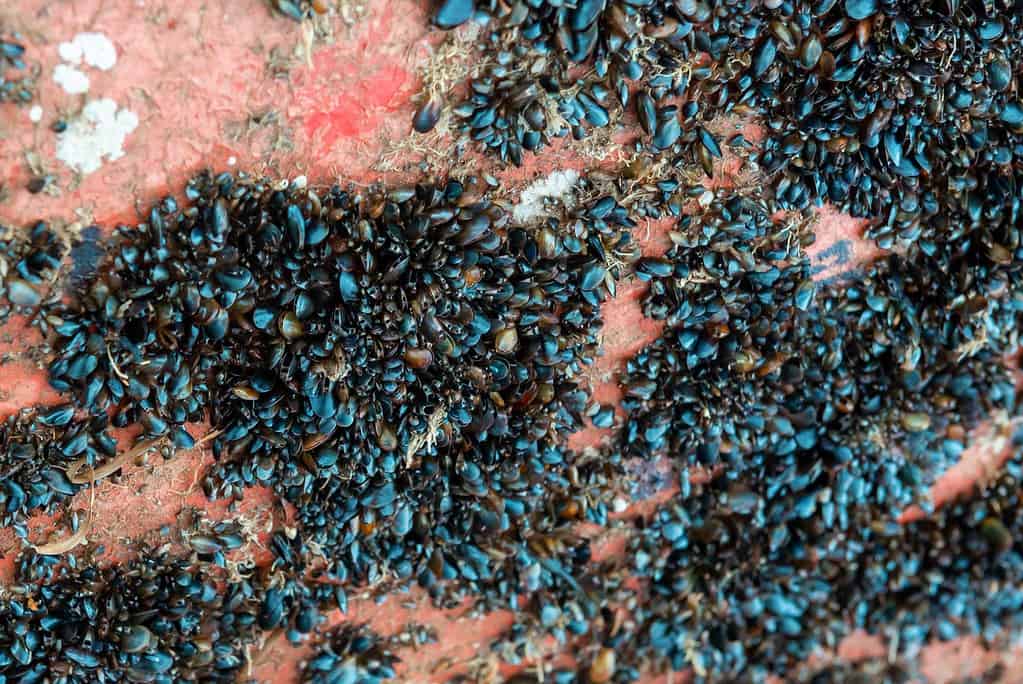
The spread of zebra mussels can be difficult to control if boaters are not responsible.
©Dolores M. Harvey/Shutterstock.com
Oregon’s invasive-species coordinator, Rick Boatner, has described the trouble with mussels in a radio interview with Oregon Public Broadcasting, warning that once quagga mussels arrive, they “will forever change how we use water” in Oregon. He tied his warning directly to water delivery and management realities, alongside ecological ramifications. That’s why it’s paramount to ensure boaters don’t have any hitchhikers when moving their vessels from different waterways; you never know when a mussel might be onboard.
3) Bighead and Silver Carp
- Most affected states: Illinois, Kentucky, Tennessee, Missouri, Mississippi, Arkansas, Louisiana, Indiana, Ohio (and the wider Mississippi River Basin, with potential Great Lakes risk)
Bighead and silver carp compete with native fish by consuming plankton, and once they reach high numbers, they can completely change what a river system can support. They also spread through connected waterways with ease, which is why agencies treat them as both a fisheries issue and a containment challenge in affected waterways.
Kentucky’s wildlife agency has been transparent about how aggressive the removal of these carps has to be. In fact, the state recently increased payments to commercial fishers to keep carp harvest pressure high, and the agency’s Aquatic Invasive Species Program coordinator, Joshua Tompkins, explained the strategy: “We have several lines of evidence suggesting our management strategy is reducing invasive carp populations in both lakes… To keep that trend going, we’re adapting our efforts to maintain harvest at effective levels.”
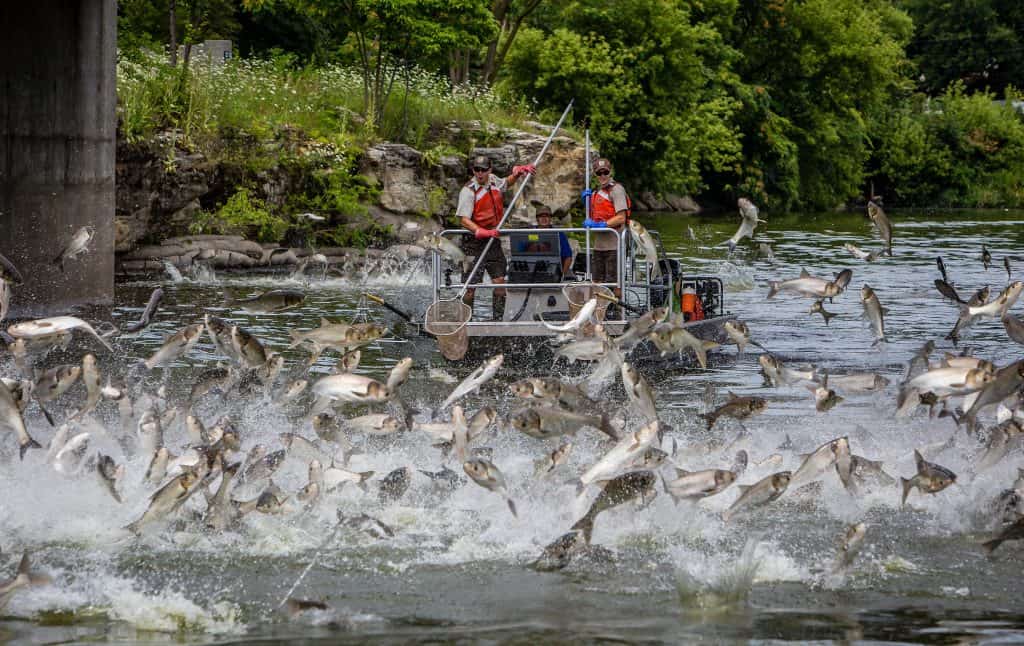
The number of invasive carp threatening North America is astronomical.
©Invasive Carp Removal Program/public domain – Original / License
The scale of removal is massive: more than 15 million pounds of carp were harvested from Kentucky and Barkley lakes in 2024, and more than 74 million pounds have been harvested from these lakes since 2013. Dave Dreves, the Fisheries Division director for Kentucky Fish and Wildlife, said the incentive helps ensure the state “keep[s] suppressing invasive carp numbers,” calling it “a big win” not only for anglers and boaters but also for the region’s $940 million tourism economy. Still, ongoing management is necessary, as these fish spread far too easily to ignore.
4) Emerald Ash Borer
- Most affected states: Michigan, Ohio, Indiana, Illinois, Wisconsin, Minnesota, New York, Pennsylvania, Connecticut, Massachusetts, New Jersey, Maryland, and a growing western footprint, including Oregon
The well-known killer of ash trees, emerald ash borers spread quickly once they’re established. When dead or dying trees accumulate, they become hazards near roads, homes, and power lines. This leads to increased removal and replacement costs, while forests simultaneously lose their canopies and vital habitat structures for multiple species.
State agencies understand the scale of this threat, including Minnesota’s Department of Natural Resources, noting that the emerald ash borer has killed millions of ash trees across the U.S. and Canada. In fact, it’s so bad that Minnesota’s dwindling ash resources put the state at long-term risk, with a multi-year arc of vital tree loss.
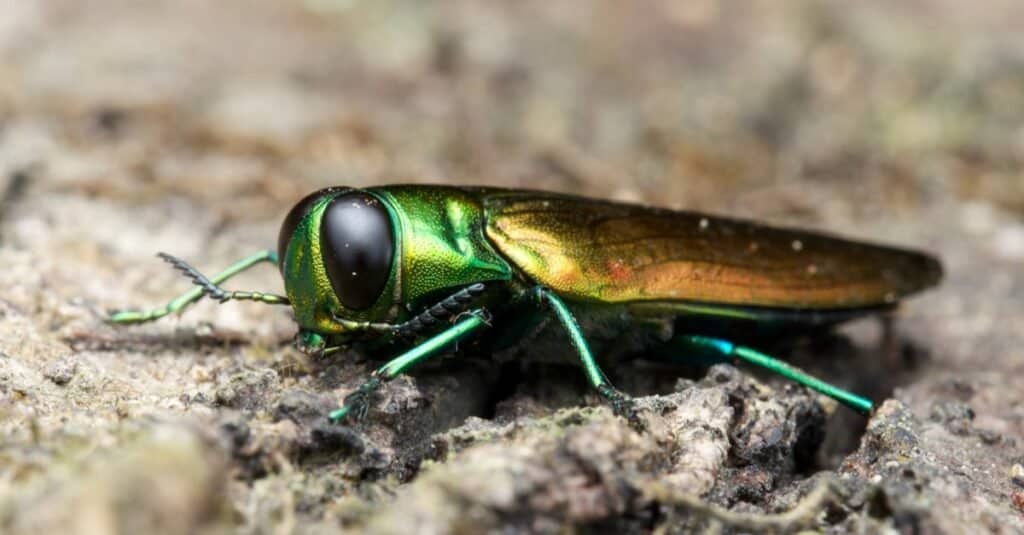
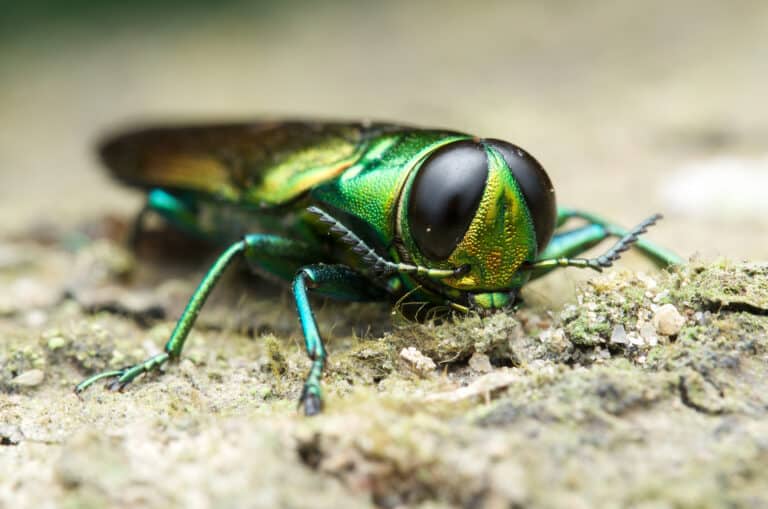
Emerald ash borers are named for the brilliant emerald color of their wings and shells, but these beetles are highly destructive to ash trees. They destroy the water- and nutrient-conducting tissues under the ash tree’s bark.
©Herman Wong HM/Shutterstock.com
In Oregon, on the other side of the country, the beetle’s spread has drawn significant public attention. Wyatt Williams of the Oregon Department of Forestry described ash trees within the state as “basically sitting ducks”, which is likely how other Western states will be affected, too. By the time this pest is widely noticed, the system is already behind and may not catch up in time to save the trees.
5) Burmese Python
- Most affected states: Florida (especially South Florida and the Everglades region)
While Burmese pythons are not widespread across many states, they are extremely destructive where present. They are broad predators in a place full of vulnerable prey, taking anything from mammals to birds to reptiles indiscriminately. Once a breeding population is established, removing it becomes a long-term suppression effort rather than a simple solution.
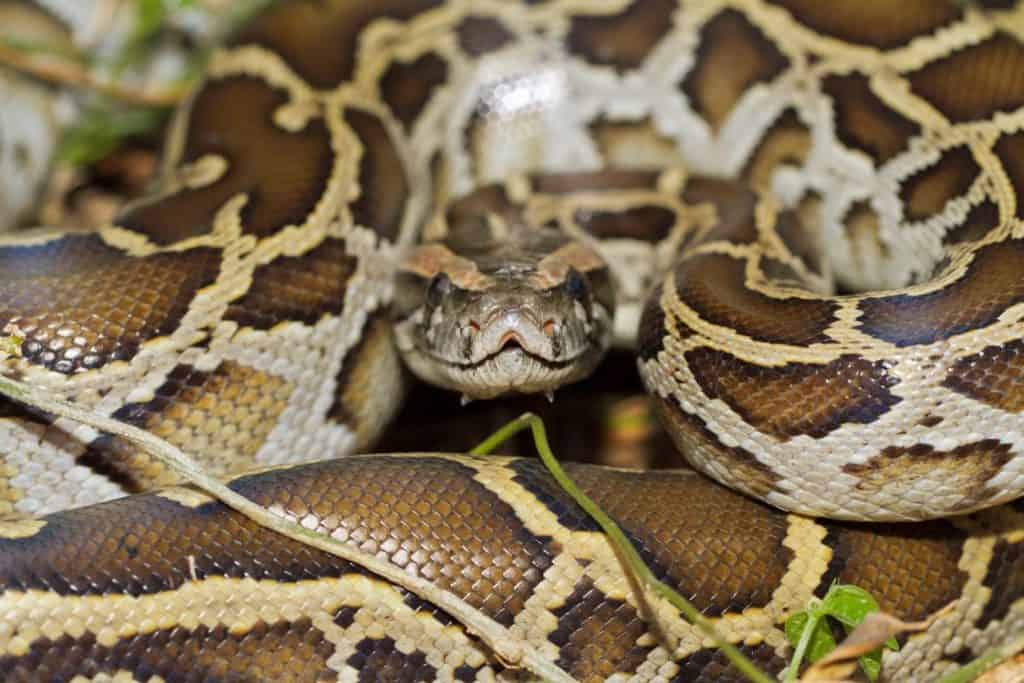
While only in Florida, Burmese pythons are incredibly damaging to ecosystems.
©dwi putra stock/Shutterstock.com
Florida’s own wildlife agency considers Burmese pythons as extremely invasive in Florida due to their impacts on native wildlife. In fact, the state has it set as legal for them to be removed year-round on many managed lands, with continual removal encouraged as opposed to seasonal, recreational hunting of these snakes.
6) Nutria
- Most affected states: Louisiana, Maryland, Virginia, North Carolina
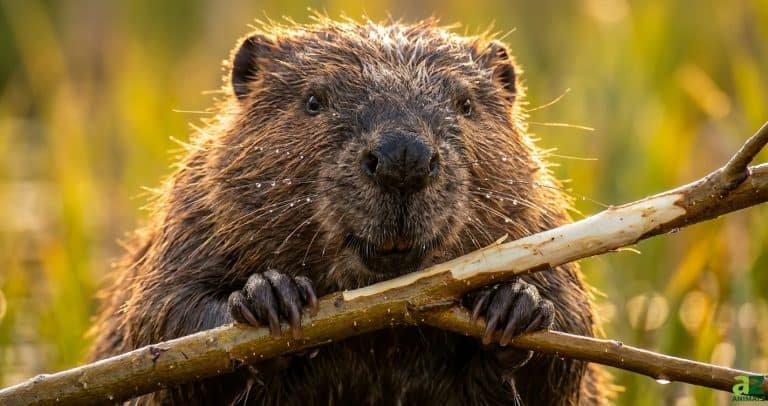
Similar to feral hogs, nutria damage wetlands by eating the plants that hold marsh soils together. When they graze vegetation down to roots, the marsh loses structure and erosion accelerates beyond repair, with open water the only future for some of these affected areas. Wildlife habitat is lost and the marsh’s ability to buffer storms is reduced; this creates an expensive restoration problem caused by a single animal’s feeding behavior.
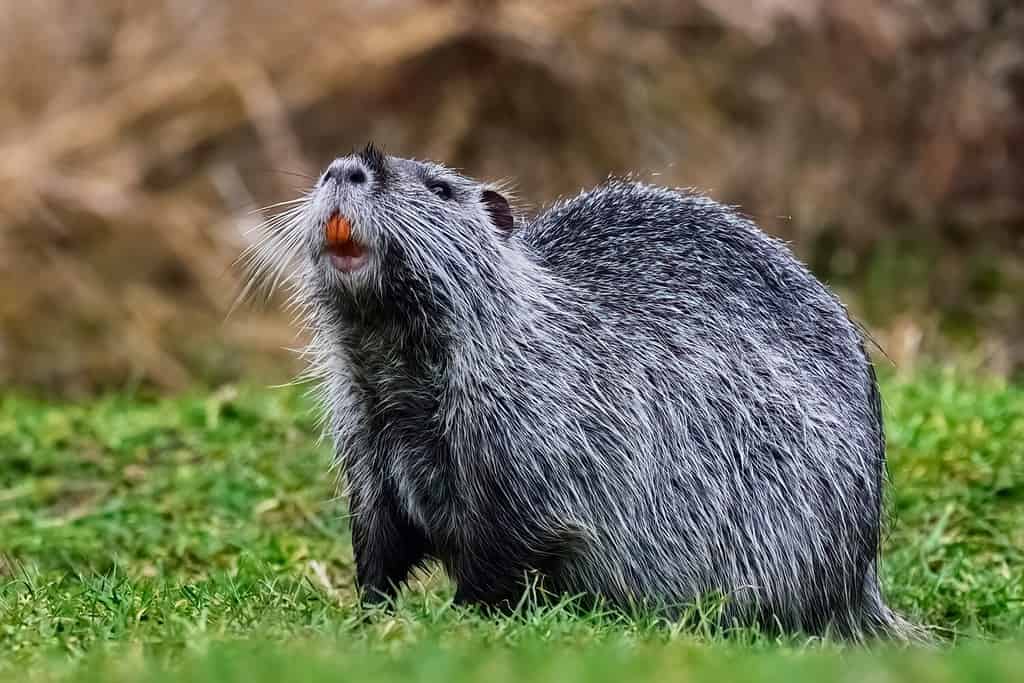
Nutria damage crops and soil, similar to feral hogs.
©Robert Adami/Shutterstock.com
Louisiana’s wildlife agency is direct about the damage, as nutria were introduced to the state through the fur trade, then became established in coastal marshes, where they’ve caused extensive wetland damage. In a call for participation in the Coastwide Nutria Control Program, LDWF biologist Catherine Normand said the program is “essential for keeping nutria populations at manageable levels to prevent their destruction of our valuable marshlands,” with private land enrollment protecting both property and the overall coastline.
7) Sea Lamprey
- Most affected states: Michigan, Wisconsin, Minnesota, Ohio, Pennsylvania, New York (plus Ontario in Canada)
Sea lampreys are destructive because they attack fish directly and can collapse fisheries if not consistently controlled. Unlike some other invasive animals, they do not need to outcompete native species; they simply kill the fish they attach to.
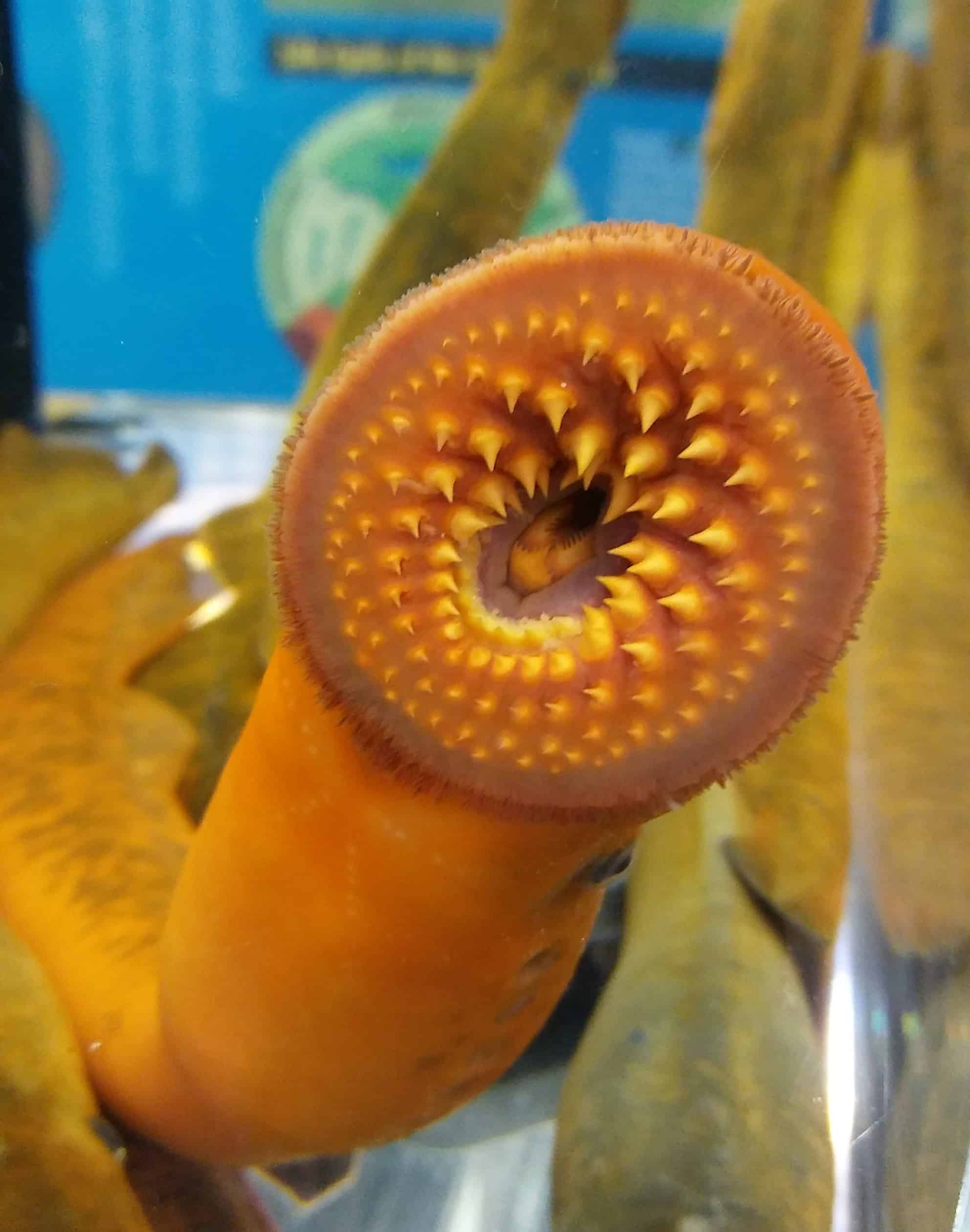
Michigan is extremely affected by sea lampreys, but other states are as well.
©Theresa Grace/Shutterstock.com
The Great Lakes Fishery Commission has a control program with long-running success rates, but the program still requires constant work. They note that sea lamprey control has reduced populations by about 90% in most areas of the Great Lakes, warning that, if control is relaxed, lamprey rebound and host fish decline within months. That’s why funding for this program remains vital, though it is questioned frequently by officials.
8) Red Imported Fire Ant
- Most affected states: Texas, Louisiana, Mississippi, Alabama, Georgia, Florida, South Carolina, North Carolina, Tennessee
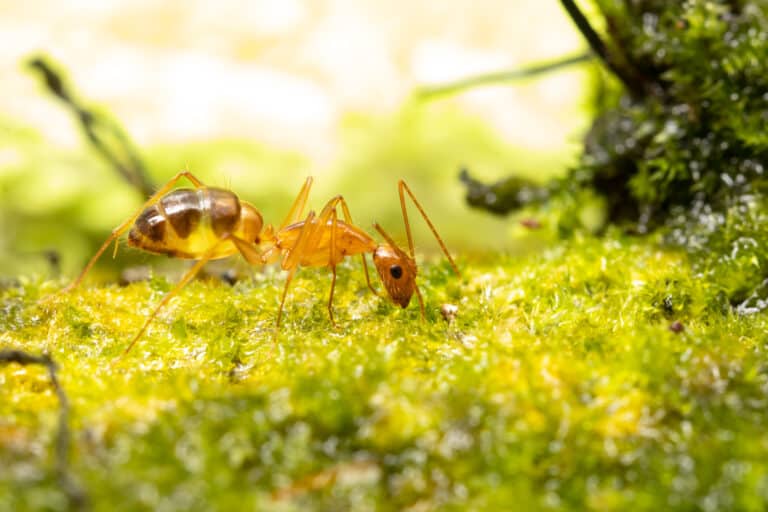
This specific type of fire ant is especially destructive because it can damage multiple targets at once: wildlife (especially ground-nesting species), livestock, people, and even infrastructure. They also thrive in disturbed, human-altered landscapes, which are increasingly common in the warm-climate states these ants prefer.
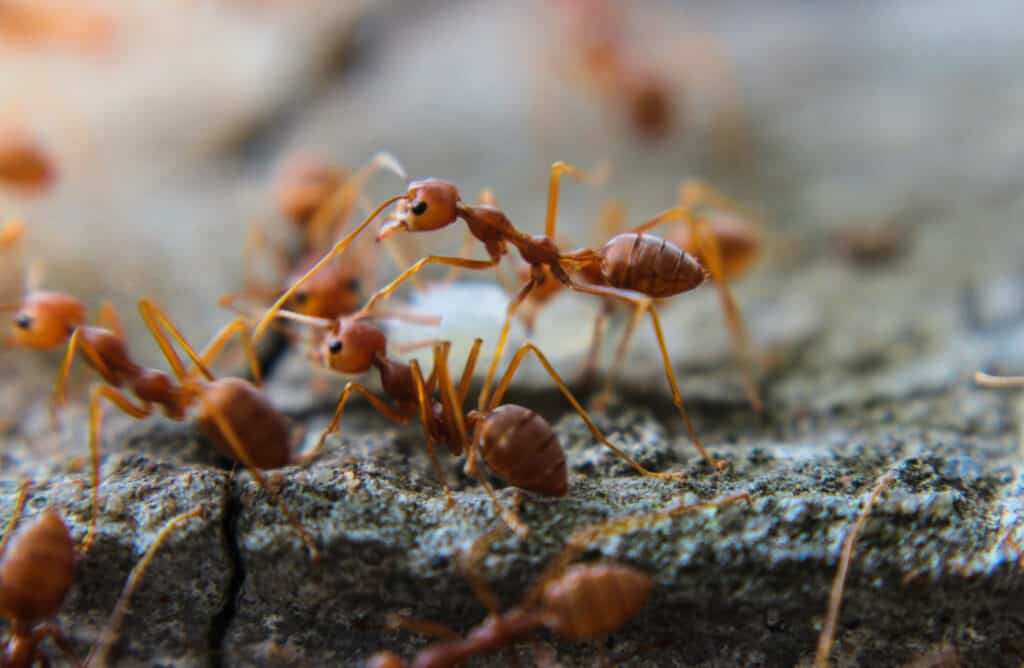
When it comes to their diet, red imported fire ants are known to feed on the buds and fruits of various crops, which is why they are a damaging invasive species.
©NOTE OMG/Shutterstock.com
The Texas A&M AgriLife Extension has estimated the fire ant’s annual impacts in Texas at around $1.2 billion when damage and control are combined, and widespread costs occur quickly once ant populations are established in any given state. It is a recurring national cost issue in warm regions, with prevention and treatment remaining vital to the states listed above.
9) Spotted Lanternfly
- Most affected states: Pennsylvania, New Jersey, New York, Maryland, Delaware, Virginia, West Virginia, Connecticut
Lanternflies cause damage in two ways: they feed heavily on plant sap and produce honeydew, which leads to sooty mold buildup. The species also spreads efficiently via egg masses laid on common items like vehicles and outdoor furniture, making human activity a key factor in their spread.
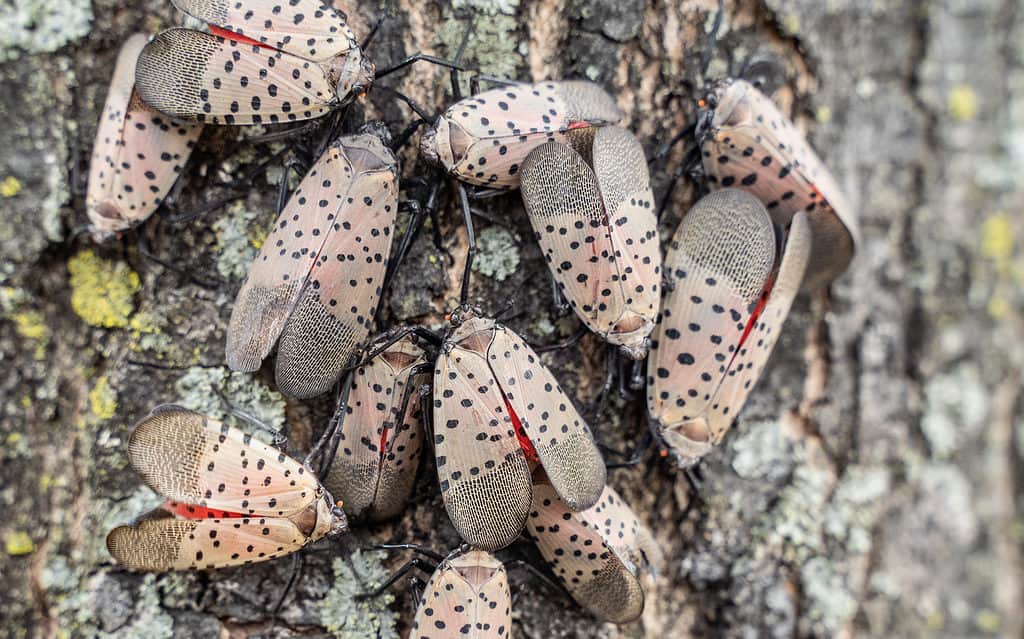
Spotted lanternflies lay multiple eggs at once, which is why it’s important to be proactive in their removal.
©iStock.com/arlutz73
Pennsylvania Agriculture Secretary Russell Redding has repeatedly pushed a simple, quantifiable message: egg mass removal is vital. In coverage of the state’s recent lanternfly quarantine expansion, he said, “Every egg mass you scrape and squash means 30–50 pests won’t hatch in May,” noting that’s what Pennsylvania residents are growing accustomed to doing in their yards in early spring.
10) Brown Marmorated Stink Bug
- Most affected states: Pennsylvania, Maryland, Virginia, West Virginia, New Jersey, New York (plus orchard regions in additional Western states)
These stink bugs cause chronic damage to commercial fruits and vegetables, often requiring repeated control efforts. They also move between crops and nearby habitats, making outbreaks seem sudden and difficult to predict. Although originally established on the East Coast, brown marmorated stink bugs have now spread to many states across the U.S., including the Midwest and West Coast.
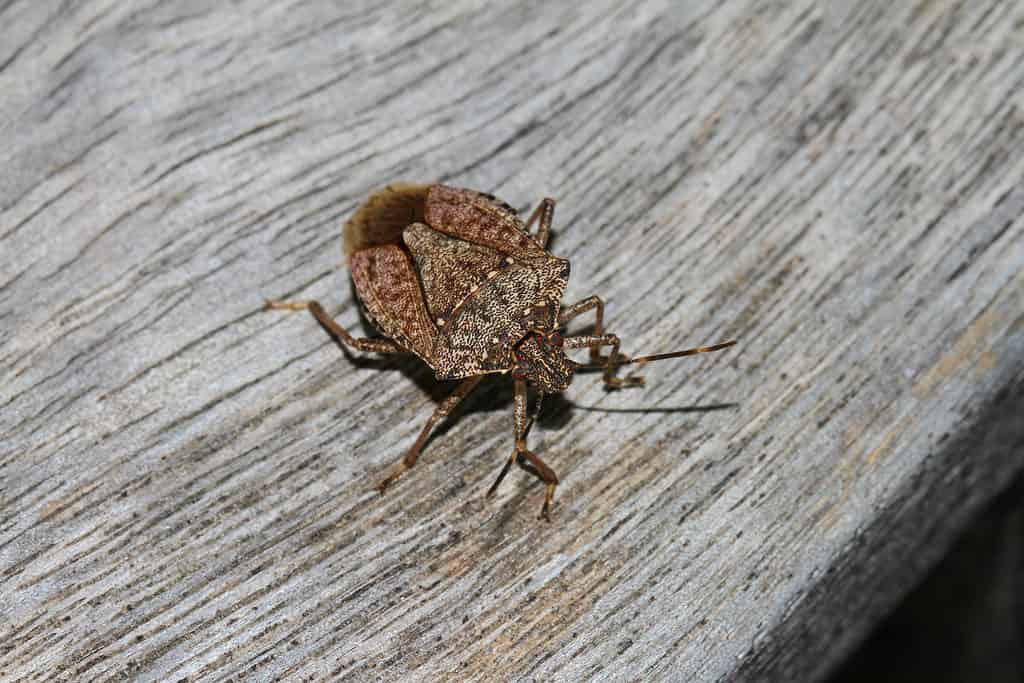
These insects cause damage to commercial crop industries.
©Ruth Swan/Shutterstock.com
While this insect is often tracked through agriculture channels rather than fish-and-game agencies, its destruction is notable. It repeatedly imposes costs on growers and supply chains in the Mid-Atlantic and beyond, with extensive management guidance coming from land-grant extension systems and state agriculture partners in their efforts to mitigate damages.
Why These 10 Species Remain a Serious, Nation-Wide Issue
There is a reason each of these animals made our list of destructive invasive species. They each have the potential to change the landscapes they enter, often beyond repair. While they are all distinctly different, their shared trait is persistence: once established, these species keep generating damage unless there’s constant suppression or prevention.
There are many invasive species in North America; these are just some of the most damaging.
©Jay Ondreicka/Shutterstock.com
That is why invasive species awareness is essential across all of North America. Certain regions face more destruction than others, but it is up to all of us to understand these species and stop their spread as soon as they are detected.
CORRECTION: This article was updated on April 12, 2026. A previous version of this article incorrectly identified the six-spotted tiger beetle (Cicindela sexguttata), a native North American tiger beetle species, as the emerald ash borer, the invasive beetle that is wreaking havoc on ash trees.