
Quick Take
- Western Training emphasizes minimal rein contact and neck reining, relying on seat and balance for long-day ranch work.
- English training emphasizes steady rein contact to achieve collection, balance, and precise, biomechanical movement in dressage, show jumping, and eventing.
- Natural Horsemanship emphasizes relationship, communication, and pressure-release methods to build trust, with Parelli and Brannaman promoting soft guidance and rider centeredness.
Horses have been partners to humans for centuries, ranging in roles from war steed to ranch work to competitive sport and beyond. Over time, distinct training philosophies have been developed the cater to these roles, the three most notable being Western, English, and Natural Horsemanship. Each one has its own underlying training philosophy, tack and equipment preferences, and competitive arenas. In this article, we break down and compare each of these approaches, as well as highlight prominent figures in the horse training arena Pat Parelli and Buck Brannaman.
Philosophies of Training
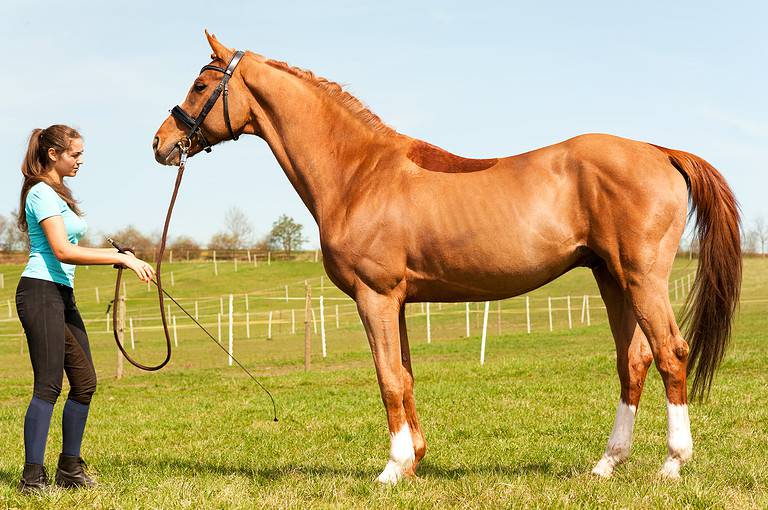
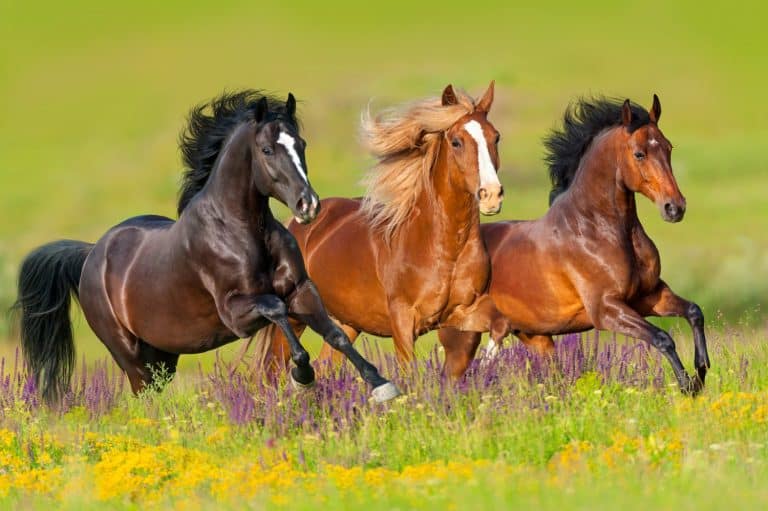
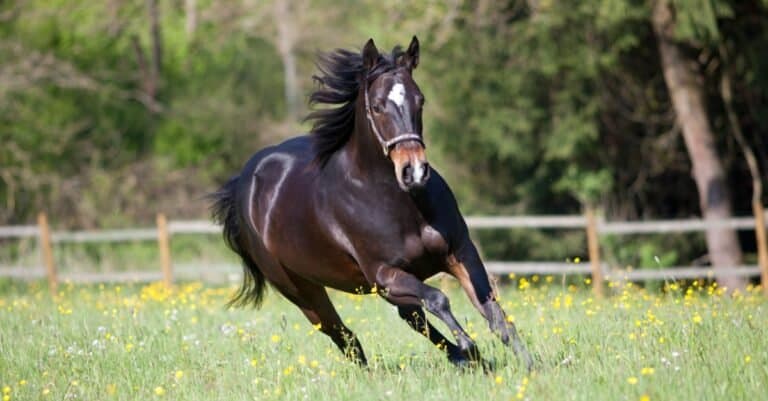
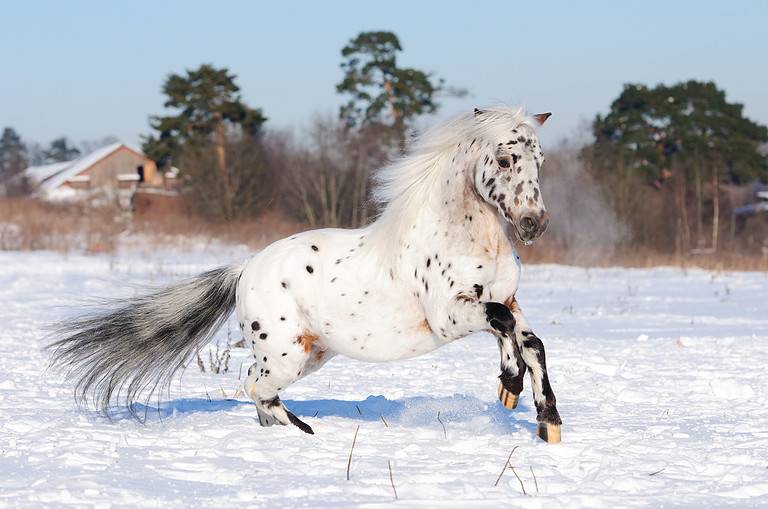
Different training philosophies are applied depending on what the horse is intended to be used for
©goffkein.pro/Shutterstock.com
Western Training
Western riding evolved from the working stock horse traditions of the American West. Cowboys needed horses that could endure long days on the range, handle unpredictable terrain, and respond to subtle cues, as they were often only controlling the horse with one hand, needing the other hand for roping, etc. The Western training philosophy emphasizes practicality, responsiveness, and a calm, steady demeanor under saddle. Imagine John Wayne or Clint Eastwood trotting on horseback across the prairie and you’ll get the idea.
A key feature of Western philosophy is minimal rein contact. Riders often rely on neck reining, using their seat, weight, and subtle shifts of balance more than rein pressure to guide the horse, which reduces constant tugging on the horse’s mouth. This helps preserve the horse’s comfort and long-term soundness, which is essential when a working ranch horse might be ridden many miles every day for years.
Other common goals include smooth, collected gaits, willingness to pivot or back, and the ability to perform maneuvers related to ranch work such as reining, cutting, or trail obstacles.
- Pro: This style is accessible and practical, leading to the development of durable, steady horses suited for long workdays.
- Con: Challenges may present themselves when translating neck reined responsiveness into sports that demand fine rein work or collection, like dressage.
English Training
English riding developed from European cavalry traditions and classical dressage, where horses had to be highly maneuverable, balanced, and responsive in close quarters or during precise battlefield movements. To achieve this, riders maintained steady, elastic rein contact in order to communicate subtle adjustments to the horse’s balance and frame at all times. This light but consistent connection allows the rider to feel changes in the horse’s posture, rhythm, and straightness the instant they occur.
English disciplines—such as dressage, show jumping, and eventing—demand collection, engagement of the hindquarters, and controlled forward energy. These qualities require the horse to move with power coming from behind and a supple, lifted topline. Achieving this level of balance and athleticism involves continuous feedback between horse and rider through the reins, seat, and legs. The consistent contact helps shape and guide the horse’s movement so it can perform tight turns, adjust stride lengths, and navigate technical patterns or jumps safely.
- Pro: Its precision and classical foundation can produce high-performance horses, especially in show disciplines.
- Con: Its training can sometimes lean toward rigidity or overemphasis on aesthetics over partnership.
Natural Horsemanship
Natural Horsemanship (NH) is less a “show discipline” and more a philosophy that can be overlaid on both Western or English styles—which is to say a horse can still be trained in either the Western or English style while still incorporating the NH philosophy. Its roots lie in a desire to communicate with the horse in a way that aligns with the horse’s natural instincts, minimizing physical force and emphasizing psychological understanding rather than mechanical dominance.
NH practitioners typically seek mutual trust, safety, and emotional connection. Rather than “breaking” a horse, they build cooperation through clear communication, pressure-and-release methods (negative reinforcement), and groundwork exercises that mimic equine social behavior.
- Pro: The relationship-centered philosophy often leads to willing, confident horses and deeper human-horse bonds.
- Con: Not a replacement for discipline-specific training; some critics argue it can overlook biomechanical and athletic development if used in isolation.
Tack Differences
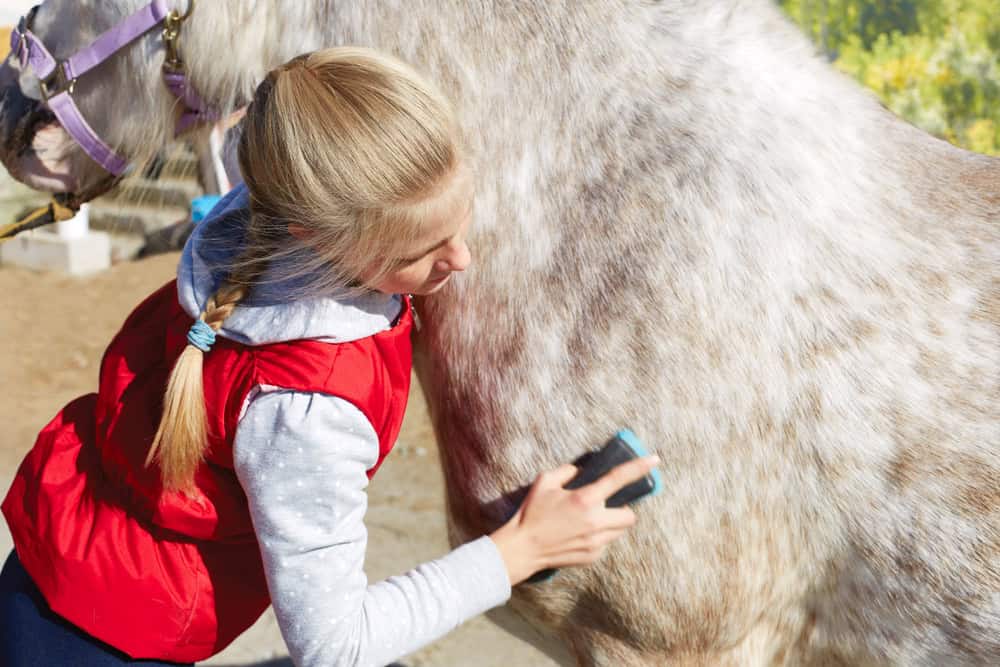
Different tack is required depending on which training philosophy is used.
©Tucker BioKinetic – Original
For those unfamiliar with the terminology, tack is the general term for all the equipment used to ride, handle, or work with a horse. It includes items like saddles, bridles, bits, reins, girths, stirrups, halters, lead ropes, and saddle pads. If it’s gear used to control or communicate with a horse, it’s considered tack. The tack used in each discipline underscores deeply held training values.
Western Tack
- Saddle: Western saddles are large and heavy with a deep seat, high cantle, and a prominent horn, which are ideal for stability over long rides and handling cattle.
- Reins: Western reins are long and loose to promote minimal direct rein pressure. Split reins allow subtle neck-rein signals, while romal reins help riders maintain consistent hand position. Both styles reinforce the Western goal of developing a horse that responds to light, indirect cues rather than steady contact.
- Bridles: Western bridles may lack a noseband and commonly use curb bits with long shanks, which employ leverage and require subtle feel, essential when one hand needs to remain free for ranch tasks
- Pads: Thick saddle blankets help distribute the rider’s weight, crucial for comfort during long hours.
English Tack
- Saddle: English saddles are smaller, lighter, and built for precision. This allows closer contact between rider and horse, helping the rider influence the horse’s balance and frame. This fits English training’s emphasis on biomechanics, straightness, impulsion, and detailed communication through the hands and legs.
- Reins: English reins are shorter and meant to be held with consistent tension. Their grip-friendly textures help the rider maintain precise, subtle connection, which is essential for dressage, jumping adjustments, etc.
- Bridles: English bridles typically include a cavesson or more specialized noseband. This helps stabilize the bit and supports refined communication, while also discouraging evasions such as excessive mouth opening. The design supports the discipline’s goal of harmony and controlled engagement.
- Pads: Thin saddle pads or half pads minimize bulk to preserve close contact.
Natural Horsemanship Tack
Since this approach is more focused on emotion than physicality, NH is versatile with its tack. Some practitioners use standard Western or English tack; others favor bitless bridles to reduce pressure on the horse’s mouth. In the Parelli program, trainers begin with lead ropes, halters, and sometimes flank ropes. Liberty training may use minimal or no tack. However, here are a few standard pieces of tack one may see in the NH philosophy:
- Long Lead Rope (Usually 12–14 feet): NH trainers use long ropes for groundwork, allowing space for driving, yielding, circling, and liberty-inspired movements.
- Carrot Stick/Training Stick: This stiff stick is an extension of the trainer’s arm, used to apply rhythmic pressure, direct movement, or communicate boundaries in a way that mimics herd behavior.
- Lightweight Saddle (Often Western-Based, but Variable): NH can be used with either English or Western tack, but many practitioners choose lightweight, close-contact Western-style saddles to maintain stability while fostering clearer seat communication.
- Hackamore or Bitless Bridle: Many NH trainers start horses in a bosal or rope halter under saddle to encourage softness without bit pressure. This suits NH’s emphasis on teaching the horse to follow feel, not force, before transitioning to more traditional tack.
Competitive Disciplines
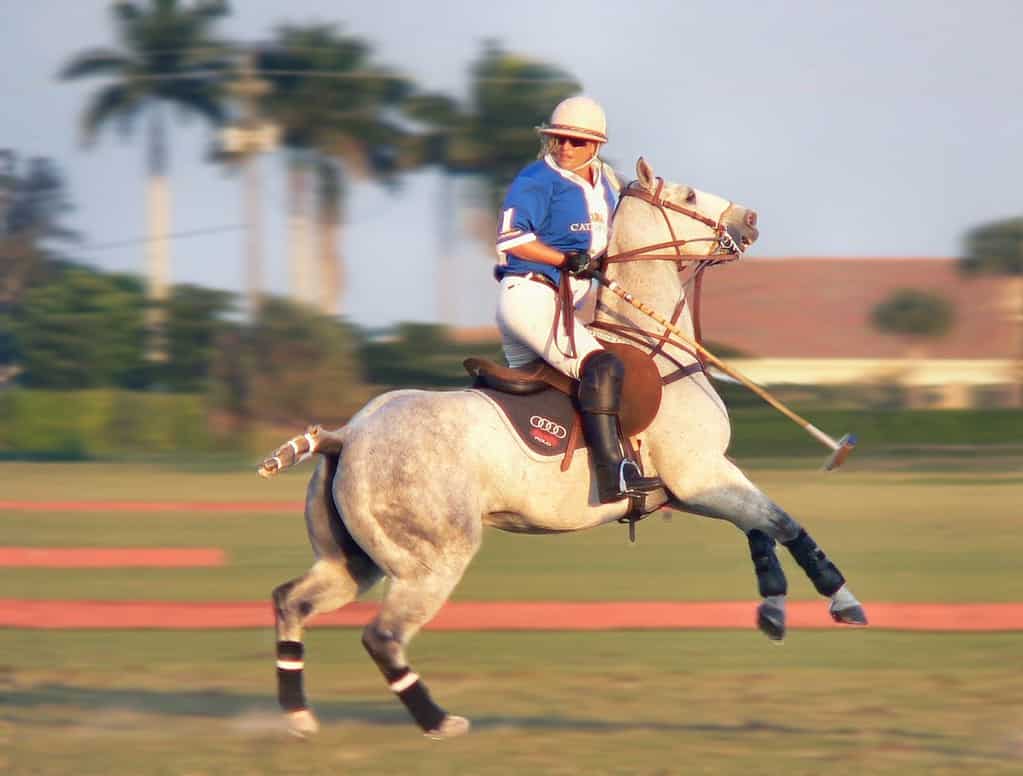
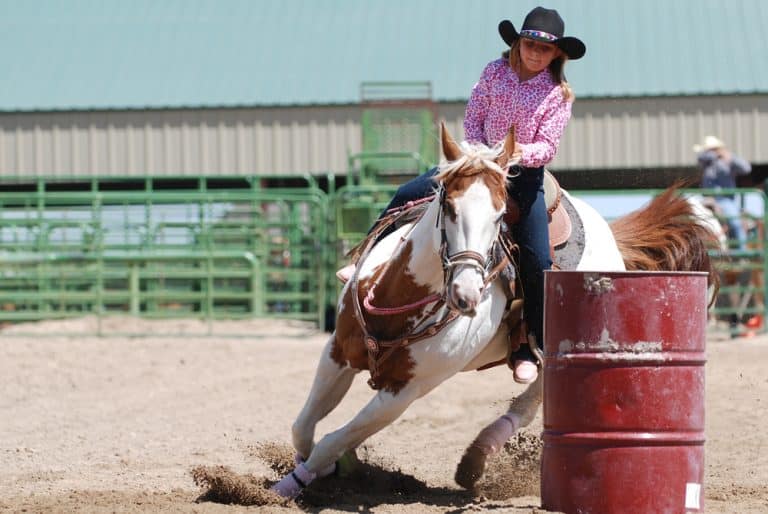
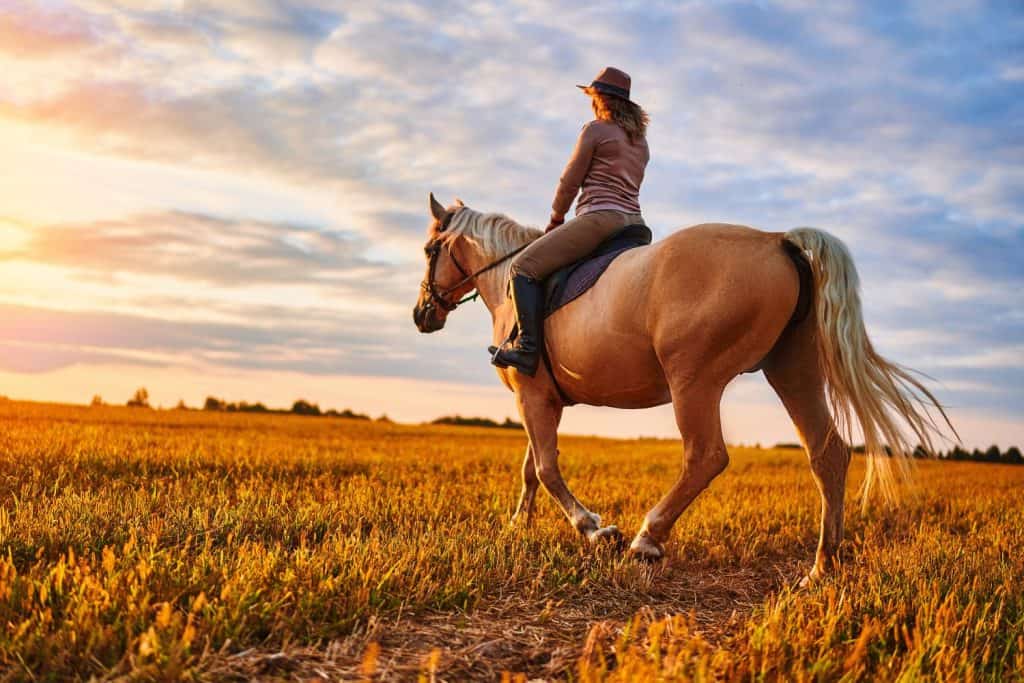
Western and English trained horsed excel at different things in competition.
©Perry Correll/Shutterstock.com
Western Competitions
Western riding is rich with events rooted in ranch traditions and modern sport.
- Western Pleasure: Judges evaluate smoothness, responsiveness, and a calm, collected disposition.
- Reining: Complex maneuvers like sliding stops, spins, rollbacks, and lead changes.
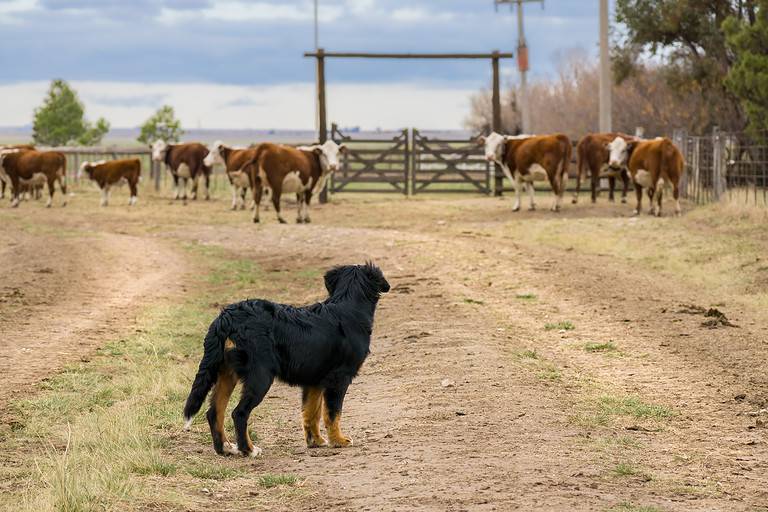
- Cutting: Horses separate a single cow from the herd, showing cow sense and agility.
- Western Dressage: Borrowing principles from English dressage, Western dressage tests precision, rhythm, and harmony—but with Western tack and relaxed attire.
English Competitions
- English disciplines emphasize athleticism, form, and rider-horse harmony.
- Dressage: Tests of precision, collection, extensions, and lateral movements.
- Hunter/Jumper: Under the hunt seat tradition, competitions include flat classes (walk, trot, canter) and over‑fences classes judged on form, rider equitation, and horse manners.
- Eventing: A three-phase sport (dressage, cross-country, stadium jumping) combining endurance, precision, and technique.
Natural Horsemanship in Competition
NH does not always align cleanly with traditional show circuits, yet it overlaps significantly through Western or English discipline hybrid events. For example: many NH practitioners compete in Western Dressage, where the emphasis is on communication, trust, and precision in Western tack. There are also “freestyle” NH demonstrations, liberty classes, and clinics that focus on communication and partnership rather than formal scoring.
Key Methods & Trainers

Buck Brannaman is well-know horse trainer who was the partial inspiration for the book and film The Horse Whistperer
Pat Parelli
Pat Parelli is a well-known natural horsemanship trainer who developed the Parelli Natural Horsemanship program (PNH), a structured system focused on building trust between horse and rider. Founded in 1981, the PNH is one of the most widely known NH programs. Parelli’s core principle is that horsemanship is founded on relationship before mechanics. His program rests on three immutable laws: 1. Relationship first, 2. Foundation before specialization, and 3. Never-ending self-improvement
The framework for his system is structured around four skill categories which Parelli calls “savvys.” They are:
- Online: Groundwork done with a rope and halter
- Liberty: Groundwork without a rope
- Freestyle: Riding with minimal rein contact, often one-handed or with loose reins
- Finesse: Riding with more precise rein contact, similar to classical English influence
A cornerstone of the Parelli method is the “Seven Games,” exercises designed to mimic the types of interactions horses naturally have within a herd. They teach the horse how to respond to pressure, yield space, and focus on the handler. For example, the “Yo-Yo Game” in which the horse moves backward and forward between handler and end of the rope, which help to improve respect, focus, and straightness; or the “Squeeze Game” in which the horse learns to move calmly through narrow or intimidating spaces, intended to build confidence and reduce claustrophobia.
Parelli himself notes that the only real difference between English and Western riding in a natural horsemanship framework is the tack; the foundational psychology remains the same. If you train naturally, the horse doesn’t know (or care) which discipline you ride.
Buck Brannaman
Buck Brannaman is one of the most recognizable figures in modern natural horsemanship (the main character in The Horse Whisperer was partly inspired by him). His approach emphasizes softness, clarity, and connection, but not in a mystical or abstract way. For Brannaman, softness is a physical and emotional state in the horse brought on when the rider offers guidance without force, fear, or confusion.
A core idea in Brannaman’s work is that the horse is never “wrong,” it’s simply responding to the situation or the human’s cues as best it can. If the horse braces, panics, or behaves poorly, Brannaman views that as information about the rider’s timing, pressure, or consistency. In his philosophy, the solution is not escalation but refinement: improving the release, the feel, or the clarity of the request. Unlike Parelli, Brannaman doesn’t teach long lists of games or patterns, focusing instead on foundational skills and staying mentally connected to the rider.
The Brannaman philosophy is often summarized by the idea that your horse is like a mirror to your soul. The rider’s behavior, stress, or softness is instantly reflected in the horse. Teaching the human to be centered and consistent is therefore just as important as teaching the horse to be responsive and willing.
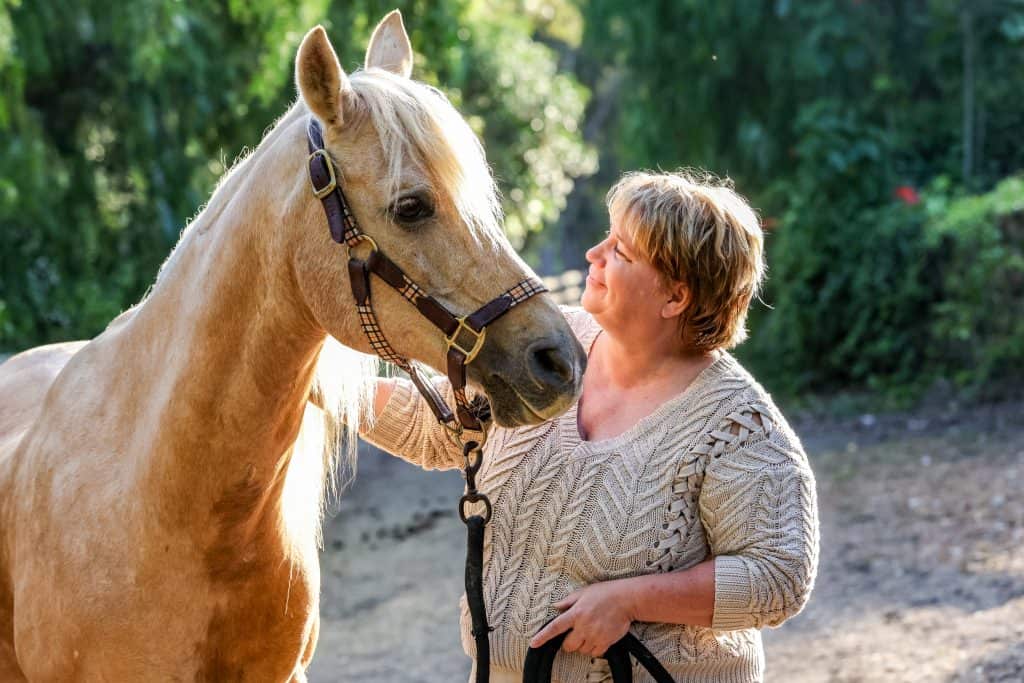
Which Philosophy is Right for You and Your Horse?

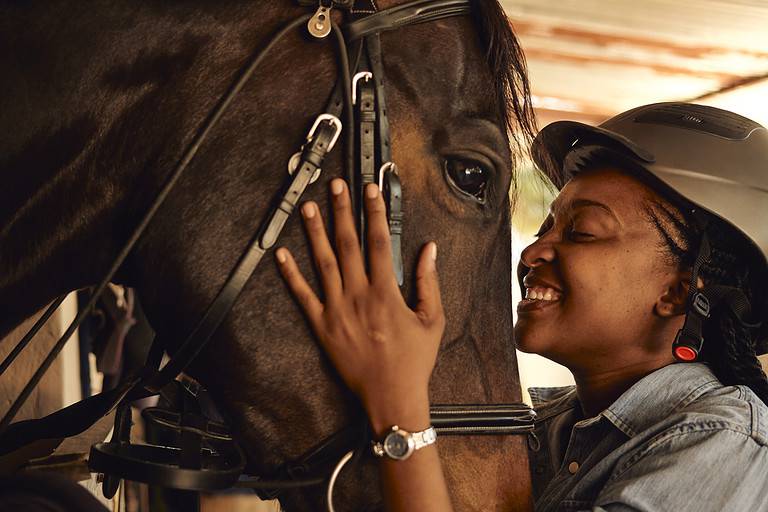
©wavebreakmedia/Shutterstock.com
Western, English, and Natural Horsemanship each represent distinct philosophies, gear choices, and competitive goals. Western riding draws from the rugged practicality of the ranch; English riding from classical traditions of form and precision; and Natural Horsemanship from a mindset of communication, trust, and empathy. Ultimately, the best approach for any rider or horse often draws on a blend: building a solid relationship foundation, using the right tack for the job, and training toward the specific skills needed for their chosen discipline. By understanding the strengths and goals of each system, riders can choose wisely and create partnerships that are not only effective but deeply fulfilling.