
Quick Take
- Trainers teach specific physical skills and performance through hands-on repetition, typically requiring years of experience rather than degrees.
- Behaviorists solve psychological issues using scientific data and advanced degrees, focusing on the “why” behind a horse’s actions.
- Overlap occurs when both experts use learning theory to improve a horse’s well-being, though their daily tasks remain distinct.
Plenty of little kids imagine a future working with horses, and an assortment of jobs involve interacting with these highly athletic animals. Some children may see themselves in a training role, while others may focus on the behavior and psychology of horses. Generally, there are two distinct spheres of horse work: horse trainer and equine behaviorist. While both are essential roles in the equestrian world, they function in different areas of expertise, education, and daily use.
Don’t be intimidated by fancy job titles. Choosing to become a horse trainer or an equine behaviorist comes down to personal preference. One path involves coaching and is quite physical, while the other involves consulting and science. Love for horses is required on either side of this spectrum. However, the way you interact with these animals and the problems you will be tasked with solving look very different depending on career choice. That’s why we’ve put together a short guide to explain the key differences between horse trainers and equine behaviorists. Let’s learn about these two rewarding career options.
Horse Trainer

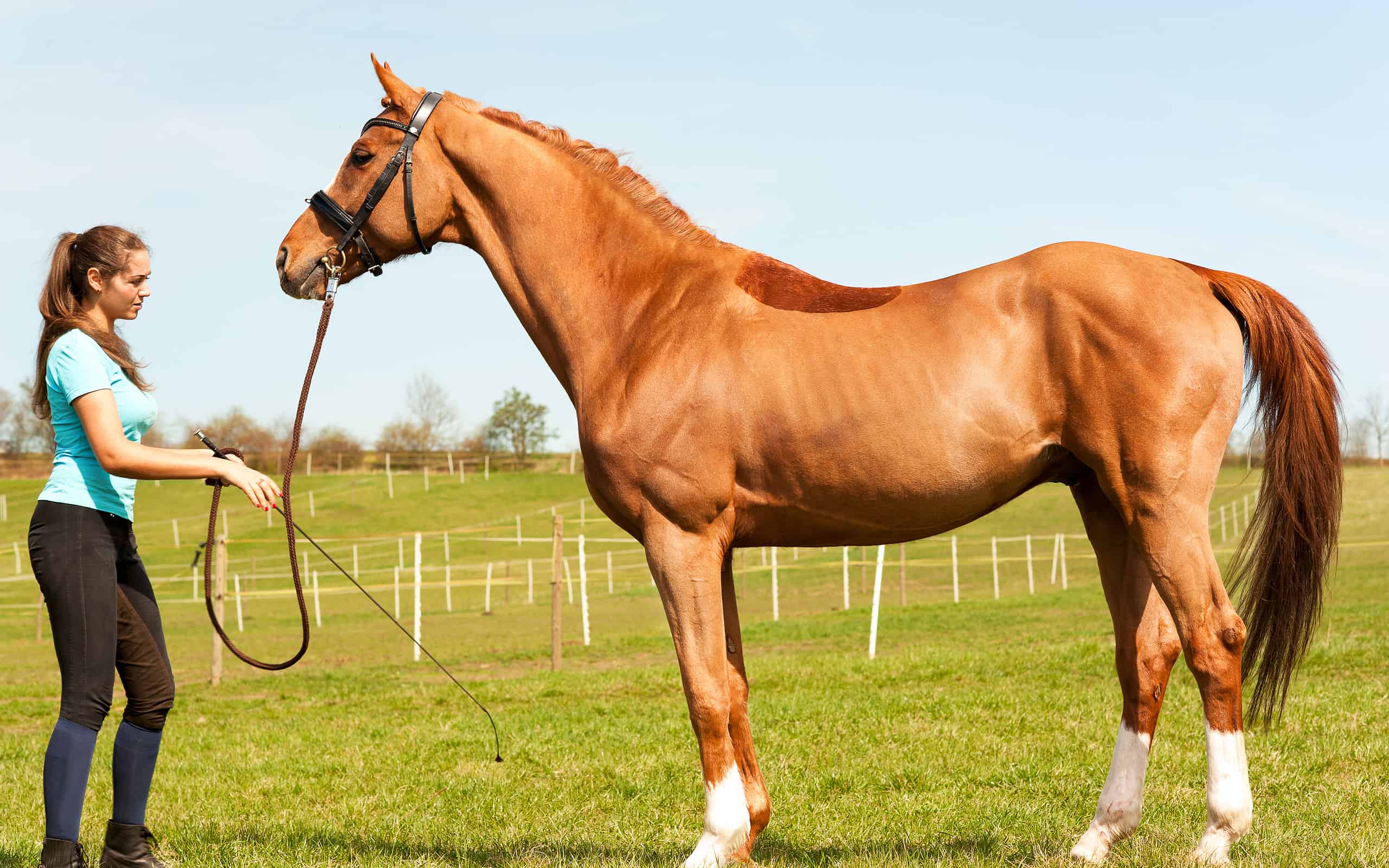
A horse training career involves long hours, provable fitness, and considerable repetition.
©Carlo Prearo/Shutterstock.com
Horse trainers are similar to sports trainers. They focus on a horse’s physical education and performance. Often, a horse trainer’s ultimate goal is to teach a horse a very specific set of skills, often in the realm of sports. For young horses or colts, this may involve teaching them to accept and thrive while wearing a saddle and carrying a rider. Trainers teach older horses more refined movements, such as those required for trail riding or dressage competitions. Horse training covers a wide spectrum, but as a rule of thumb, trainers are always teaching horses new skills.
Education
In terms of education, most horse training jobs do not require formal university degrees or accreditation. Instead, horse training follows a path of apprenticeship to mastery. People who become professional horse trainers usually spend several years as working students. This allows them to learn the ins and outs of the trade from established professionals. To be sure, some horse trainers go the extra mile and earn associate’s or bachelor’s degrees in Equine Science. However, time spent in the saddle and a proven track record of producing winning horses matter more than a diploma.
Day-to-Day
Some jobs are primarily theoretical, but horse training is not one of them. In fact, it’s one of the more demanding jobs out there. Many horse trainers spend up to 10 hours a day riding, training, and handling horses. A horse trainer is responsible for a horse’s fitness and responsiveness, usually following the instructions of the horse’s owner.
This work requires a considerable amount of repetition, physical fitness, and precise timing. While entry-level horse trainers and technicians earn between $30,000 and $45,000 starting, head trainers at elite stables can earn upwards of $100,000 due to increased reputation and lucrative commissions.
Equine Behaviorist
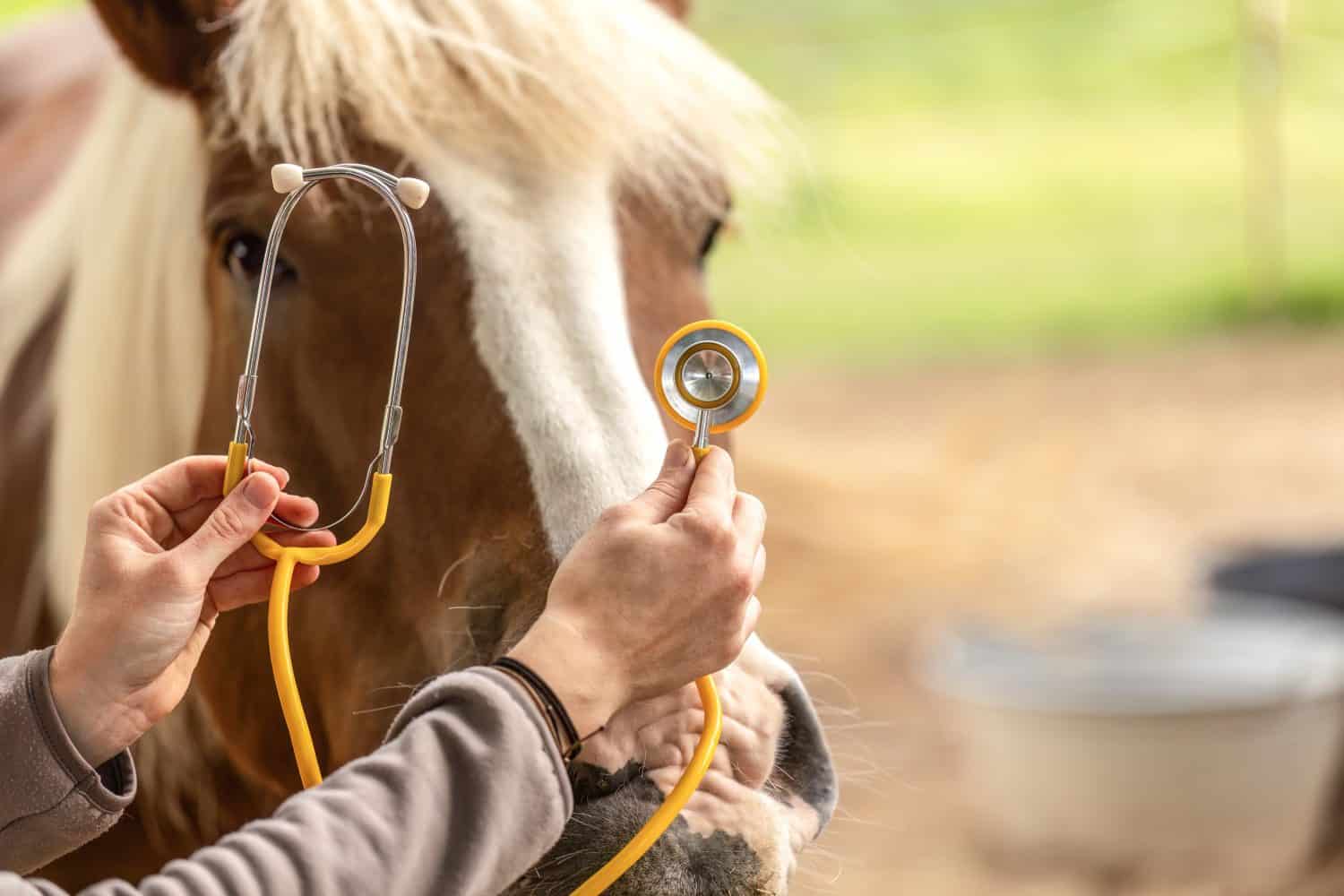
Becoming an equine behaviorist requires considerable schooling and advanced degrees.
©Annabell Gsoedl/Shutterstock.com
Whereas horse trainers are like personal fitness coaches, equine behaviorists are more like animal whisperers or horse psychologists. They focus on the psychology and emotional rehabilitation of horses. Instead of focusing on physical skills, equine behaviorists take a broader perspective.
They want to understand exactly why a horse is acting out, showing aggression, or lapsing into debilitating fear. Horse trainers teach horses to repeat tasks and exercises until they achieve physical mastery; equine behaviorists are more scientific. They seek to identify which aspects of a horse’s environment, past trauma, or neurological health are leading to dangerous or seemingly uncorrectable behaviors.
Education
Students interested in an equine behaviorist career path will need considerable schooling. Indeed, equine behaviorists usually have a master’s degree or a PhD in animal behavior, ethology, or psychology.
At an even higher level, veterinary behaviorists need to earn a Doctor of Veterinary Medicine degree and complete a medical residency. In general, equine behaviorists must demonstrate a deep understanding of psychology, neurobiology, and the hormonal relationships between body and brain. Once an equine behaviorist completes all the required schooling, the real work begins.
Day-to-Day
An equine behaviorist spends most of their time in observation and consultancy. They spend the majority of the workday observing a horse as it moves around and interacts with its natural environment. They interview horse owners, compare observations, and analyze data. From there, they usually develop behavior modification plans that use science-based techniques to create lasting changes in a horse’s emotional state.
Horse trainers do much of the hands-on work, but equine behaviorists provide the psychological roadmap for trainers to follow to achieve the best results. Since it is high-level work, equine behaviorists’ salaries start between $50,000 and $65,000. However, more specialized consultants like those with veterinary degrees can earn up to $130,000.