Quick Take
- The dog credited as the hero of the 1925 serum run actually completed the shortest leg, and another dog's far greater contribution went largely unrecognized for decades. Togo's overlooked journey →
- The serum was so fragile that transporting it wrong would have made the entire rescue mission pointless before it even reached Nome. Serum's fragile transport →
- Saving Nome from diphtheria accidentally changed how Americans fly, and the connection between a dogsled race and a landmark aviation law is stranger than it sounds. Aviation law connection →
Nome, Alaska, sits just two degrees north of the Arctic Circle. A historic Alaskan town, Nome was the site of a gold rush at the turn of the 20th century. By 1925, its population had dropped to less than 2,000. Even so, it remained the largest town in Northern Alaska. Being so close to the Arctic Circle, Nome lacked access to much of the south. The Bering Sea was icebound through the winter, and the town remained inaccessible by steamship. The only way to reach places like Nome during most of the year was by dog sled.
The winter of 1924-25 saw just one doctor and four nurses working in Nome. During this time, the doctor noticed the town’s full batch of diphtheria antitoxin had expired, so he placed an order for more. In December, just days after the last ship left port, the doctor treated several children for sore throats or tonsillitis. Days turned into weeks, and minor cases of sore throat spiraled into four child fatalities. Fearing a diphtheria epidemic, the doctor and the town’s board of health proposed a dogsled relay to transport a new batch of diphtheria antitoxin before the entire town was swept into chaos. Thus began one of the greatest rescue stories in modern memory.
Mounting Fears

An isolated northern Alaskan town faced a growing diphtheria epidemic in the winter of 1924-25.
©YouTube/DogCastTvEng – Original
Curtis Welch, the only doctor in Nome, served the town along with four nurses via the Maynard Columbus Hospital. He had ordered a new batch of diphtheria antitoxins at the start of winter, knowing that none would arrive until spring. Like clockwork, several days after the last ship left port, children began showing up with sore throats. Welch dismissed diphtheria because it usually came with more symptoms in family members or other residents. However, within several weeks, four children were dead. It took until mid-January 1925 for Dr. Welch to officially diagnose a three-year-old boy with diphtheria. The boy died within two weeks. The next day, a girl presented with similar symptoms. Welch administered some expired antitoxin, but the girl died within hours.
Welch realized he had an epidemic on his hands. He called the mayor, who arranged an emergency town council meeting, which resulted in the implementation of a quarantine. The next day, Welch telegrammed every major town in Alaska and requested help from the U.S. Public Health Service.
The quarantine did little to slow the spread, as 20 people were confirmed to have diphtheria, with at least 50 more at risk by the end of January. Without any safeguards, Welch expected the entire area to succumb to the epidemic. The board of health suggested dog relays or the new technology of plane delivery. They opted for the dogs.
Race Against the Clock
Authorities found a batch of antitoxin in Anchorage, but they still needed to get it to the isolated northern town of Nome. First, it went by train to Nenana. Then, the dogsled relay transported an incredibly delicate 300,000 units of diphtheria antitoxin in glass vials. So vulnerable were these vials that the mushers had to stop regularly to warm them by the fire so they wouldn’t shatter. They enlisted Leonhard Seppala, his dog Togo, and several other pups for the longest leg of the journey, traveling 170 miles from Nome to Shaktoolik to meet the serum and back for a total of 261 miles. Normally, this journey took 30 days but the diphtheria antitoxin from Anchorage would only last about a week.
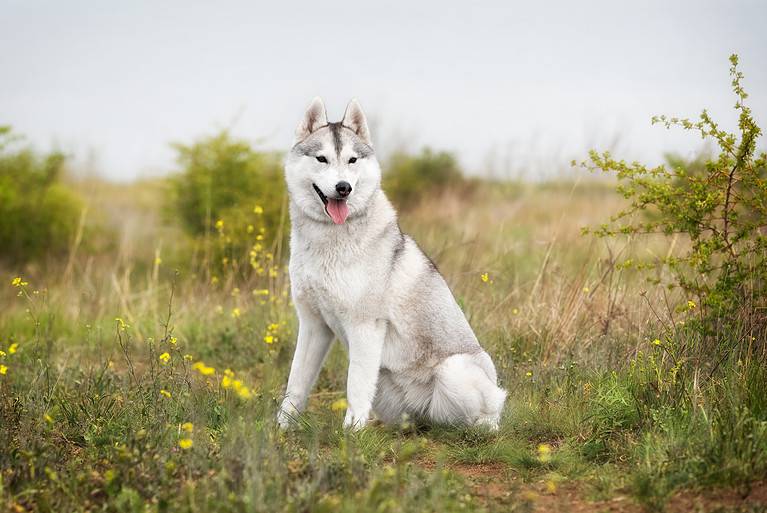
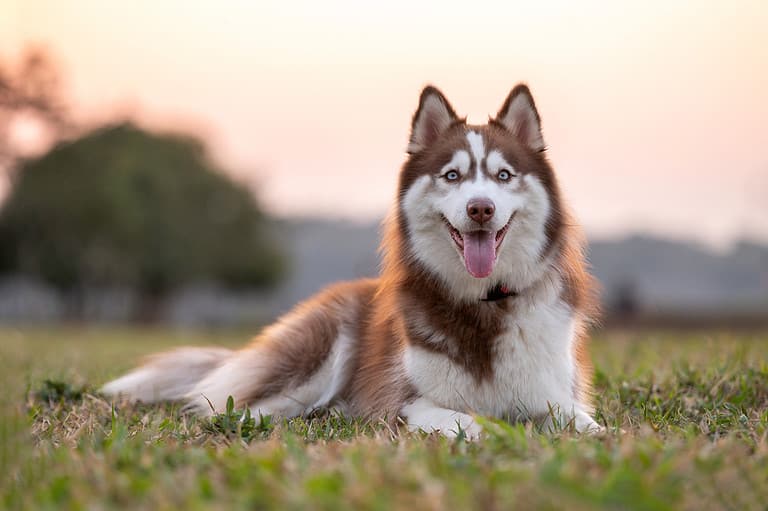
Seppala had previously completed the journey in four days, averaging eighty-one miles each day. At his lead was 12-year-old husky Togo. A stubborn pup in his youth, Togo had grown into a competent leader, prized for his intelligence and ability to sense danger. The team took off from east of Nome and ran 170 miles to just outside Shaktoolik, where they met the serum relay coming the other way. Handoff complete, they ran back 91 miles to Golovin, where they passed the serum to Charlie Olsen’s dog sled team. These dogs managed to cross 260 miles of some of the most treacherous terrain on Earth in sub-freezing temperatures, and they did it in three days.
Olsen passed the serum off to Gunnar Kaasen, who led the final 53 miles of the journey into Nome with his lead dog, Balto, at his side. Despite being less experienced than Togo, Balto led his owner through a blizzard so thick that Kaasen could not see his own hands. This led to Balto becoming the public face of the run, despite his team covering the shortest leg of the overall relay.
Enduring Legacy

Balto remains a singular symbol of the 1925 Serum Run, but other dogs made its success possible.
©YouTube/YouTube/DogCastTvEng – Original
Even though a second relay took place in February, the initial batch of fresh diphtheria antitoxin was enough to prevent the spread from becoming a full-blown epidemic. Dr. Welch diagnosed dozens of new cases in 1926, but all were managed thanks to the fresh batch of serum. The successful, lightning-fast relay earned the dogsled participants letters of commendation from President Calvin Coolidge. Some of the participants, like Kaasen and Balto, even did publicity tours around the United States. The whole affair led to the Air Mail Act of 1925, which legalized bidding on mail delivery contracts by private aviation firms.
Children these days know of Balto thanks to the various adaptations of his story in the media. It goes without saying, however, that Togo, the dog that completed the longest and most arduous leg of the serum relay, deserves just as much credit.