
Quick Take
- Achieving a 100% mortality rate is the standard requirement for the specialized Gibellula attenboroughii fungus.
- Restricting infection to 2 spider families creates a host-specific threat across 1,300 species.
- Infected orb spiders counter-intuitively abandon reclusive hiding spots for lethal, high-visibility exposure.
- Scouting an abandoned gunpowder store in 2021 was essential to verify the zombie-like behavior.
A fungus that turns spiders into zombies sounds like something straight out of a horror movie. Both arachnophobes and people with a healthy fear of spiders shudder at the idea that some spiders lose control over their bodies and minds. Does this mean that spiders are more aggressive and seek out people en masse to attack? Thankfully, no. However, this fungus is real, which leads many to wonder what else it might be able to infect.
Yes, There Is a Fungus That Turns Spiders Into Zombies
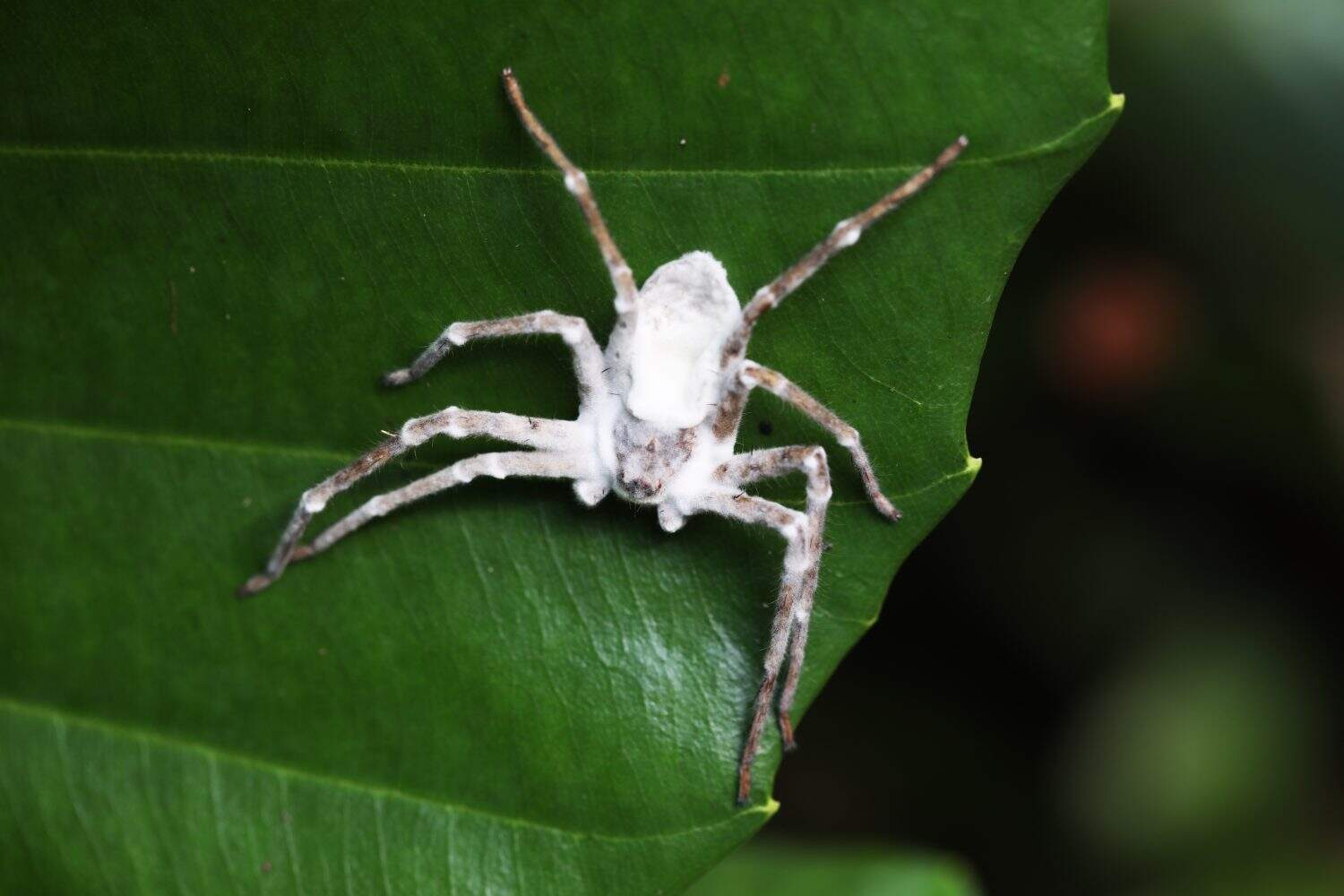
It is believed that less than 5% of the fungi on the planet have been discovered. Because of this, little is known about how fungi affect animals, insects, and the environments in which they live. So, when a spider was discovered in 2021 covered in white, fur-like spores, it was not immediately clear that it was infected with a fungus. Some researchers even questioned whether it was a new species. However, after further research, it became clear that a fungus had infected the spider, turning it into a zombie.
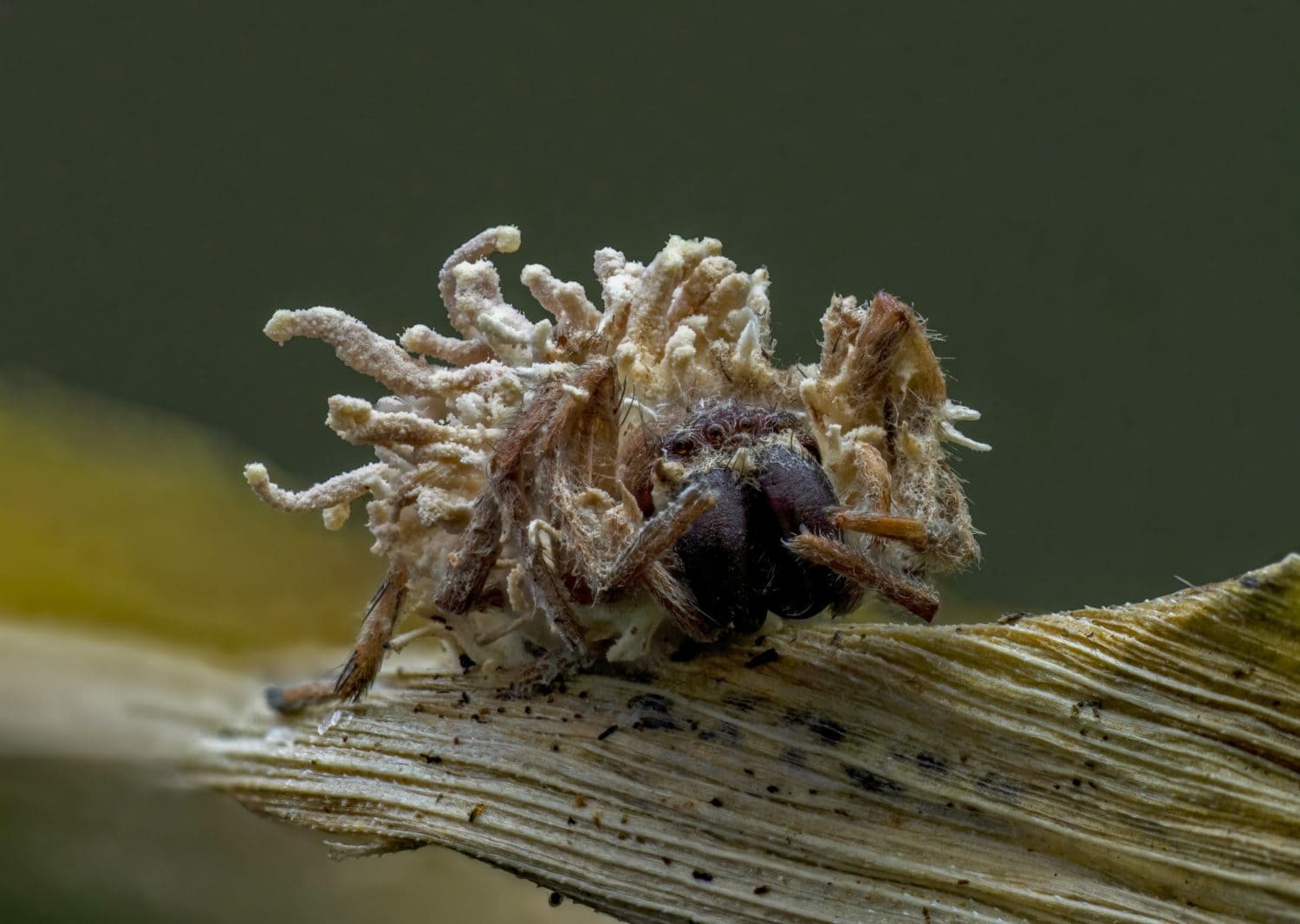
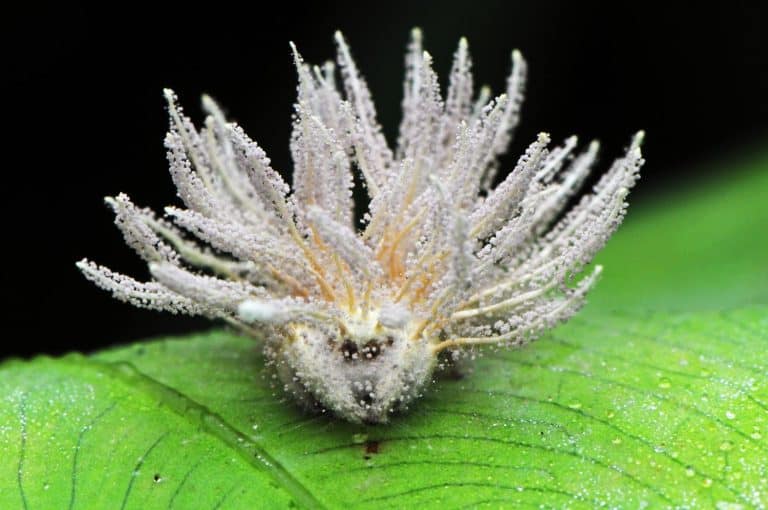
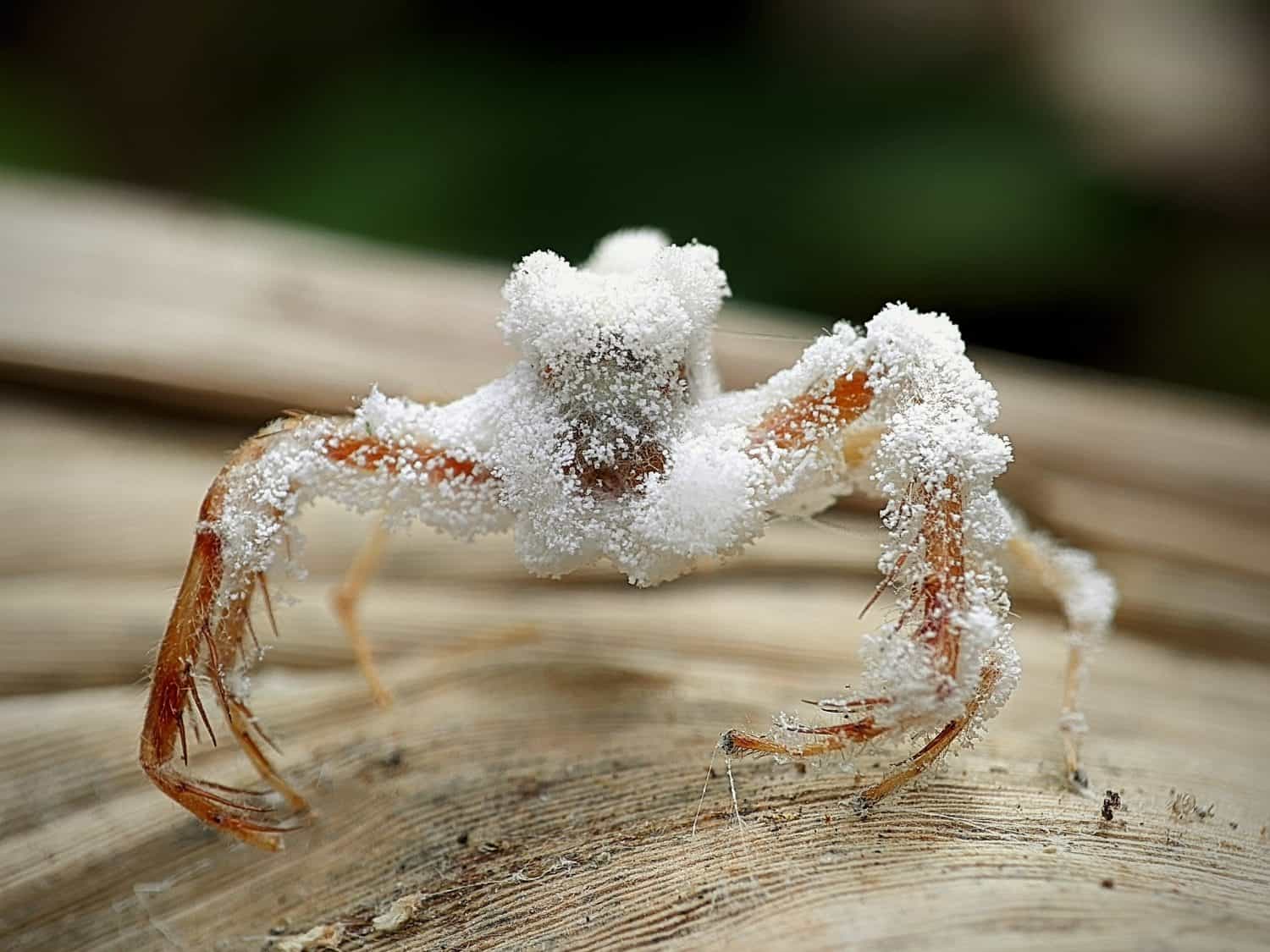
Gibellula attenboroughii spores grow on a spider, similar to this, before leading the spider out of hiding to die.
©Kamil Fraczek/Shutterstock.com
According to a 2022 study published in Phytotaxa, orb spiders in Ireland have been afflicted by a fungus that turns them into zombies. Gibellula attenboroughii takes over the insides of a spider’s body and brain, making it act in ways it would not normally.
The fungus does not make the orb spiders more aggressive. Instead, it causes them to come out into the open and expose themselves. Scientists believe this is done so that Gibellula attenboroughii can easily spread and infect other spiders. Consequently, Gibellula attenboroughii has been dubbed a fungus that turns spiders into zombies, and it appears to have no cure once it begins to take over the spider’s body and mind.
How Gibellula attenboroughii Got Its Name
Gibellula attenboroughii is one of many fungi that infect creatures. From cicadas to ants and other creepy-crawly critters, Gibellula attenboroughii is not alone in its ability to create zombie insects and arachnids. However, its name is special given that the fungus was named after one of the greatest nature documentarians and advocates for nature conservation, David Attenborough.
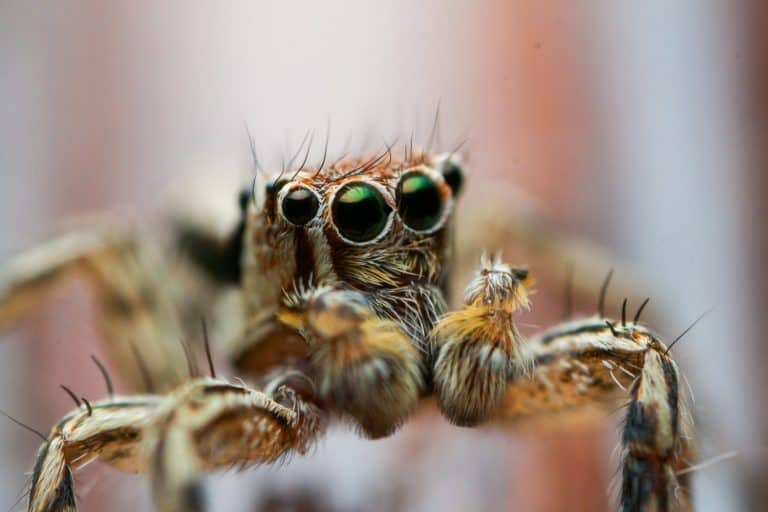
Gibellula attenboroughii, with fungus growth on a spider similar to this, was named in honor of David Attenborough, as the discovery occurred during a filming expedition for his BBC series.
©Jojo dexter/Shutterstock.com
Attenborough was filming his BBC Winterwatch series when the spider infected with Gibellula attenboroughii was discovered in Northern Ireland. The spider in question was located in an abandoned gunpowder store. It should have been more reclusive, given it was an orb spider. Instead, it was out in the open.
This led those on the filming expedition to question whether they were seeing a new species of spider or if the spider was infected. It was determined that the spider had been infected with a then-unknown fungus. Because Attenborough was the reason for the expedition to Northern Ireland, the fungus was named after him.
Does Gibellula attenboroughii Affect All Spiders?
Once the discovery of Gibellula attenboroughii was made public, there was concern that the fungus could infect all spider species. While there is still much to learn about Gibellula attenboroughii, so far it appears that only two spider families are susceptible to infection.
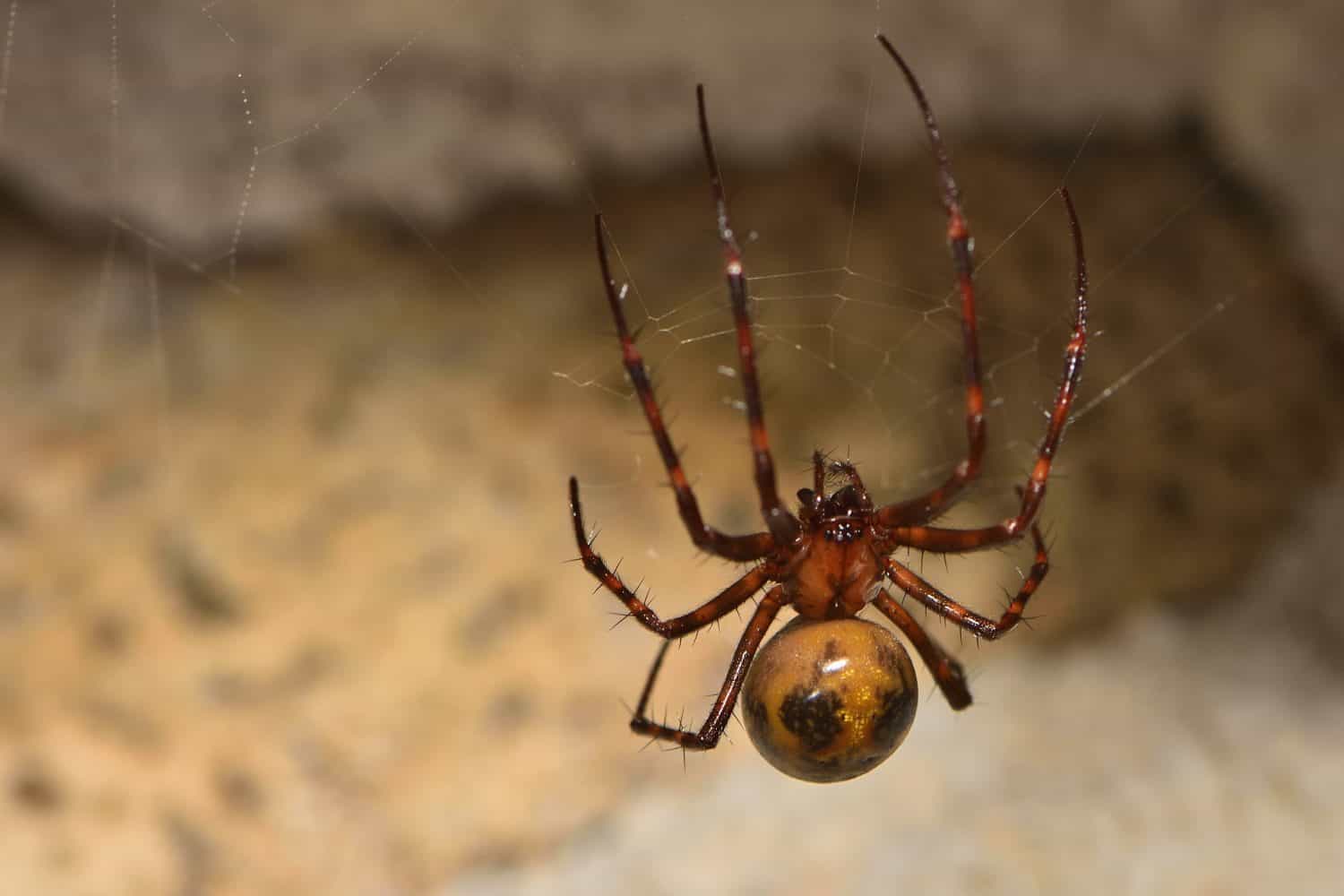
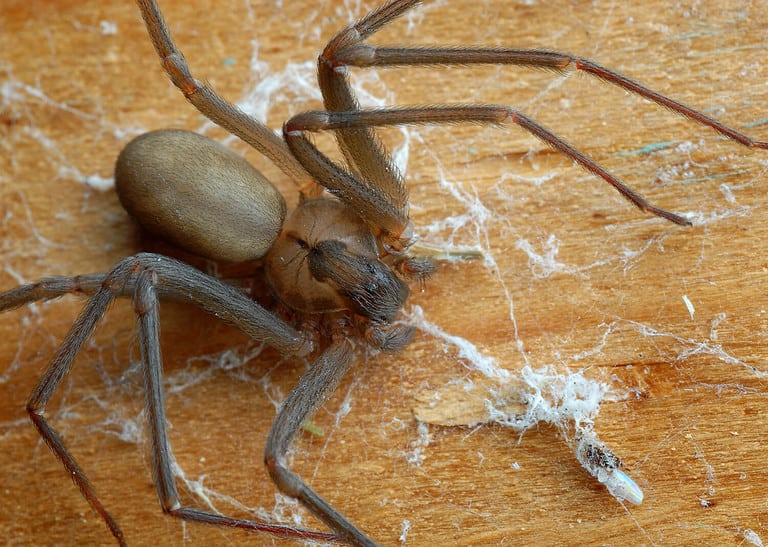
Gibellula attenboroughii appears to be capable of infecting only orb spiders.
©Tobias Hauke/Shutterstock.com
According to the 2022 study, the two spider families that could be infected by Gibellula attenboroughii are Anyphaenidae and Corinnidae. Both families of spiders are considered to be sac spiders. These spiders are reclusive and nocturnal. This is why they are generally found in caves, dark, untouched corners of basements, or under dense vegetation debris.
While Gibellula attenboroughii infects only two families of spiders, many spider species can become infected. In the Anyphaenidae family, there are over 500 species of spiders, and in the Corinnidae family, there are over 800 species. Since these spiders are found worldwide, it is not surprising that Gibellula attenboroughii has been found in various locations throughout Ireland, considering how easily it spreads.
How Gibellula attenboroughii Kills Spiders
When Gibellula attenboroughii was first discovered, it was not clear how the fungus could turn spiders into zombies and alter their behavior to do things they would not normally do. Since that time, scientists have been studying the fungus, releasing a June 2025 study, published in Fungal Systematics and Evolution, that explains precisely how it operates.
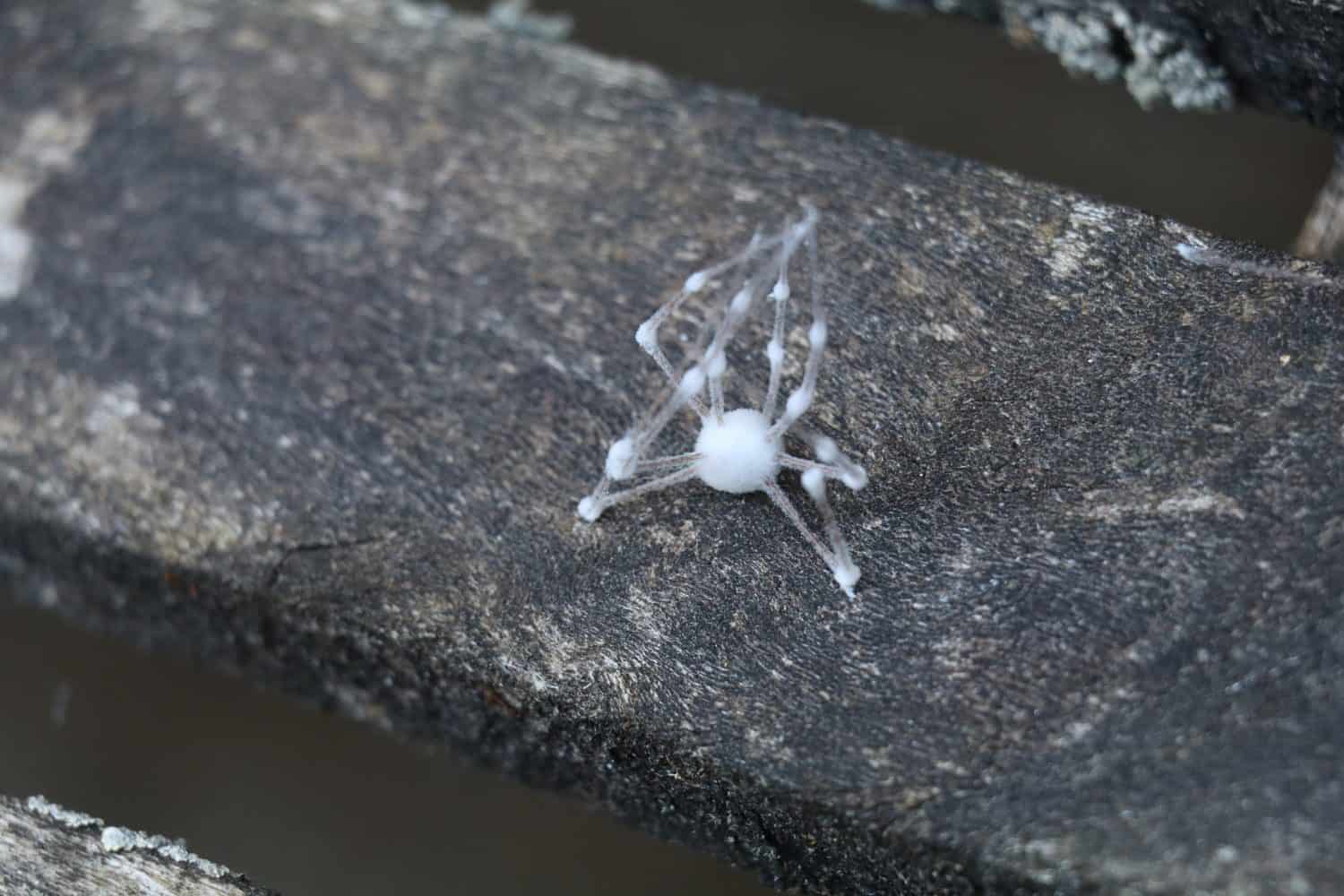
Gibellula attenboroughii, similar to this fungus, infects spiders via spores that rapidly take over the inside of the spider’s body.
©Niki Florin/Shutterstock.com
According to the study, Gibellula attenboroughii spores travel through the air. If a spore lands on a spider, it will immediately begin breaking through the spider’s exoskeleton. Once this has been achieved, the fungus spores start to multiply.
As the spores multiply, they begin to take over the spider’s internal organs and brain. This will eventually kill the spider, but not before the fungus forces it to leave its regular reclusive hiding spots. This is done, scientists believe, so that the fungus has the best opportunity to spread. If the spider were to remain in a cave or dark area where there is no air flow, Gibellula attenboroughii would have no chance to become airborne. However, if the spider moves out of the cave and into the open, the fungus can spread more easily, releasing spores into the air that can then attach to and infect new hosts.
Is Gibellula attenboroughii Harmful to Humans?
Spiders have continued to become infected with Gibellula attenboroughii since it was first discovered in 2021. Given how quickly the fungus can disperse, it has rightly raised the question of whether it can infect humans. Fortunately, according to Dr. João Araújo, a mycologist at the Natural History Museum of Denmark and co-author of the 2022 study, it appears that Gibellula attenboroughii is a spider-only fungus that poses no ill effects to people who come into contact with it.
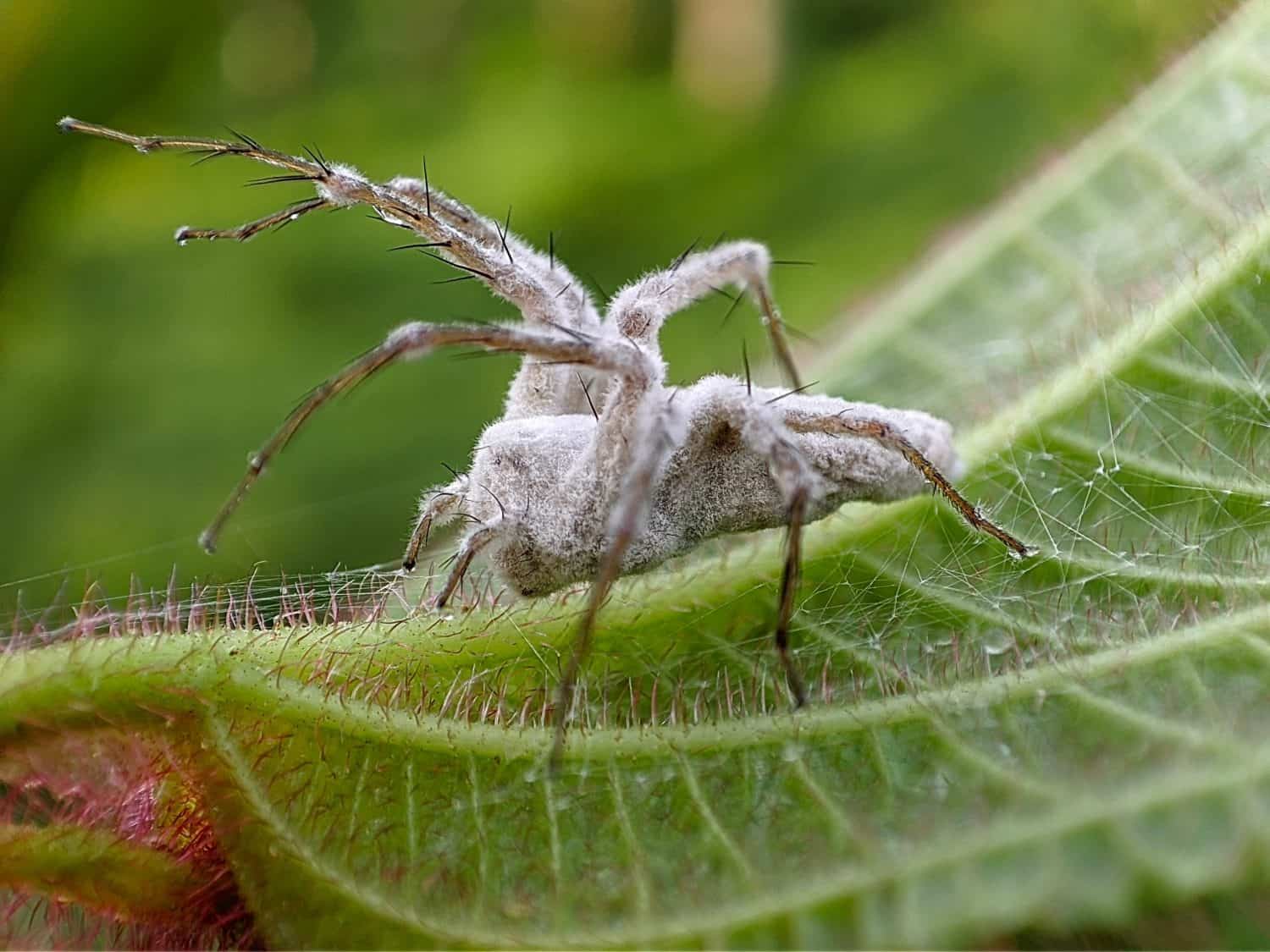
Gibellula attenboroughii, with fungal growth on a spider similar to this, does not pose a threat to people.
©Jojo dexter/Shutterstock.com
“While there are absolutely some cave-dwelling fungi that are problematic for humans, this is part of a group of fungi that only infects spiders,” Dr. Araújo explained to CNN. “Jumping to humans would require it to evolve tolerance to our warm body temperature and to circumvent our immune system, both of which serve as strong defenses against most fungi.”
Given that this fungus is no longer confined to small portions of Ireland, it is understandable that some are concerned about the long-lasting effects of Gibellula attenboroughii on spider communities. Further still, some question whether the fungus has the potential to morph into something that could, over time, affect other insect or animal species. For now, Gibellula attenboroughii is nothing for humans to fear. It is, instead, a highly specialized fungus that only infects a limited number of spiders. This has remained true since its discovery a few years ago and is unlikely to change in the near future.