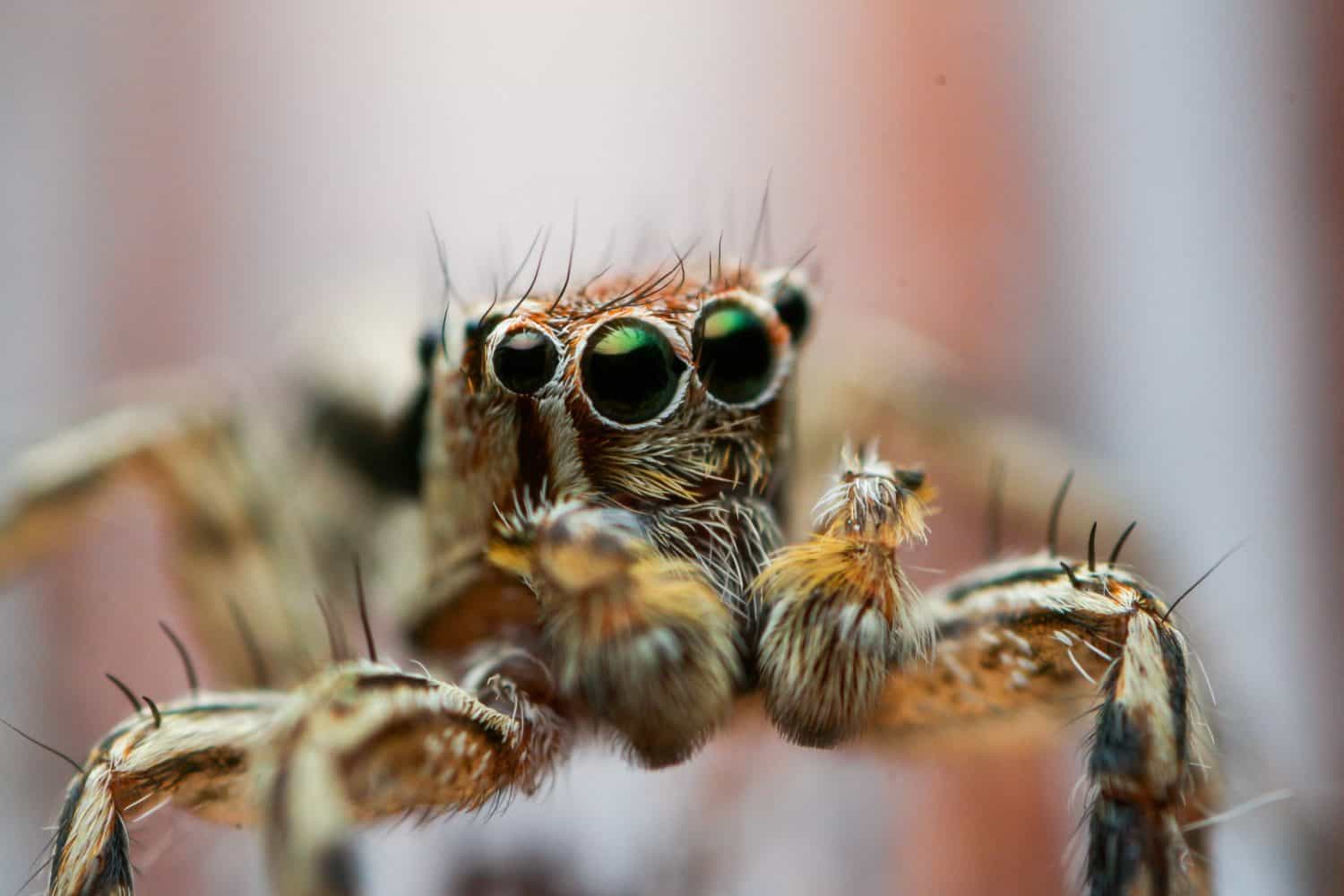

The fall season brings with it many things. The return of the pumpkin spice latte, fall foliage, and crisp weather, to name a few. While we celebrate all things cozy, humans aren’t the only ones seeking seasonal comfort. Fall also means spider season, which means more of these eight-legged arachnids are popping up indoors. It might seem off-putting and even worrisome at first, but rest assured, they mean you no harm. In fact, seeing spiders indoors is a good thing. Here’s why.
Why Fall Is Spider Season
You might not like it, but there’s no stopping it. Fall is spider season for many reasons, including their biological clocks. Like most arthropods, a spider has two goals: survival and reproduction. Both of these require some migration before winter hits. Spiders are not built to endure harsh winter conditions, and often seek shelter in warm places. Unfortunately, for those with arachnophobia, that means huddling up in the same places humans seek shelter.
Warm Places Suit Their Needs
Spiders are ectothermic, meaning their body temperature depends on their environment. They struggle to regulate their body temperature in freezing temperatures. Because of this, spiders seek heat when it gets too cold and look for warm places. Nine times out of ten, this means crawling inside a warm home, shed, or other insulated structure. They don’t do this intentionally; instead, they’re simply following the warmth.
Spiders Follow Their Prey
As spiders make their way toward warmer dwellings, they also chase prey indoors. The fruit fly that found a hole in the screen may have been followed by its predator. A spider follows its food source, and if their meal is seeking warmer temperatures, so are they. If you find that you have an increase in bugs in your home, there are likely several spiders lurking until dinnertime.
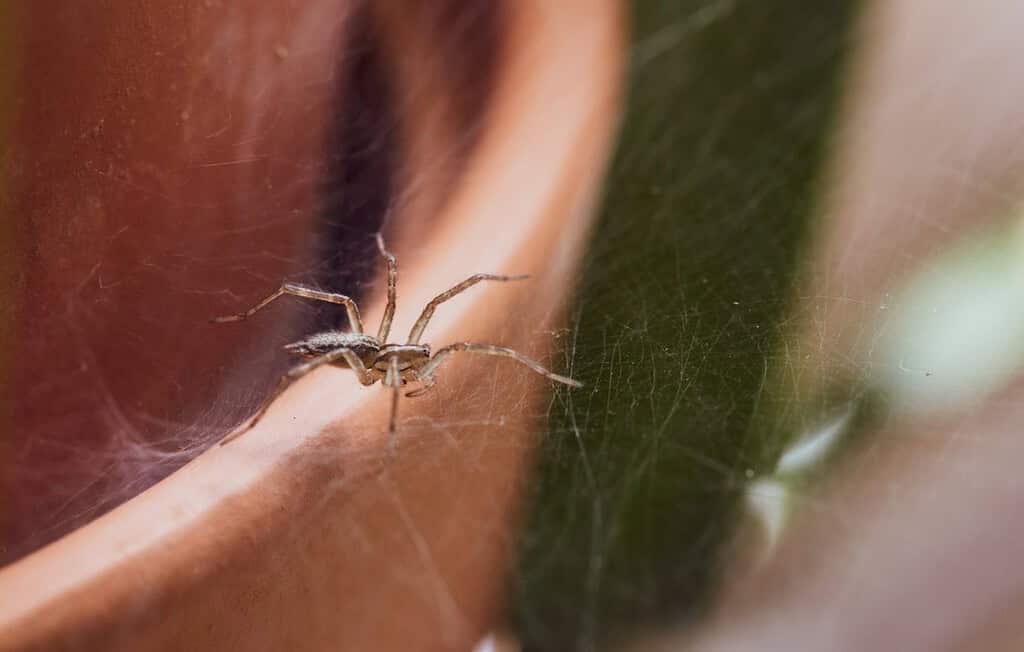
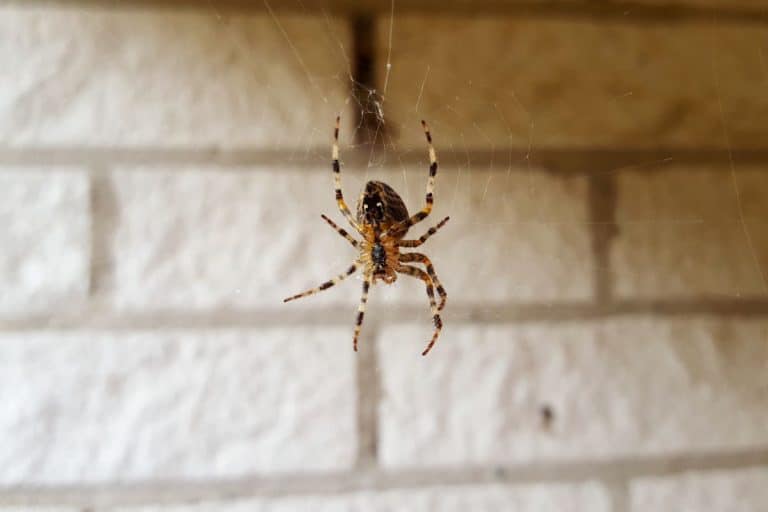
A spider makes its web on an indoor plant.
©Veronique Duplain/Shutterstock.com
Seeking A Mate
Fall aligns with many mating cycles, including one for spiders. Many species mate during the fall, which forces them to seek out a mate. This chase often leads them indoors, especially as the temperatures fall outside. Therefore, you’re not seeing more spiders; you’re seeing more active spiders.
Safe Space to Lay Eggs
It might not be something you want to think about, but spiders also wander indoors to lay eggs. While they strive for survival, protecting their eggs is at the forefront of their nature. Many spiders come indoors because houses provide a safe, warm place to leave egg sacs for the winter.
Spiders Are Natural Pest Control
It’s natural to fear spiders, and the media hasn’t done them any favors. From horror movies like “Arachnophobia” to sensationalized headlines about fatal spider bites, this fear is common. The best way to get over a fear rooted in myth is with the facts. The majority of spiders you find in your home are harmless. Except for black widows, hobo spiders, yellow sacs, and brown recluses, which are medically significant, the vast majority of spiders in North America are harmless to humans. Spiders can bite, but less than 1% of those bites result in serious injury or infection. It’s crucial to remember that spiders are like any other insect or animal, and typically don’t bite unless provoked. This is why the majority of incidents are from improper handling or not realizing a spider is nearby.
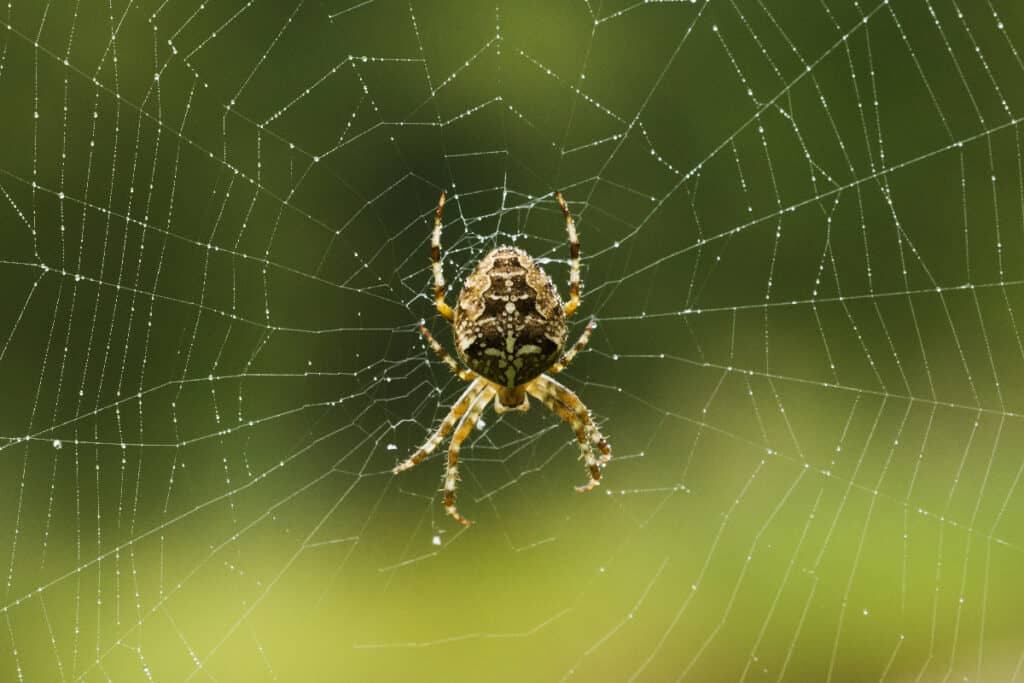
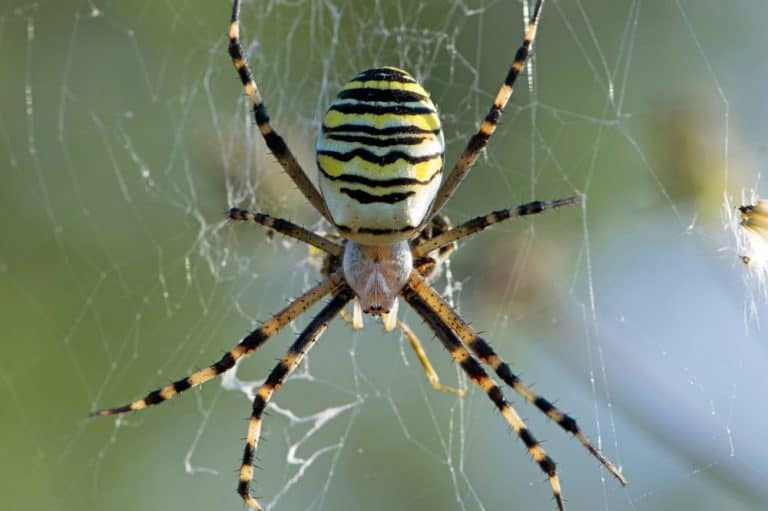
The orb weaver is a web-weaving spider that lives in wooded areas and around gardens and landscaping.
©iStock.com/mirceax
That being said, spiders do far more good than harm. Even in your home, their presence has the same effect as it would in your garden. For starters, they provide free, natural pest control. The actual pests, including flies, mosquitoes, earwigs, and cockroaches, are all food for spiders. If a spider has claimed the corner of a room, you can be sure that it’s also keeping that room free of flying pests. As a result, spiders may even be limiting the spread of disease. Some of these pests are carriers for unpleasant bacteria, which are eliminated once they become a spider’s meal. So, not only are spiders taking care of the problem, but they’re also a proactive measure against future issues.
A Spider Is An Indication of a Healthy Home
It’s easy to believe that any insect in your house means the house is dirty in some way. In reality, the opposite is true. No home is completely sealed against every tiny crack. Inevitably, bugs—including spiders—will find their way inside. Arachnids are capable of fitting into spaces much smaller than their own bodies. Thanks to a flexible exoskeleton and body compression, they always find a way indoors. However, it’s important to remember that spiders will only enter spaces they deem safe. Except for cellar spiders, many prefer drier environments.
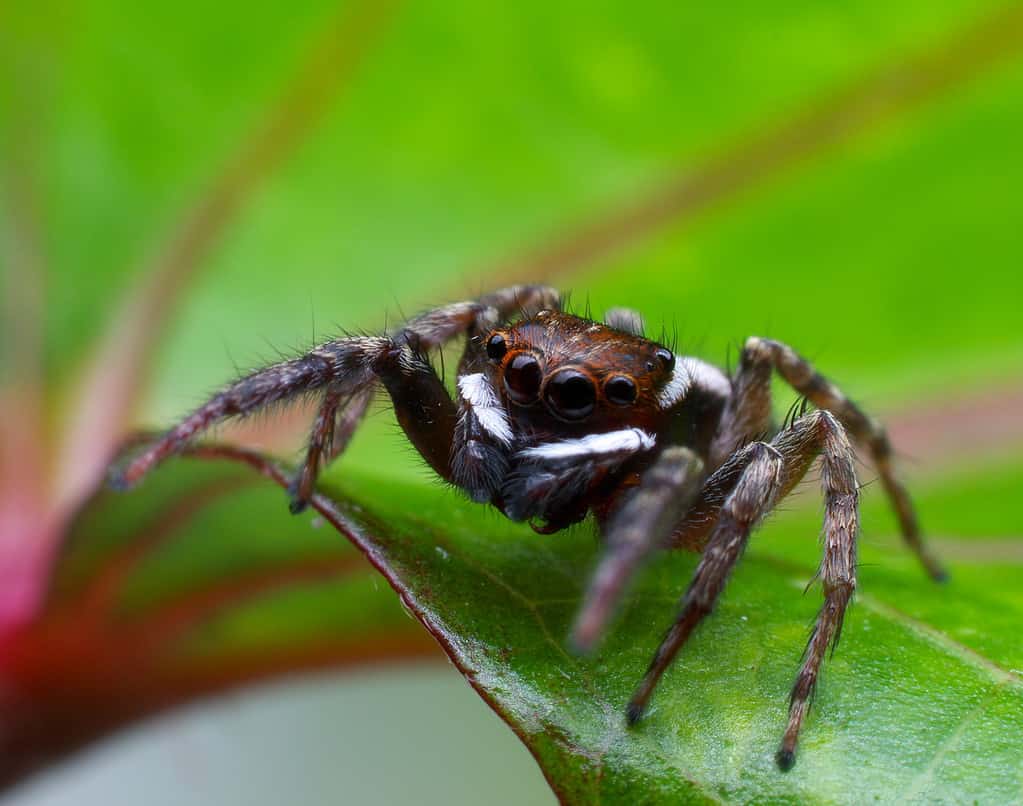
Hasarius adansoni (house jumping spider).
©Nhobgood Nick Hobgood, CC BY-SA 3.0, via Wikimedia Commons – Original / License
If you rarely see spiders or their webs in your basement, it could be a sign of excessive humidity or dampness, which may indicate a ventilation problem. This is how some people are tipped off about leaks or mold in their basements. Finding spider webs might be annoying, but it’s also a good sign that your house’s humidity and moisture levels are ideal.
Ensuring the Survival of the Species
Spiders are an essential part of our ecosystem around the world. Understandably, finding a nest with newly-laid eggs is cause for concern in most people. However, this can also be a good thing. Having hundreds of baby spiders hatch inside your home is not ideal, but you can help the species survive by relocating them. While removal depends on the type of spider and its egg sac, you can typically do this on your own.
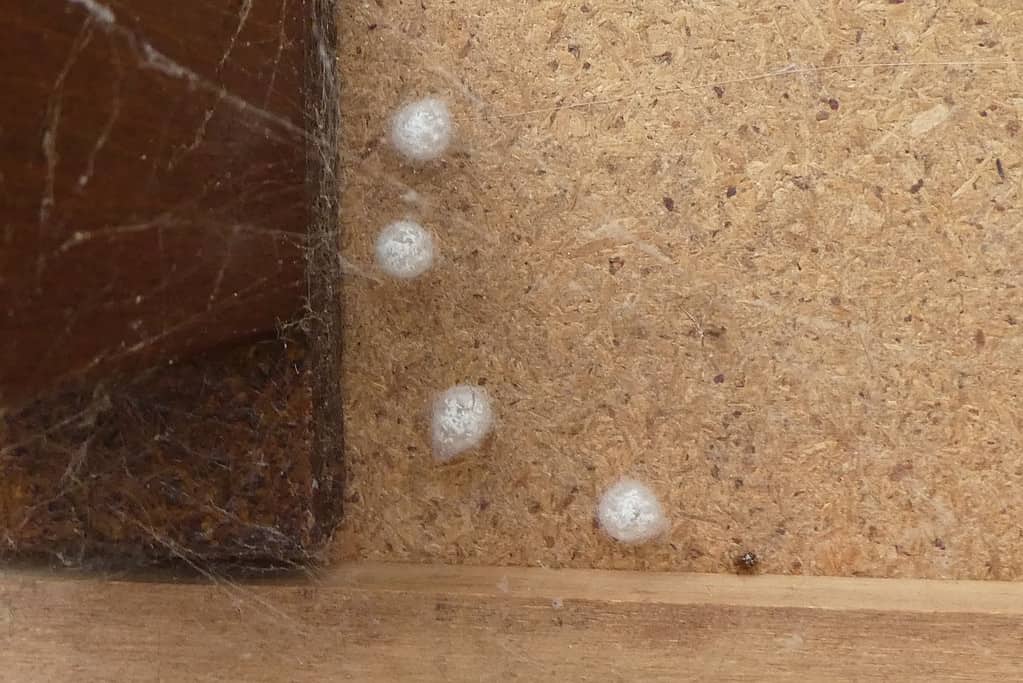
Spider egg pouches, found under furniture in the barn.
©non exclusif mes photos/iStock via Getty Images
If the egg sac is attached to a wall or window frame, carefully cut the thread that connects it. Then, place the egg sac into a container and move it to another warm, dry area. This could be a garage or a shed; basically, anywhere that’s hidden from predators and keeps the egg sac safe and free of moisture or extreme cold. If the spider is present with the egg sac, gently move her along with the sac to keep them together. Here are some reasons to relocate them, in case you’re still unconvinced:
- Ecosystem Balance: Spiders are an essential part of the food chain. They keep other insect populations under control, act as unintentional pollinators, and feed on unsavory pests.
- Attracting Predators: If you squash a spider, its carcass may become a feeding ground for other scavenging insects or arachnids.
- Outdoor Pest Control: Chowing down on mosquitoes is part of a spider’s job. By killing a family of spiders, you could be eliminating the only pest control your yard or garden has.
If You Really Don’t Want Spiders In Your Home
Sometimes, the fear of spiders is too intense, and that’s understandable. Perhaps you have a home with young children or the elderly, and don’t want any insects in your house. Whatever the case may be, there are ways to prevent spiders from coming inside during the fall. According to Environmental Pest Control, the spiders most typically seen indoors are house spiders (Tegenaria domestica), cellar spiders (Pholcidae), and orb weavers (Araneidae). All of these are harmless and are typically found in basements, attics, eaves, or window corners. Here’s how to keep them from getting inside:
- Seal Openings: Cracks and crevices in windows and doors are common points of entry. Vents, basement windows, or foundation cracks should also be sealed.
- Clean Up Clutter: Spiders typically seek out warm, dark hiding spots. This could mean anything from an open box to a pile of papers, and even shoes or clothing.
- Yard Clean-Up: Rock piles, stacks of wood or lumber, and leaf piles are all common hiding spots for spiders. If these are left untouched, spiders could make their way inside nearby doors or windows.
- Regular Cleaning: Dusty, forgotten spots around the house are perfect for spiders. They prefer undisturbed crevices; routine house cleaning can prevent any permanent spider settlements.
- Essential Oils: Peppermint oil is a strong deterrent against spiders. Using this around doorways and windows can help keep them away from potential openings.