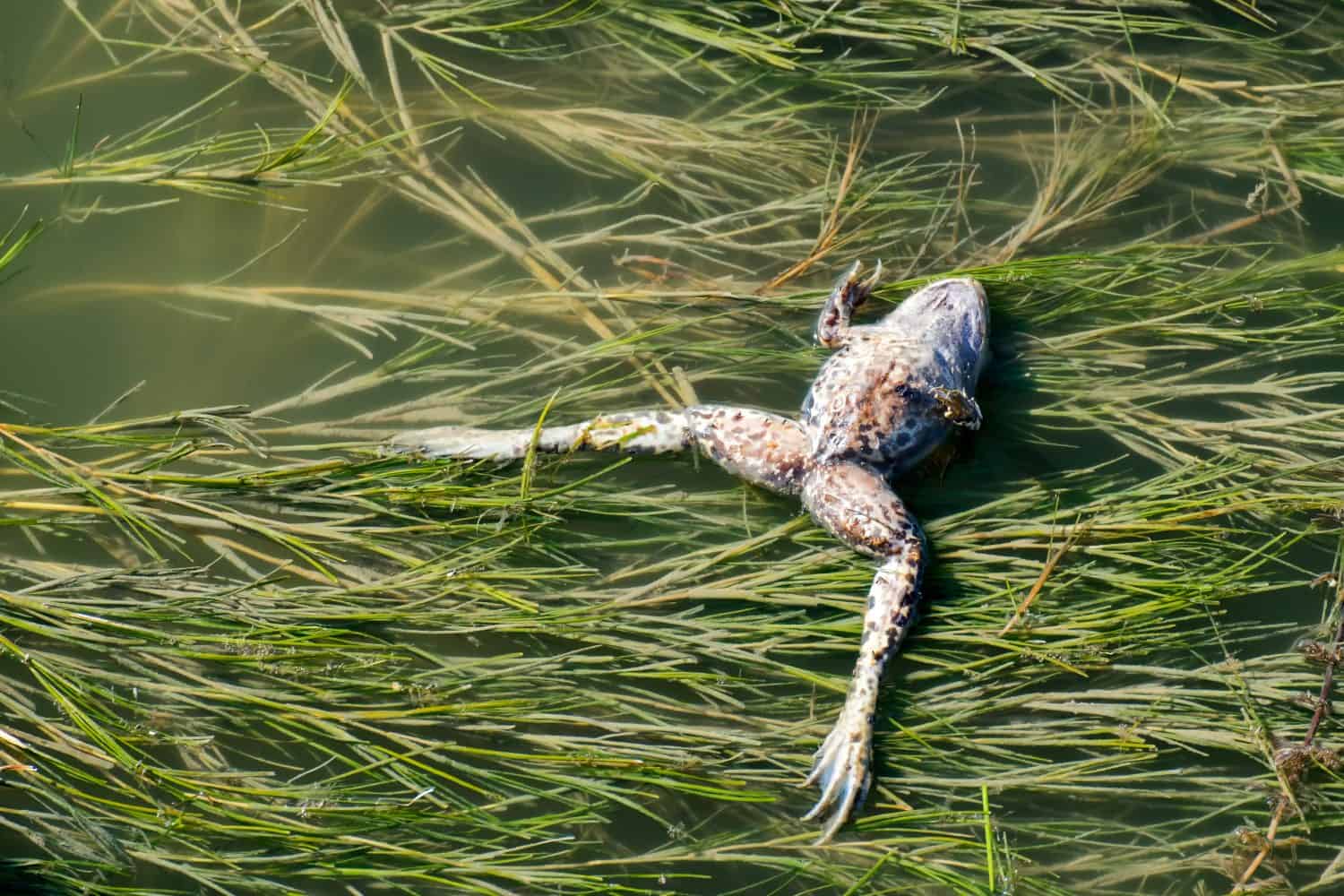

Quick Take
- Chytrid fungus has caused the decline of over 500 amphibian species and at least 90 presumed extinctions worldwide.
- The fungus attacks permeable skin, disrupting electrolyte balance and leading to fatal cardiac arrest in infected amphibians.
- Global trade in pets, food, and lab animals accelerated the pathogen’s spread across every inhabited continent.
Reality tends toward entropy, and nature craves balance. The methods behind these maddening processes aren’t pretty, either. Survival of the fittest means that even strong species are at risk of parasites, pathogens, and fungi, the latter of which is causing serious problems. Indeed, in recent decades, a particularly pernicious form of fungus has begun to threaten the global amphibian population. Meet Batrachochytrium dendrobatidis, one of the deadliest fungi operating on Earth today.
Also known as chytrid fungus, this organism was first determined to be a wildlife threat in the late 1990s. Since then, scientists have linked Batrachochytrium dendrobatidis (chytrid fungus) to the decline of over 500 amphibian species and the presumed extinction of at least 90 species. And the spreading fungi is not just confined to one region. Chytrid fungus has grown into a worldwide and catastrophic problem. As it tears through vulnerable amphibian populations, it reshapes entire ecosystems. Let’s learn more about how the growing global amphibian trade has led to one of the largest disease-driven biodiversity losses ever recorded.
Meet the Mycelium
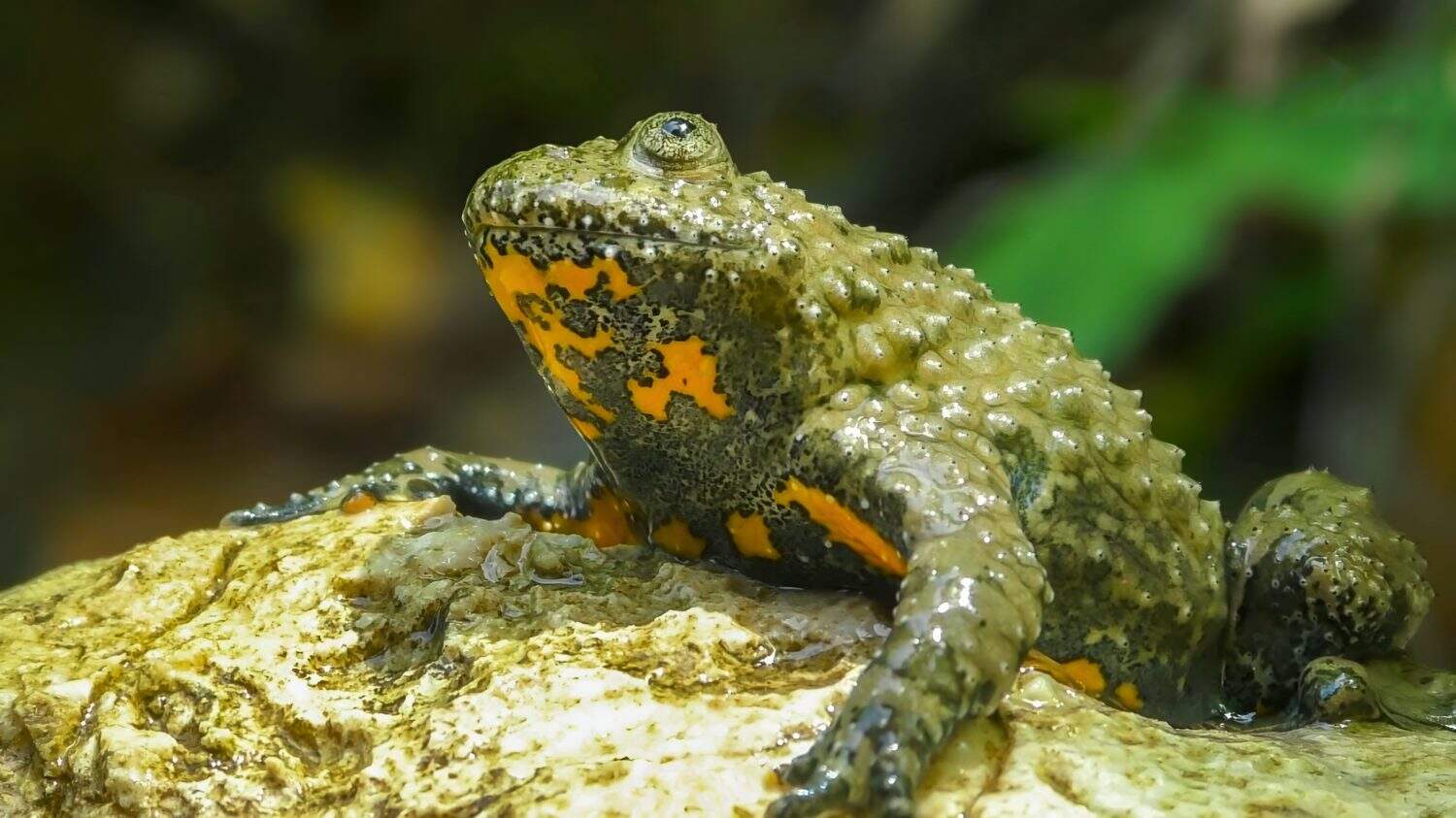
Batrachochytrium dendrobatidis is a fungus that attaches to amphibian skin, disrupting electrolyte balances and often resulting in fatal cardiac arrest for host species.
©Swaroop Pixs/Shutterstock.com
Chytrid fungus, also known as Batrachochytrium dendrobatidis (Bd), is a non-hyphal zoosporic fungus. It belongs to the phylum Chytridiomycota, a group known for decomposing organic matter. Whereas many fungi grow in thread-like filaments, the chytrid fungus features a two-stage life cycle starting with a motile zoospore and finishing with a reproductive zoosporangium. The zoospores feature a tail-like flagellum. This helps them swim through aquatic environments or through the moisture on an amphibian’s skin.
Once attached to a suitable host, zoospores transform into a zoosporangium. These reproductive spores embed themselves into the keratinized cells of the host’s skin, such as tadpole mouthparts or adult amphibian skin. Maturity brings dozens of new zoospores, which are released back into the environment to seek a new host or reinfect the same host. This creates a self-reinforcing infection pattern, one that has decimated certain amphibian populations and radically restructured ecosystems around the world.
The Nutrient Assassin
The reason Batrachochytrium dendrobatidis (Bd) is so lethal to amphibians is how it interacts with their skin. Amphibians have highly porous skin, which they use to breathe and regulate fluids. The fungus uses these openings as breach zones. Then it infects keratinized layers of skin, causing them to thicken and slough off.
In turn, it severely disrupts an amphibian’s ability to balance water, sodium, and potassium. Lacking proper electrolyte levels, the animal’s heart rate plummets, often leading to fatal cardiac arrest. By attacking the permeable skin of amphibians, the chytrid fungus makes even breathing a potentially fatal liability.
Economies (Catastrophes) of Scale

Globalization and its effect on various amphibian trades (science, pets, food) have resulted in the chytrid fungus spreading worldwide.
©Nicola Devecchi/Shutterstock.com
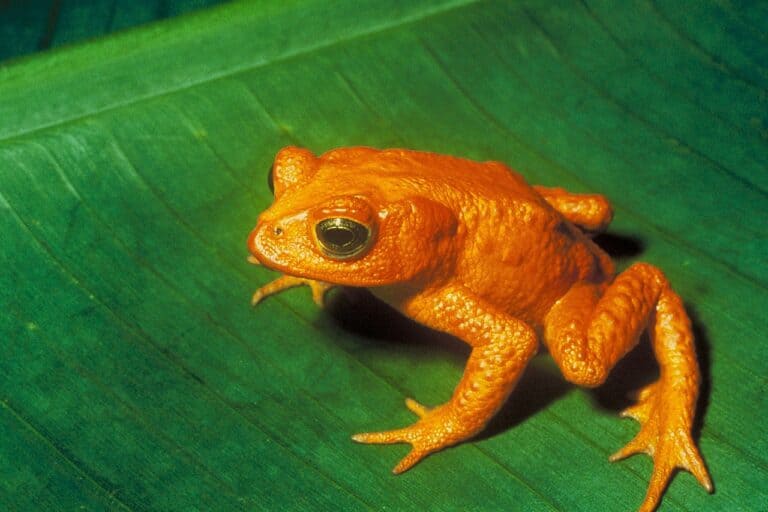
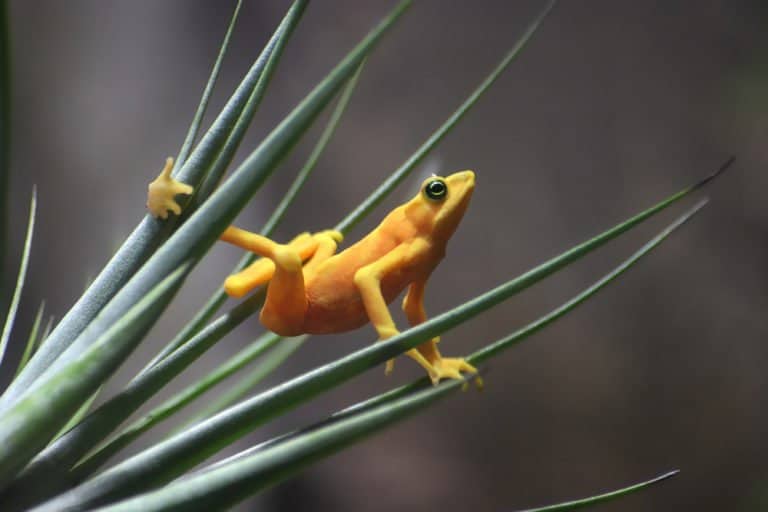
Different places have different problems, a dynamic evident in bacteria, parasites, and fungi. When it comes to the incendiary influence of Batrachochytrium dendrobatidis, places in Central and South America have suffered badly. The fungi hit Costa Rica hard, causing iconic species like the golden toad (Incilius periglenes) to disappear entirely. Australia’s rainforest, too, has seen a wave of extinction hit species like the Southern Gastric-brooding Frog. These regions often contain specialist species with limited ranges. This means they can’t migrate away from the fungal menace, resulting in decimation.
Deleterious decay in the form of fungus can be ignored when confined to a specific region; it’s an entirely different matter when it proliferates across the entire world. Globalization has its perks, to be sure, but it has also allowed previously quarantined problems to be exported worldwide. The 20th century saw the mass movement of certain amphibians for human purposes.
Bullfrogs are traded as food, other amphibians as pets, and specific species, like the African Clawed Frog, are traded for scientific research. However, shipping these amphibians across oceans resulted in the chytrid fungus being transported along with them—often to hospitals and laboratories. Once settled in a new place, this fungus can survive in water or on reservoir species until it finds suitable hosts.
Moving Forward
Since the 1990s, the Chytrid fungus has resulted in ecosystem disaster. The numbers say it all. Chytrid fungus has caused declines in over 500 amphibian species, including the presumed extinction of at least 90 species, which is roughly 6.5% of all amphibian species affected. Worse, it has been detected in over 60 countries. This has resulted in at least 124 amphibian species losing over 90% of their total population. Such damage brings forth trickle-down consequences. In Central America, for example, malaria cases surge due to the lack of frogs eating mosquitoes.
The global scientific and conservation community has pursued several strategies to combat this fungal menace, each with different results. Captive breeding programs seek to maintain populations in secure labs. Biosecurity in the form of stricter regulations is being implemented in some places to prevent fungal strain mutation and proliferation. Interestingly, in some localized cases, researchers have successfully treated tadpoles by washing them in antifungal baths.
The effectiveness of these strategies remains to be seen. Regardless, the spread of chytrid fungus illustrates the consequences of global interconnectedness for the sake of commerce, not conservation.