
Quick Take
- Scientists nearly gave up two days before making one of the most emotional wildlife rediscoveries in modern history. See the last-minute find →
- Local villagers kept telling stories about a bird that scientists had written off as extinct, and as it turned out, the villagers were right. How local knowledge led the way →
- The researcher who finally saw it described the feeling not as triumph but as confronting something mythical, and his reaction was caught on video. Watch the team's reaction →
- This bird hasn't been seen since 1882, and it looks like nothing else alive today, a fact that only deepens the mystery of how it survived. Discover this ancient-looking bird →
In 2022, a quiet corner of Papua New Guinea witnessed a moment that shifted the course of conservation science. On Fergusson Island, researchers and local villagers teamed up in a last, determined search for a bird that had eluded humanity for generations: the black-naped pheasant-pigeon, or “Auwo” as it’s known to the islanders.
This rare, ground-dwelling bird had last been seen back in 1882. For 140 years, there were no confirmed sightings, no calls, no feathers, no footprints, prompting many to believe it was lost forever. Yet the local community kept telling stories. They believed the Auwo was still out there, and their knowledge became vital in guiding the search.
One Last Try, and an Unthinkable Discovery
The research team, led by Jordan Boersma from the Cornell Lab of Ornithology along with John C. Mittermeier, director of the American Bird Conservancy’s Search for Lost Birds Program, had been scouring Fergusson Island for weeks with little luck. As their month-long expedition drew to a close, hope was fading. But just two days before departure, one of their camera traps delivered an image that rewrote the bird’s story.
What followed was captured on video: local biologist Doka Nason is seen leaping with unrestrained joy, while both Boersma and Nason audibly repeat “Auwo” in disbelief. Later, Boersma said seeing the bird felt like being “confronted by an image of a mythical creature.” For Mittermeier, it was “the kind of moment you dream about your entire life as a conservationist and birdwatcher.” The footage, shared online, soon went viral, spreading excitement well beyond Papua New Guinea.
The Unusual Beauty of a Lost Bird
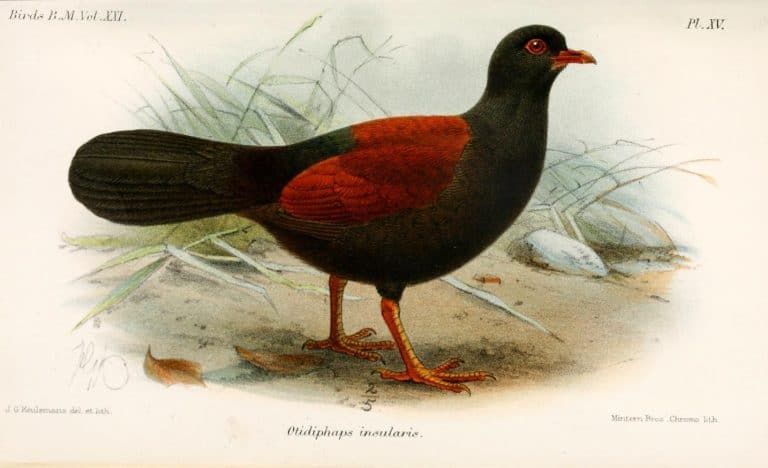
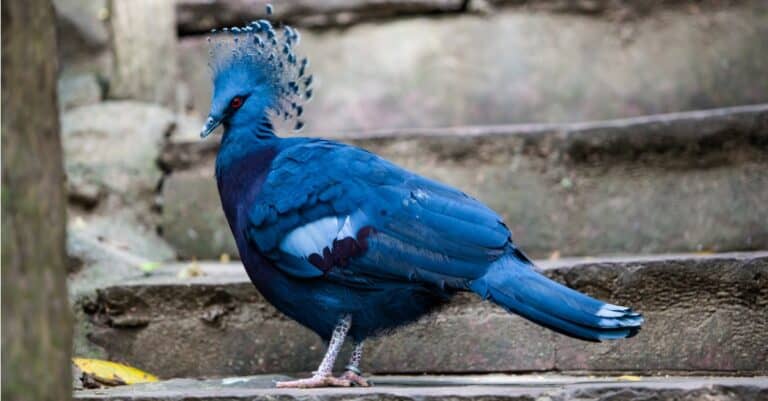
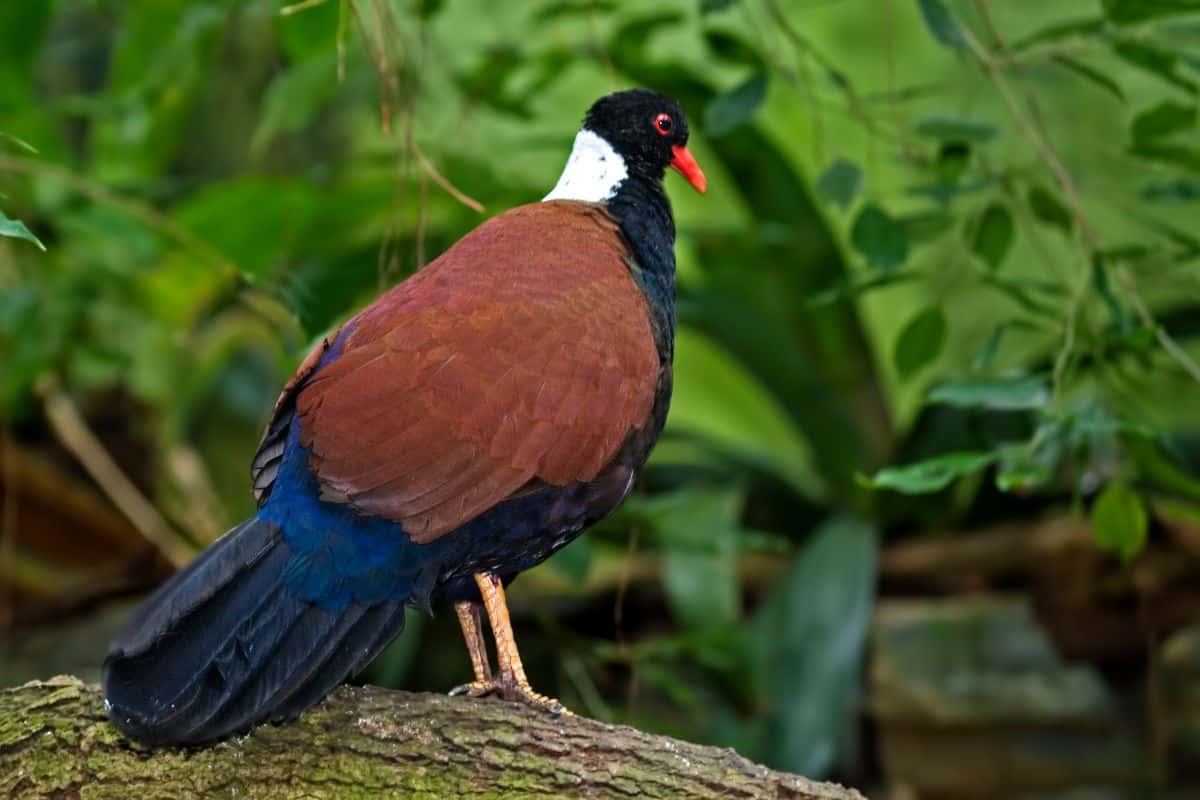
The black-naped pheasant-pigeon (Otidiphaps insularis) is a striking creature, bearing bronze, green, and black feathers with a vividly dark nape. Though closely related to pigeons and doves, it stands out for its pheasant-like form, including a flattened, bobbing tail and strong legs built for roaming the forest floor.
Its peculiar mix of traits, and the sheer length of its absence, made its rediscovery feel almost unreal. For the people of Fergusson Island, the continued existence of Auwo is far more than an ornithological triumph; it is a symbol of their natural heritage and the vital connection between Indigenous communities and endemic wildlife.
Searching for More Than Lost Birds
This wasn’t the first time the Search for Lost Birds team had tracked down a species thought vanished. In 2026, they played a role in the astonishing rediscovery of the blue-fronted lorikeet, a small parrot native to Buru in Indonesia, unseen for a full century. These successes keep hope alive for other “mythical” animals thought to have faded into history.
The rediscovery of the black-naped pheasant-pigeon is a testament not only to persistence and scientific determination but also to the importance of listening to local knowledge and forging partnerships with those who know the land best. While the world celebrates a bird brought back from the shadows, the moment also underlines a deeper truth: nature’s most remarkable secrets sometimes wait just beyond view, holding out until we are ready to see them again.