
Quick Take
- Analyzing 46 distinct coastal martens required sampling across ancestral lands at 4,600 feet of elevation.
- A 50% canopy cover threshold creates a critical geographical constraint for these threatened mammals.
- Updated distribution data provide a challenge to the long-held extinction consensus of the 20th century.
- Deploying 285 hair snares was necessary to secure genetic data without using invasive tracking.
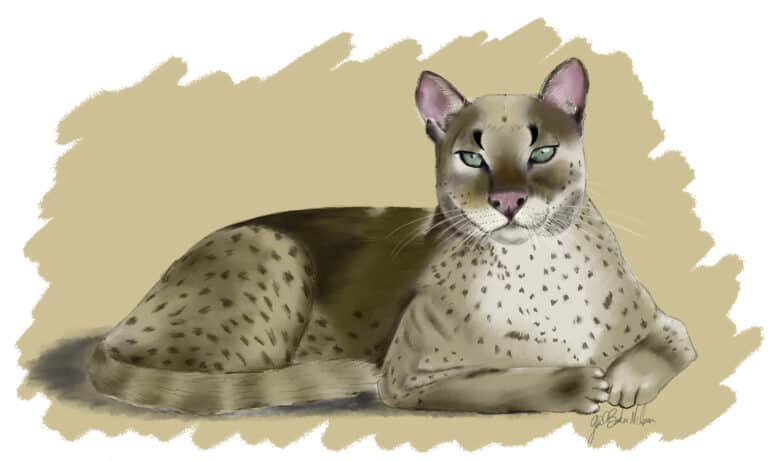
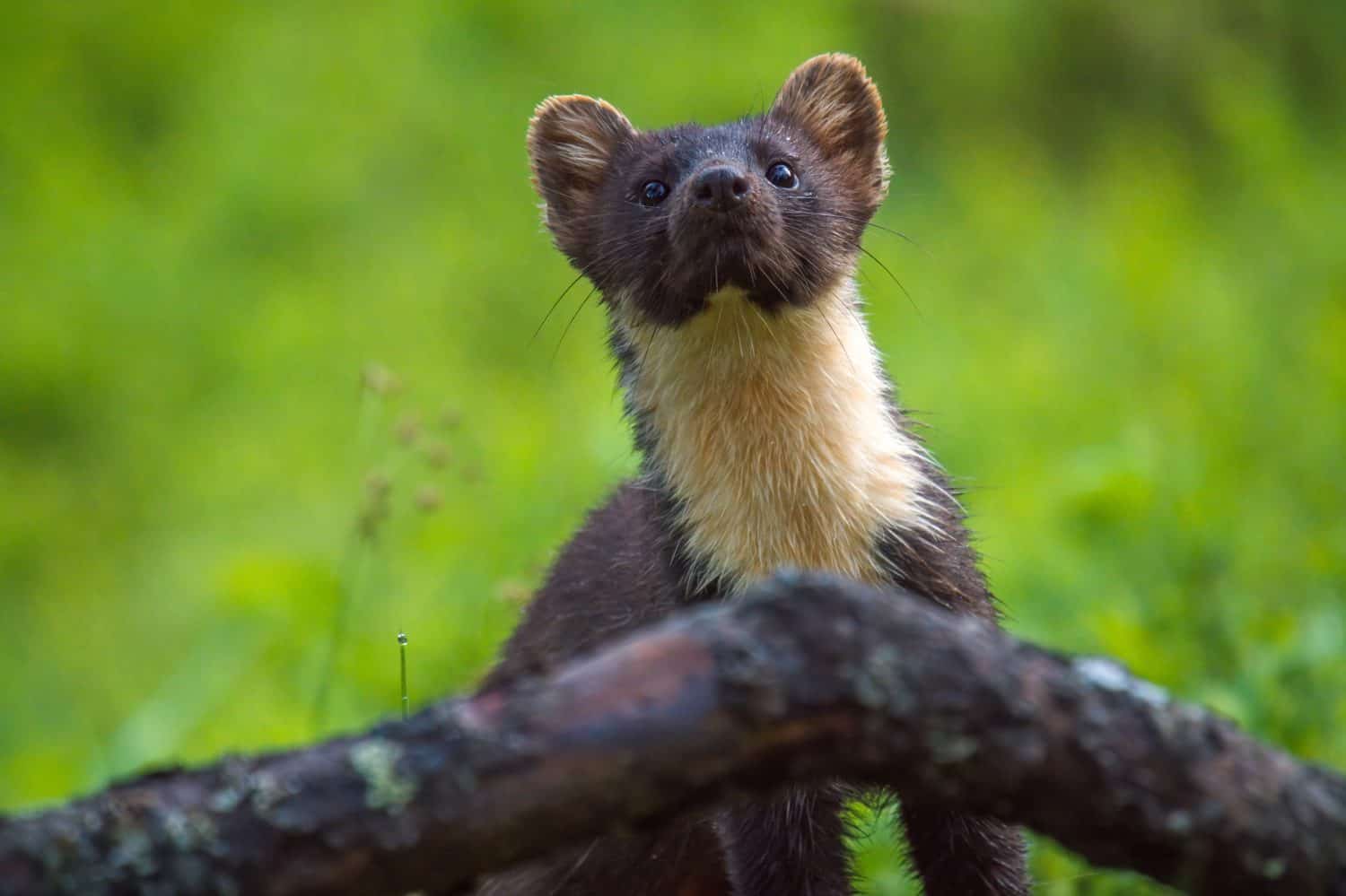
Just when you think you have a good idea of the mammals that live in North America, another one appears and forces you to update your internal list. Take the coastal marten, for example. Also called the Humboldt marten, this tiny, adorable mammal looks like a cross between a dog and a cat. Once thought to be extinct in much of its range, a recent study on the coast of northern California confirmed the presence of dozens of coastal martens, though the species remains highly threatened and its population is still very small.
The coastal marten is officially listed as threatened under the U.S. Endangered Species Act. However, this study shows that even small populations of vulnerable animals can persist through challenging conditions. Let’s learn more about this little-known North American mammal and what conservationists can do to make sure it survives another century.
Adorable Animals
Overall, this creature is not well-known to people in North America. However, residents of the Pacific Northwest have long considered coastal martens to be among the most adorable animals in the region. With an appearance similar to a weasel and closely related genetics, coastal martens remain one of the least-understood animals in the Pacific Northwest.
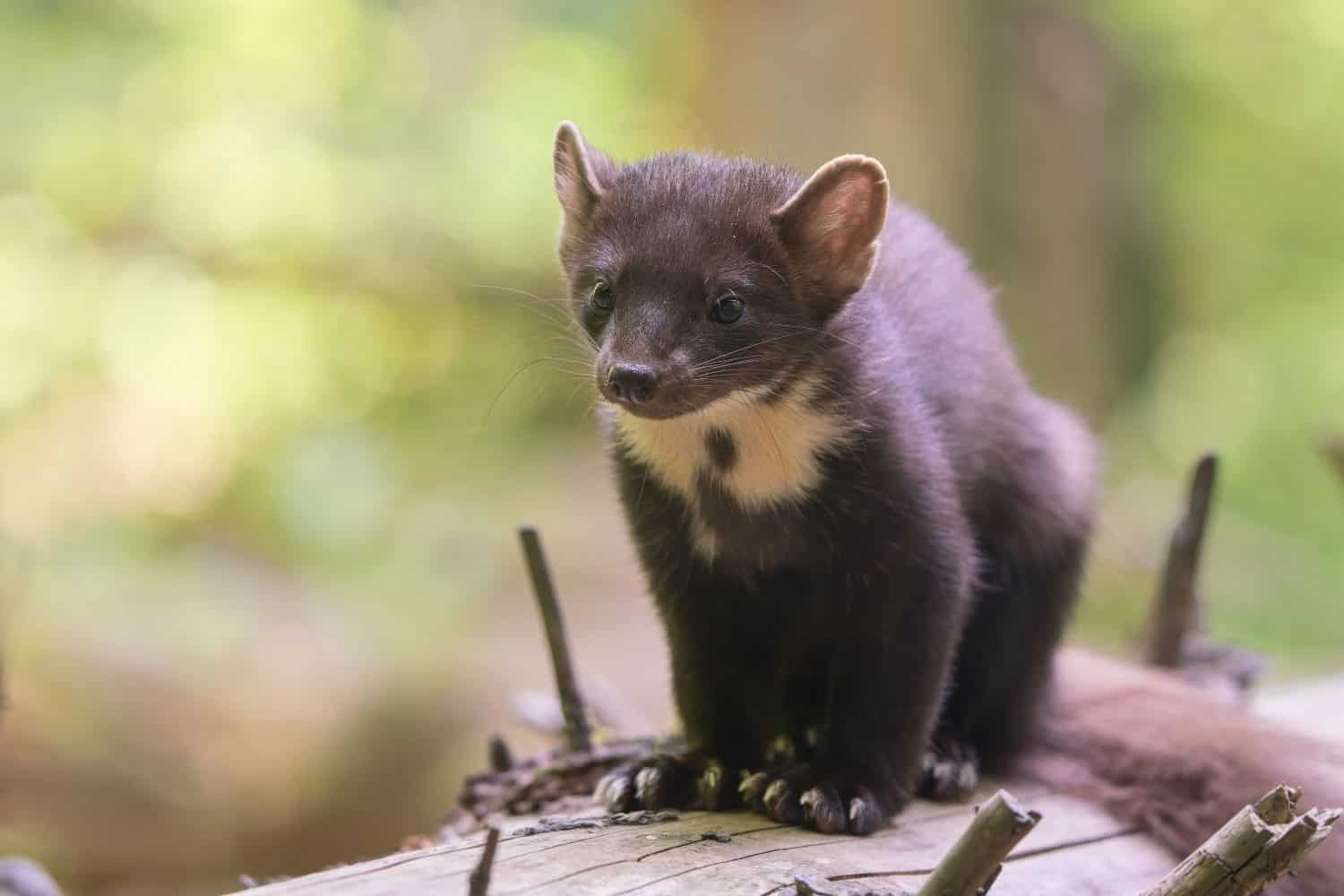
Coastal martens belong to the same family as weasels and badgers.
©Monika Surzin/Shutterstock.com
They are members of the family Mustelidae and are a subspecies of the Pacific marten (Martes caurina). Once a relatively common species in the region, the coastal marten population dropped dramatically during the 19th and 20th centuries due to fur trapping. This, combined with logging, nearly brought coastal martens to the edge of extinction.
Indeed, the popular consensus was that these coastal martens were extinct. That was until a U.S. Forest Service biologist found a small population in the coastal woods of northern California in 1996. A new study from researchers at Oregon State University has provided updated information on the current distribution and habitat of coastal martens, but the population remains small and at risk.
Ancestral Lands
The study, published in Global Ecology and Conservation, is entitled “Landscape conditions and elevation interact to influence the distribution and density of state-endangered Humboldt martens.” To complete the research, OSU researchers partnered with multiple organizations, including Cal Poly Humboldt and the University of Wisconsin-Madison.
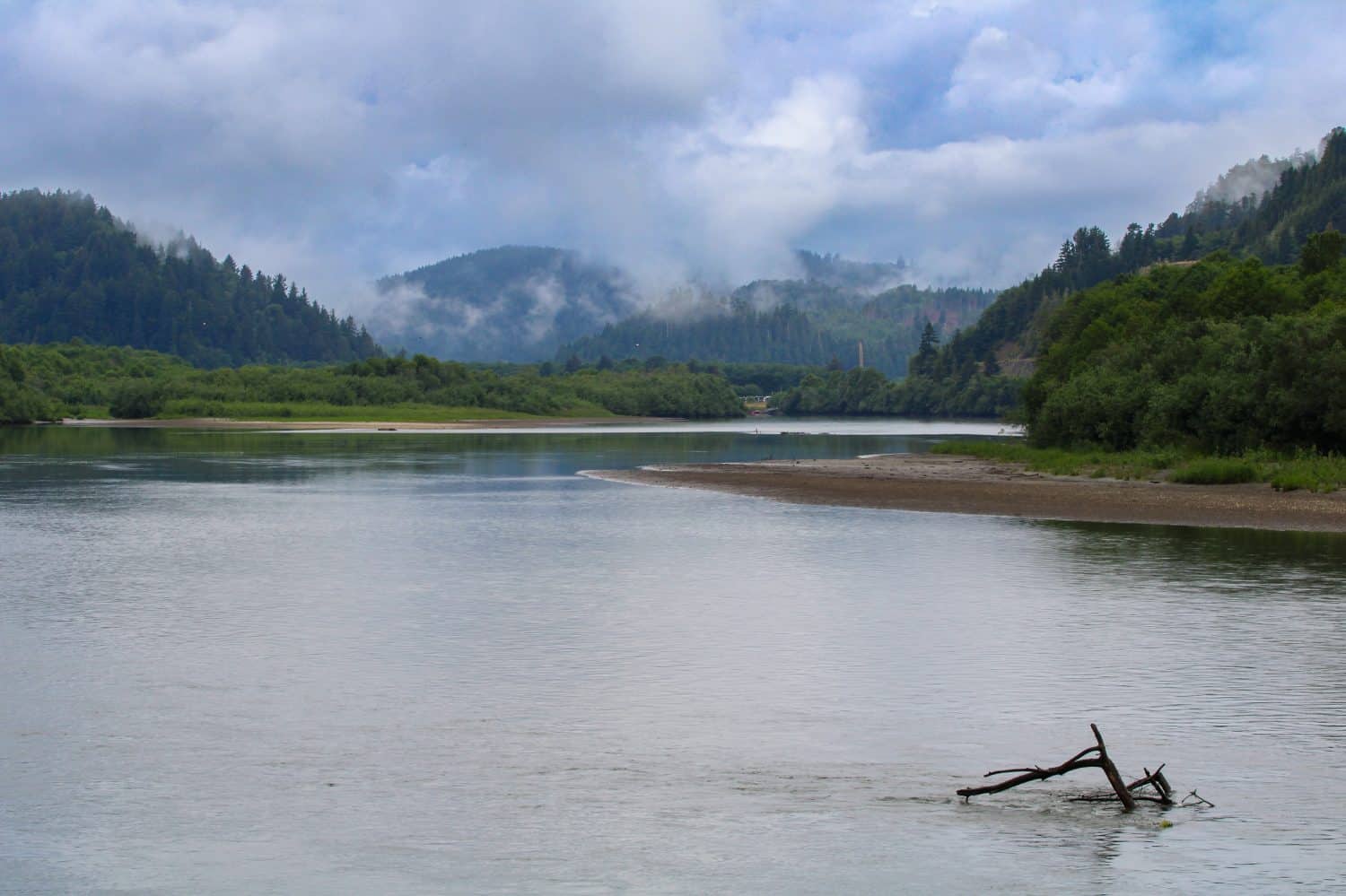
The study area included land owned by the Yurok Tribe.
©Eric Heroux/Shutterstock.com
The area of study included the ancestral lands of the Yurok and Karuk tribes at elevations between 100 and 4,600 feet. This land included areas managed by the U.S. Forest Service, the Yurok Tribe, and the Green Diamond Resource Company. More specifically, the Yurok Tribe owns one-third of the area that researchers studied, which it uses for plant and wildlife habitat restoration, conservation of cultural resources, and timber harvesting.
Green Diamond Resource Company owns one-fifth of the study area. The Forest Service manages the rest, which it uses for watershed restoration, recreation, timber harvesting, and cattle grazing. Despite being extirpated from approximately 95% of its historical distribution between northern California and the Oregon coast, researchers found a small but highly vulnerable population of coastal martens.
Non-Invasive Insight
Instead of tracking down potential coastal martens on foot, scientists gathered their data using less intrusive techniques. They set up 285 hair snares made of PVC pipe and 135 cameras throughout the area. They conducted this work in collaboration with scientists from a wide variety of agencies. These included the California Department of Fish and Wildlife, the Yurok Tribe, Green Diamond, the National Council for Air and Stream Improvement, and the National Genomics Center for Wildlife and Fish Conservation.
OSU faculty research assistant Erika Anderson led the study under the direction of OSU wildlife ecologist Sean Matthews. Anderson said, “Martens tend to select forest stands with greater than 50% canopy cover and lots of large-diameter trees, snags, and hollow logs… But despite continued conservation concern over the last 30 years, we have a lot to learn about marten distribution and demography, and how forest conditions influence their distribution and density.
“Martens tend to select forest stands with greater than 50% canopy cover and lots of large-diameter trees, snags, and hollow logs,” said OSU faculty research assistant Erika Anderson, who led the study under Matthews’s direction. “…But despite continued conservation concern over the last 30 years, we have a lot to learn about marten distribution and demography and how forest conditions influence their distribution and density.”
Rigorous Results
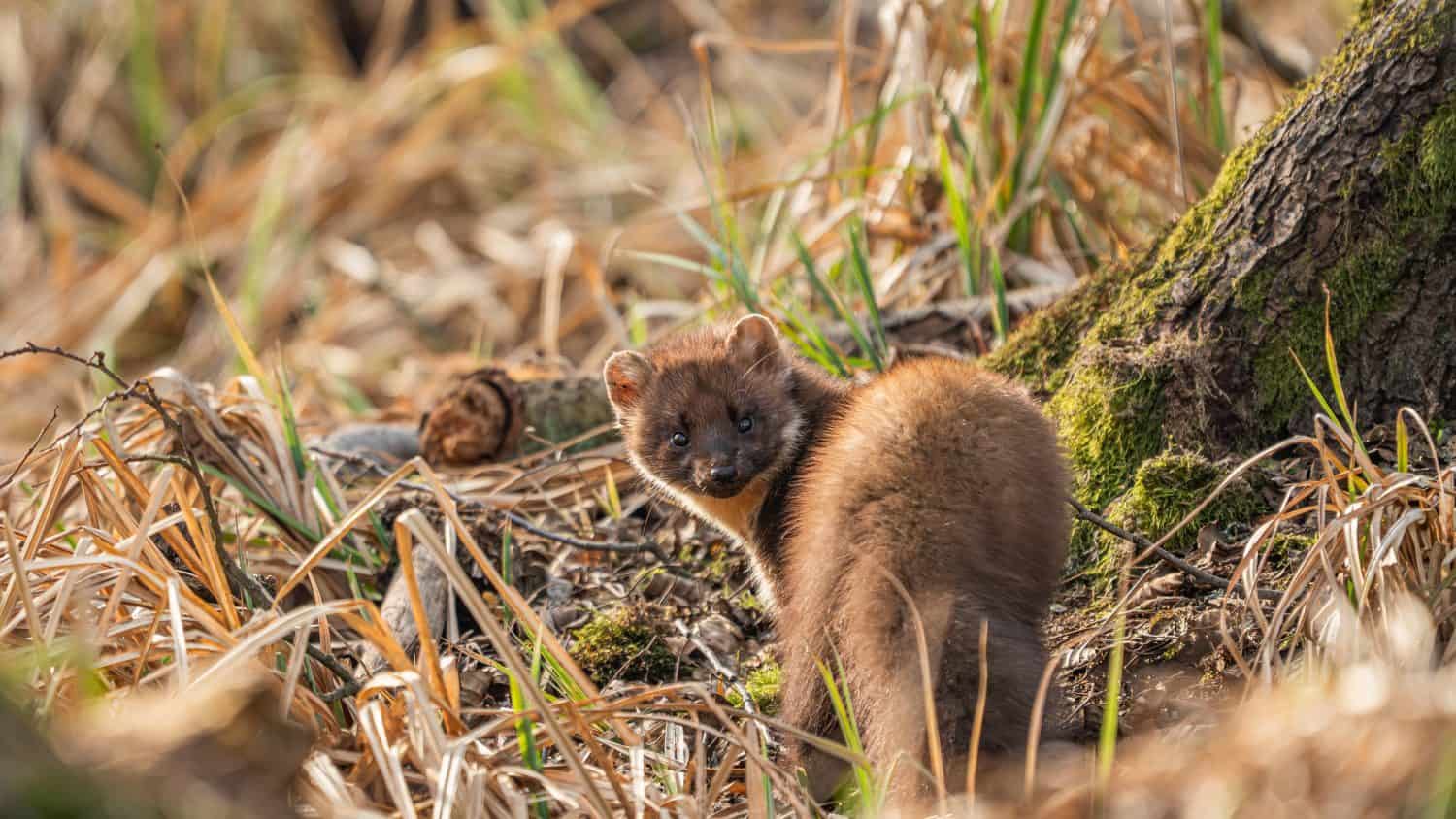
This new research helps inform future conservation and land management decisions in areas where coastal martens live.
©matt_wiszniewski/Shutterstock.com
For the study, the research team genetically analyzed hair from 46 different coastal martens—28 males and 18 females. They found martens throughout the study area. However, the animals were most numerous at high elevations along forested ridgetops with regular winter snowpack. At lower elevations, researchers found martens in ravines and riparian areas within coastal forests.
These results provide important information for future conservation and land management decisions. Because many different agencies and organizations manage the land in the study area, understanding marten distribution can help protect the species from further harm or local extinction. Ultimately, the findings show that coastal martens prefer forests with old-growth characteristics—the type of forests most affected by climate change and destructive forest management practices.
According to OSU wildlife ecologist Sean Matthews, this study is a step in the right direction. “Beyond that,” he said, “there’s a lot we don’t know about this species, including information as basic as which forests coastal martens still occupy, how many martens there are, and whether these populations are increasing.”