
Quick Take
- Great White Shark populations are stabilizing or increasing in parts of their U.S. range thanks to protection and healthy marine mammal populations.
- American Alligator populations exceed 1.3 million in Florida and 2 million in Louisiana, yet attacks remain uncommon
- Mountain Lion population estimates range from 20,000 to 40,000 nationwide.
- Read on to discover which species is hailed as a major conservation success.
From ocean surf to mountain forest, the United States is home to animals that trigger deep fear in many people. Sharks, bears, big cats, snakes, and large reptiles often carry reputations as relentless killers. Movies, headlines, and folklore have helped shape these ideas for decades. The truth is far less extreme. Attacks do happen, but they are uncommon when measured against how many people share space with these animals each year. This article examines several of the most feared animals in the United States: where they live, how many there are left, the risks they pose, and their long-term outlook. Understanding reality replaces panic with respect and knowledge.
Great White Shark (Carcharodon carcharias)
The great white shark sits near the top of many people’s fear lists, especially for those who spend time in coastal waters. In the United States, this species is most often found off California, along parts of the Northeast, and less frequently in the Southeast. These areas often support seals and sea lions, which make up a large portion of the shark’s diet. Great whites prefer cooler, productive waters and tend to patrol coastal zones near haul-out sites used by marine mammals.

The population of great white sharks is stable or increasing in parts of their U.S. range.
©Aquabluedreams/Shutterstock.com
Worldwide data show that great whites are responsible for more fatal unprovoked shark attacks than any other single shark species. Even so, fatal shark attacks in the United States remain very rare. On average, the country records about one shark-related death every two years, and many of those incidents involve species other than great whites. Most encounters with white sharks involve a single bite followed by release, often believed to be a case of mistaken identity involving surfers or swimmers.
In U.S. waters, great white sharks are protected from commercial fishing. Their populations declined heavily during the twentieth century due to targeted fishing and bycatch. Evidence from tagging studies and regional surveys suggests numbers are now stable or increasing in parts of their range. Continued protection and healthy marine mammal populations remain key to their recovery.
American Alligator (Alligator mississippiensis)
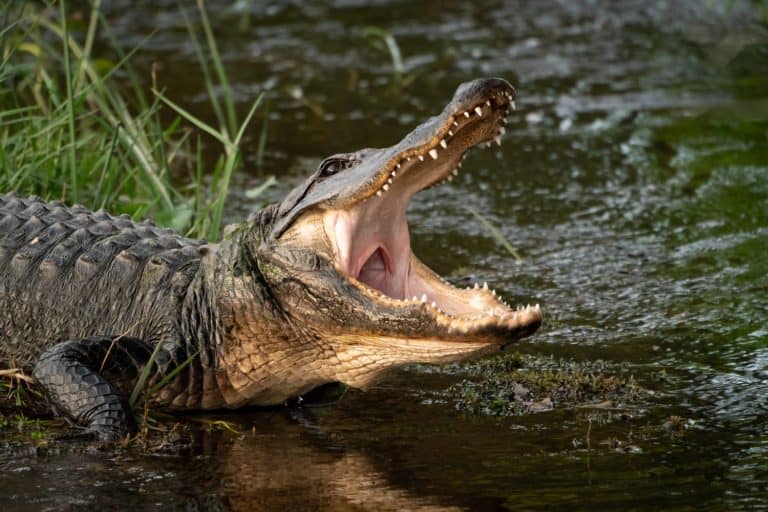
The American alligator is closely associated with wetlands of the southeastern United States and is often viewed with fear by people who live nearby. Its natural range stretches from coastal North Carolina south through Florida and west to eastern Texas. Alligators thrive in freshwater swamps, marshes, lakes, rivers, and slow-moving bayous. They are highly adaptable and often live near human development.
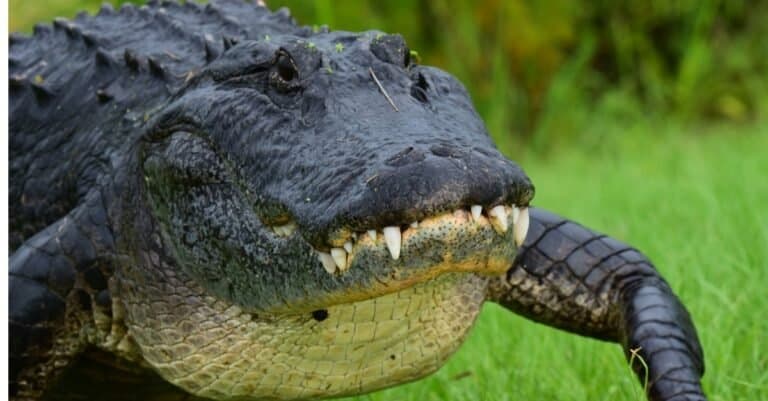
Alligator populations exceed 1.3 million in Florida and 2 million in Louisiana. Because people and alligators frequently share waterways, sightings are common. Attacks, however, remain uncommon compared to the number of encounters. When serious bites do occur, investigations often reveal that people were swimming in known alligator habitats during low-light hours, or were feeding or harassing the animals. Feeding is especially risky because it teaches alligators to associate humans with food.
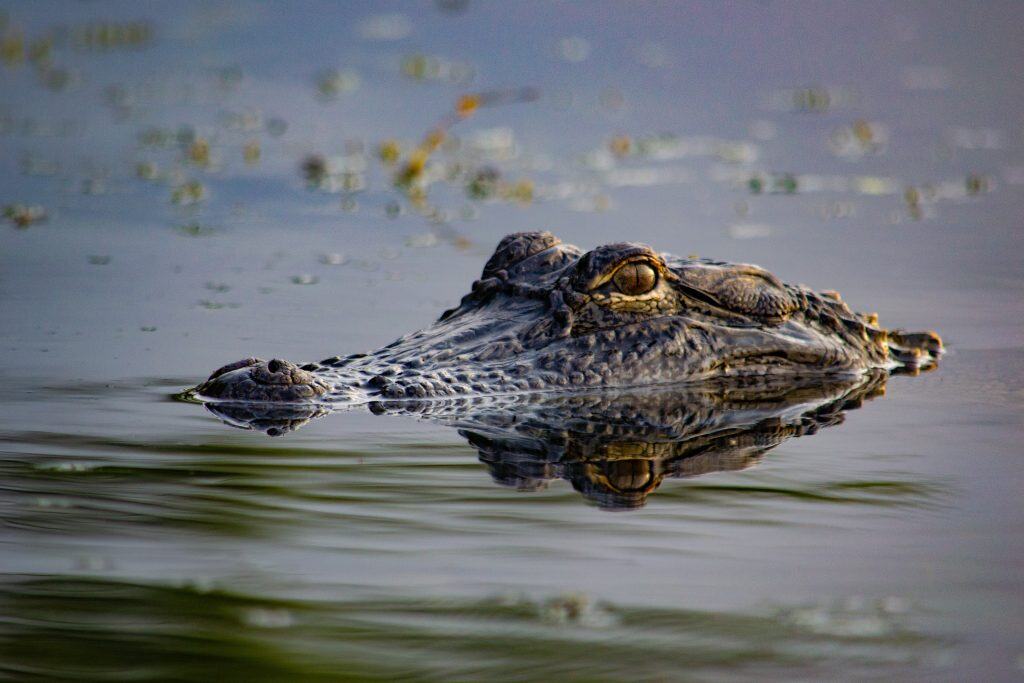
An American alligator lying in ambush in Black Bayou National Reserve, Louisiana.
©SomervilleArts/Shutterstock.com
American alligators were once pushed close to extinction due to intense hunting for hides. Federal protection under endangered species laws allowed populations to rebound strongly. Today, the species is considered a major conservation success. Regulated harvest programs operate in several states to manage population levels while maintaining healthy numbers.
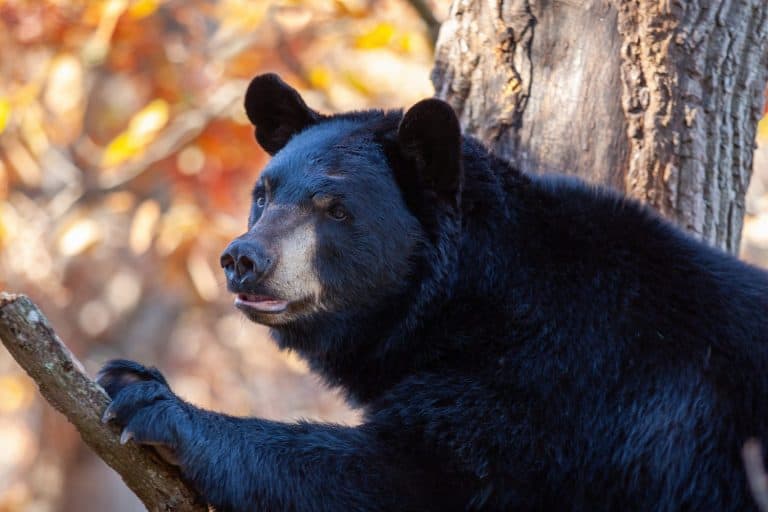
American Black Bear (Ursus americanus)
The American black bear is the most widespread bear species in North America, and the one most Americans are likely to encounter. In the United States, black bears live across Alaska, the Appalachian Mountains, the Great Lakes region, the Rocky Mountains, the Pacific Northwest, and parts of the South. They prefer forested habitats but are highly flexible and can survive near towns and rural neighborhoods.
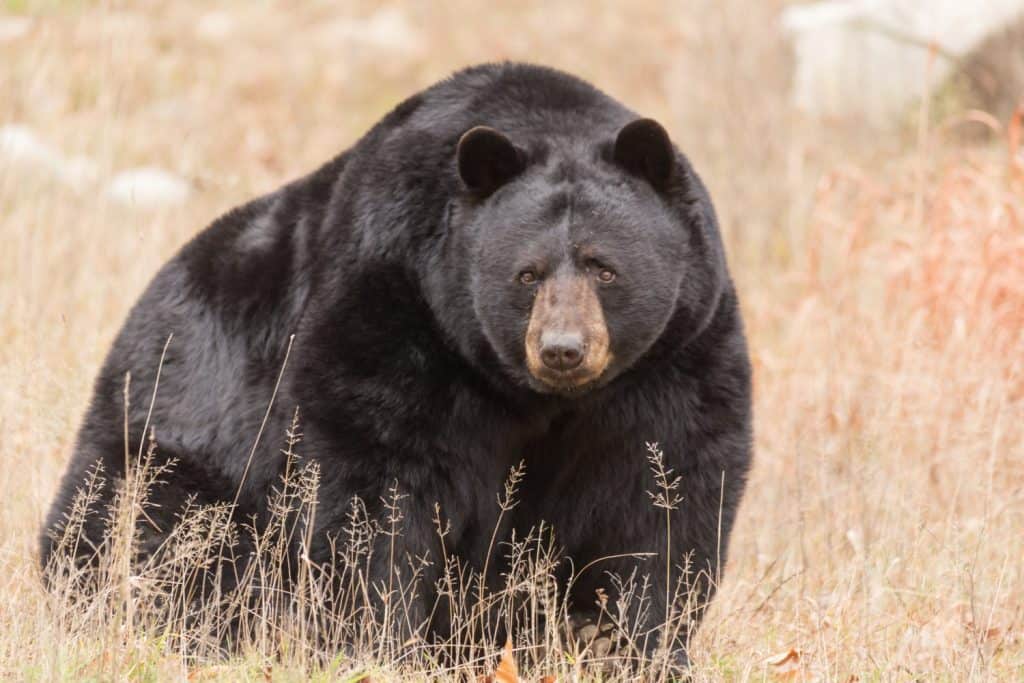
Black bears can become dangerous to people when they learn to associate humans with food.
©Josef Pittner/Shutterstock.com
Current estimates place the U.S. black bear population between roughly 430,000 and 500,000 individuals. Despite their size and strength, fatal black bear attacks on humans are very rare. Most conflicts involve bears that have learned to seek food from human sources. Trash cans, bird feeders, pet food, and campsites are frequent attractants. Wildlife agencies stress that proper food storage and waste management are the most effective ways to prevent conflicts with bears. In backcountry areas, carrying bear spray has been shown to reduce injury risk during close encounters.
Globally, black bears are listed as a species of least concern. Many U.S. populations are stable or increasing. Local declines still occur due to vehicle collisions, development, and habitat fragmentation, but overall numbers remain strong.
Mountain Lion (Puma concolor)
Mountain lions, also called cougars or pumas, are the largest wild cats still widely distributed in the continental United States. Today, they primarily occupy western states such as California, Colorado, Montana, Arizona, New Mexico, Utah, Oregon, and Washington. Texas supports a smaller population, while Florida is home to the endangered Florida panther, a regional form of the species.
Estimates suggest there are roughly 20,000 to 40,000 mountain lions in the United States. States like California and Colorado each support several thousand individuals. These cats rely heavily on deer as prey and favor rugged terrain, forests, and brushy landscapes that provide cover.

Mountain lion attacks are rare but have sometimes happened to joggers, hikers, or children.
©The Len/Shutterstock.com
Attacks on humans are extremely uncommon, though they tend to receive intense media attention. Most mountain lions avoid people whenever possible. Documented attacks often involve children or solitary runners in low-visibility areas. Wildlife agencies recommend facing the animal, maintaining eye contact, appearing larger, and backing away slowly. Running is discouraged because it may trigger a chase response. If an attack occurs, fighting back has proven effective in many cases.
Mountain lions are not considered endangered across most of their range. Still, many populations face ongoing pressure from habitat loss, vehicle strikes, and conflicts related to livestock. Long-term survival depends on maintaining large connected habitats.
Venomous Snakes in the United States
Venomous snakes inspire strong fear, yet they cause fewer deaths than many people assume. In the United States, an estimated 7,000 to 8,000 venomous snakebites occur each year. Only about five result in death, largely due to modern medical treatment and effective antivenoms.
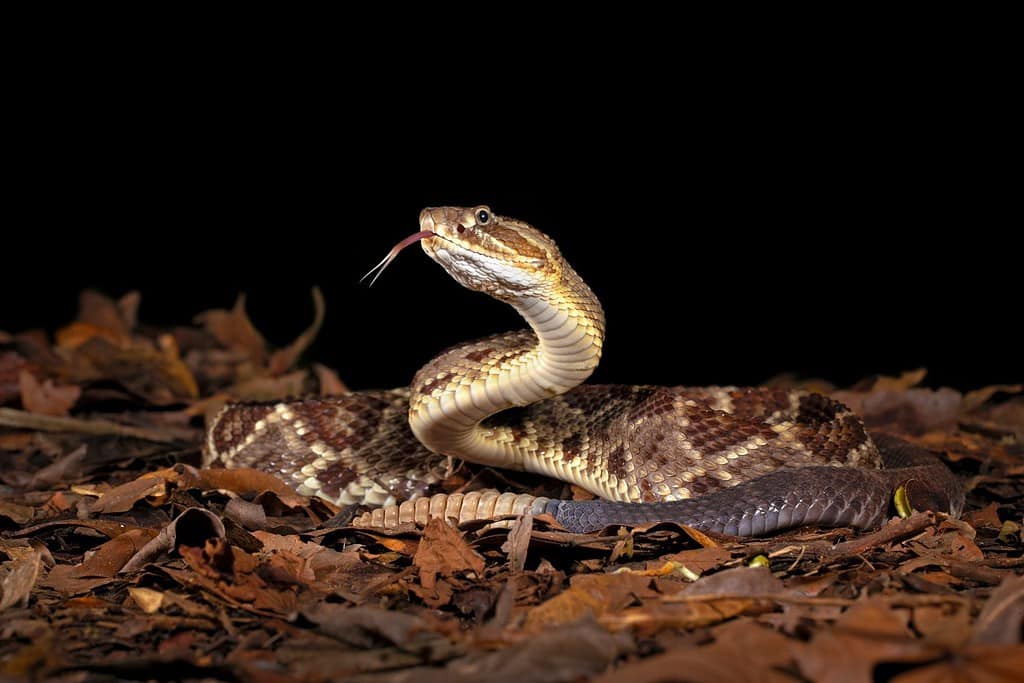
Rattlesnakes are one of the most feared snakes in North America.
©Milan Zygmunt/Shutterstock.com
Most serious bites come from pit vipers. This group includes rattlesnakes, copperheads, and cottonmouths. These snakes live across much of the South, the West, and parts of the Midwest. Coral snakes occur in more limited areas of the Southeast and the desert Southwest. Their venom is potent, but bites are rare because these snakes are reclusive.
Many bites happen when people attempt to handle or kill snakes, or when someone accidentally steps on one. Outdoor workers and hikers face a higher risk in snake habitat. Health officials advise wearing protective footwear, watching hand placement, and avoiding tall grass or rocky crevices. After any suspected venomous bite, it is essential to seek immediate medical care. Traditional home remedies are ineffective and dangerous. While feared, venomous snakes play a vital role in controlling rodent populations. Their presence supports balanced ecosystems and reduces the spread of rodent-borne diseases.
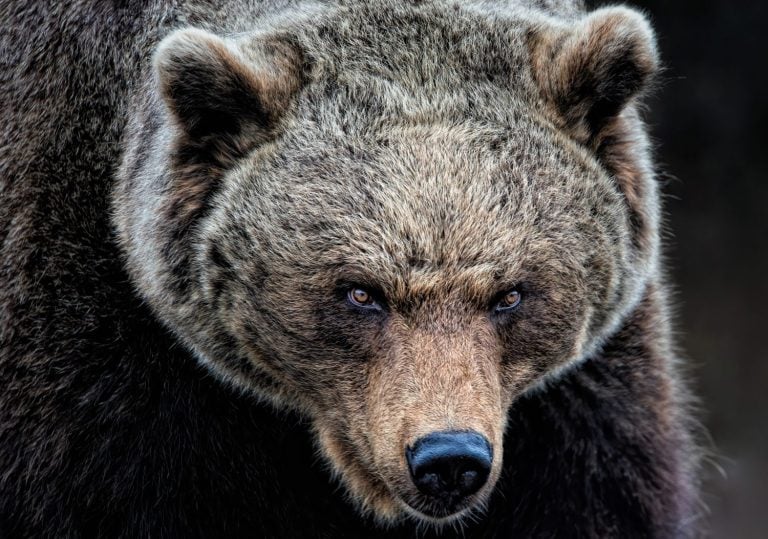
Grizzly Bear (Ursus arctos horribilis)
The grizzly bear, a subspecies of the brown bear, represents one of the most powerful land predators in North America. In the lower 48 states, grizzlies now survive mainly in the Northern Rocky Mountains. Key populations live in the Greater Yellowstone Ecosystem and the region surrounding Glacier National Park. These areas span parts of Wyoming, Montana, and Idaho.
Total grizzly numbers in the lower 48 are estimated in the low thousands. This is a small fraction of their historic range, which once covered much of the western United States. Habitat loss, hunting, and conflict with humans led to dramatic declines by the early twentieth century.
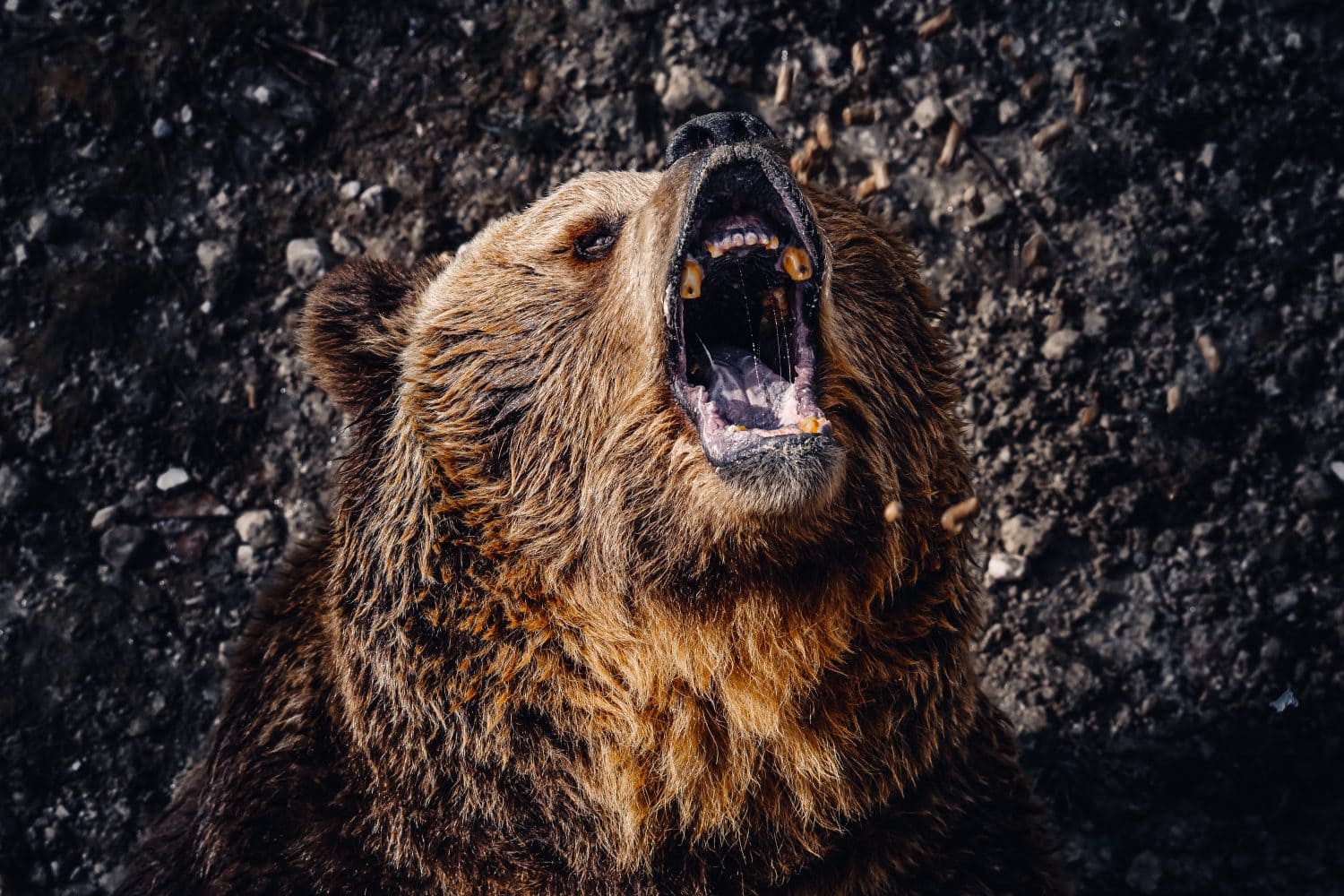
Grizzlies are larger and more defensive than black bears. Encounters are most dangerous when bears are surprised at close range, protecting cubs, or guarding food sources. Even so, fatal attacks remain rare considering the millions of visitors who enter the grizzly habitat each year.
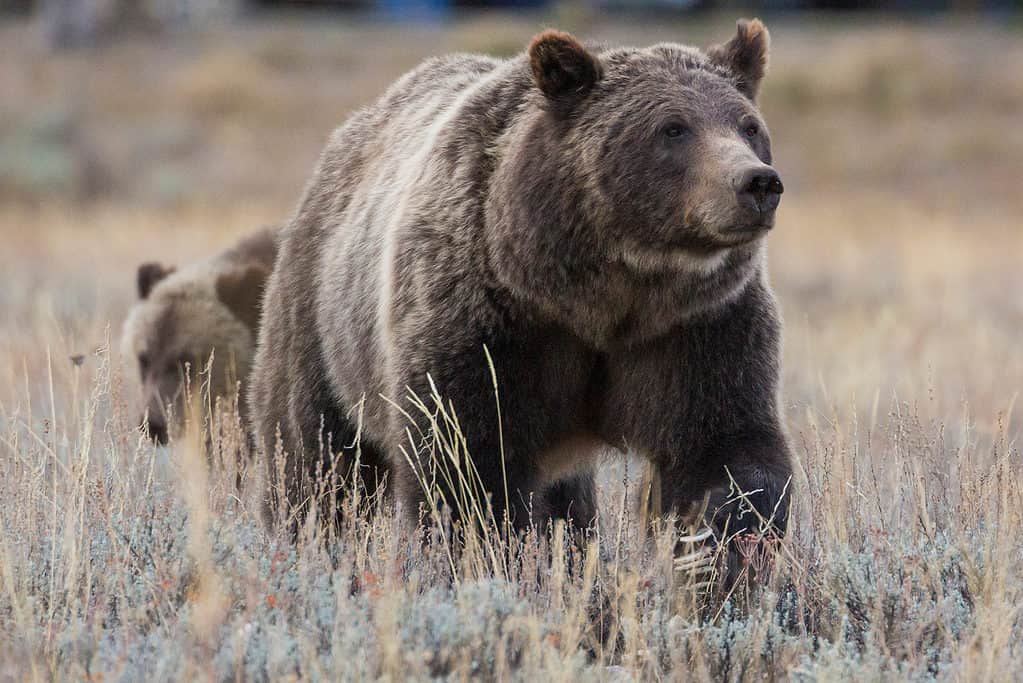
Grizzly bears are often most dangerous when protecting cubs.
©BlueBarronPhoto/Shutterstock.com
Wildlife agencies emphasize carrying bear spray, hiking in groups, making noise in dense vegetation, and securing food properly. These steps reduce surprise encounters and discourage bears from associating campsites with food. Grizzlies remain listed as threatened in the lower 48, and management decisions continue to spark debate among conservationists, local communities, and ranchers.
Fear, Respect, and Sharing Wild Spaces
The animals people fear most in the United States are often large predators or venomous species. Statistics show that deadly encounters with these animals are far less common than popular culture suggests. In many cases, humans pose greater danger to wildlife through habitat destruction, vehicle collisions, pollution, and illegal killing.
Learning how these animals behave and where they live allows people to act safely and responsibly. Simple steps, such as securing food, keeping distance, and respecting warning signs, reduce risk for everyone involved. Fear fades when replaced with understanding.
As people continue to hike, swim, camp, and explore, coexistence remains possible. Sharks, bears, big cats, snakes, and alligators are part of the nation’s natural heritage. Respect, not panic, offers the best path forward for people and wildlife alike.