
The planet is on the precipice of the sixth mass extinction event. Unlike previous mass extinctions caused by natural events such as asteroid collisions, volcanic activity, and climate change, the current extinction event is driven solely by human activity. However, if action is taken, the tide can turn. Protecting just 1.2% of Earth’s land—specifically the most biodiverse and threatened areas—could prevent many extinctions. The question is whether mankind is willing to make sacrifices to allow vulnerable species to survive.
Conserving a Small Area Could Have a Big Impact

According to scientists, the bulk of the land that needs to be conserved is tropical forests.
©ODM/Shutterstock.com
What if protecting a small percentage of the Earth could stop the sixth mass extinction event in its tracks? This is precisely what scientists are proposing be done to stop tens of thousands of species from going extinct by the end of the century.
According to a 2024 study published in Frontiers in Science, if just 1.2% of the world’s land were conserved, it could be enough to keep the planet from heading in the direction it did during the time of the dinosaurs. It is not just any portion of Earth that needs to be conserved, however. Scientists state that the most biodiverse regions are those that require conservation.
Areas designated as Conservation Imperative are home to some of the largest and most important species of plants and animals. The majority of these areas, specifically 75%, fall within tropical forests. Over 16,800 sites have been identified recently as requiring conservation to prevent vulnerable species from going extinct. In the past five years, though, only 7% of the land conserved includes these sites.
Far more of these regions should have already been conserved. At United Nations conferences focused on planetary health and conservation, agreements have been made to protect vulnerable species and their habitats.. However, as things currently stand, the United Nations’ goals are far from being achieved.
The United Nations’ “30 By 30” Agreement Has Fallen Short
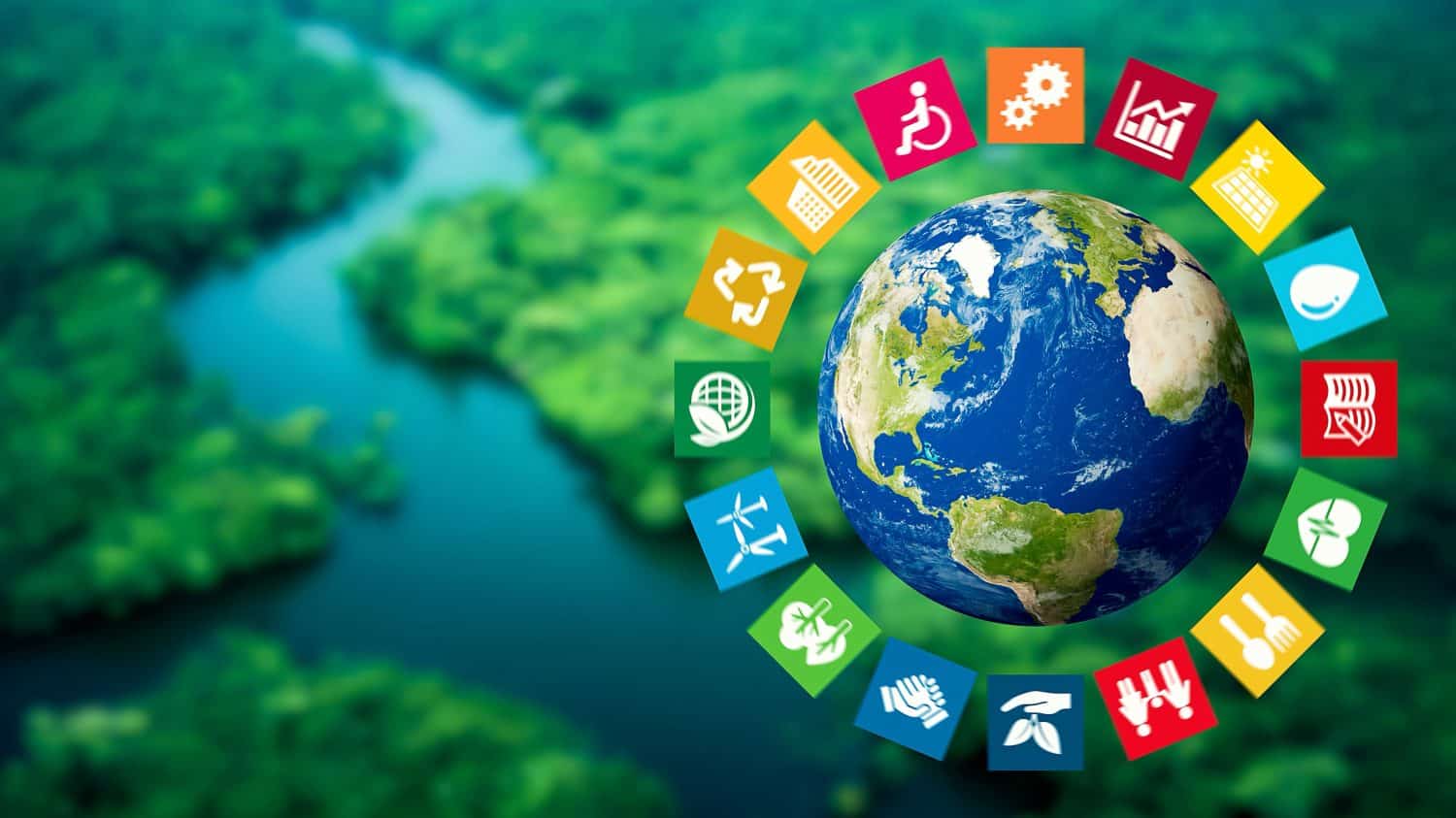
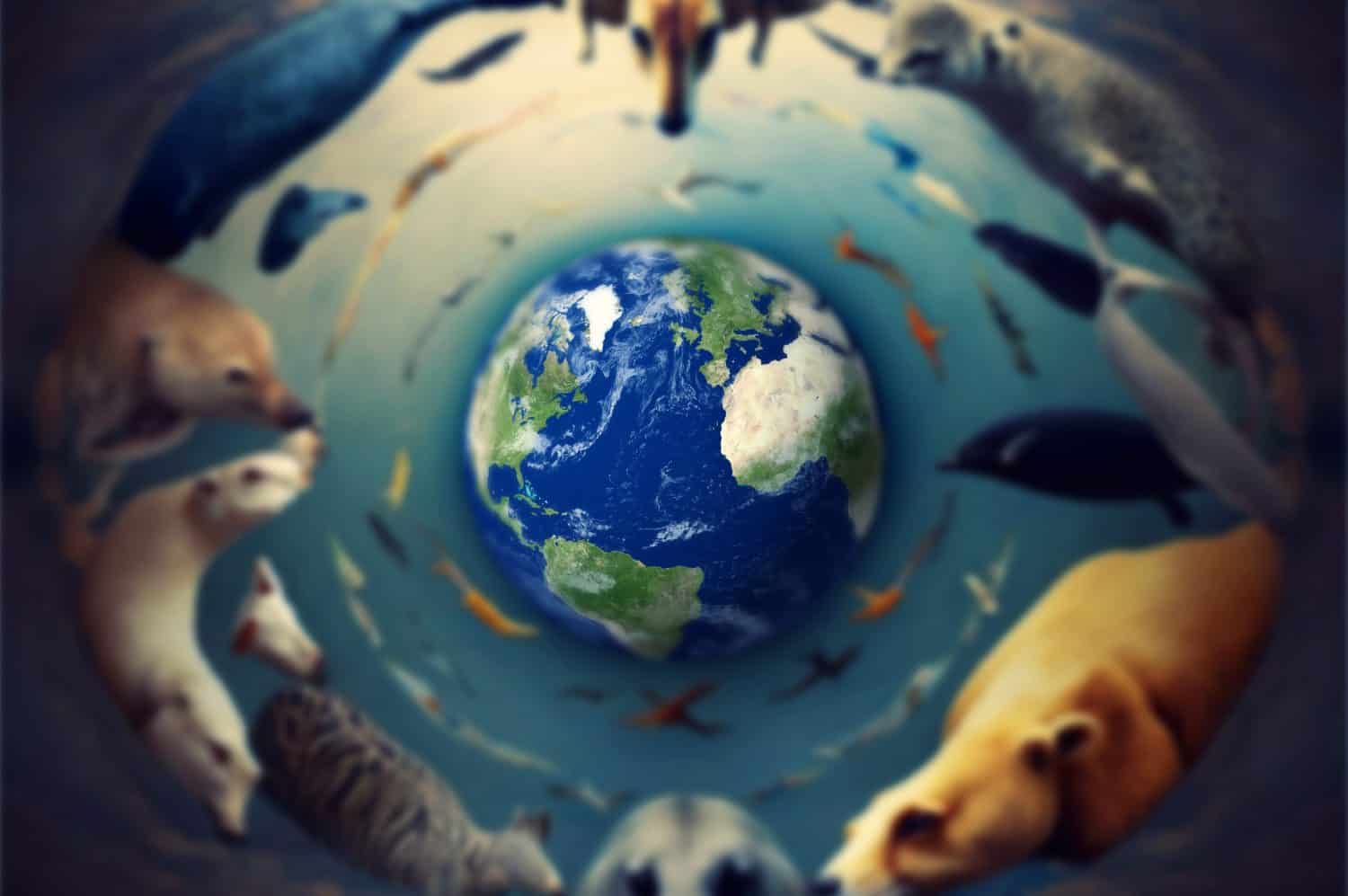
Nearly 200 countries agreed to protect 30% of the planet by 2030 under a United Nations-facilitated agreement.
©metamorworks/Shutterstock.com
In 2022, the United Nations facilitated a historic agreement regarding the planet. Nearly 200 countries (except for the United States and the Vatican) signed the “30 by 30” agreement, an agreement that calls for 30% of the planet to be protected by 2030.
As part of the agreement, 30% of the planet was to be protected, 30% of the coastal, marine, and terrestrial regions damaged were to be restored, and $500 billion in programs that exhaust natural resources were to be reformed. Unfortunately, to date, the agreement is far behind schedule.
When countries were asked in 2024 to submit proposals for protecting land and marine environments by 2030, just 42% of the countries that signed the agreement had committed to protecting 30% of their environments. Other countries fell short of the agreement, while others did not submit a proposal at all.
According to the Protected Planet Report 2024, just 17.6% of land and 8.4% of the ocean have been conserved. This is far below what the agreement called for. Because the numbers are so far behind, conservationists are concerned that the goal will not be reached by 2030.
The report states, “speed of progress must be accelerated” if some of the most threatened habitats are to be saved. This is not impossible to do by 2030, but it does mean that the countries that signed the agreement need to do as they promised and save some of the most biodiverse habitats on the planet. Then and only then can the sixth mass extinction event be stopped.
Tropical Regions Must Be Protected
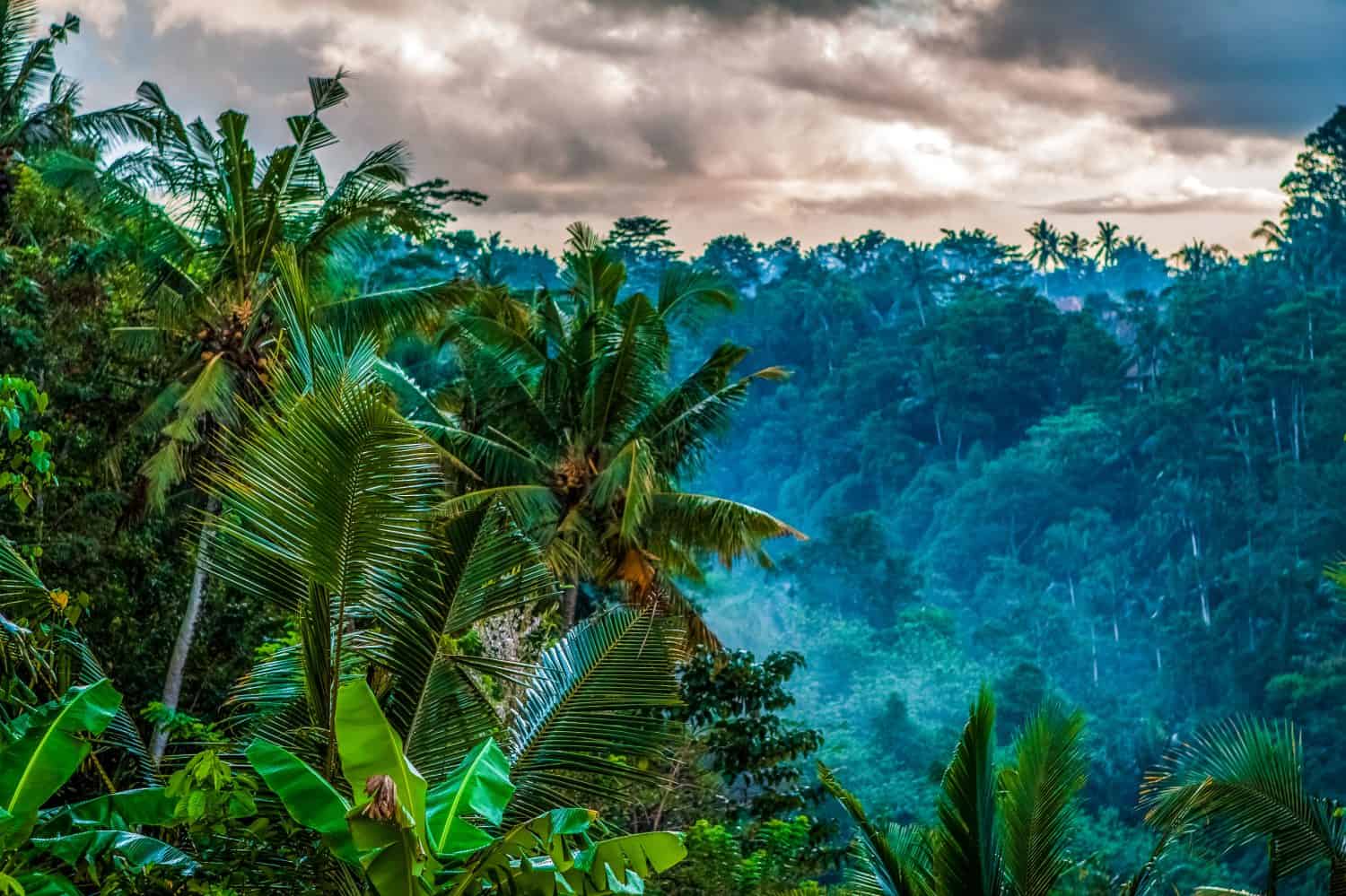
Indonesian tropical forests are among the locations that fall within the 1.2% of the world’s acreage to be conserved.
©Natalia Perchenok/Shutterstock.com
The tropics may account for 36% of the planet’s landmass, but these regions are crucial for conservation. This is because, although the tropics cover a smaller portion of Earth’s surface, they contain the majority of the planet’s biodiversity.
Tropical regions of the planet are home to a significant number of plants and animals that cannot be found anywhere else. The reason behind this is called the latitudinal diversity gradient. Why this occurs is still not entirely clear. There are multiple hypotheses, however, that may explain why the tropics are home to such a variety of flora and fauna.
The three main hypotheses as to why the tropics are so biodiverse include:
- There is more sunlight in the tropics than anywhere else on Earth. Coupled with the amount of rainfall the region receives annually, there are more plant species. This abundance of varied plants leads to a more varied animal population.
- The tropics never experienced the massive freezing that the rest of the planet did, allowing the environment to thrive much longer than in other regions.
- Each environment has a “carrying capacity for species richness.” With the tropics being a resource-rich environment, there is less competition for survival among species, allowing more to survive in the tropical habitats than anywhere else on the planet.
Given the vast biodiversity, it is clear why the tropics, in particular, need to be conserved. If the conservation of the Earth does not include this region, it is very likely the sixth mass extinction cannot be stopped.
Conservation Is an Investment in the Future
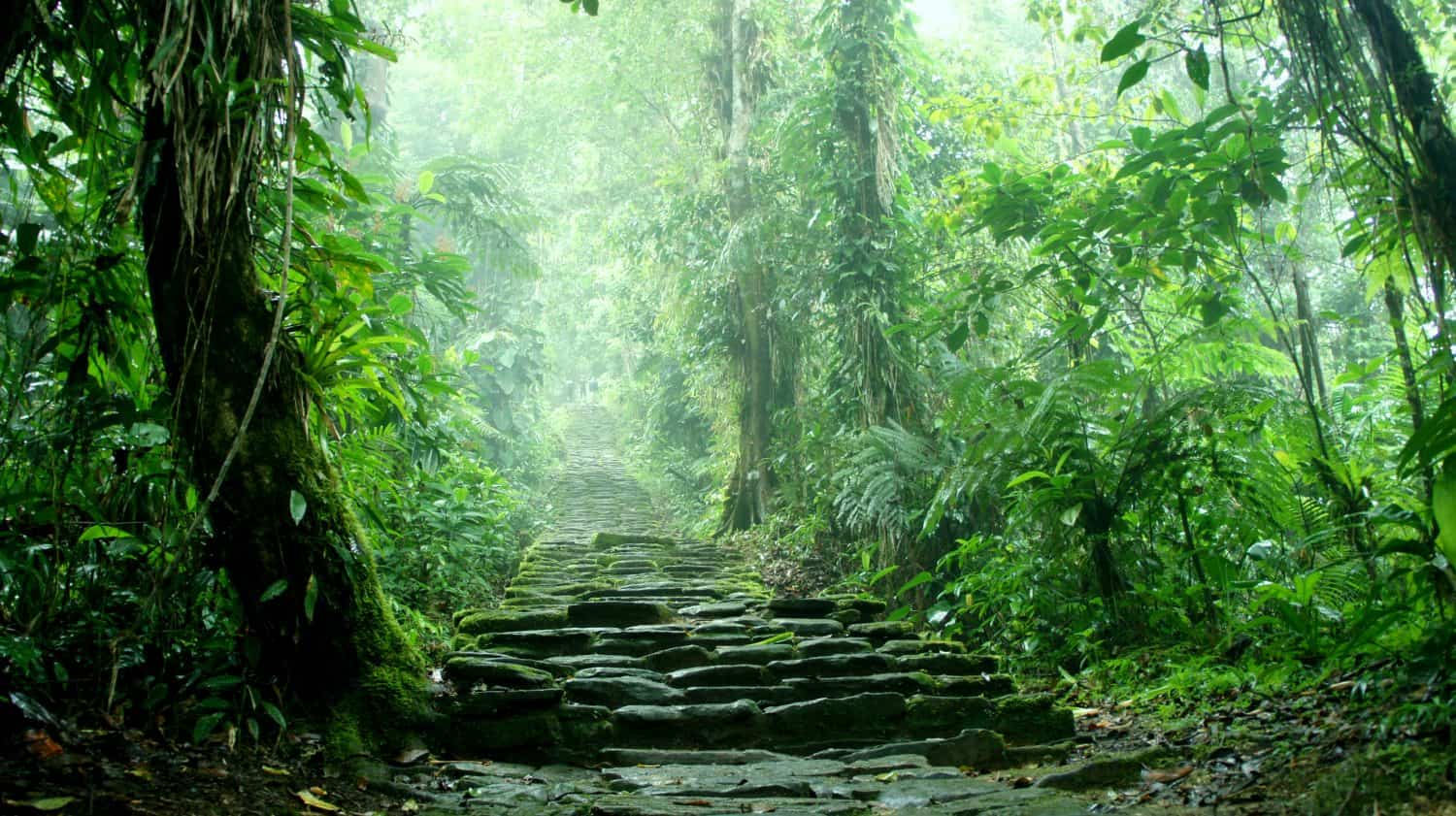
The Colombian tropical forest is just one of the regions considered to be a Conservation Imperative area.
©dunn4040/Shutterstock.com
Many countries claim that saving 1.2% of Earth’s land is far too expensive. However, according to the Institute for Environmental Research and Education, saving the planet should be seen as an investment rather than a cost. If Conservation Imperative areas are saved, the benefits far outweigh the monetary costs of conserving these environments. The biggest benefits include:
- Sustainability of resources
- Restoring ecological balance
- Reversing the impacts of climate change
- Fundamental elements of the environment are saved for future generations
- Purity of water is restored
- Food security is achieved
- The overall health of the planet and all plants and animals living on it is increased
Researchers at the World Land Trust calculated that the figure to achieve this goal is $263 billion. While this is a large figure, researchers argue that activities that “harm” the environment are just as expensive, if not more. By creating a global plan to conserve over 405 million acres, with contributions from global leaders to Indigenous tribes, the lofty goal becomes far more attainable. To achieve this, however, there needs to be a sense of global urgency, which currently does not appear to exist.
Protecting Conservation Imperative Areas Is Only the First Step

Preserving the tropics is a great first step in stopping a mass extinction event, but more needs to be done to save the planet.
©Julia Ardaran/Shutterstock.com
It is important to understand that protecting Conservation Imperative areas is only the first step in preventing the sixth mass extinction. Protecting these areas alone will not stop the mass extinction; it will only slow its progress. Much more of the planet will need to be conserved to prevent the sixth mass extinction from being triggered.
Unlike previous mass extinction events, the current one threatening the planet is human-driven. While the destruction of Earth’s ecosystems and habitats rests squarely on the shoulders of the human race, it is also people who can turn the tide of mass extinction. Saving 1.2% of the planet’s land is a great start. But other steps need to be taken if the species diversity required to keep the planet healthy and thriving is to continue. Those steps include:
- Stopping climate change
- Massively reducing pollution
- Ending the overexploitation of animals that comes from overfishing and hunting, specifically those species that are on the brink
- Reducing or eliminating invasive species that compete with native wildlife
- Creating effective global policy changes pertaining to conservation
- Expanding protected areas
- Reducing oil drilling, mining, and logging
- Enforcing anti-poaching laws
- Using technology to analyze current data to both detect and predict where environmental or species declines are and will occur
There have been wake-up calls regarding the state of the planet for decades, but very few have been taken seriously, as evidenced by the lack of significant changes in conservation. However, this time may be the last warning global leaders receive to take action to save Earth before it is too late.
The sixth massive extinction event is on the verge of being triggered. If the planet is to be saved, change needs to happen now. No longer can the warning cries be ignored. Doing so means the extinction of tens of thousands of species by 2100 alone, something the planet and mankind cannot afford to let happen.