
Quick Take
- We often think of sharks in terms of theall-intimidating great-white, but several very small species exist.
- The Gulf of Mexico pocket shark was made public only as recently as2019.
- Because they live so deep and avoid shallow waters, ghost sharks pose no danger to humans.
- Blacknose sharks are typically found in the Gulf of Mexico in the southern USA near Florida.
Sharks are often imagined as massive, powerful predators cruising through open water, but not all sharks are great white-sized. Along the coasts of the United States and in the deep offshore waters, there are shark species so small they can fit in the palm of your hand. These tiny sharks are rarely seen by beachgoers and divers, spending most of their lives in deep habitats where they quietly hunt small prey and avoid larger predators.
Despite their size, these miniature sharks are every bit as fascinating as their larger relatives. Many have unique adaptations such as bioluminescence, oversized eyes (for low-light waters), or specialized teeth designed for tiny prey. Our list includes deep-sea species discovered in recent years as well as coastal sharks that rarely exceed a few feet in length. These tiniest of sharks found off the United States coast prove that even the ocean’s smallest predators can be remarkable.
1. Gulf of Mexico Pocket Shark
©M. Grace/NOAA/NMFS/SEFSC/Mississippi Laboratories, Public domain, via Wikimedia Commons - Original / License
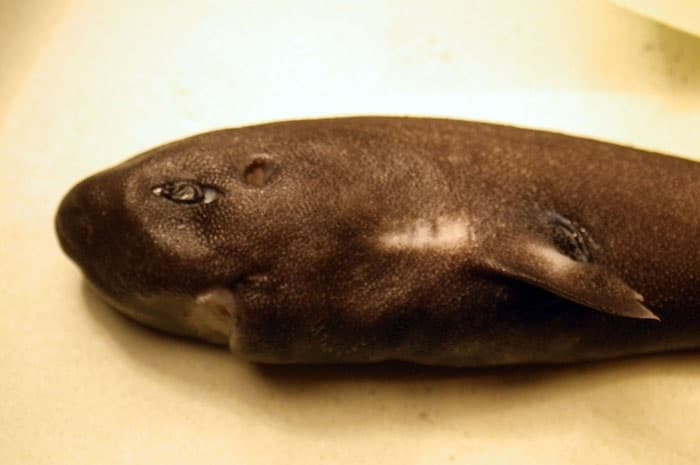
One of the smallest sharks found in U.S. waters was recently discovered in 2010 when a group was studying sperm whales in the Gulf of Mexico. The species was made public only a few years ago in 2019. In addition to being only about 5.5 inches long, this shark is also unique due to its ability to squirt luminous liquid.
Researchers believe the substance, which comes out of gills near the shark’s head, is used as a defense mechanism. Currently, the species is Data Deficient, as there is not enough information or numbers to say if this species is endangered.
Dangerous or Not: Not. The Gulf of Mexico pockets are barely big enough to bite your toe, and it’s not interested in human consumption. There are no records of it attacking humans, but it is still a young species.
2. Ghost Sharks
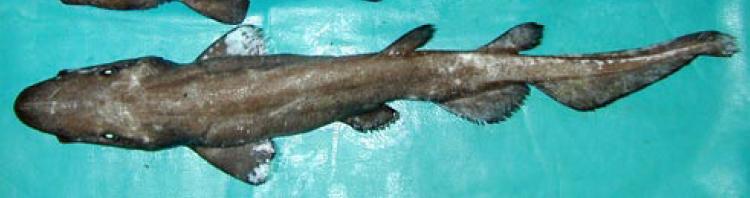
We’re cheating with this marine animal because, despite their name, ghost sharks aren’t actually sharks at all. They belong to a separate group of cartilaginous fish known as chimaeras, sometimes called ratfish or spookfish. These deep-sea dwellers are rarely seen by humans and tend to live far below the ocean’s surface, giving them their eerie reputation and pale, ghostlike appearance.
Ghost sharks are typically found at depths ranging from 2,000 to 6,000 feet in the Atlantic Ocean, including offshore waters of the eastern United States. They have long, tapering bodies, large reflective eyes, and tooth plates rather than the sharp teeth found in true sharks. Their diet consists mainly of squid, crustaceans, and small fish.
Dangerous or Not: Not. Because they live so deep and avoid shallow waters, ghost sharks pose no danger to humans.
3. Florida Smooth-Hound Shark
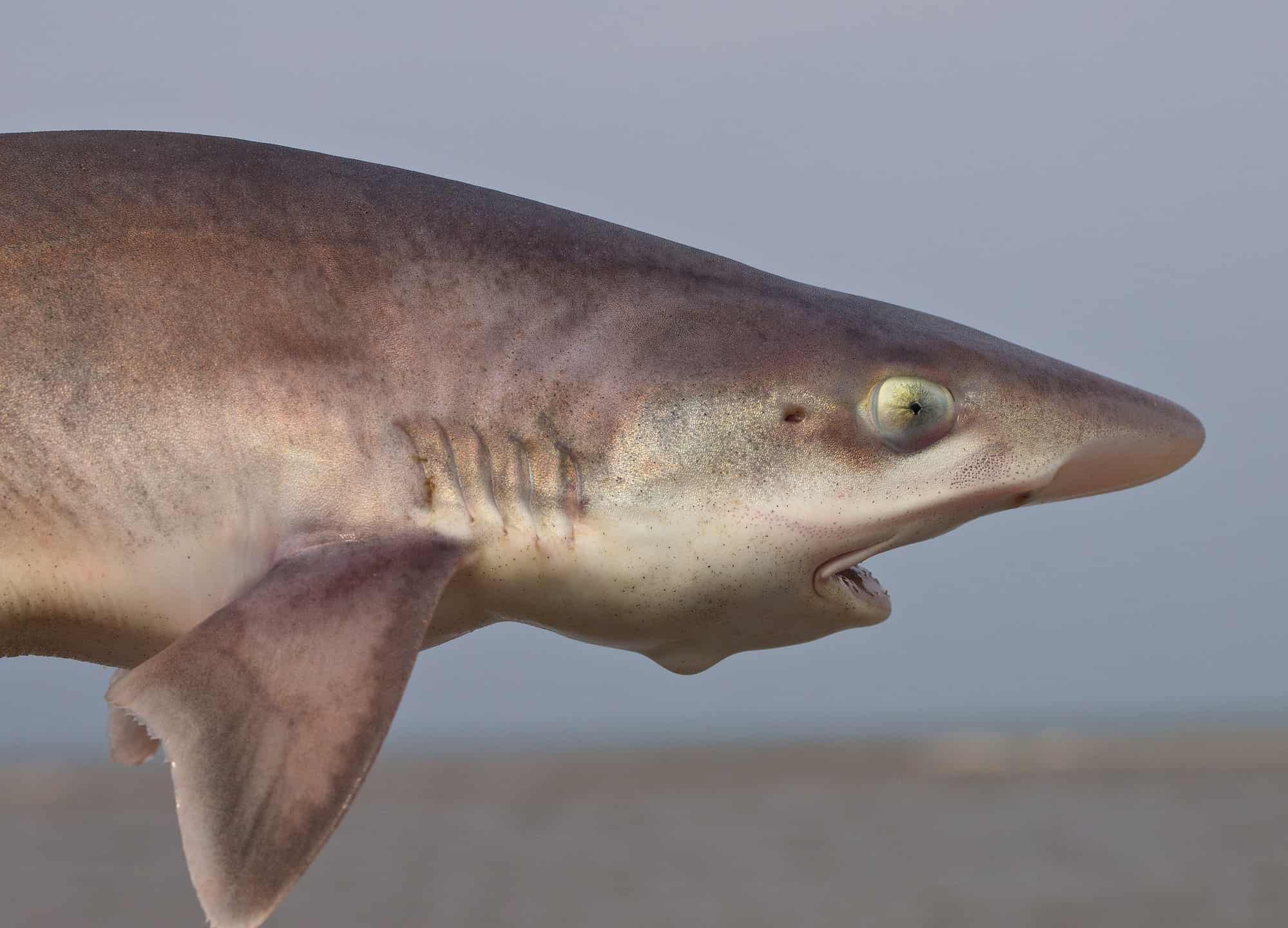
©CreativeNature_nl/Shutterstock.com
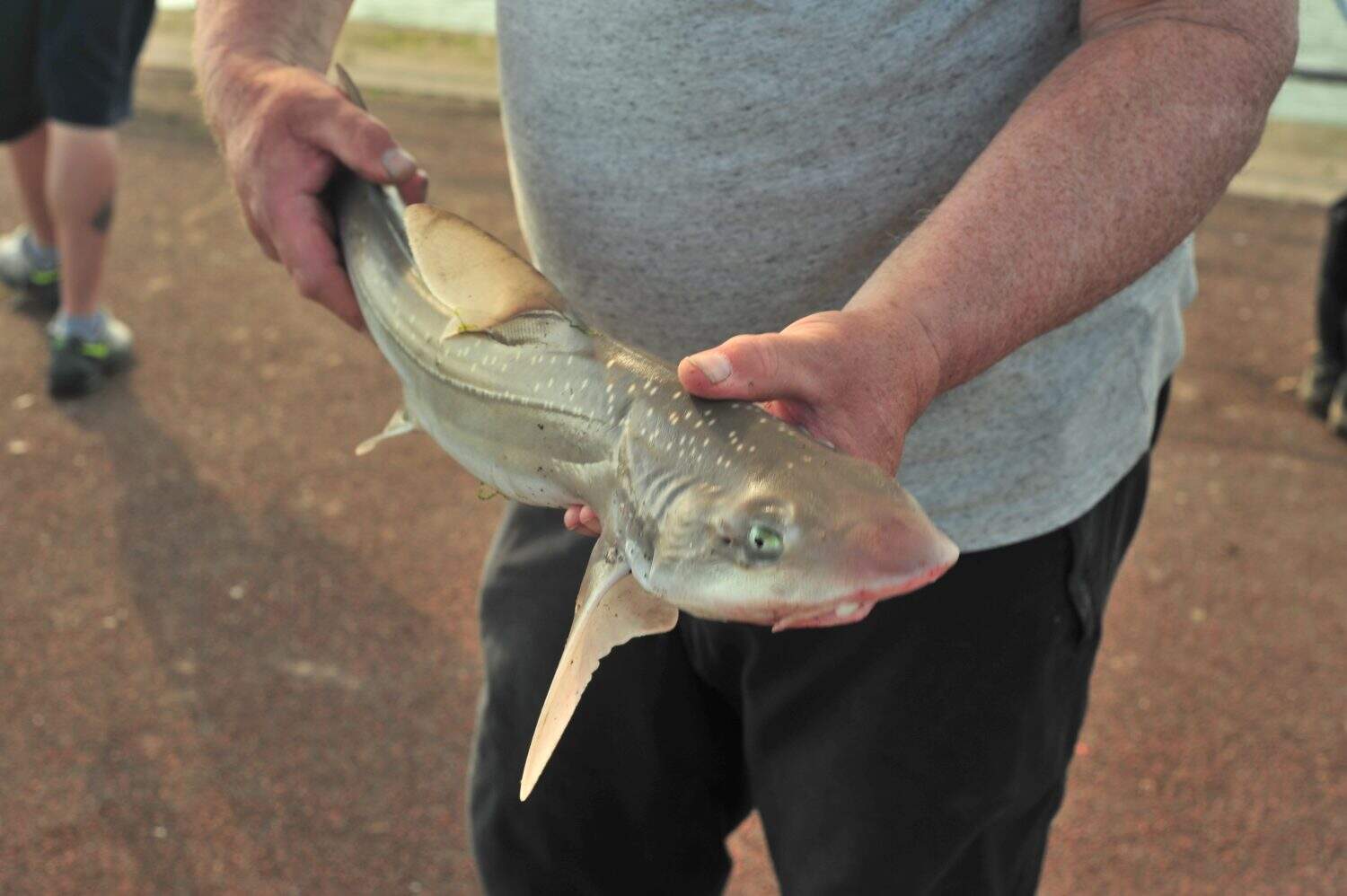
Though not as tiny as some of the others on this list, the Florida smooth-hound shark only grows to about 3.6 feet long. You’ll notice this shark due to its long pectoral fins, pointed snout, and asymmetrical tail. It is typically gray or grayish brown on top with a cream-colored underbelly. They have a long, slender body and two dorsal fins, both of which are rather long when compared to the rest of their bodies.
The smooth-hound has plenty of teeth, but most of them are short with stumpy cusps. This breed has been found far away in Brazil and Venezuela, but as the name suggests, it’s also found around the coasts of Florida in the Gulf of Mexico.
They’re not always easy to spot since they often spend most of their time at the ocean floor. However, most Florida smooth-hound sharks have been spotted at a maximum depth of only 290 feet.
Dangerous or Not: Not. The shark’s teeth are not made for tearing into human flesh. Rather than predator, this species is typically the prey of hammerhead and blacktip sharks. The Florida smooth-hound shark is considered “Near Threatened.”
4. Bonnethead Shark
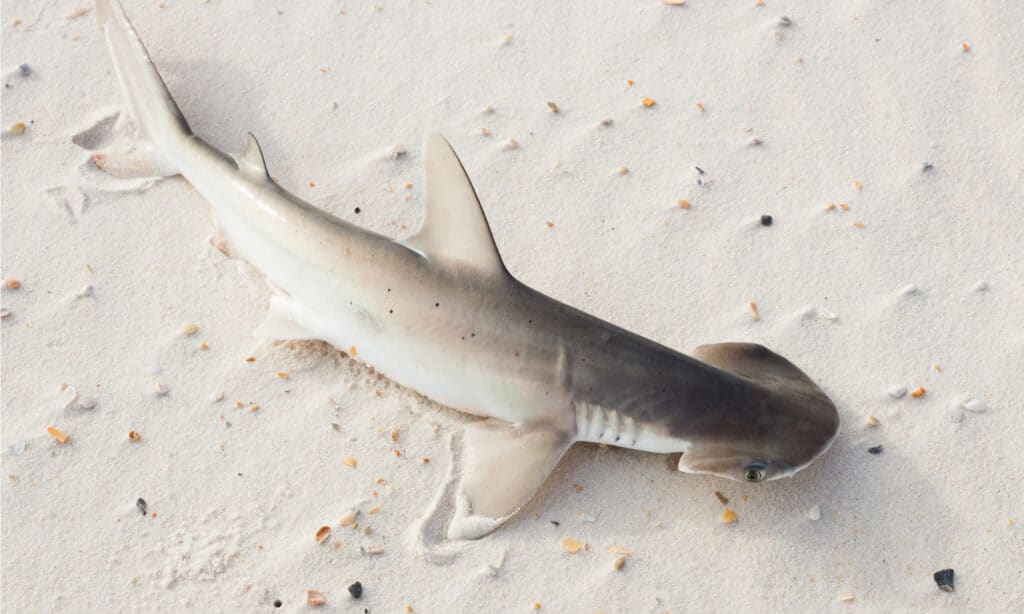
©IrinaK/Shutterstock.com
Typically found in the Gulf of Mexico, the bonnethead shark is a member of the hammerhead shark family. However, it is the smallest of the hammerheads. Males grow to about 20-30 inches in length, while the females can be as large as 39 inches long.
This type of shark is likely to be seen in large aquariums at tourist attractions. The shark is often gray or grayish brown, with a broad and wide head that more resembles a shovel than a hammer. It’s also identifiable by its long tail and numerous fins.
If you see a bonnethead shark, then try to let it be. The shark is a frequent prey of larger sharks. Most assessments list it as Least Concern, though localized declines exist.
Dangerous or Not: Not. It doesn’t have sharp teeth. Instead, the shark mostly relies on its back molars that are used to grind down shells and crustaceans. Though it eats sea animals, it also eats plants, making it the onlyknown shark species proven to digest plant matter.
5. Blacknose Shark
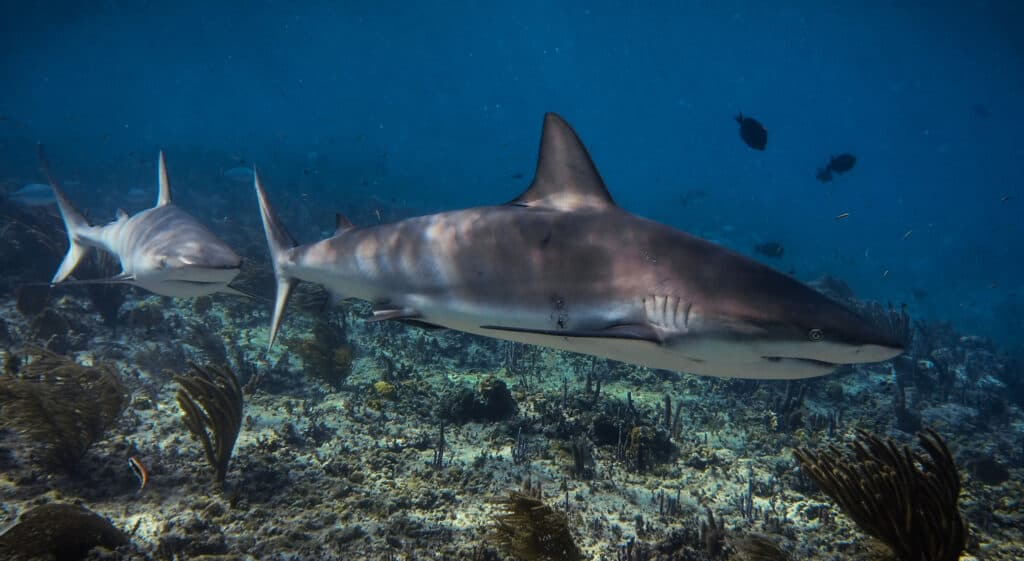
©iStock.com/ Ryan Cake
Another shark you may see in the Gulf of Mexico near Florida is the blacknose shark. At its longest, the shark is about 3.5 to 4.5 feet, and they only weigh about 23 pounds. The shark can be identified by the dark spot on its long snout. They’re also typically a yellow-gray color, helping them to blend in with the ocean floor.
This shark has been spotted as far south as Brazil, but it’s typically found in the Gulf of Mexico in the southern USA near Florida.
They range from shallow coastal waters to about 210 feet. Sadly, they also have a short lifespan of about 10 years. Even worse, the blacknose shark is often fished, so their population is endangered, and they are considered “Near Threatened.”
Dangerous or Not: Not. Although the blacknose shark will often put on a threat display when cornered, they are not known to bite. There are no human attacks on record. Their diet primarily consists of pinfish, small bony fish, and the occasional octopus.