
Quick Take
- Maine supports about 25,000 black bears, with the highest densities in the North Woods, where continuous forest provides ideal habitat and supports long-term stability.
- Bear diet shifts seasonally, from spring vegetation to summer berries and fall mast, with hyperphagia driving intense feeding before winter dormancy.
- Distribution varies by region, with northern Maine holding most bears, central areas supporting moderate populations, and southern regions seeing increasing but lower densities.
- Management and coexistence rely on regulated hunting, habitat monitoring, and reducing human food attractants to limit conflict.
Maine contains one of the most extensive continuous forest systems in the eastern United States. The scenic landscape supports a large and well-established population of black bears. These animals occupy a wide range of environments, from remote commercial timberlands in the north to mixed rural and suburban areas farther south. Although bears often avoid direct contact with people, their presence is widespread, and encounters are a routine part of life in some parts of the state.
The continued stability of Maine’s bear population reflects a combination of suitable habitat, long-term wildlife management, and the species’ ability to adjust to changing conditions. As development expands and natural food sources fluctuate, bears increasingly navigate spaces that overlap with human activity. A clear understanding of their behavior and ecological needs plays a central role in reducing conflict and maintaining a sustainable balance.
A Long-Standing and Abundant Population
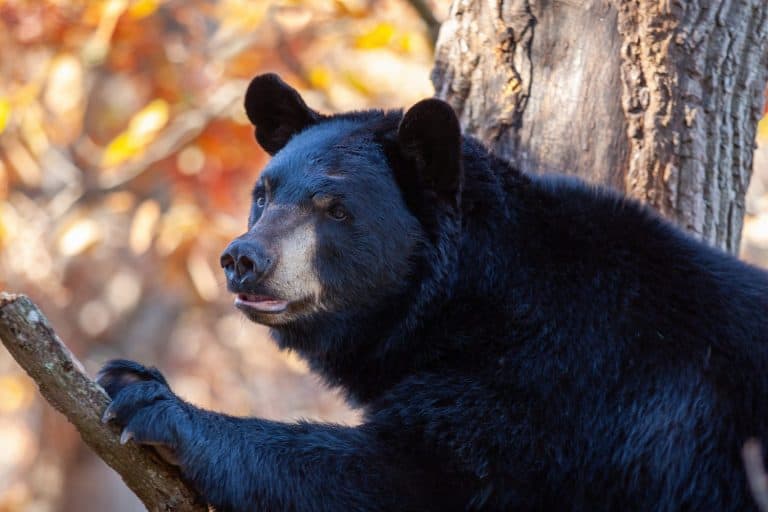
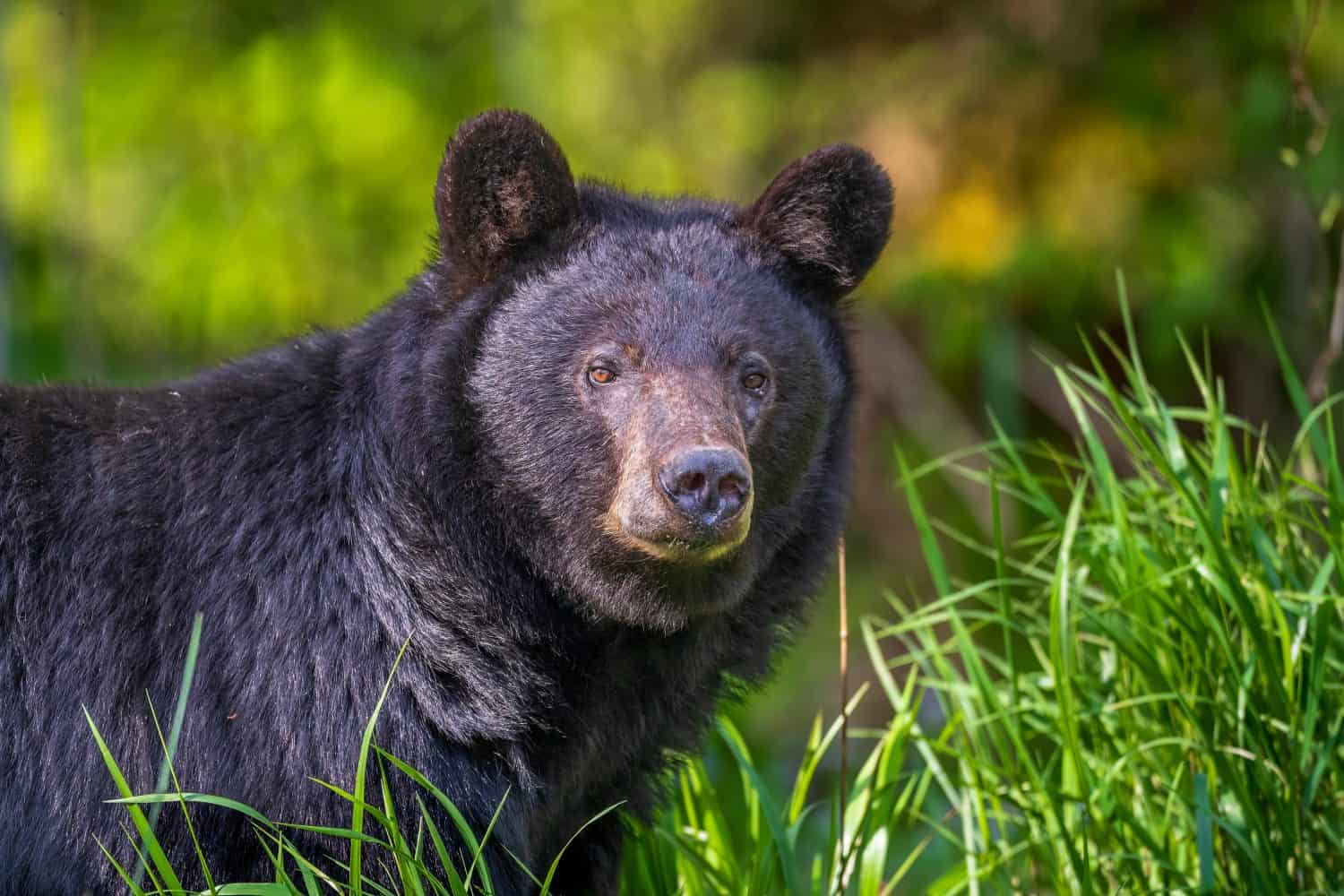
The American black bear, Ursus americanus, is the only bear species found in Maine. Maine has supported a continuous population for generations due to its large-scale forest cover. Current estimates place the population at approximately 25,000 individuals. This makes it one of the most significant concentrations in the eastern United States.
State biologists classify the population as stable, with numbers maintained through careful monitoring and regulated harvest. Data collected over time indicate consistent reproduction rates and sufficient habitat to support long-term sustainability. While the highest densities occur in northern and western Maine, bears are distributed across nearly the entire state.
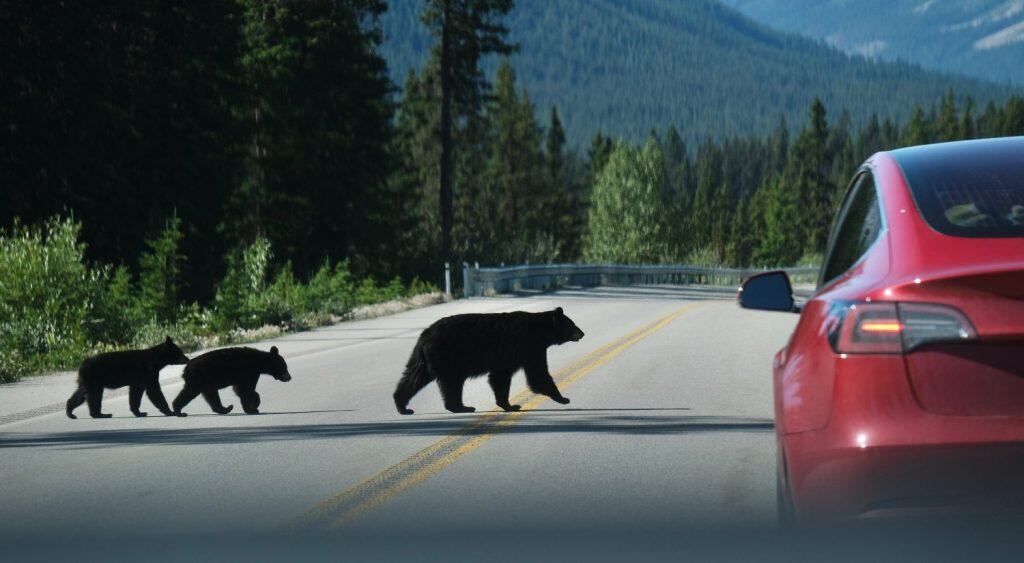
Black bear populations are well-established and growing in Maine.
©Marina Poushkina/Shutterstock.com
Physical Characteristics and Life Cycle
Black bears in Maine vary widely in size depending on sex, age, and food availability. Adult females commonly weigh between 150 and 250 pounds. Males may reach 400 pounds or more, particularly in regions with abundant seasonal food. Their dense fur provides insulation during long winters. Their body structure provides both strength and mobility, enabling them to move easily across uneven terrain.
Their sense of smell is the primary tool used to locate food, often guiding movement across large areas. Bears are capable climbers throughout their lives, though younger individuals rely on trees more frequently for safety. Adults tend to remain on the ground but will climb when necessary for feeding or escape.
Reproductive timing is closely tied to environmental conditions. Mating occurs in early summer, but development of the embryo pauses until fall in a process known as delayed implantation. Cubs are born in winter dens, typically between January and February, and remain dependent on their mother through their first year and into the next. Most litters consist of one to three cubs, though this can vary based on food supply.
Northern Maine: Core Range
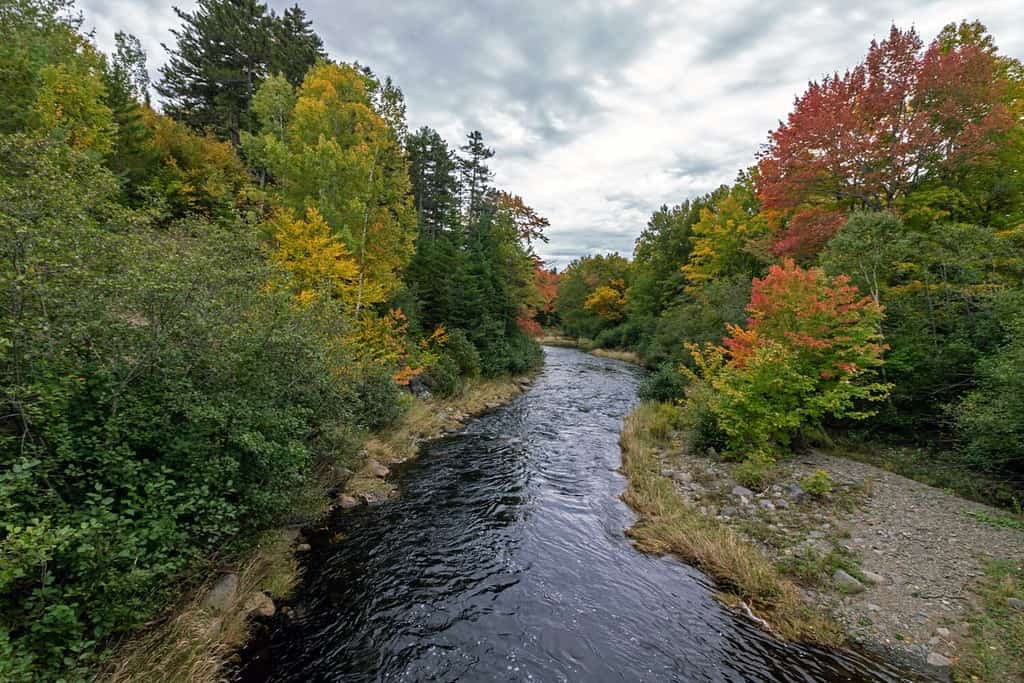
The North Woods of Maine is a vast stretch of ideal bear habitat.
©Rabbitti/Shutterstock.com
Northern Maine supports the largest and most continuous concentration of black bears in the state, anchored by the vast North Woods and extending through Aroostook County and the western interior. This region contains millions of acres of largely unbroken forest, including commercial timberlands, mixed hardwood stands, wetlands, and regenerating cut areas that produce consistent seasonal food. The combination of low human population density and extensive habitat allows bears to maintain large home ranges with relatively little disturbance.
Wildlife data consistently show that bears are most common in northern, western, and eastern Maine, where forest cover remains dominant and human development is limited. Harvest records and monitoring efforts also indicate that this region produces a disproportionately large share of the state’s bears, reflecting both higher density and greater habitat capacity. Food availability is shaped by forest succession, with berry-producing clearcuts, mast-producing hardwoods, and wetland edges all contributing to a stable and productive environment for bears throughout the year.
Central Maine: Expanding Range
Central Maine represents a transition zone where large forest blocks begin to break into a mosaic of mixed-use land, including smaller woodlots, wetlands, agricultural areas, and scattered development. While bear density is lower than in the northern core, this region still supports a substantial and stable population due to the continued presence of forest cover and seasonal food sources.
Bears in central Maine tend to move more frequently between habitat patches, following food availability across a fragmented landscape. Regenerating timber areas, river corridors, and mixed hardwood stands provide important feeding zones, particularly during summer and fall. As younger bears disperse from high-density northern areas, central Maine acts as a receiving zone, gradually increasing its share of the population over time.
Although this region does not support the same concentrations as the North Woods, it plays a critical role in population connectivity. Movement through central Maine helps link northern and southern areas, maintaining genetic diversity and allowing bears to expand into new territory. Wildlife monitoring indicates that bears remain widely distributed across this region, even where human activity is more common, demonstrating the species’ ability to adapt to moderate levels of landscape change.
Southern Maine: Low Density
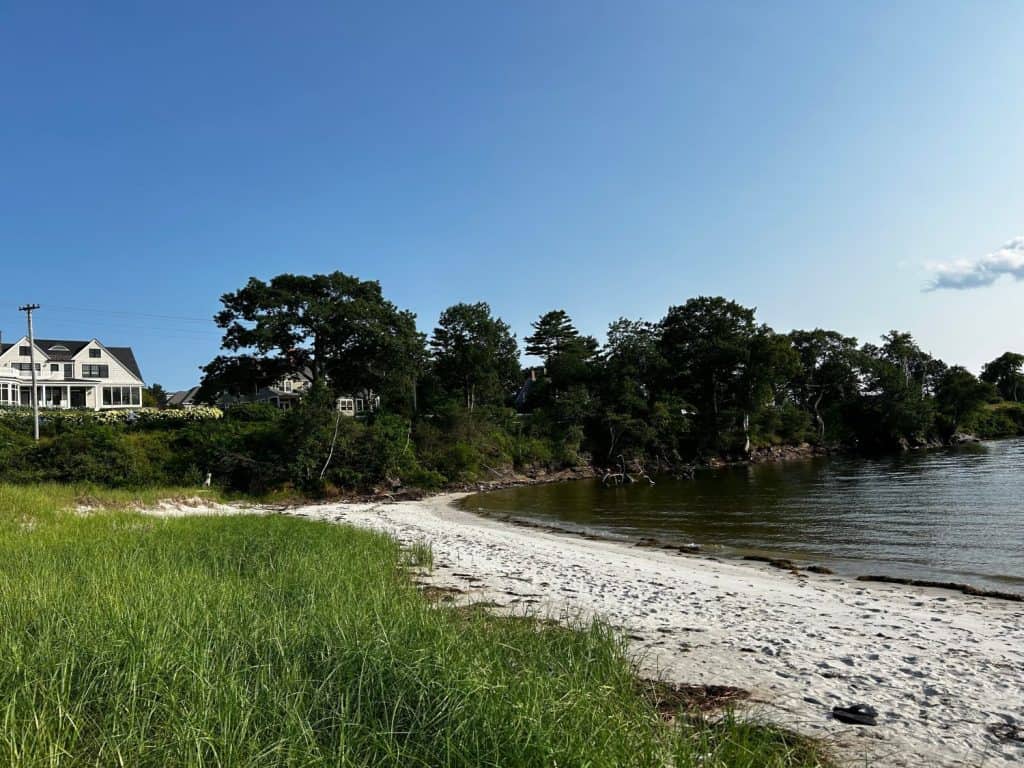
In the south, Maine is more developed, but still has wooded areas where bears can find habitat.
©Hannah Bloom/Shutterstock.com
Southern Maine has the lowest bear density in the state due to higher human population levels, more extensive development, and reduced continuous forest habitat. Historically, bears were uncommon in the southern and coastal regions, where fragmentation limited both cover and food availability, and they remain less frequent here than in northern and western Maine. However, dispersal from higher-density regions has led to a steady increase in sightings, particularly along forested corridors, river systems, and the edges of suburban and rural areas, where bears are often drawn to accessible food sources such as crops, bird feeders, and unsecured garbage.
Habitat in southern Maine tends to consist of smaller forest patches interspersed with residential and commercial land. This creates a different behavioral pattern, with bears often moving at night and relying more on edge environments. While population numbers are lower, the frequency of human-bear interactions is higher due to proximity. This makes southern Maine a key area for conflict prevention efforts, even though it supports only a small portion of the overall statewide population.
Forest Management and Movement Patterns
Maine’s landscape is shaped in part by active forest management, which creates a patchwork of habitat types at different stages of growth. This variability plays a significant role in how bears move and use the environment.
Bears often follow natural travel routes such as ridgelines, stream corridors, and transitions between forest types. These pathways provide efficient access to feeding areas while offering cover. Regenerating forests, in particular, attract bears during the growing season due to the abundance of vegetation and fruit.
As conditions change across the landscape, bears adjust their movements accordingly. This flexibility allows them to remain within large home ranges while tracking food availability over time. The connectivity of Maine’s forests also supports movement between regions, helping maintain a genetically healthy population.
Annual Behavior Cycle
The feeding habits and daily activity of black bears in Maine are closely tied to seasonal changes, with both diet and behavior shifting in response to food availability, temperature, and biological needs.
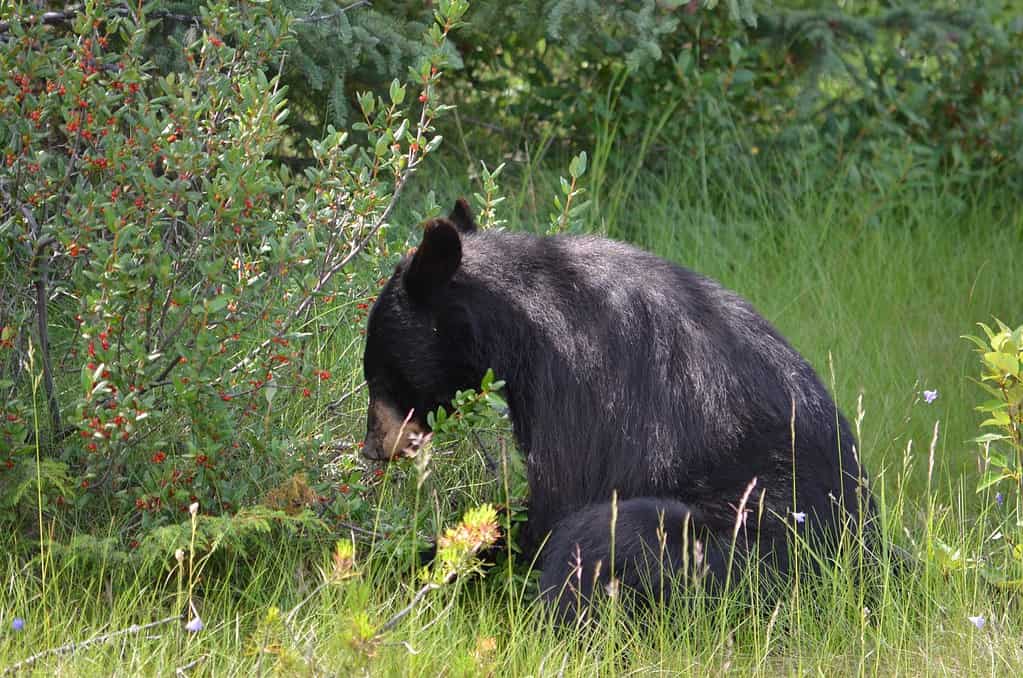
Berries are a favorite food source for bears.
©Bob Hilscher/Shutterstock.com
Spring
In early spring, bears emerge from their dens, typically in April, depending on local weather conditions. At this stage, they are in a depleted physical state after relying entirely on stored fat through the winter months. Their movements are initially limited to areas where snow has melted, such as low elevations and south-facing slopes. During this period, they feed on early plant growth, including grasses, shoots, and buds, along with insects and carrion. These foods are relatively easy to digest and help restore energy as their metabolism adjusts back to active foraging. Activity levels gradually increase as more food becomes available across the landscape.
Summer
As spring transitions into summer, both food supply and bear movement expand significantly. Bears begin to range more widely, taking advantage of abundant and dispersed food sources. Their diet shifts toward soft mast, particularly berries that grow in forest clearings, regenerating timber areas, and along roadsides. Insects also remain an important part of their diet. Because these foods are spread across the environment, bears travel more extensively within their home ranges. While they are often most active during early morning and evening hours, bears in less disturbed areas may be active at any time of day.
Fall
By late summer and into fall, feeding behavior intensifies as bears enter a critical phase known as hyperphagia. During this period, they consume large quantities of food each day in order to build the fat reserves necessary for winter survival. Their diet shifts again, with a strong focus on hard mast such as acorns and beechnuts. Bears may travel long distances to locate productive feeding areas, and their daily movement increases accordingly. The success of this feeding period plays a direct role in whether an individual accumulates enough fat to sustain itself through winter. In years when mast crops are poor, bears are more likely to seek out alternative food sources, including those associated with human activity, which can increase the likelihood of conflict.
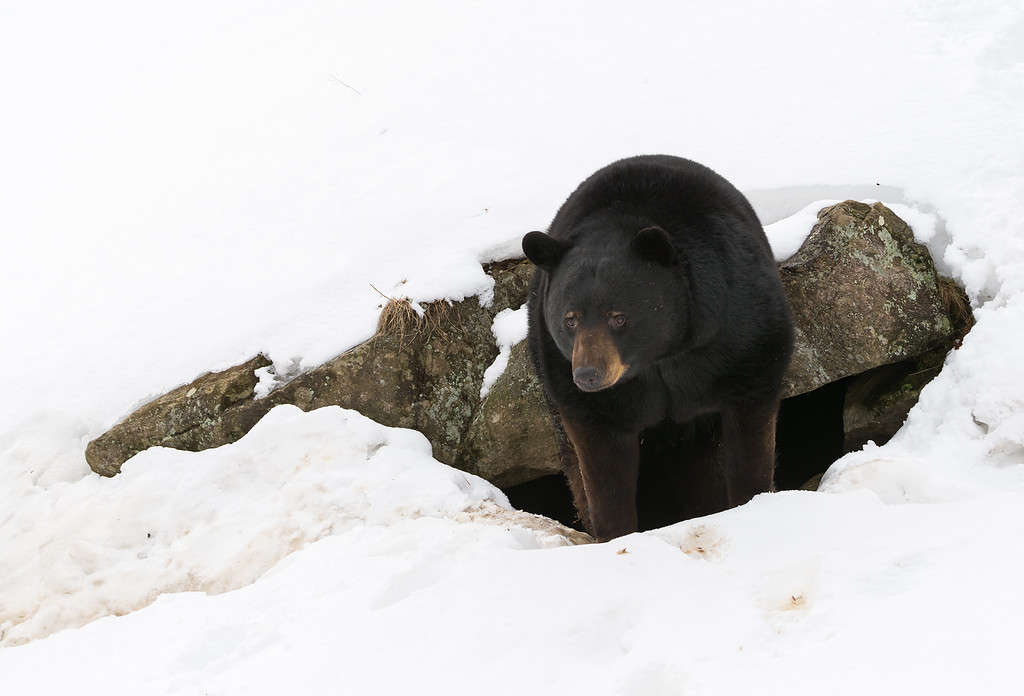
A black bear emerging from its den to check things out in winter.
©Suzan Johnson/iStock via Getty Images
Winter
As temperatures drop in late fall, bears begin entering dens, where they will remain for the winter months. During this time, they enter a state of dormancy, significantly reducing their heart rate and metabolism while relying entirely on stored body fat. They do not eat, drink, or produce waste during this period. Females give birth in the den, usually in midwinter, and care for their cubs until spring, when conditions allow them to emerge.
Wildlife Management Strategies
The Maine Department of Inland Fisheries and Wildlife oversees bear management through research, regulation, and public outreach. Population data is gathered using a combination of field studies, tagging, radio telemetry, and harvest reporting. This information helps guide decisions related to hunting seasons and conservation priorities.
Regulated hunting is an important tool for maintaining population balance, particularly in areas with high bear density. Maine permits several hunting methods, all of which are subject to strict oversight. These practices are designed to manage population growth while preserving long-term stability.
Educational efforts focus on minimizing conflict between bears and people. By reducing access to human food sources and increasing awareness of bear behavior, these programs support coexistence across the state.
Reducing Risk and Preventing Conflict
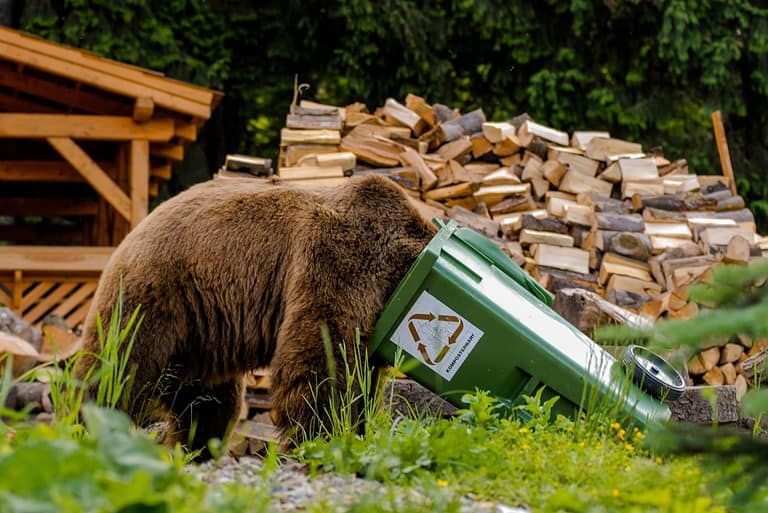
Human-related food sources are the primary cause of bear conflicts in Maine. Securing garbage, removing bird feeders during active seasons, and properly storing pet food can significantly reduce the likelihood of attracting bears. These steps are especially important in areas where forest and residential zones overlap. Outdoor recreation in bear habitat requires basic precautions. Making noise while moving through dense vegetation helps prevent surprise encounters. Awareness of surroundings, particularly near water or food sources, further reduces risk.

Bears always consider bird feeders to be “bear feeders.”
©Barbara MacDonald/Shutterstock.com
If you do run into a bear, maintaining composure is critical. Backing away slowly while speaking in a calm voice often encourages the animal to leave. Running can provoke pursuit, so controlled movement is the safer option. In rare situations where a bear behaves aggressively, increase your size by lifting your arms to look larger and fight back if attacked by a black bear. The opposite is true of a brown bear, a much larger species. Wildlife experts advise that, in the case of a brown bear attack, you should play dead and protect your face and midsection. If you must fight a black bear, aim for its face—especially the nose and eyes—as these sensitive areas may cause the bear to retreat.
A Lasting Part of Maine’s Landscape
Black bears remain a defining feature of Maine’s natural environment, supported by extensive forests and effective wildlife management. Their continued success reflects the strength of the state’s ecosystems and the adaptability of the species itself. As bears continue to occupy a wide range of habitats, the relationship between people and wildlife becomes increasingly important. Through informed behavior and responsible management, Maine is able to sustain both a thriving bear population and the communities that share its landscape.