
Quick Take
- The first sighting in 29 years of the flat-headed cat in Thailand was announced on December 26, 2025, by DNP and Panthera Thailand.
- Camera-trap images from 2024–2025 in the Princess Sirindhorn Wildlife Sanctuary include a female with a cub, marking the first confirmation since 1995.
- Flat-headed cats weigh 3–5 lbs, live in lowland tropical rainforests in the Malaysian peninsula, Sumatra, Borneo, and Thailand, and hunt mainly fish.
For the first time in 29 years, the elusive flat-headed cat, Prionailurus planiceps, was spotted in Thailand. Thailand’s Department of National Parks, Wildlife, and Plant Conservation (DNP), together with Panthera Thailand, jointly made the official announcement on December 26, 2025, to mark Thailand’s Wildlife Protection Day.
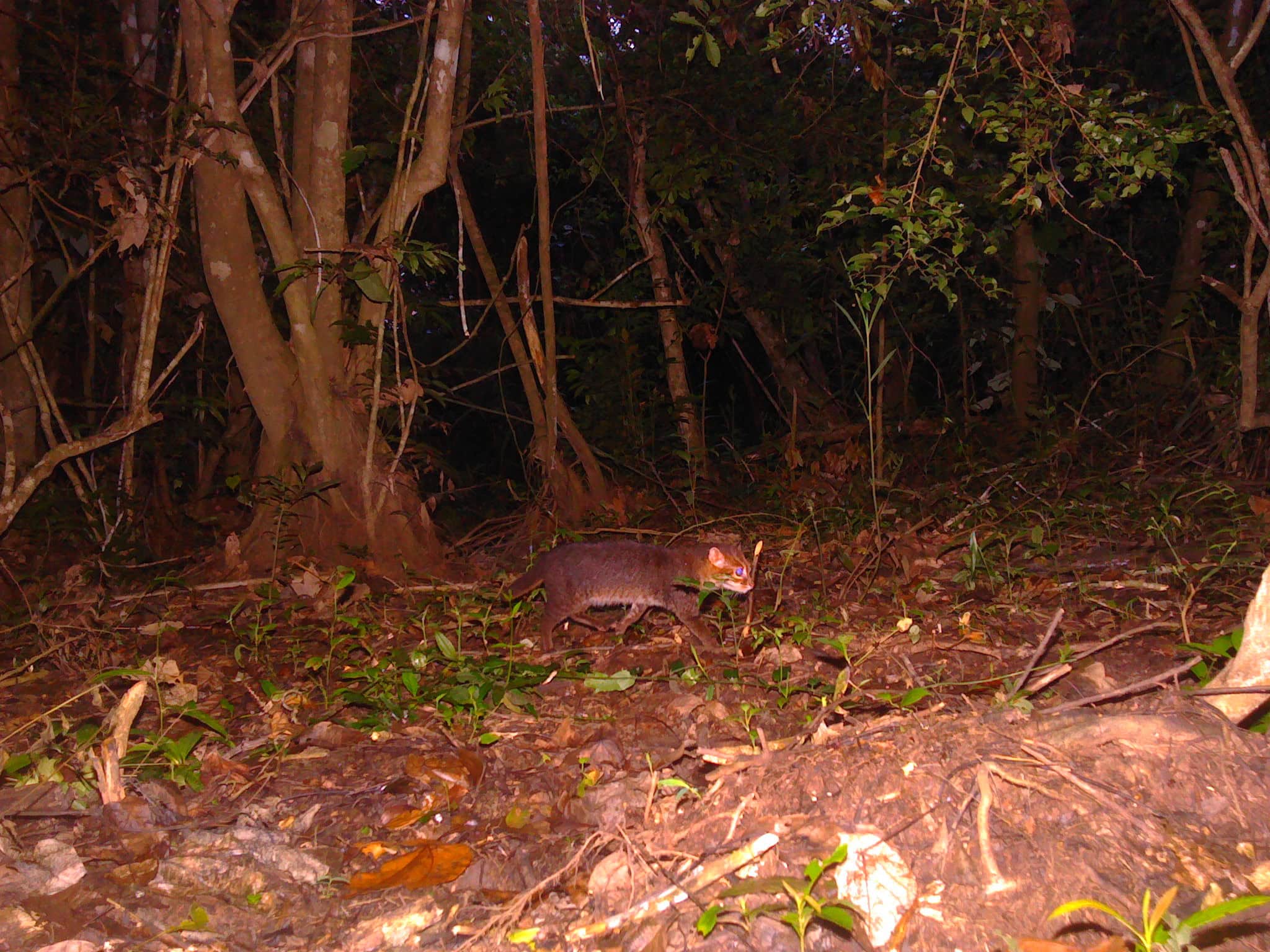
The sightings, caught on camera trap images in 2024 and 2025, were the first confirmed sightings of the rare feline since 1995. The camera images were captured in southern Thailand’s Princess Sirindhorn Wildlife Sanctuary. One image included a female flat-headed cat with her cub, an encouraging sign that the cats are not just present but also breeding in Thailand’s tropical rainforests.

Meet the Flat-Headed Cat
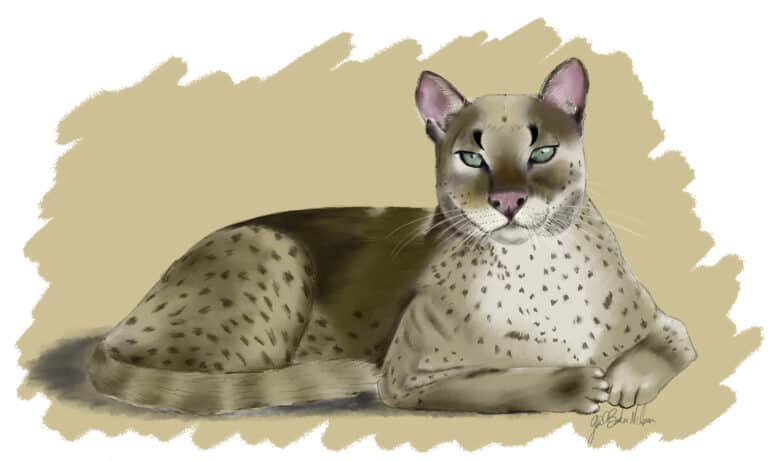
Flat-headed cats are named for the distinctive depression in their skull, which extends from the nose across the muzzle and gives them their unique appearance. Flat-headed cats are one of the smallest wild cat species, weighing between three and five pounds on average. They can live up to 14 years.
These cats have webbed paws, which help them gain traction in the muddy environments they call home. They have short legs, large retractable claws, and powerful jaws. Their teeth are larger and sharper than those of other cats, adapted to help them successfully hunt their main prey: fish.
Their hunting technique involves stalking riverbanks and searching for prey in the shallow water. Flat-headed cats eat mostly fish, but may also eat frogs and crustaceans. Once prey is spotted, the flat-headed cat pounces and fully submerges its head to capture the fish using its powerful jaws and sharp teeth. The cats have been spotted washing their catch, raccoon-style, on the riverbank. They then carry the prey a few meters inland to prevent it from escaping back into the water.
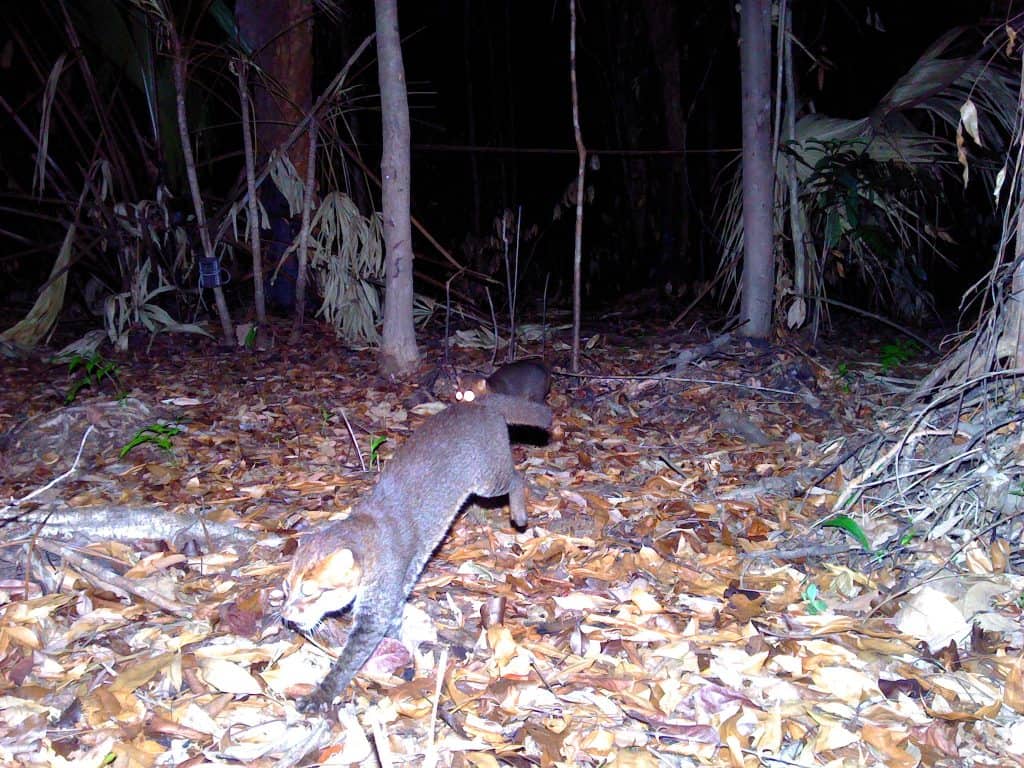
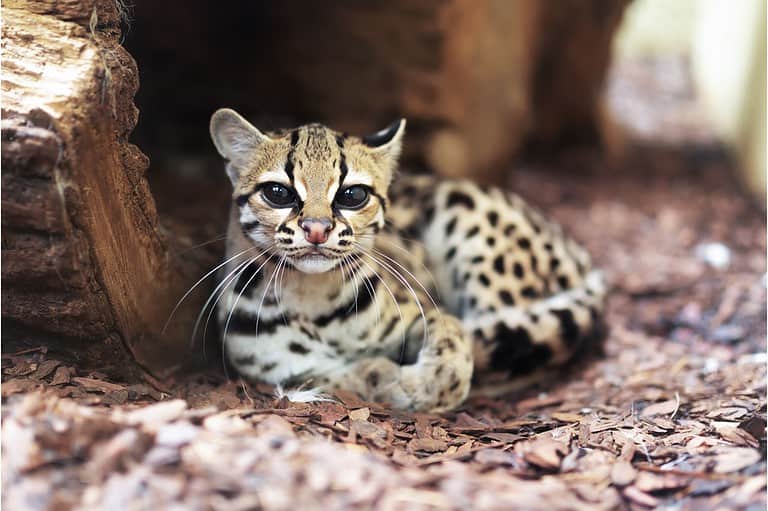
A female flat-headed cat with her cub was spotted in Thailand.
In the wild, scientists believe that female flat-headed cats give birth to only one kitten per breeding season. In captivity, however, there is a documented case of one flat-headed female cat giving birth to a litter of two kittens. The gestation period lasts about 56 days.
Flat-headed cats live exclusively in lowland tropical rainforests in the Malaysian Peninsula, Sumatra, Borneo, and Thailand. They are crepuscular animals—meaning they are most active at dusk and dawn. They have also been observed hunting at night. They are currently on the IUCN Red List as an endangered species. Fewer than 2,500 living flat-headed cats are believed to be present worldwide.
What Happened to Flat-Headed Cats in Thailand?
Scientists believe that flat-headed cats in Thailand disappeared due to wetland and lowland forest destruction. There are many causes for the degradation of flat-headed cat habitat, not just in Thailand but in all areas where these cats reside.
Human settlement, plantation development on forest land, wetland draining for agriculture, and pollution are factors that contribute to the loss of habitat for flat-headed cats. The extensive loss of mangrove habitats across Southeast Asia is a major contributing factor. Vast expansions of oil palm plantations in the region currently top the list as the biggest threat to flat-headed cat populations.
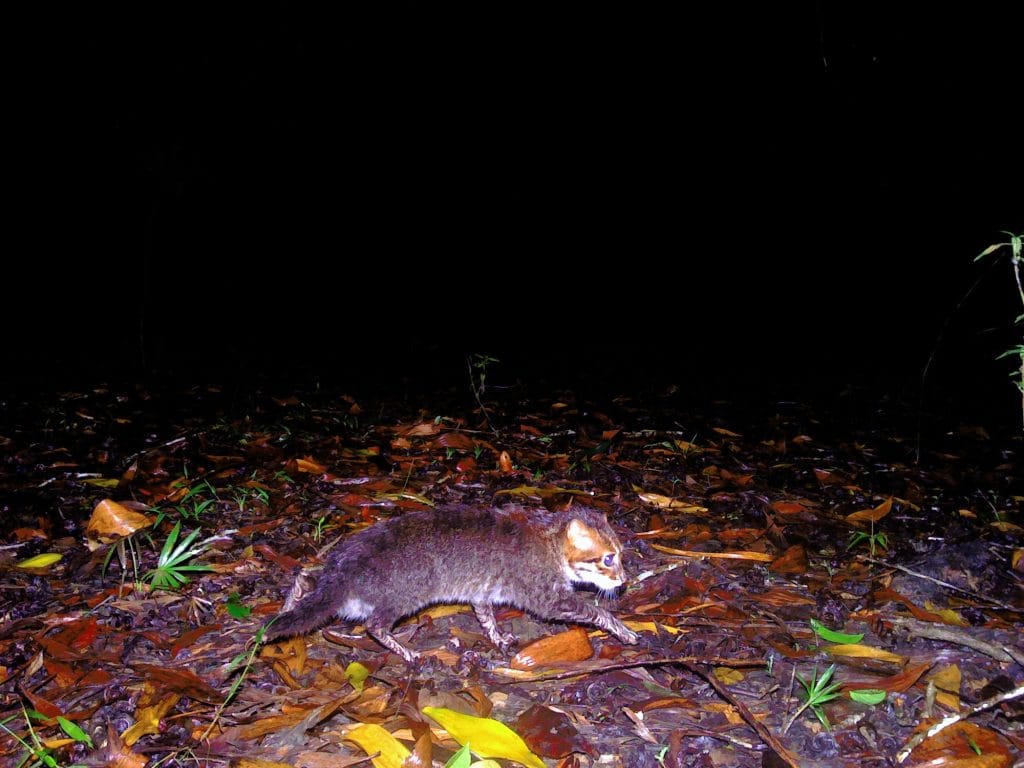
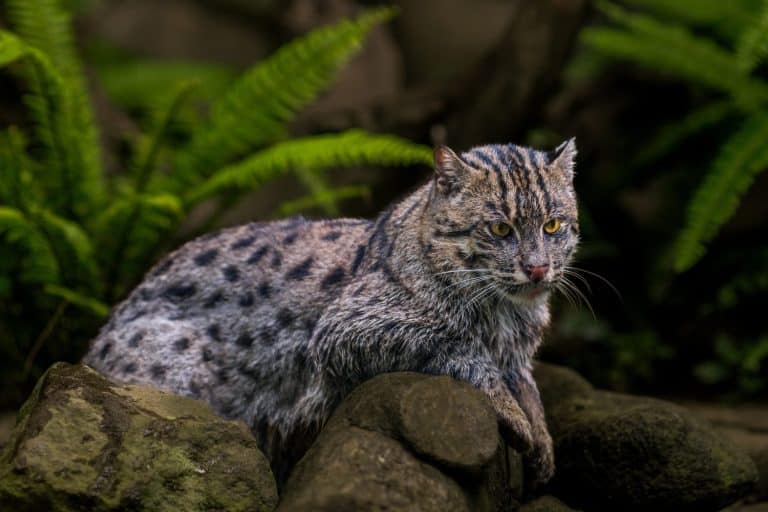
Human activity and other factors threaten flat-headed cat populations.
Beyond loss of habitat, there are other human factors that also impact flat-headed cat populations. Farmers view wild cats as a direct threat to domestic poultry. Flat-headed cats have been found in the traps set by farmers to protect their flocks. Poisoning and snaring are also dangers for these cats. Excessive hunting and fishing are also potential causes of their declining populations. Overfishing depletes natural fish stocks, thus depriving flat-headed cats of their primary diet source.
The Future for Thailand’s Flat-Headed Cats
The flat-headed cat sightings in Thailand are an encouraging sign for the conservation of this endangered species. Long believed to be nearly extinct in Thailand’s wetlands and tropical rainforests, the images of living flat-headed cats indicate that there is still a population left to protect.
“This is a landmark moment for Thailand and a powerful reflection of our long-standing commitment to conservation,” said Athapol Charoenshunsa, Director General of Thailand’s Department of National Parks, Wildlife and Plant Conservation, in a statement. “Rediscovery of the flat-headed cat in southern Thailand is a significant win for conservation in Thailand and the broader Southeast Asia region where the species is still found.”
Charoenshunsa credits Thailand’s focus on sustained protection, strong scientific partnerships, and community stewardship for the resurgence of this nearly extinct species.
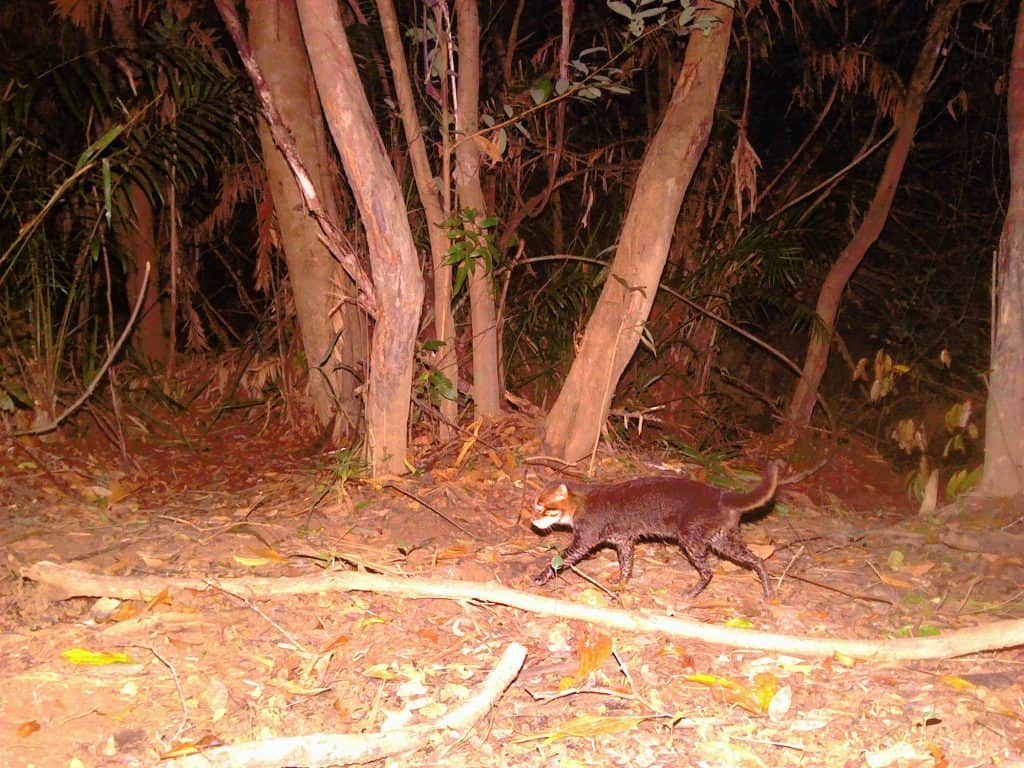
Flat-headed cats are making a comeback in Thailand.
Panthera Thailand’s Kritsana Kaewplang joined Charoenshunsa in praising Thai conservation efforts. “After nearly three decades, this rediscovery shows what’s possible when science and strong protection come together,” she said, noting the DNP’s dedication to safeguarding Thailand’s wetlands and community members’ livelihoods as key factors in the return of the flat-headed cat.
Both DNP and Panthera Thailand plan to expand research and strengthen conservation measures to ensure continued success in growing the flat-headed cat populations in Thailand.