Quick Take
- One cat on this list has been seen so rarely that scientists still can't answer basic questions about how it lives, and it might be hiding somewhere you'd never expect. Meet the elusive bay cat →
- Several of these cats exist only in a single country on a single island, which makes their elusiveness far more urgent than just being hard to spot. Explore the island-bound Iriomote →
- At least one of these wild cats is so small and so secretive that even knowing exactly where it lives doesn't help you find it. Discover the tiny kodkod →
- Camera traps changed everything scientists thought they knew about some of these cats, though for a few species even that technology hasn't been enough. See how camera traps helped →
Domestic cats are famous for their aloof or standoffish behavior, and they aren’t so different from their wild cousins. Plenty of wild cats are also incredibly elusive. Some are so secretive that scientists struggle to study them. Staying hidden is relatively easy within remote habitats. Many of these cats live in isolated mountains or dense forests where human activity is limited. Certain species have been photographed only a handful of times in their natural environment. Their off-the-beaten-path habitats and mysterious natures have helped them avoid human eyes for decades. Here are eight of the most elusive wild cats on Earth.
Snow Leopard
©Asmakhan992/Shutterstock.com
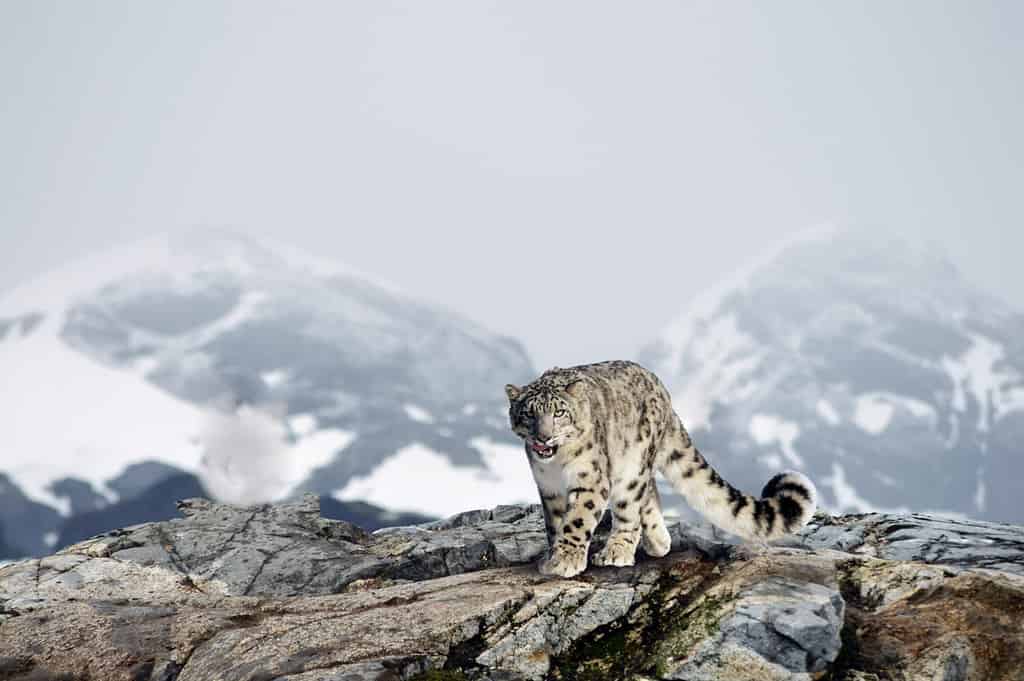
The snow leopard inhabits some of the most rugged mountain ranges in Asia, an area notoriously challenging to access. Many people consider the snow leopard one of the most beautiful cats in the world, thanks to its thick fur and markings. Its smoky-colored coat pattern allows it to blend perfectly into rocky surroundings. For many years, researchers knew little about its behavior because sightings were so rare. The cats often travel alone across expansive territories. Even experienced trackers can spend weeks searching without seeing one.
Bay Cat
©"Bay cat" by Oregon State University is licensed under BY-SA 2.0. – Original / License
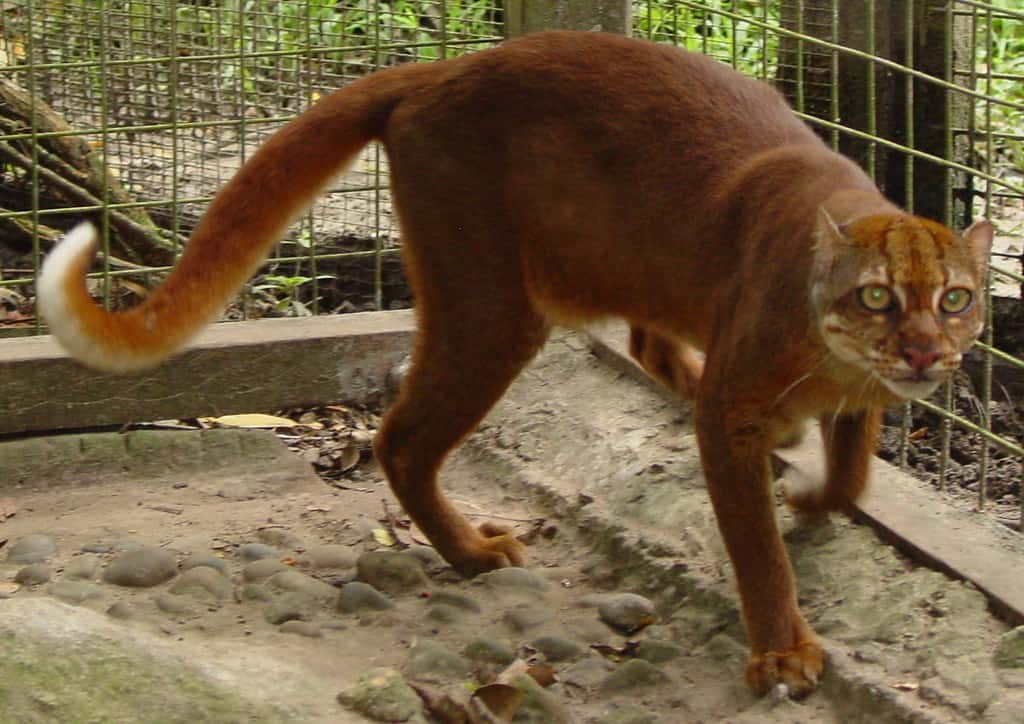
Found only on the island of Borneo, the bay cat is one of the least-understood cats in the world. Its rich reddish coat is quite unique, and few people are fortunate enough to see it in the wild. Its remote rainforest habitat does an exceptional job of providing coverage for these cats. Indeed, they are incredibly difficult to locate and observe. Though rarely spotted directly, scientists have managed to collect a decent number of trail-camera photos. Still, very little is known about its behavior or social life. Every new observation helps answer questions about one of the world’s least-studied cats.
Andean Mountain Cat
©Tharuka Photographer/Shutterstock.com
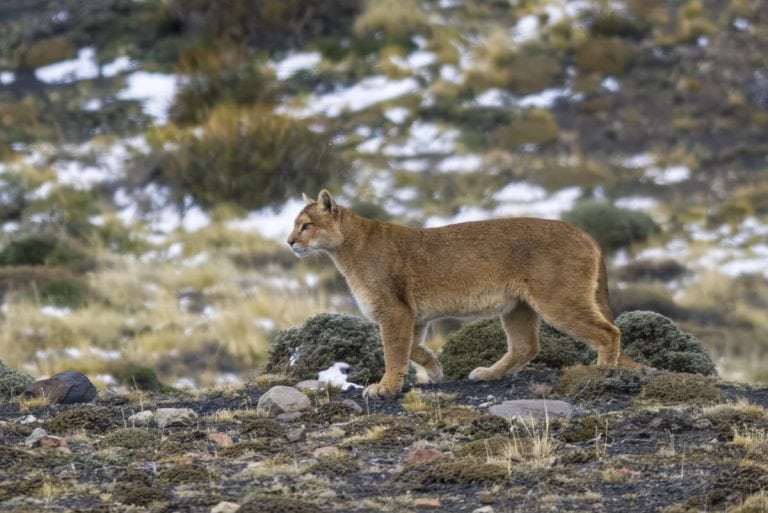
The Andean mountain cat lives exactly where its name suggests, high in the Andes of South America. Very few people have ever laid eyes on this gorgeous cat, mainly because it inhabits cold, rocky terrain at elevations above 10,000 feet. Its challenging environment and relatively small population make encounters extremely uncommon. Researchers often rely on camera traps and genetic evidence to track this mysterious cat. Its silver-gray fur and oversized dark eyes make it one of South America’s most stunning felines.
Marbled Cat
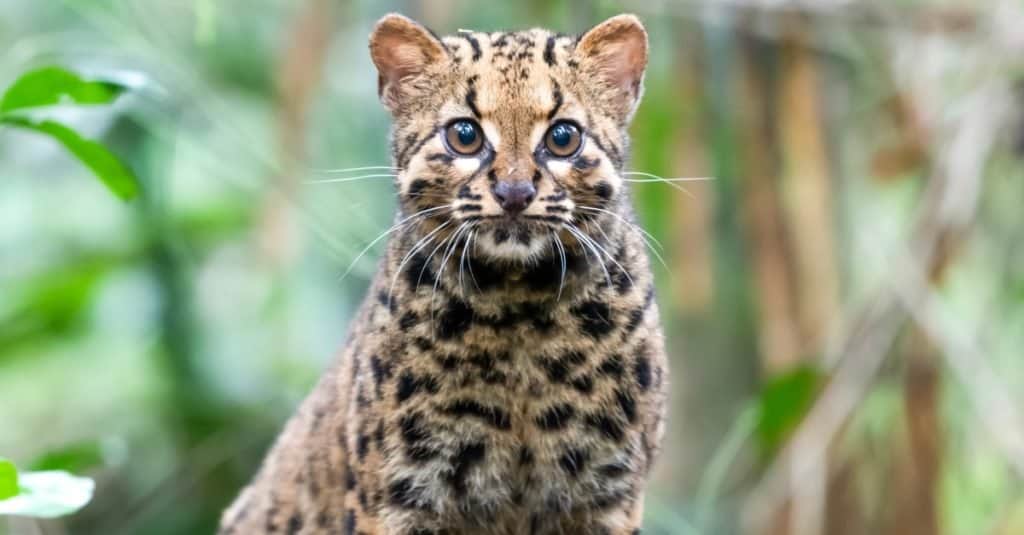
©Thawatchai Suttikarn/Shutterstock.com
The marbled cat of Southeast Asia looks a bit like a miniature version of a clouded leopard. Its coat is covered in swirling markings that resemble marble, giving the species its name. It spends almost its entire life in dense forests, where it evolved an expert tree-climbing ability. Though this small cat occupies a large range, its secretive nature makes it truly difficult to study. Scientists still know little about its population size, and most information comes from occasional camera-trap images.
Flat-Headed Cat
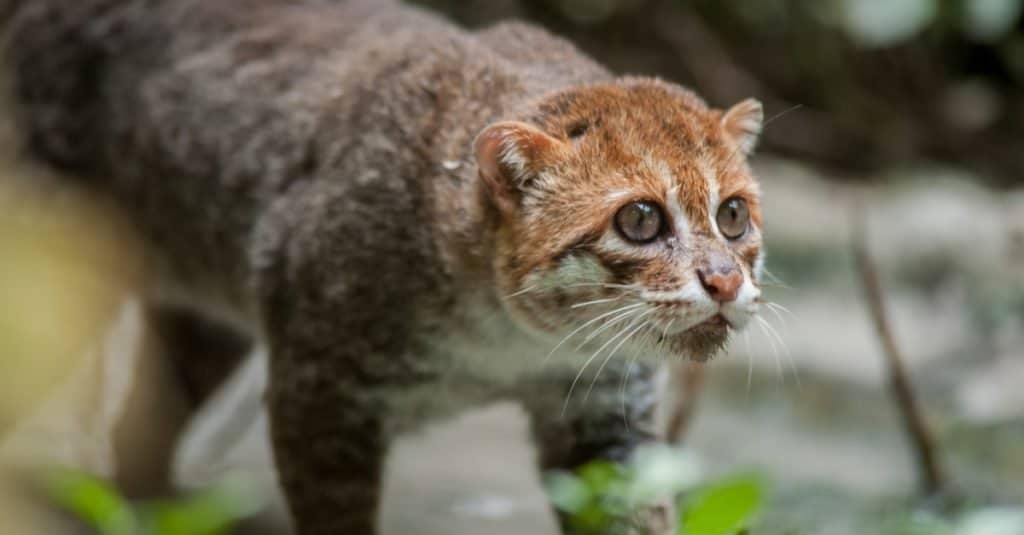
©Signature Message/Shutterstock.com
The flat-headed cat lives in wetlands and near rivers in Southeast Asia. Its expressive face and red-toned fur give it a unique charm. It spends its life near the water’s edge. It is primarily nocturnal, which adds to the challenge of spotting it in the wild. Habitat loss has also made the species hard to find. Due to a lack of opportunities to directly study this feline, its unusual appearance and behavior are still poorly understood.
Clouded Leopard
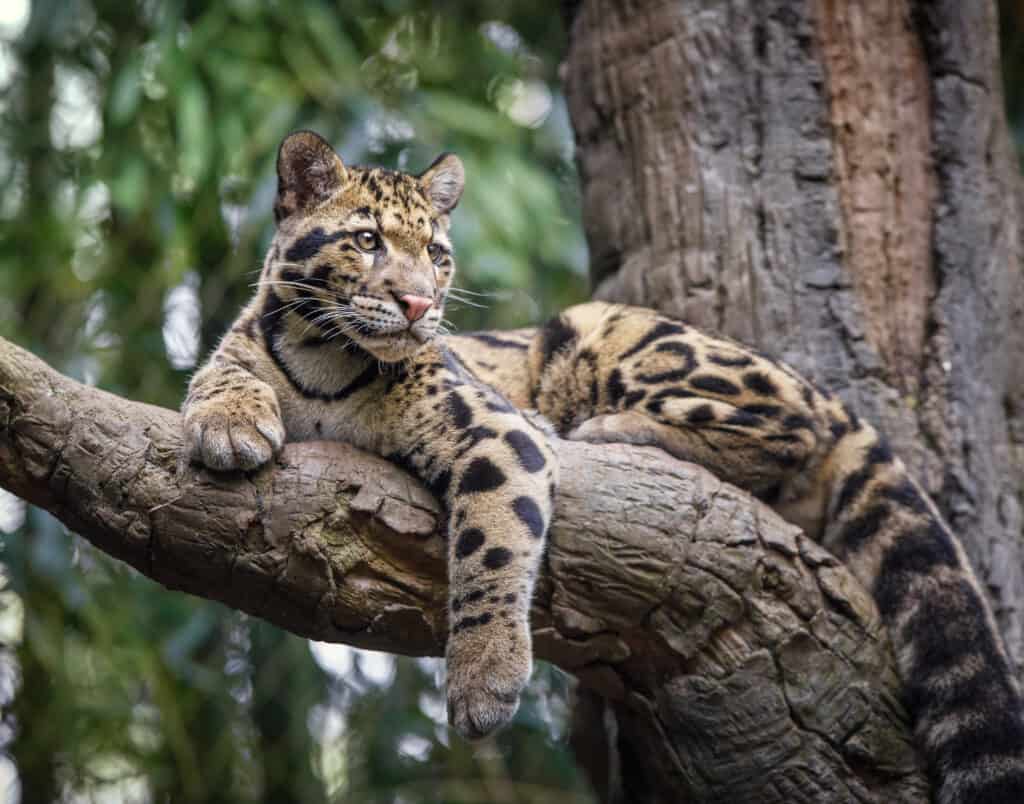
©jdross75/Shutterstock.com
Clouded leopards are known for their fluffy appearance and cloud-shaped markings. They inhabit a vast range that includes dense forests and the Himalayas throughout Southeast Asia. Their remarkable agility allows them to leap through trees unnoticed, contributing to their elusive reputation. Though they live in an area frequently visited by researchers, they are still rarely observed. Thanks to camera trap technology, many of the species’ secrets have come to light.
Kodkod
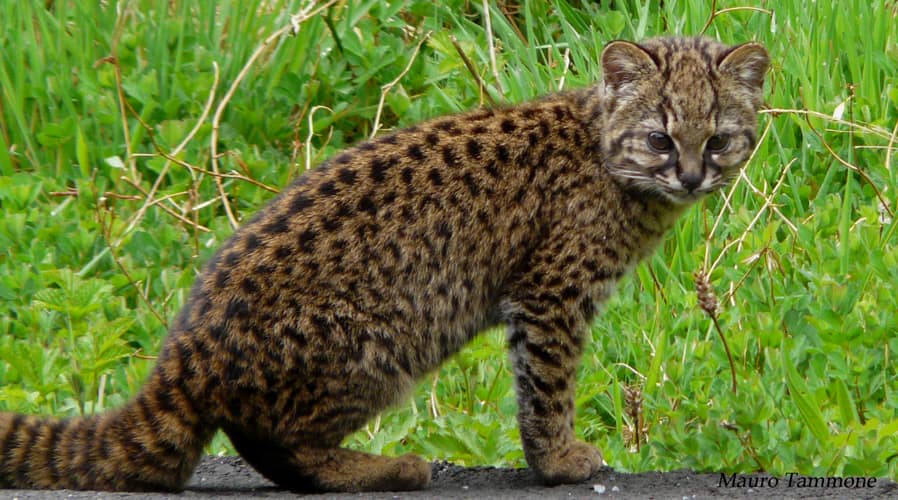
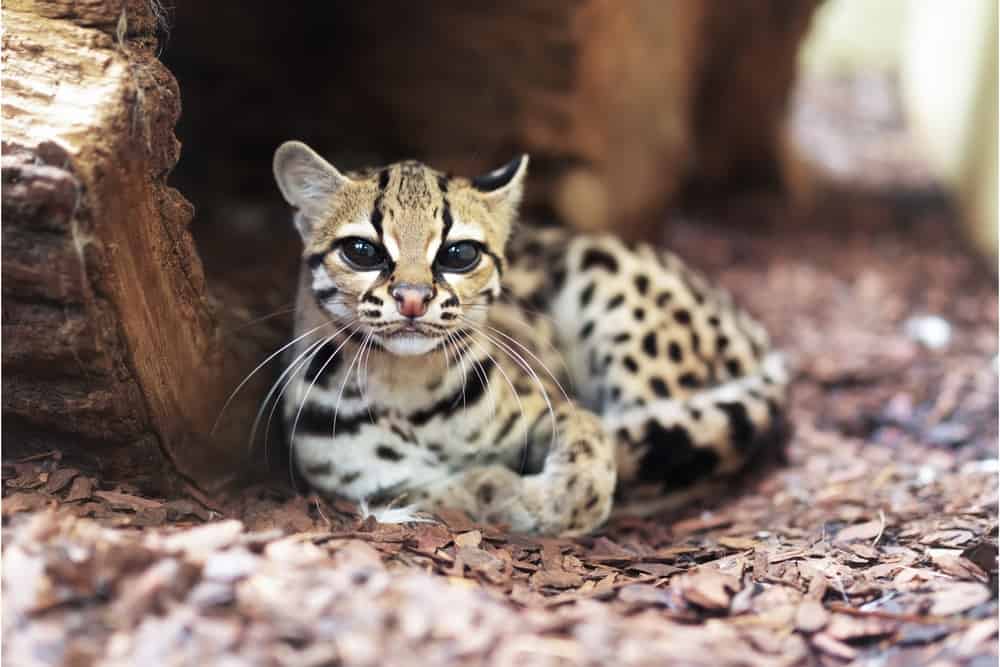
The kodkod is one of the least-known wild cats. Due to its small size and speckled coat, it is also one of the cutest wild cats in the world. Its range is limited to two countries in South America: Chile and Argentina. The forest-dwelling feline is tiny and nocturnal, making it nearly impossible to spot. Dense vegetation provides the perfect hiding places, helping the feline elude both predators and people and remain heavily shrouded in secrecy.
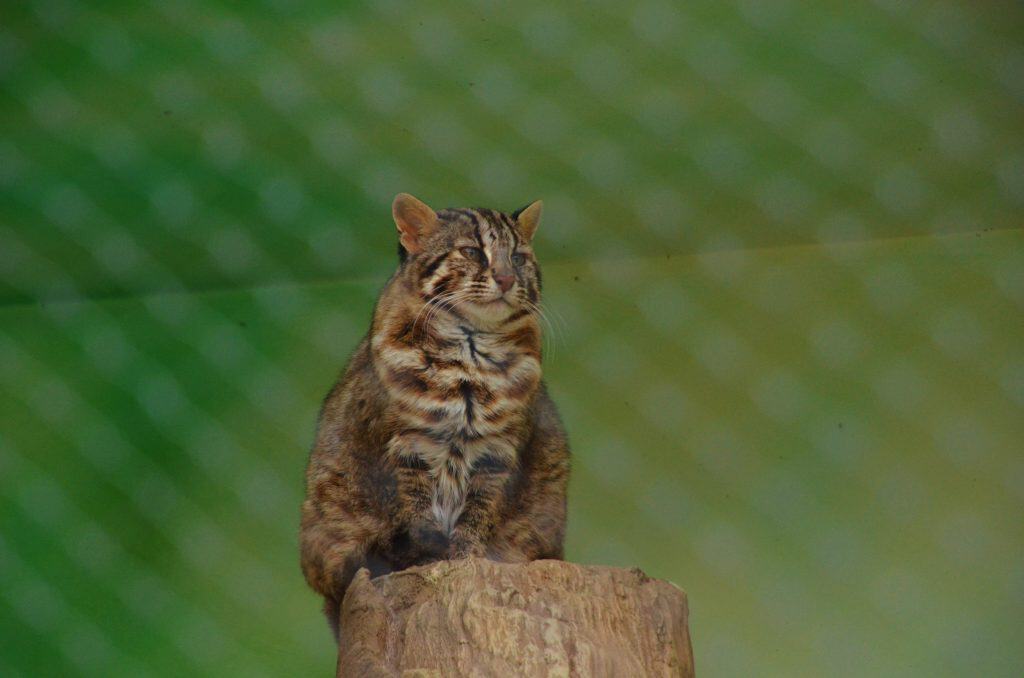
Iriomote Cat
©Yudai Ogawa/Shutterstock.com
The Iriomote cat is found only in Japan, specifically on the remote island of Iriomote. It closely resembles the ancestors of modern-day domestic cats. An isolated habitat and extremely low population of only a few hundred individuals means it is one of the rarest wild cats on Earth. These mysterious kitties remain concealed by the coverage of thick subtropical forests and swamps. Although conservation efforts have led to more knowledge regarding the species, encounters are almost unheard of.