
Quick Take
- The California grizzly bear became the official state animal in 1953, decades after it was eradicated from California.
- The California state flag has borne a grizzly since 1911.
- Before 1800, an estimated 50,000 grizzly bears roamed the West, but fewer than 2,000 remain in the lower 48.
- Stay with us to see what the 2025 California Grizzly Alliance feasibility study says about returning grizzlies to California.
The last time a grizzly bear was spotted in California was in 1924. This was two years after the last known killing of a grizzly bear in the state. Nearly three decades later, California designated the grizzly bear its official state animal. The iconic animal is also on the California state flag to represent the courage and resilience of the settlers. Additionally, the bear stands for California’s untamed wildlife and abundant natural resources. But why did California choose an animal that was eradicated from the state as its symbol?
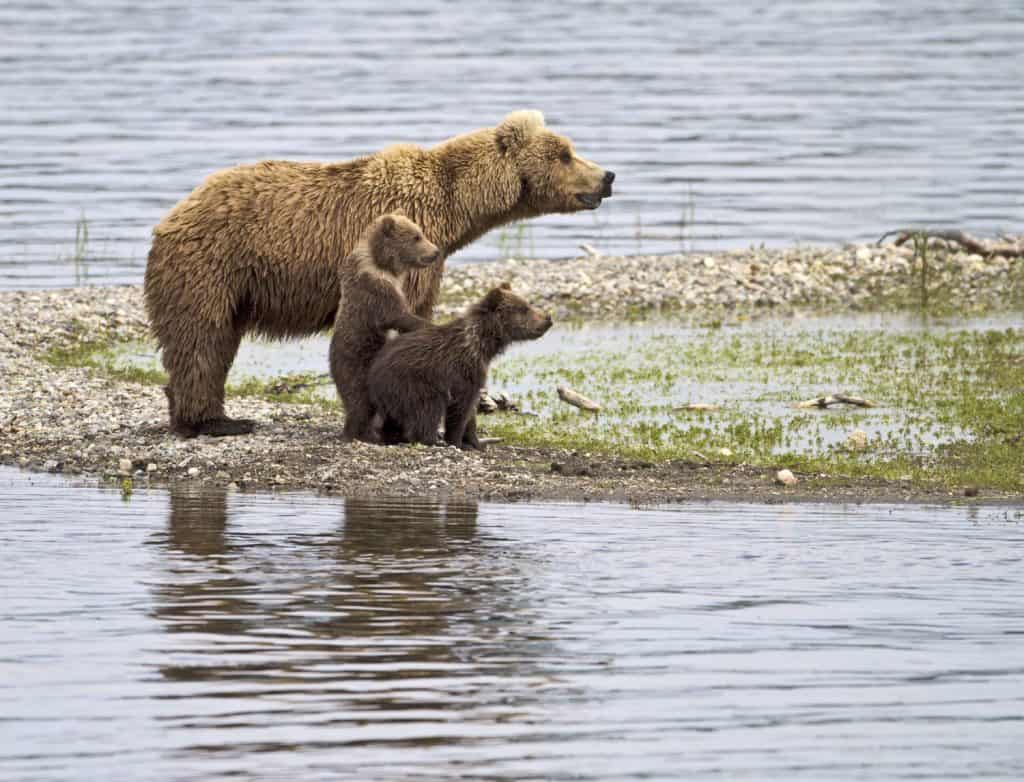
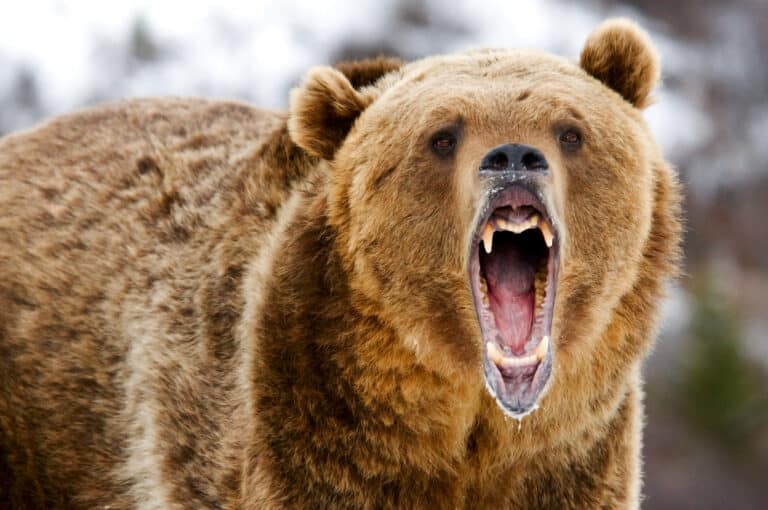
Grizzly bear cubs live with their mothers for about two or three years before living on their own.
©Richard Seeley/Shutterstock.com
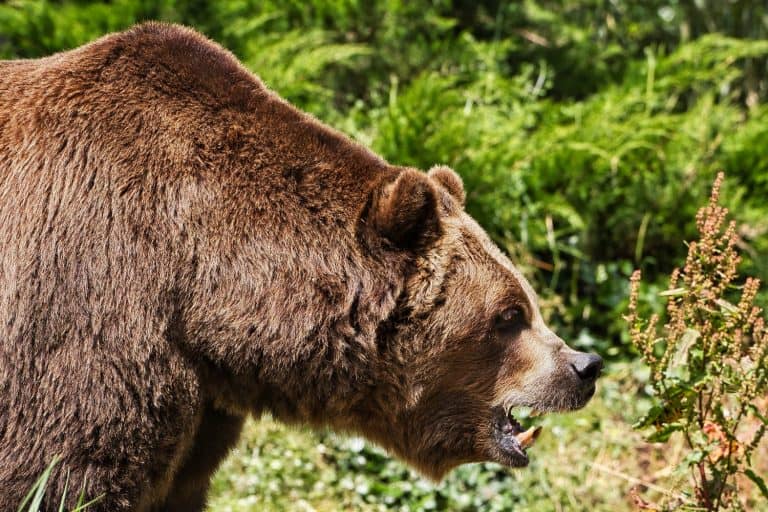
Grizzly bears were once abundant throughout California. The California grizzly bear (Ursus arctos californicus) was a subspecies of the grizzly bear (Ursus arctos horriblis). Today, the California grizzly bear is extinct, but grizzly bears still roam some parts of the U.S. Before 1800, experts believe that 50,000 grizzly bears lived throughout the West and Great Plains. Their range reached from Canada down to Mexico, and from California all the way to Kansas. Today, fewer than 2,000 live in the lower 48 states in Idaho, Montana, Washington, and Wyoming. An additional 30,000 grizzly bears live in Alaska.
As settlers moved across California, they viewed grizzly bears as a threat to their safety and livestock. When standing, the California grizzly bear reached a height of 8 feet, and males could weigh as much as 1,000 pounds. Stories of the ferocious predators wiping out entire flocks of sheep and their fearsome reputation led settlers to trap, hunt, and poison the bears to extinction. Furthermore, people viewed killing such a formidable creature as a great achievement. Sportsmen and ranchers hunted the bears for sport and as trophies. In 1922, a hunter shot the last bear in California in Tulare County. Two years later, the final sighting of a grizzly bear ever reported in California occurred in Sequoia National Park.
People wrote about frightful encounters with grizzly bears in journals and newspapers, leading many to view the California grizzly as a dangerous monster, rather than a wild animal trying to survive in a changing habitat.
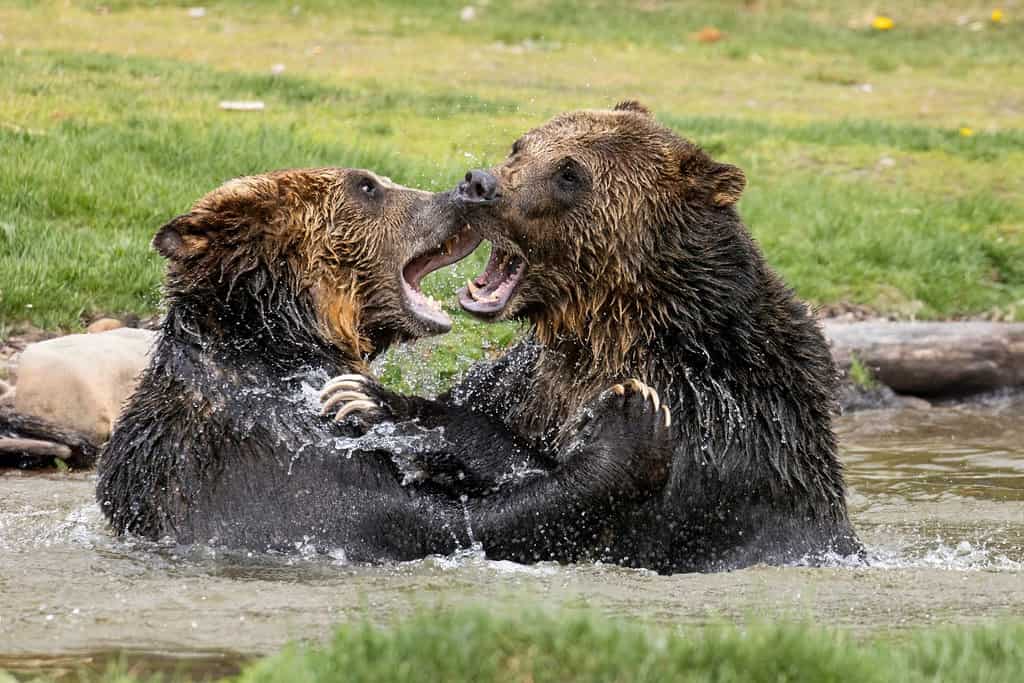
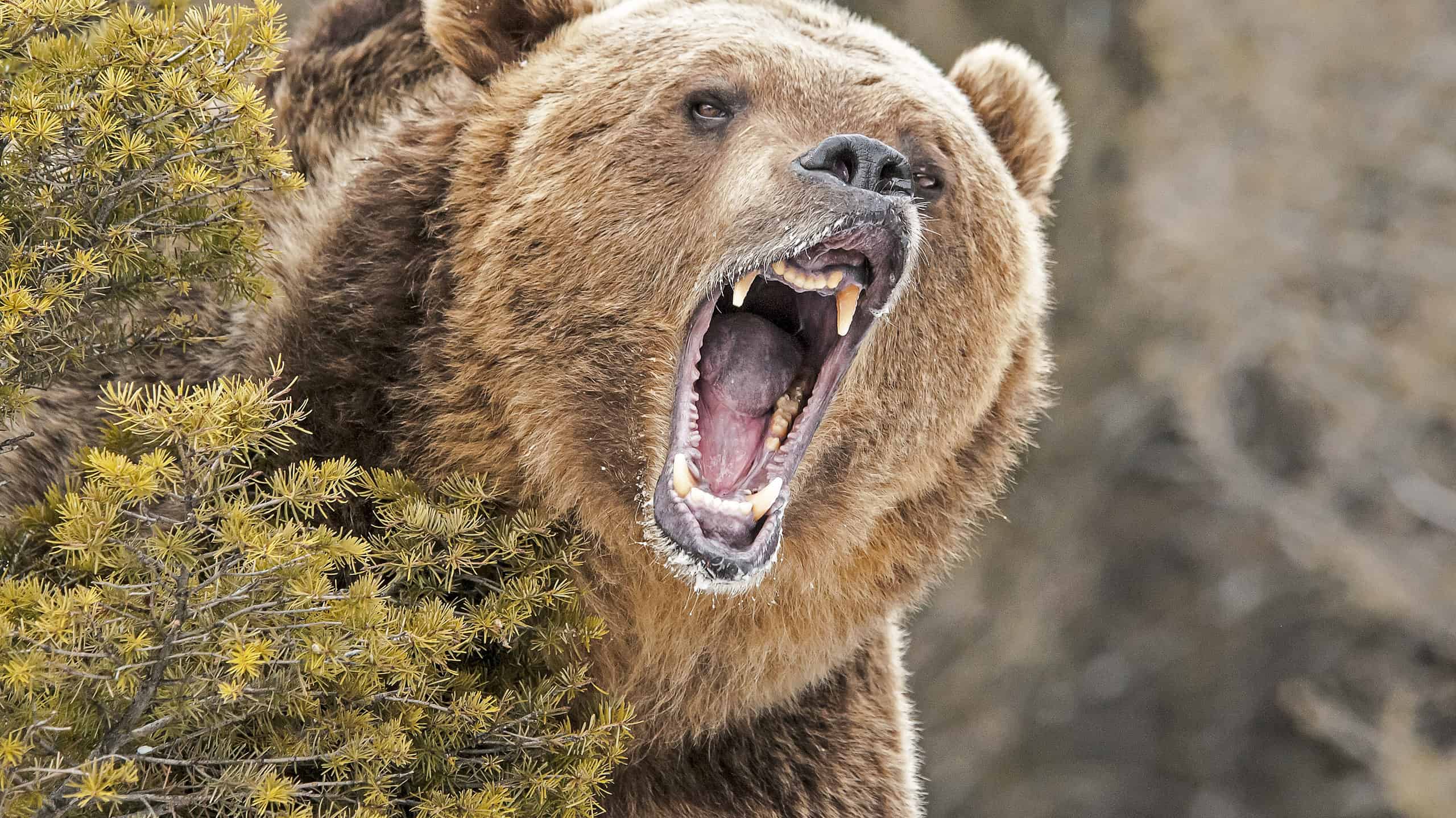
Grizzly bears are not as ferocious as their reputation, but they mainly eat plants, insects, and fish.
©Kenneth Keifer/Shutterstock.com
Today, experts know that grizzly bears were far less threatening than the legend that surrounded them. Although they did feed on livestock when given the opportunity, the bears mainly ate plants such as berries, roots, grasses, and nuts. Only a small portion of their diet consisted of fish, small animals, and larger animals. Indigenous people coexisted with grizzly bears for thousands of years. For many tribes, the bears had important cultural and religious significance.

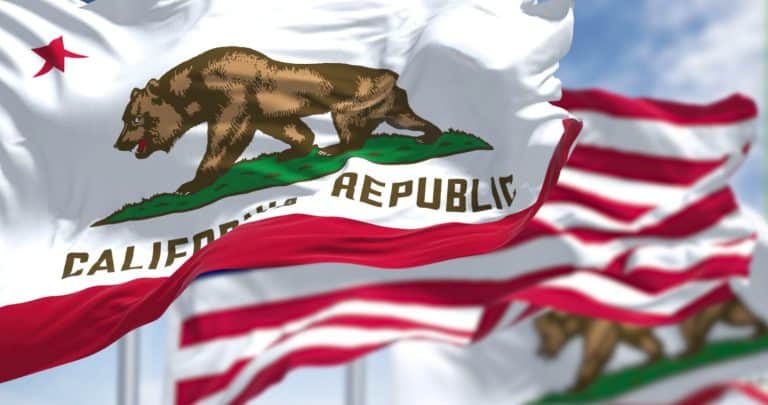
So how did California end up choosing an animal it fearfully hunted to extinction as its state animal? Before the state adopted the grizzly bear as its state animal in 1953, the grizzly bear had been on the state flag since 1911. It also adorned California’s unofficial Bear Flag of 1846. The model for the flag is said to have been inspired by a real bear named Monarch. In 1889, a team led by a reporter captured Monarch the bear as a publicity stunt at the request of newspaper publisher William Randolph Hearst. The bear spent most of his remaining 22 years in a small, concrete cage in San Francisco. However, aside from stories, there is no clear evidence that Monarch was the model for the flag. Correspondence between the flag’s designer and state officials makes no mention of the Monarch.
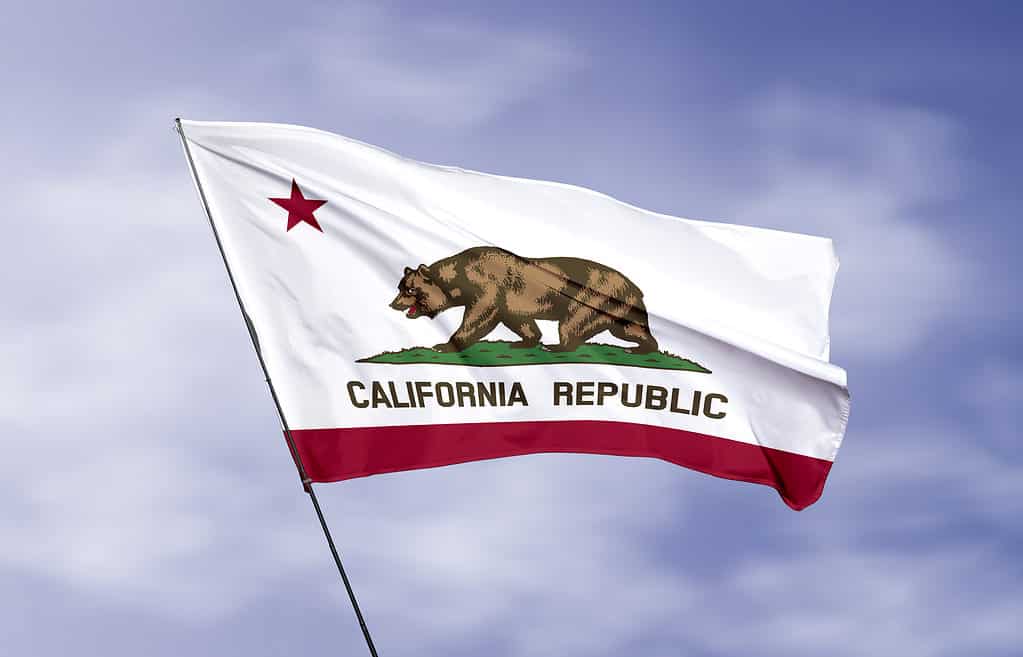
The state flag of California features a grizzly bear walking across green grass.
©iStock.com/Matthew Starling
Despite the eradication of grizzly bears from the state, the grizzly bear had become a symbol to Californians of strength and resilience, along with a nostalgia for the state’s wilder past. The State of California Capitol Museum states, “In 1953, the California grizzly became the official State Animal and remains one of the state’s most enduring and visible symbols.”
Could grizzly bears ever return to California? After all, they do exist in four of the lower 48 states. According to the Sierra Club, there is plenty of land in California for bear habitat. The California Grizzly Research Network conducted a report in 2023 on what it might take to reintroduce the grizzly bear to California. The report states, “For a state like California—which prides itself on its scientific prowess, artistic creativity, and environmental consciousness—their loss is an unhealed wound. Bringing them back would represent a bold and unprecedented triumph.”
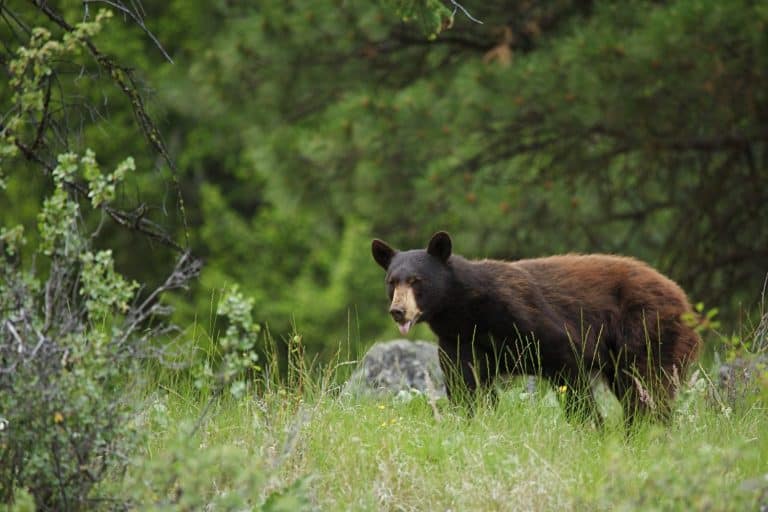
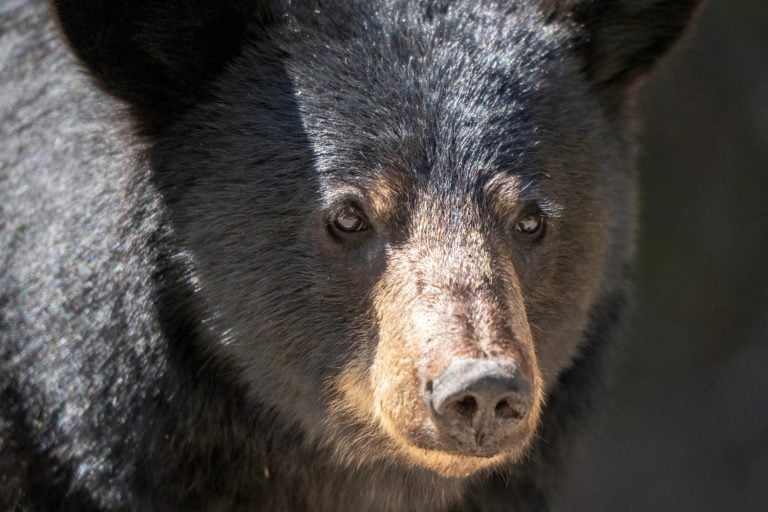
Most recently, the California Grizzly Alliance conducted a feasibility study released in 2025, where they determined it would be possible for the bears to return to the state. Grizzly bears are a keystone species in their habitats. Keystone animals affect many aspects of the ecosystems in which they live. Grizzly bears help maintain plant diversity by dispersing seeds from the large amounts of berries and other plants they consume. According to the feasibility study, coexisting with grizzly bears is similar to coexisting with the American black bear, which can be found throughout much of California.