
Quick Take
- The Beck buck, taken by Timothy J. Beck in Huntington County, measures 303 7/8 inches on the Boone and Crockett score.
- The biggest typical buck in Indiana scored 211 4/8 inches, taken by Dustin Huff in 2021.
- Indiana has been named the No. 1 Big Buck State per square mile by Boone & Crockett since 2016 due to a healthy population and one-buck limit.
- Stay with us to see why the Beck buck carries two different scores and which one is official.
What is deer hunting in Indiana like, and has it ever produced some impressive bucks? Although Indiana has plenty of flat terrain, some of the biggest bucks live here. How large was the biggest whitetail deer ever hunted in Indiana, and how does it compare to other record-breaking bucks in recent history?
One of Indiana’s largest bucks had a rack of antlers as wide or wider than the average cabinet. If you find it hard to believe, here are the specific record-breaking measurements for this buck, along with a few other noteworthy bucks hunted in the Hoosier State.

The Record-Breaking Buck From Indiana
According to the official record-keeping that most state agencies and big-game scorers rely on, the largest hunter-harvested whitetail deer found in Indiana is a non-typical buck. It was taken by Timothy J. Beck in Huntington County and has an official Boone and Crockett score of 303 7/8 inches.
This buck also had an inside spread listed at 23 1/2 inches, which is roughly the width of a standard 24-inch kitchen cabinet opening. Non-typical antlers—racks with abnormal points, extra tines, stickers, drop tines, or other unique features—tend to be among the largest found on bucks, including the one taken by Beck.
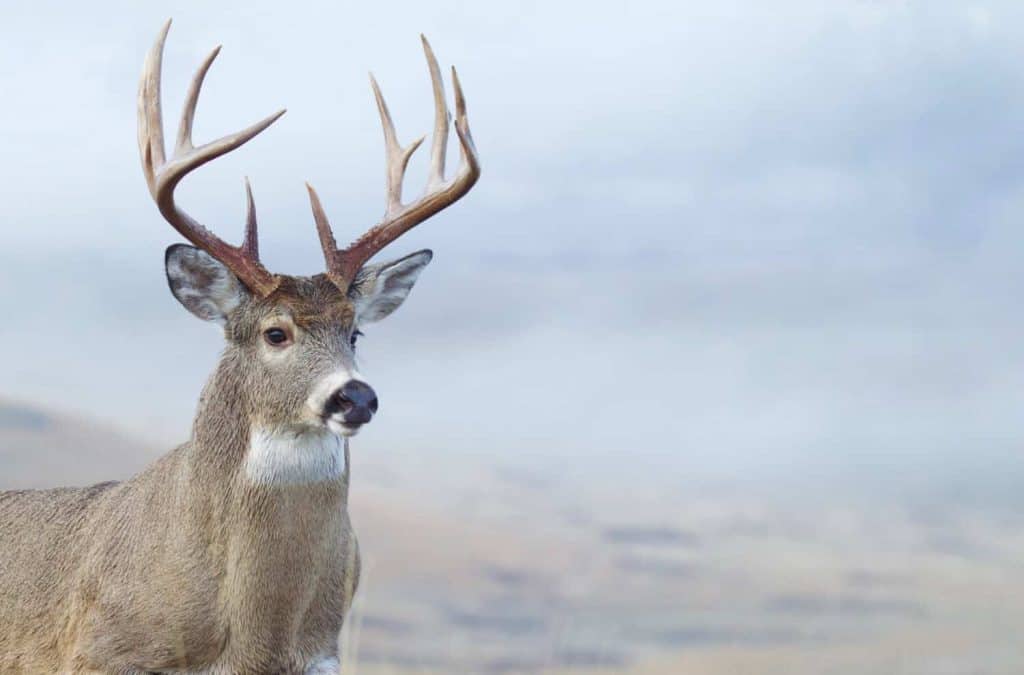
Indiana’s largest buck scored high in its antler spread and the number of points.
Here is the complete record of this impressive buck:
- 303 7/8 inches (overall score)
- Harvested on November 17th, 2012
- Hunter: Timothy J. Beck
- Huntington County, Indiana
- 35 total points
- Main beams are right around 30 inches and 29 inches
- 23 1/2-inch inside spread
If you’re unfamiliar with antler scores, these numbers indicate a rack that is physically massive.
Why Are There Two Different Scores for the Same Deer?
This deer has two different scores, which is why it may not always be listed as the largest whitetail in Indiana. The Beck buck is referenced with a score around 305 7/8 inches, while others cite the official 303 7/8 inches. Why the discrepancy? This is usually due to the difference between gross and net scoring, and which number a reporter chooses to cite.
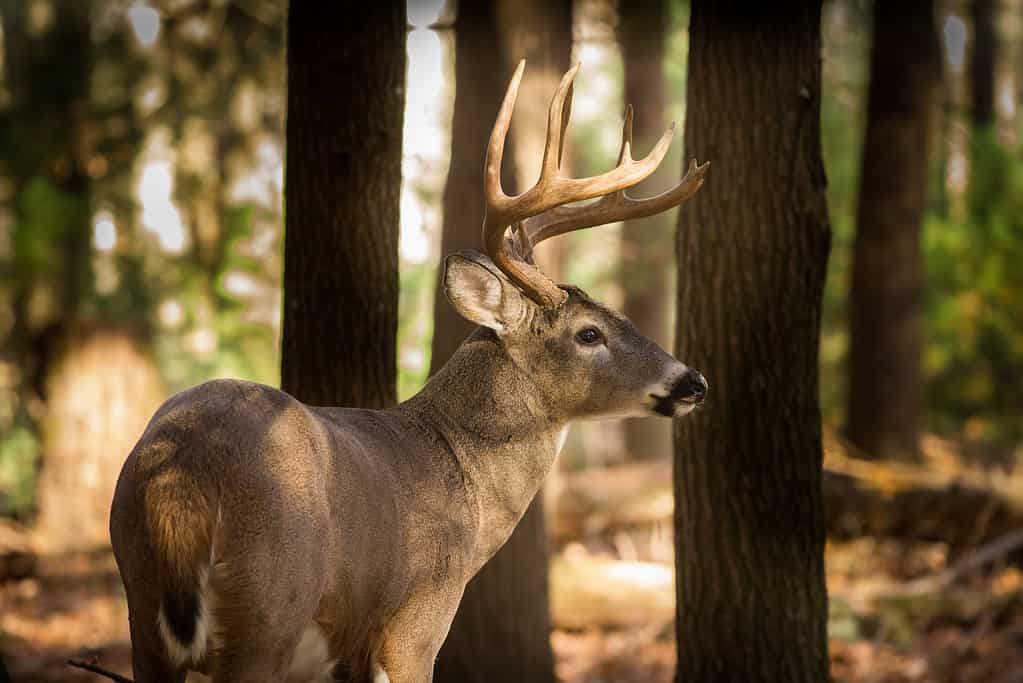
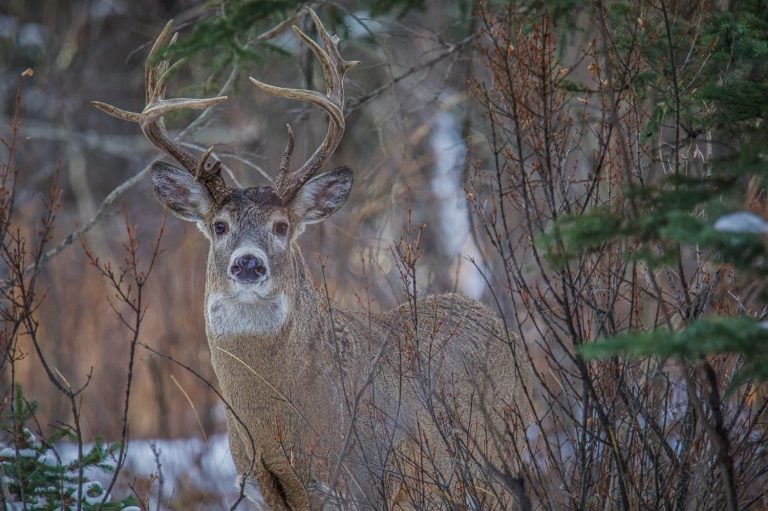
300-class whitetail deer are record-breaking and impressive, no matter what state you’re hunting in.
©EEI_Tony/iStock via Getty Images
In other words, one number reflects the rack before deductions, while the other is the official, final score after all deductions are made according to scoring rules. Either way, the Beck buck is still a 300-class Indiana whitetail, which is an outlier by any standard, across multiple states.
The Biggest Typical Buck in Indiana
Indiana boasts impressive records for both non-typical and typical bucks.
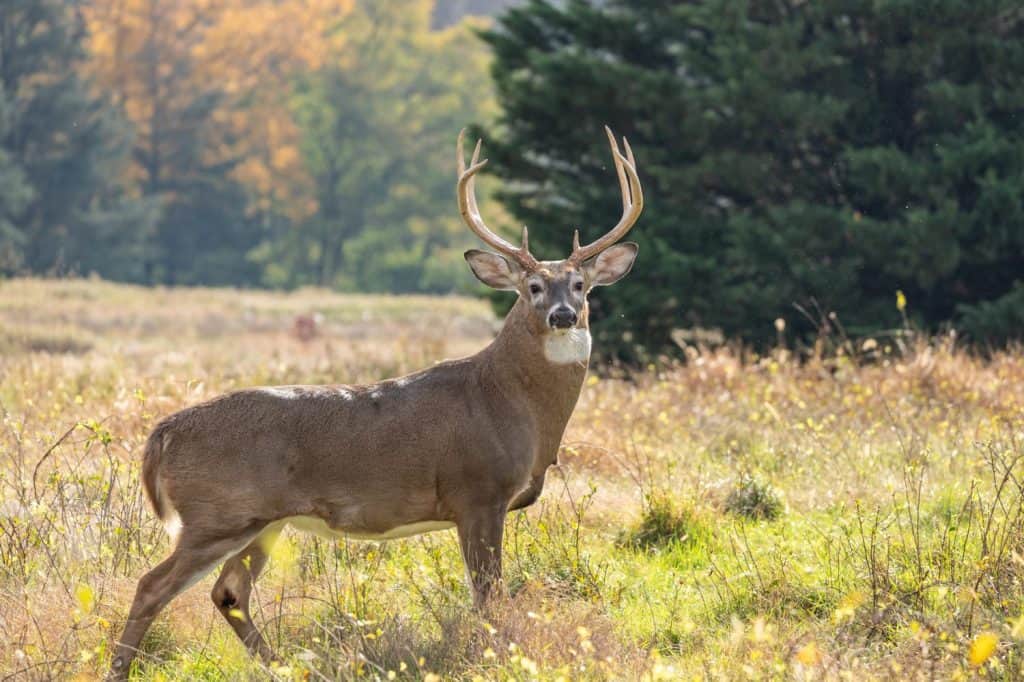
Another impressive deer was taken in Indiana in the year 2021.
©Amy Lutz/Shutterstock.com
Boone and Crockett states that Indiana’s biggest typical whitetail was taken by Dustin Huff, scoring 211 4/8 inches. This deer was taken in 2021, which makes sense given Indiana’s hunting rules. The state has a one-buck rule, instituted in 2002, which helps produce older bucks that have time to grow impressive antlers.
Other Record-Breaking Bucks in Indiana
Some of the other most impressive and show-stopping bucks in Indiana include:
- Wes W. Nicely: Boone County (2024), Non-Typical; 295 5/8
- Dustin Huff: Decatur County (2021), Typical; 211 4/8
- Richard W. Eldridge II: Miami County (2016), Non-Typical; 262 or 273 4/8
- Rex A. Millspaugh: Delaware County (2020), Non-Typical; 259 2/8 or 267 7/8
- Tony K. Self: Parke County (2012), Typical; 199 2/8 or 202 3/8
Why Big Bucks Keep Showing Up in Indiana
Indiana’s own wildlife agency recognizes just how impressive their bucks are, with good reason and statistics to back it up.

Indiana has many strategies at work behind the hunting scenes, which contribute to large and strong whitetail populations.
©Oleksii Liskonih/ via Getty Images
The state’s agency says Indiana is the “No. 1 Big Buck State”, based on Boone & Crockett records per square mile since 2016. They also explain why: a healthy deer population, county-level deer management goals, a one-buck seasonal limit that allows bucks to age, and strong habitat areas made up of forests, fields, wetlands, and ample edge cover.
If enough bucks reach older age classes and have access to good nutrition and cover, as is the case in Indiana, a small percentage will develop into something special. That’s how these record-breaking bucks keep showing up in the state of Indiana.
A Boone and Crockett score is not the deer’s body weight or the overall length of the antlers in a straight line. It’s a standardized way of measuring antlers. Everything from the spread, beam length, tine length, and circumference is measured and scored, allowing different animals to be compared consistently.
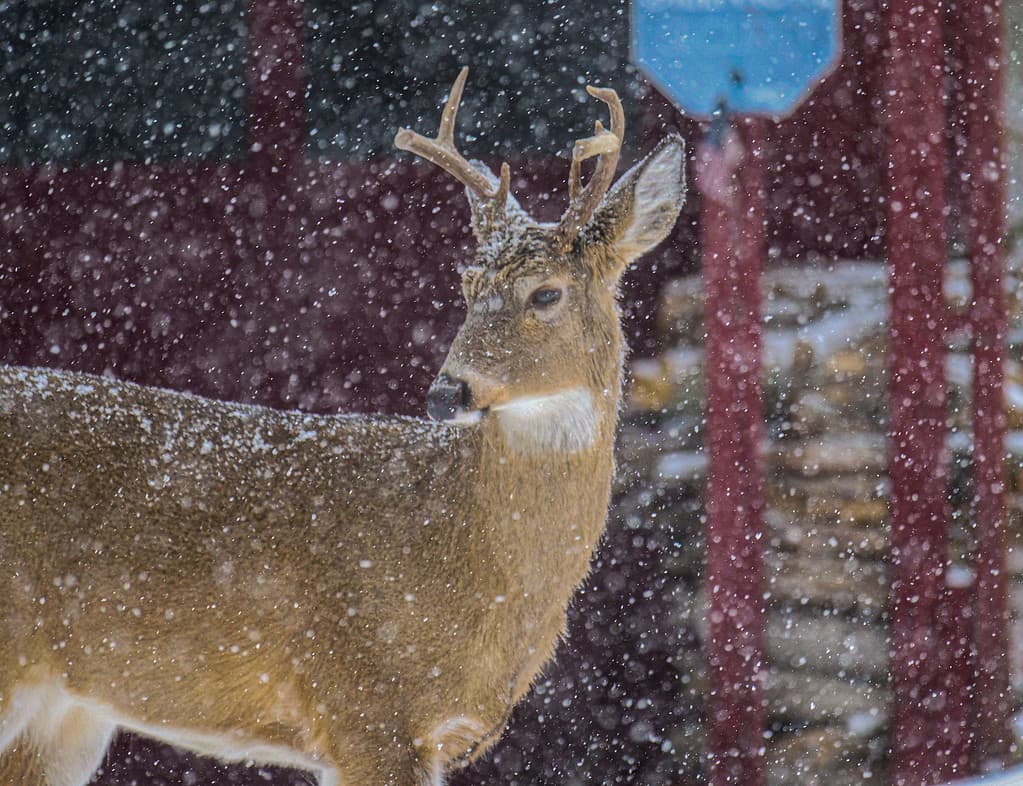
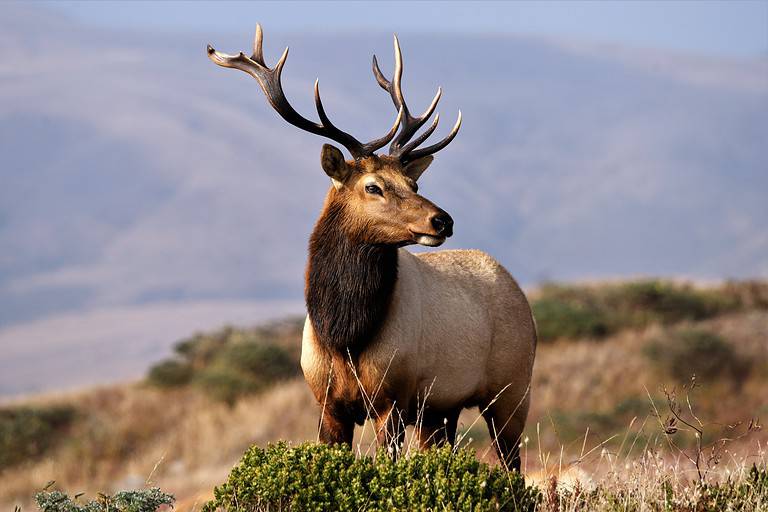
Indiana’s record-breaking bucks have impressive points and spaces between their antler beams, leading to higher scores.
©Ralph Navarro/iStock via Getty Images
For the record-breaking Beck buck, the inside spread of 23 1/2 inches tells you it’s a physically wide rack. And that’s just the space between the beams, before accounting for the antler mass and all of its many points.
Why “Largest” Means Different Things to Different Hunters
Based solely on its overall score, the Beck non-typical buck is the largest recorded in the state. However, these scores aren’t the only measurements used when bringing in hunted deer.
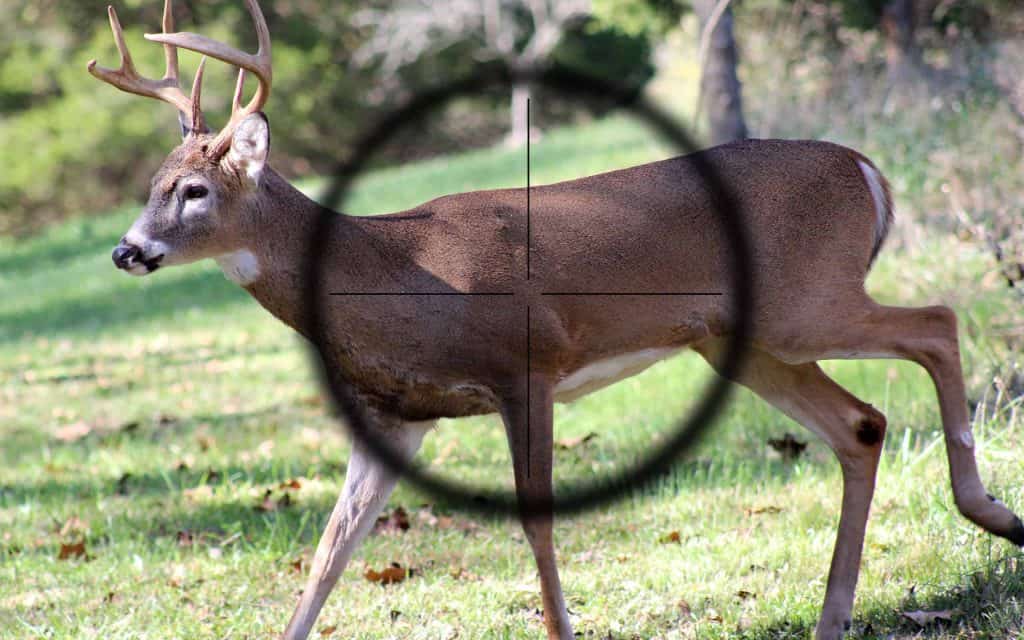
The antlers aren’t the only way hunters determine large deer; the mass and typicality are also considered.
©AdamLongSculpture/ via Getty Images
Hunters define “largest” in other ways, such as:
- Biggest-bodied buck (either when field-dressed or its live weight)
- Widest rack (the spread of the antlers)
- Most points
- Biggest typical vs biggest non-typical
- Biggest taken with a certain weapon (archery, crossbow, firearm, etc.; different scores apply)
The focus on antlers in record-breaking discussions is because antlers are measurable and comparable year after year. Body size is much harder to compare, especially since field-dressed weights can vary greatly depending on food availability and processing methods. Additionally, the number of points is not a complete indicator of size, especially when compared to body mass or antler spread.
What to Do If You Think You’ve Got a Record-Breaking Deer
If you’re a hunter wondering whether you’ve taken a record-breaking deer, there are steps you should take to confirm it. Here’s what to do.

If you’re a hunter, determining if you have an impressive buck on your hands is best verified through state wildlife organizations.
©Tony Campbell/Shutterstock.com
If a deer looks like it might be truly special, given its size and antlers, the safest option is to preserve it properly. This involves keeping the skull plate intact and ensuring the antlers are undamaged. Additionally, it’s vital to document it clearly and work with an official measurer for whichever record-keeping organization you’re pursuing.
Indiana’s deer resources and research are built around careful management and reporting, and the state’s public messaging makes it clear they value data and long-term herd tracking. The state has worked hard to care for its deer populations with the long term in mind, as any good hunting program should.
Huge Deer Thrive in Indiana’s Habitats
At the end of the day, Indiana’s largest hunter-harvested whitetail on record is Timothy J. Beck’s non-typical buck from Huntington County, though other bucks approach an impressive 300+ score. While antler size isn’t everything, it certainly contributes to Indiana’s reputation and the overall success of its hunting season.
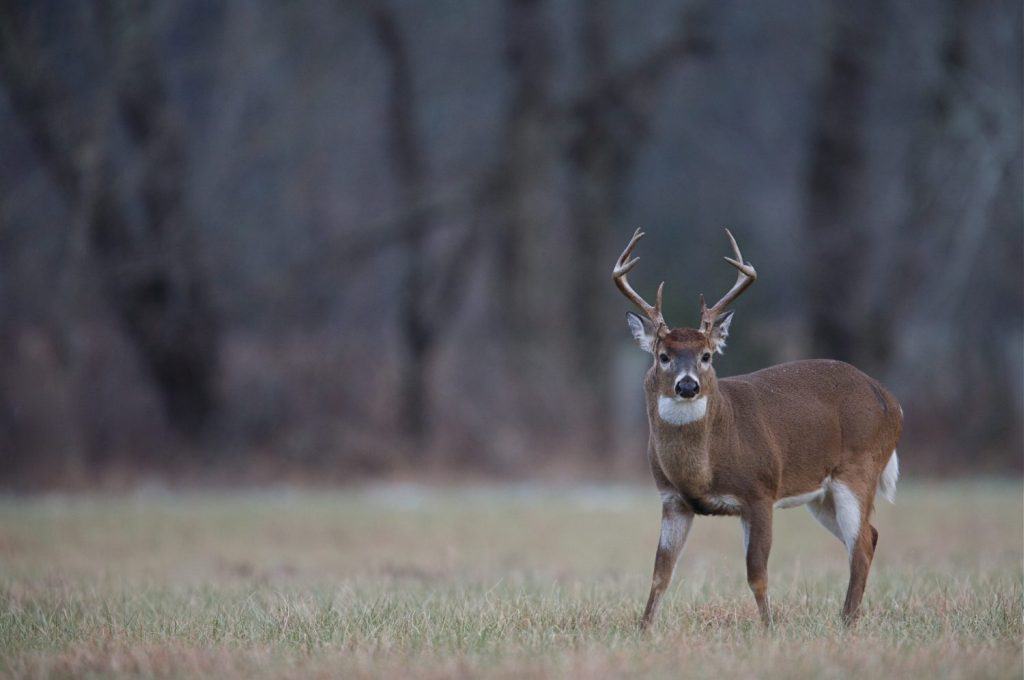
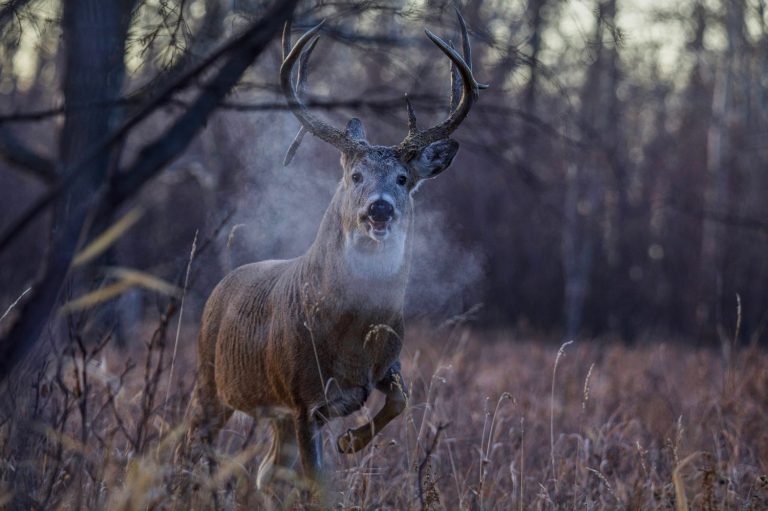
Indiana’s deer population is allowed to age, producing larger, more impressive bucks over the years.
©Tom Reichner/Shutterstock.com
Indiana doesn’t just occasionally produce big deer; they are much more common than you might think, thanks to active statewide efforts. The state’s management of both deer and habitat ensures these impressive animals continue to thrive, and every fall, a new hunter discovers just how large Indiana’s bucks can be.