
Quick Take
- Its adorable face is part of the problem. The Andean cat's appearance masks a conservation crisis most people never see coming. See the hidden crisis →
- One male Andean cat needs more space than you'd ever guess, and that appetite for territory is quietly driving the species toward collapse. Explore its territorial needs →
- Camera traps took three years to catch this cat on film, but scientists are asking whether even that win actually matters. Question the camera trap wins →
- The rarest wild cat in the Americas has been hiding in plain sight across four countries, and almost no one knew it was vanishing. Discover how rare it is →
High in the Andes, a seldom-seen wild cat recently made a rare appearance. Years of patience, well-placed camera traps, and an element of chance finally paid off for researchers trying to unveil the hidden life of this elusive feline.
Continue reading
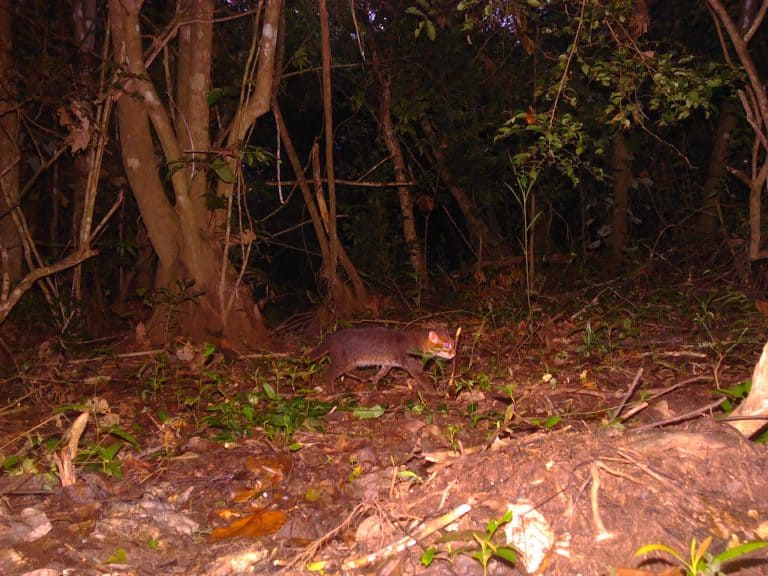
Big Cat Rescue, working alongside the Pampas Working Group and Quechua Women for Conservation, managed to capture clear footage of an Andean cat and her kitten. This intimate glimpse came only after three years of continuous monitoring using surveillance cameras.
A Secret Existence in the Mountains
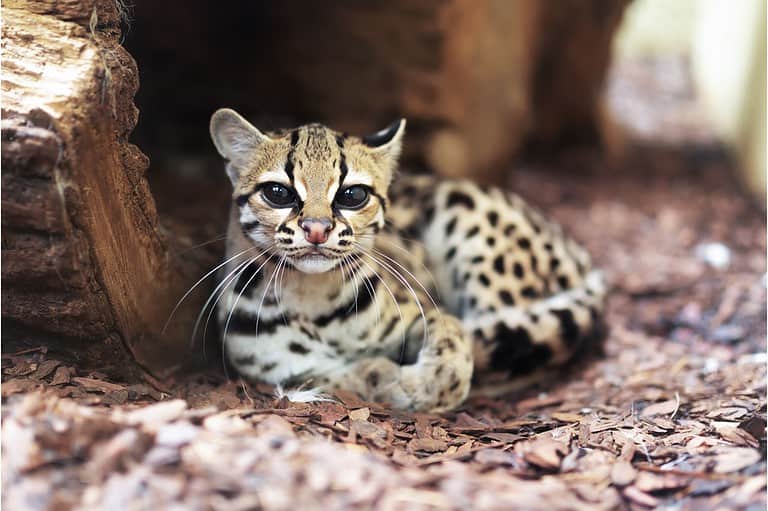
The Andean cat, often called “ghostlike,” roams elevations from 1,800 to 4,000 meters across the mountains of Peru, Bolivia, Chile, and Argentina. Its thick fur and striking appearance might make it look endearing, but its situation is grim. As Big Cat Rescue puts it, “With their thick coats and adorable faces, it is hard to believe these beautiful felines are among the most endangered species in the world.”
The Andean cat’s secretive habits add to its mystery. Mostly nocturnal, it sometimes appears at dusk, making direct encounters a rarity. The species demands vast territory; some males roam areas as large as 5,000 soccer fields. Such requirements, combined with habitat fragmentation, have left the population dangerously small.
On the Brink: The Rarest Cat in the Americas
According to the Andean Cat Alliance, this small feline is the most endangered wild cat in the Americas, and one of the five most threatened cat species globally. Current estimates suggest only 2,177 adult individuals survive across their entire range.
This population crisis stems from widespread habitat loss and other pressures that continue to erode the Andean cat’s home. Every sighting feels significant, not just to researchers, but for anyone concerned about the fate of disappearing species.
The Power and Limits of Camera Traps
Camera traps have become an essential tool for learning about these rarely seen animals. The photos and videos have the power to raise awareness about the species’ precarious status and the unique environments that support them.
Yet as these seldom-seen images circulate, a question remains for biologists and conservationists: Will these glimpses of a vanishing cat and the emotional connection they create be enough to inspire the concrete actions needed to protect the Andean highlands before time runs out?
Each precious sighting reminds us of what is at stake. The story of the Andean cat is not just about one rare creature. It reflects the broader fragility and possibility woven throughout Earth’s remaining wild spaces.