
Quick Take
- Bearded vultures are born with white feathers, which they deliberately work to get rid of. See how dyeing works →
- The leading theory behind the orange color has nothing to do with attracting a mate. Explore the leading theories →
- Captive bearded vultures look nothing like their wild counterparts, a difference that exposes exactly how the dyeing works. See the captive comparison →
- Scientists have several competing theories for this behavior, and none of them have been ruled out yet. Read the competing theories →
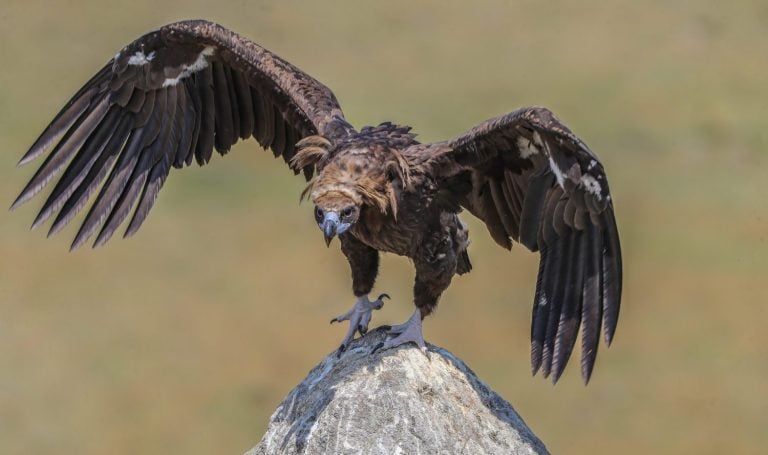
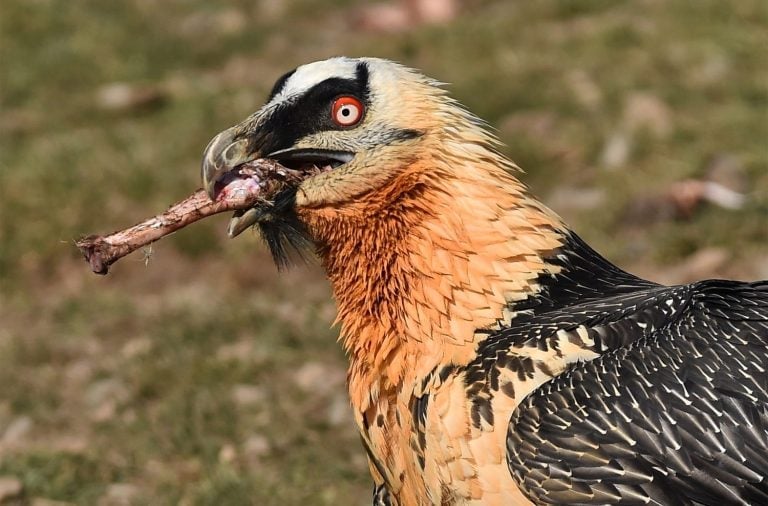
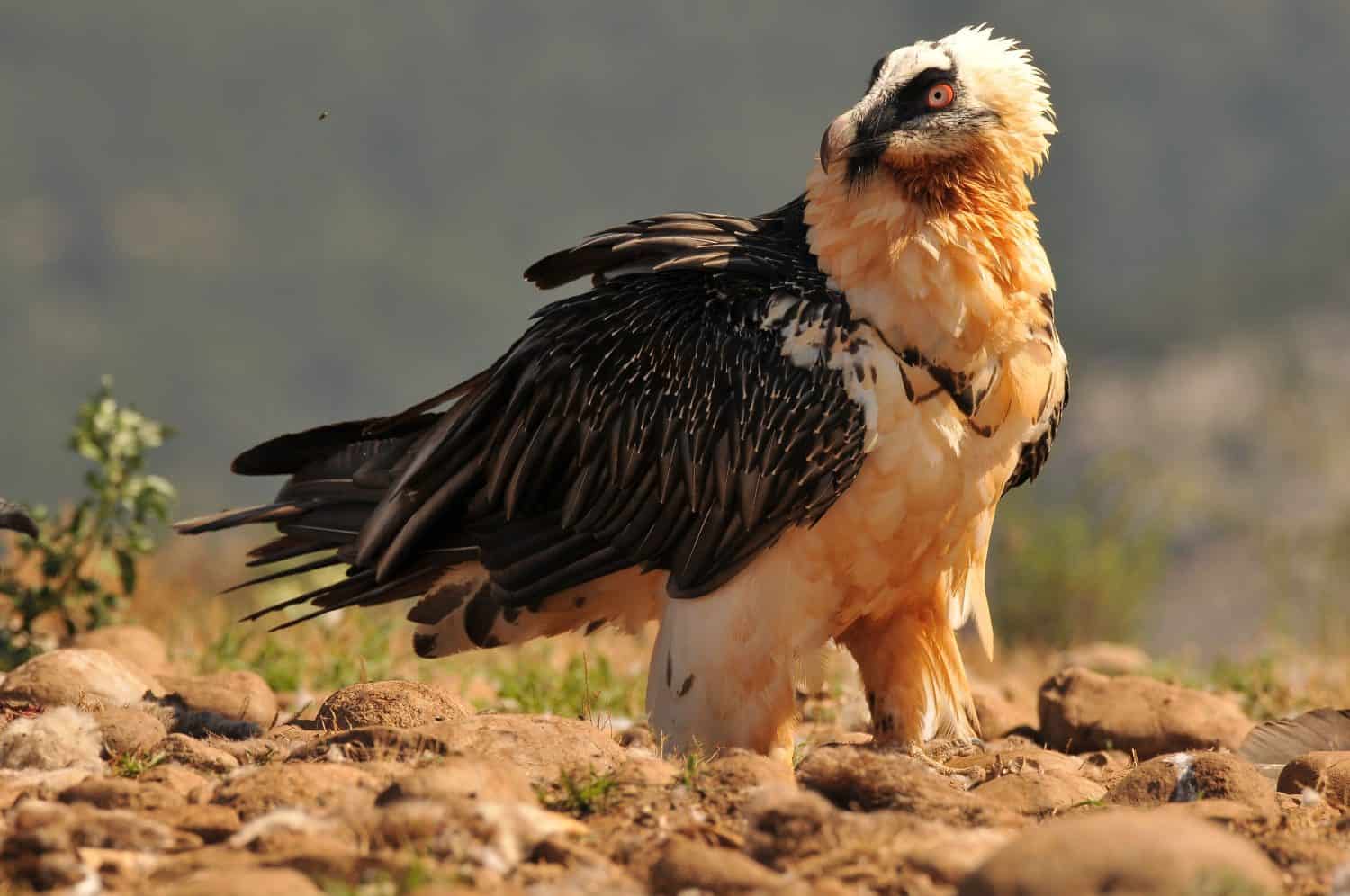
Bearded vultures have beautiful orange feathers. However, the birds aren’t born with vibrant plumage; the color is the result of dye. They bathe their naturally white feathers in mud and soil to achieve their orange shade. Interestingly enough, scientists aren’t certain of the reason for this behavior, but they have many different theories. This YouTube video by Animal Fact Files explains some interesting facts about these vultures.
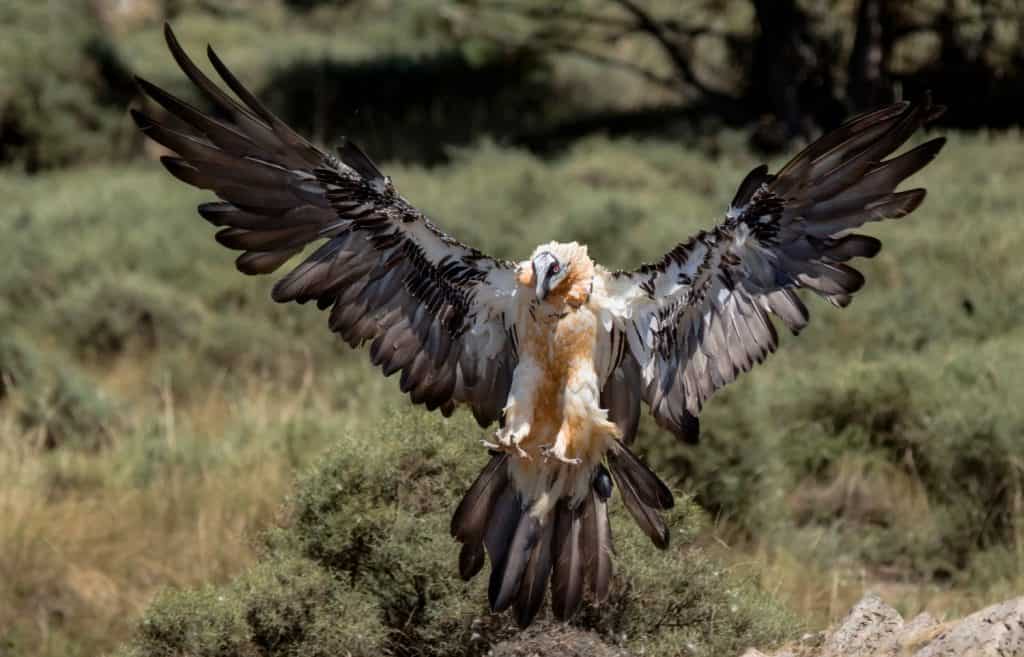
Bearded vultures are scavengers that help to prevent the spread of disease by feeding on dead animals.
©Andrea Vergani/Shutterstock.com
How Bearded Vultures Get Their Orange Feathers
Bearded vultures are an interesting example of animals in nature that deliberately change their appearance. When in captivity, these vultures keep their natural white breast and neck feathers, as the enclosures they live in only have clean bathing water. But in nature, these birds change their look drastically. They cover themselves in the iron-rich mud and soil of their mountainous habitat to purposefully dye their feathers. The iron oxides stain their feathers a bright orange color, as shown in the video above. The coloring adds to the vultures’ already intimidating appearance. Bearded vultures are scavengers that eat the remains of deceased animals, specifically feeding on their bones. Bones make up roughly 70% of their diet, but does this feeding behavior explain why they dye their feathers?
Unfortunately, scientists still don’t know why bearded vultures dye their feathers. The strongest hypothesis is that the dramatic orange color acts as a social signal. A bird with more intense coloring shows that it knows where iron-rich springs are, indicating experience and social dominance. Other theories suggest that it’s done for grooming, as the mineral-rich water and mud can protect their feathers from environmental damage. Similarly, the mud may prevent bacteria from damaging their feathers and discourage parasites from using them as a host. However, all of these are simply theories with further evidence needed to support them. Regardless of the reason behind the unique color change, the fact that these birds intentionally change the appearance of their feathers is a remarkable trait rarely seen in nature.