
Quick Take
- Children’s books provide language and reassurance after the loss of a pet.
- Stories help normalize grief while emphasizing memory, love, and healing.
- Reading together supports both grieving children and the adults guiding them.
Many of us have experienced the loss of a pet. It’s a feeling that words can hardly capture—horrendous, often surprisingly so. For a child, that grief can be even more overwhelming. Although words may not fully express the pain of losing a pet, they can be an important part of beginning the healing process.
Numerous books exist to help guide kids through this sad time—and as you read them to your grieving child, they just may help bring you a little solace as well. Below is a list of some of the highest-rated books to help children cope with the loss of a pet, organized by age appropriateness from youngest to oldest.

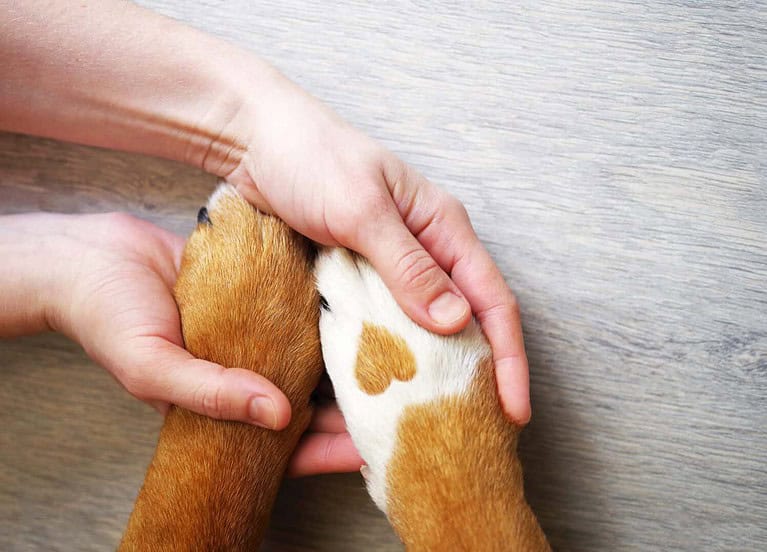
Books offer comfort when young hearts struggle with sadness after saying goodbye.
©ipolonina/iStock via Getty Images
The Invisible Leash: A Story Celebrating Love After the Loss of a Pet — Patrice Karst
This warm picture book uses the idea of an “invisible leash of love” to explain that even though a pet has died, the connection doesn’t disappear. The story helps children understand that love lasts even after goodbye, and frames grief as a reminder of deep affection rather than something to hide. Many families find its metaphor comforting and easy for young children to grasp.
Goodbye Mog — Judith Kerr
A classic for many British and international young readers, Goodbye Mog follows a family and their beloved cat, Mog, as she grows old and eventually passes away. The story is an honest portrayal of sadness, but it also shows how families remember and move forward together.
Dog Heaven — Cynthia Rylant
This beloved picture book imagines a joyful afterlife designed entirely with dogs in mind—endless treats, favorite toys, wide-open spaces, and unconditional love. Cynthia Rylant’s gentle, lyrical tone reassures children that their dog is happy and still remembered, even after death. The book offers comfort through warmth and imagination.
When a Pet Dies — Fred Rogers
This sweet picture book by Mr. Rogers helps children talk about and express their feelings of grief. Through simple language and reassuring storytelling, the book explains that it’s okay to feel sad, that memories matter, and that there isn’t a “right” way to feel after losing a furry friend.
Saying Goodbye to Lulu — Corinne Demas
This story follows a young girl and her dog Lulu through their time together, including Lulu’s final days and eventual passing. The book stands out for its realistic portrayal of a pet’s life and its tender approach to loss, helping children understand that memories can continue to bring comfort even after a pet is gone.

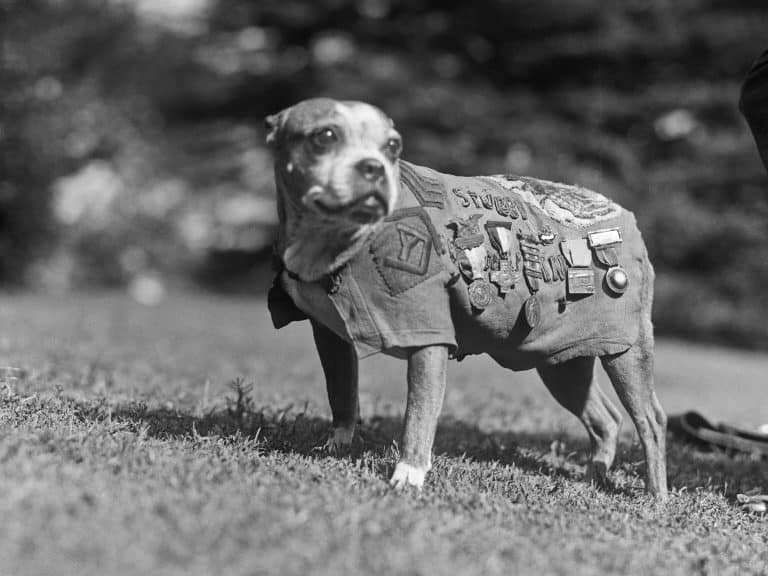
Stories help normalize grief while emphasizing memory, love, and healing.
©Yuliya Evstratenko/Shutterstock.com
The Tenth Good Thing About Barney — Judith Viorst
In this tender book, a child’s cat has died, and the child’s mother suggests a funeral. The boy tries to think of ten good things about Barney to celebrate his life. At first, he can only think of nine, but then discovers the tenth—a memory that helps him feel closer to his pet. This story teaches children how remembering the best things about a pet can be a meaningful part of healing.
Frog and the Birdsong — Max Velthuijs
Although not about a pet specifically, this beloved picture book helps children understand death and loss through relatable animal characters. When Frog finds a dead bird and, with friends, gives it a proper farewell, the story gently introduces ideas about rituals, mourning, and how life continues after loss. Many educators use it with kids facing pet loss because it opens the door to calm, compassionate discussion.
When Your Pet Dies: A Guide to Mourning, Remembering and Healing — Alan D. Wolfelt
Note: This book is intended for adults, not children. However, if your child is grieving the loss of a pet, you may be experiencing grief as well. This book has long been recommended as a helpful resource for grieving pet owners, and many still find it valuable today. Alan Wolfelt approaches pet loss with the same seriousness and compassion typically reserved for human grief, validating emotions that many people feel pressured to downplay. The book focuses on the process of mourning rather than “moving on,” giving readers permission to feel anger, guilt, relief, or deep sadness.

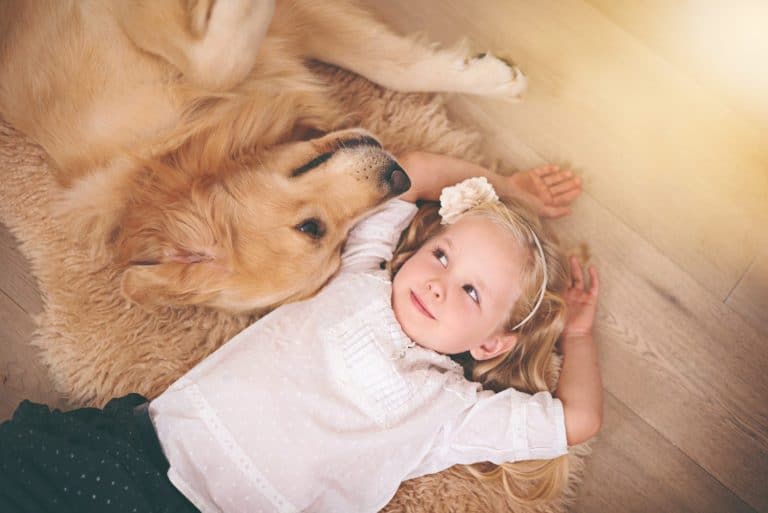
Shared reading can ease pain and open conversations about love and loss.
©ChayTee/iStock via Getty Images
Grief doesn’t follow rules, timelines, or age limits. For many children, losing a pet is their first experience with death. While these books can’t erase sadness, they offer comfort and reassurance when it’s needed most. Sometimes healing starts with a story—read aloud, shared quietly, and held onto long after the last page is turned.