
Quick Take
- Bracken Cave in Texas is home to 15-20 million Mexican free-tailed bats.
- Female bats head to the cave every year to give birth.
- The high temperatures in the cave provide the perfect nursing spot.
- Bracken Cave has been home to bats for more than 10,000 years.
Every evening, millions of bats swarm out of a single cave in Texas, making it one of the most stunning natural phenomena to witness. The colony is so huge that it turns the sky black as they begin their nightly search for food. The place they come from is Bracken Cave, which has served as a bat refuge for more than 10,000 years. Today, Bracken Cave is home to the largest bat colony in the world. Keep reading to discover what makes this place so special to bats!
About Bracken Cave
Bracken Cave is located near San Antonio, Texas, and is one of the most famous—and important—bat habitats in the world. It is located within the 1,458-acre Bracken Cave Preserve. The cave itself is 650 feet long and up to 100 feet wide in places. It is accessed by a 100-foot-wide entrance located at the bottom of a sinkhole. The sinkhole was caused by the cave roof collapsing.
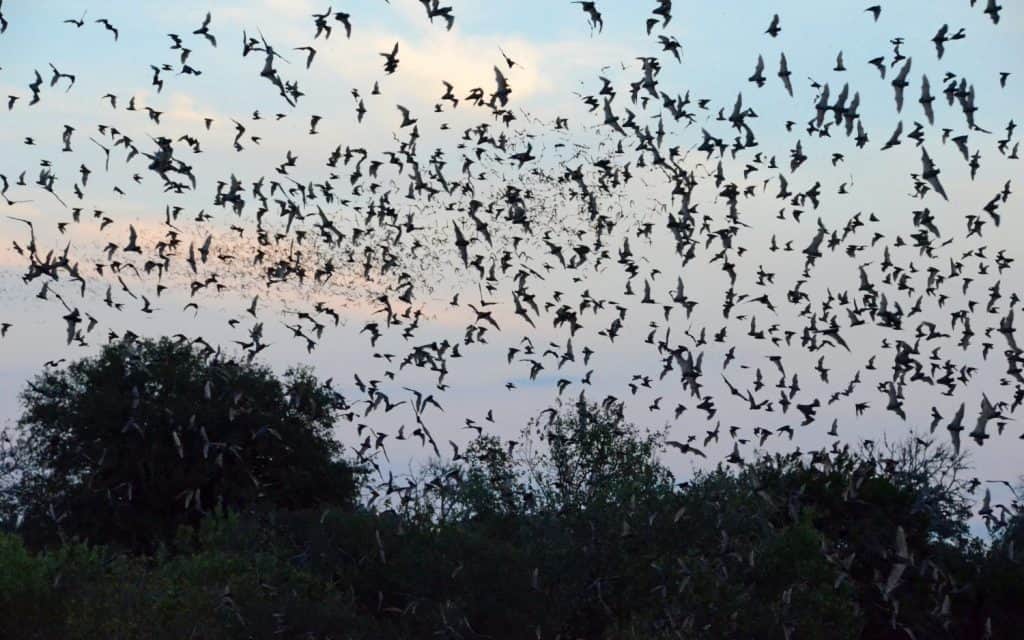
Bracken Cave is home to millions of bats, making it the largest bat colony in the world.
©Jeff Reeves/Shutterstock.com
Bracken Cave is owned by Bat Conservation International, which, along with The Nature Conservancy, spent ten years fighting to preserve this incredible location. The surrounding area was earmarked for development in the early 2000s, with plans to build 3,600 homes nearby. This encroaching development and the inevitable presence of streetlights would have threatened the bats and affected their ability to navigate. Thankfully, through combined efforts, $10 million was raised to purchase the surrounding land. Now, Bracken Cave and the nearby Frank Klein Cibolo Bluffs Nature Preserve are able to support not only the bats but also rare and endangered species. One such species is the golden-cheeked warbler, which is the only bird that nests exclusively in Texas.
The World’s Largest Bat Colony
Bracken Cave has been a refuge for bats for thousands of years. Scientists estimate that it has been in use for more than 10,000 years. Approximately 15 to 20 million Mexican free-tailed bats (Tadarida brasiliensis) occupy the cave each year. This makes it the largest bat colony in the world and one of the largest concentrations of mammals in a single location. Every evening, the bats swarm out of the cave en masse in search of food.
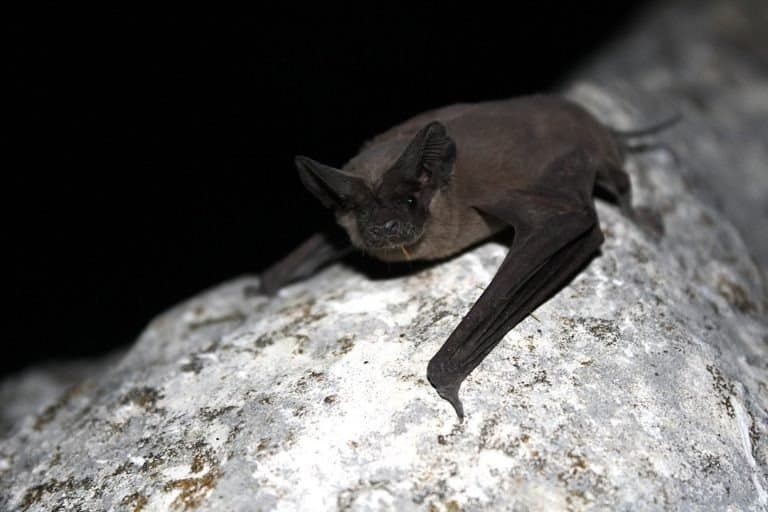
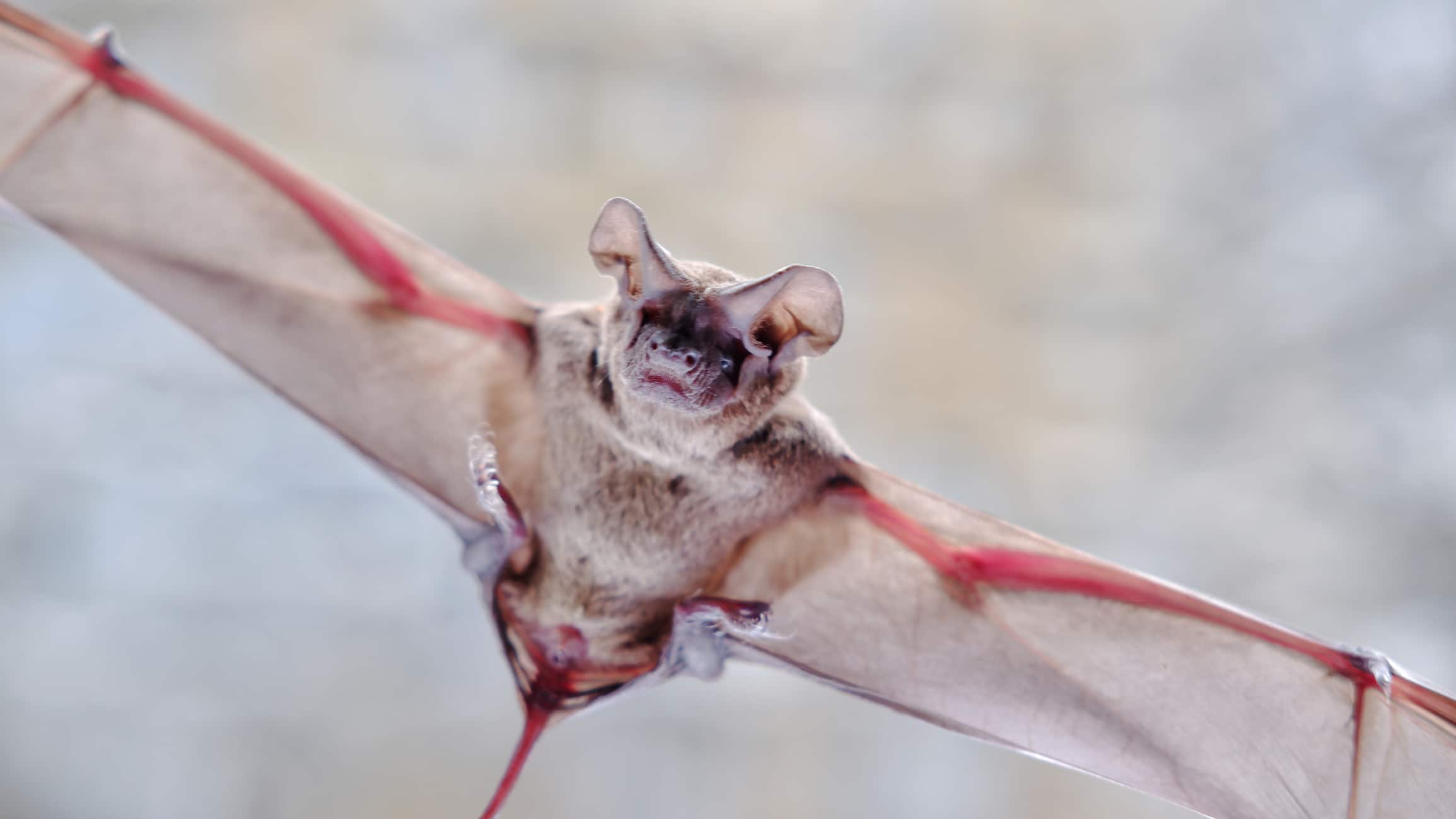
Mexican free-tailed bats are excellent fliers and are capable of flying long distances. However, they are best known for being the fastest species of bat in the world, capable of achieving ground speeds of just under 100 mph. From March to October, these unique bats roost in the cave, and, incredibly, the vast majority of adult bats in the cave are female. This is because Bracken Cave serves primarily as a maternity roost. Each year, pregnant Mexican free-tailed bats travel up to 1,000 miles to the cave to give birth. Millions of pups are born in the cave every year within a short period. After birth, the pups cling to the walls in clusters, covering almost every available surface.
Mexican free-tailed bats give birth to only one pup per year. The pup is born after an 11- to 12-week gestation period. Incredibly, even amongst the millions of pups in Bracken Cave, females are still able to identify their own pup within seconds. This is because they use a combination of scent and vocalizations to find their own offspring. The females nurse the pups regularly and wean them at around six weeks of age. After this, they become entirely independent.
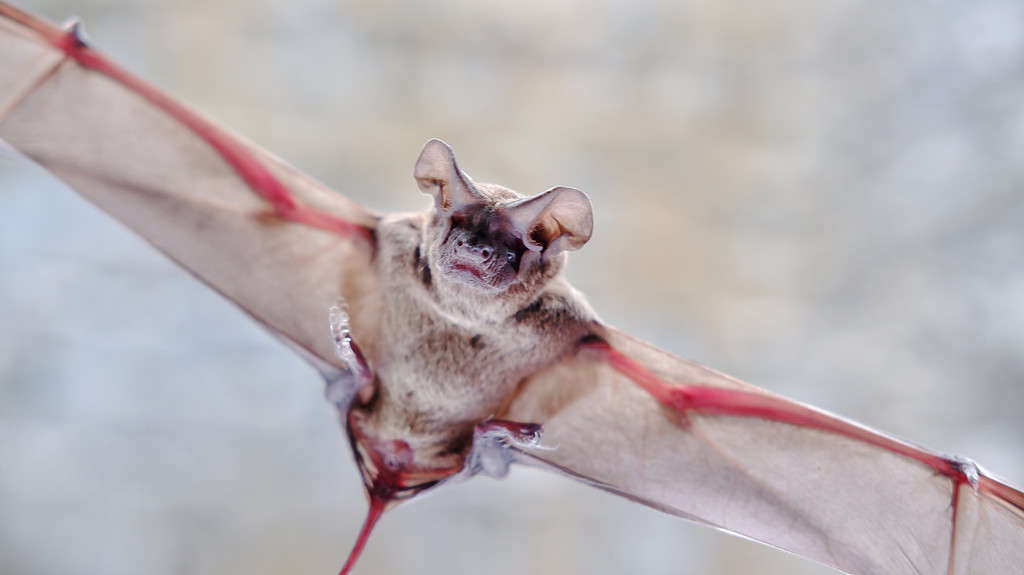
Mexican free-tailed bats are the fastest bats in the world, reaching almost 100 mph.
©Poetra RH/iStock via Getty Images
Why Has It Been a Refuge for So Long?
Surprisingly, scientists are able to determine how long bats have been utilizing Bracken Cave due to the massive amount of guano (bat droppings) deposited in the cave. Each year, the bats deposit around 50 tons of guano in the cave. Estimates suggest the guano is up to 60 feet deep in places. Scientists have used radiocarbon dating from the guano deposits to determine that bats have been present in the cave for more than 10,000 years.
Bracken Cave has been a prime roosting spot for bats for so long because it is an ideal spot for raising young. The temperatures in the cave exceed 100 degrees Fahrenheit. This means that it provides the perfect conditions for keeping the young bats warm. This is aided by the bat pups clinging to the walls in such tight groups; up to 500 pups have been known to occupy just one square foot of wall space. The tight grouping helps to conserve heat.
In addition to being the perfect location for raising pups, the land surrounding Bracken Cave offers an abundance of food. Bracken Cave’s bats are incredibly beneficial to the local farmers, as they eat several tons of insects every day. These insects include crickets, ants, and beetles – all of which are primary agricultural pests. One particular benefit of the bats preying on so many of these insects is that farmers don’t need to use as much pesticide on their crops. This is because the bats are removing the animals that usually cause crop damage.