
Quick Take
- Horses have been known to grieve the loss of their companions, just like elephants.
- In one herd, a horse named Jazz was allowed to stand near a deceased horse named Red while the other horses stood sentry behind them.
- Studies have shown that horses that have lost a close companion exhibit behavioral changes associated with grief for as long as 6 months after the loss
Death is a part of life, but some animals are more in tune with loss and grief than others. Horses are one of those species that seem to deeply feel the pain of losing one of their own, as demonstrated in a video shared by Bella Run Equine.
The Athens, Ohio-based rescue and rehabilitation organization posted a short clip on Facebook showing some of their horses grieving the loss of a companion. In the video, the deceased horse lies on the grass while another horse stands nearby. A group of other horses stands in a line, simply staring at the horse in what looks like a show of solidarity.
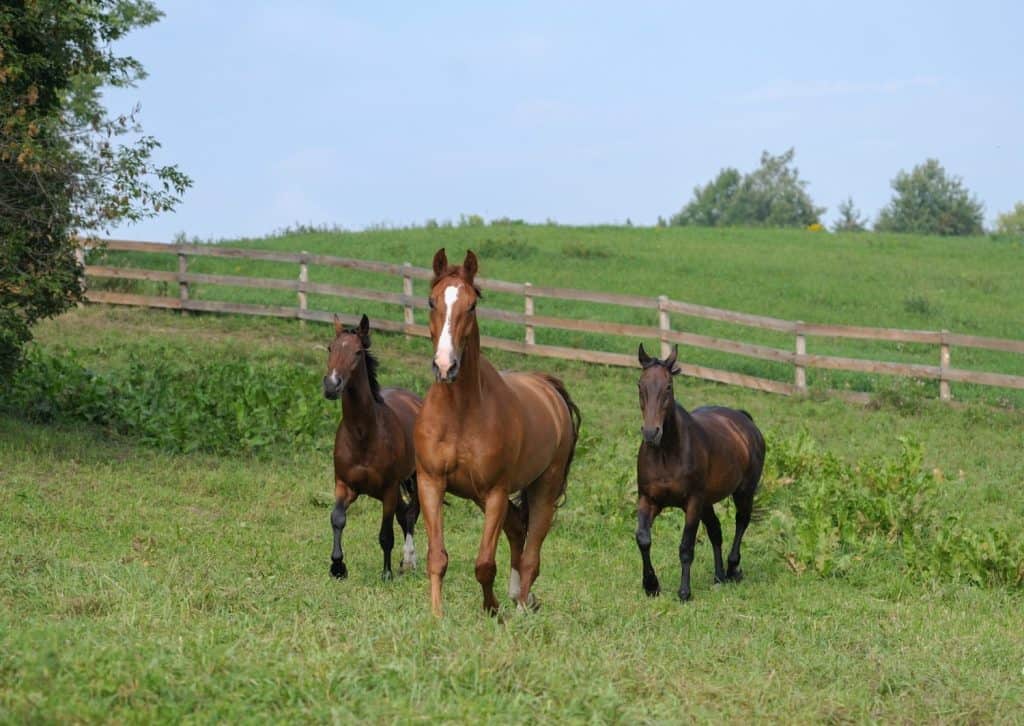
Horses are intelligent and social creatures, and they are affected by death.
©Shawn Hamilton/Shutterstock.com
According to Bella Run Equine, the horses stood in this exact position for two hours to grieve. “If there was ever a question that horses form deep friendships beyond basic ‘herd dynamics’… If there was ever a question that they grieve their lost loved ones… If there was ever a question that getting the chance to see a lost friend’s body provides understanding and closure… This puts it all to bed,” the post was captioned in part.
The Story of Jazz and Red
The organization wrote that two horses named Jazz and Red were surrendered together, but it was immediately clear that Red wouldn’t survive. Bella Run Equine made the decision to humanely euthanize the horse. “While the situation was sad, our main concern was for Jazz,” the organization wrote. “These two girls were together for fifteen years. They were best friends. Jazz took care of Red and protected her in our herd.”
In order to help Jazz grieve, they left Red’s body temporarily for her to understand what happened. “We decided to give Jazz time with the body so she could see and understand that Red was no longer here,” Bella Run Equine wrote. “The last thing we wanted was for Jazz to think Red just disappeared or was lost somewhere. It was our best attempt at offering closure and understanding to Jazz.”
The post continued, “We showed her to Red’s body and stepped back and gave her space. We weren’t prepared for what happened next. The other mares in the pasture, who also knew Red, came over. They didn’t step all the way forward, though, and instead lined up at a distance. Call it what you want… Respect, support, curiosity? While we can’t say for sure, the fact that these mares stood attentively for two hours until Jazz left Red was something to see. They each then took their turn. We buried Red once everyone had left. By then, it was morning. It was undoubtedly a process.”
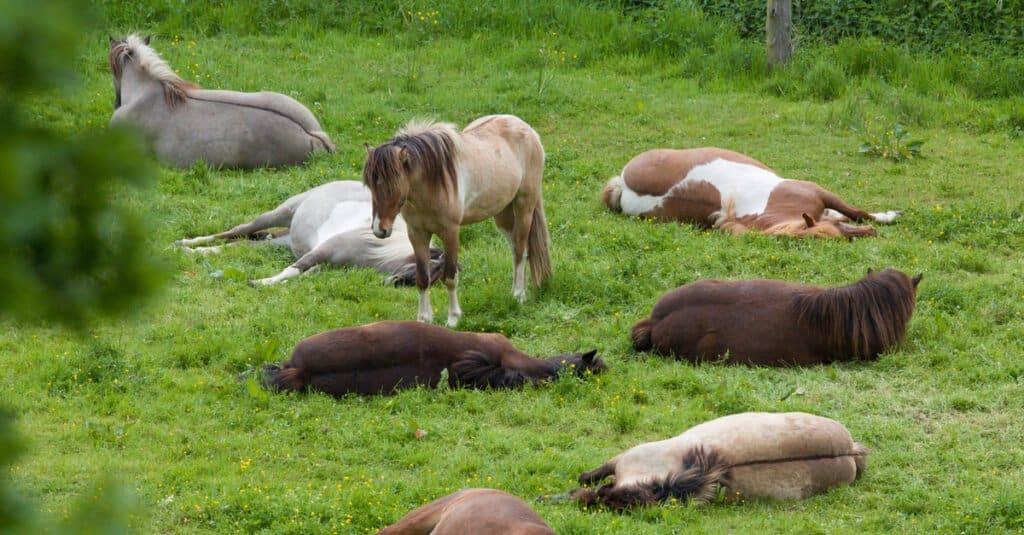
Horses show signs of grief when a beloved herdmate dies.
©malafo/Shutterstock.com
The next day, the horses were quiet. “Jazz would wander scanning the horizon in between munching hay with the others,” the organization stated, adding, “The second day, however, she paced and screamed most of the day, not caring about any other horses.” Someone reached out and offered to keep Jazz busy at their barn to help her heal with a fresh start. “[They] have already reported back that Jazz seems to be doing very well [in the new environment].” How beautiful is that!
How Do Horses Mourn?
A November 2025 study in Applied Animal Behaviour Science surveyed horse owners and found that horses that lost a horse companion exhibited multiple changes in behavior within 24 hours of the companion’s death. These changes included differences in arousal (89 percent), behavior directed toward other horses and people (78 percent), alertness to stimuli (73 percent), and vocalization (69 percent). The horses that were affectionate toward each other (compared to horses that just tolerated each other) were more likely to be affected by a death and change their behavior. The study also noted that horses that were allowed to see the body after death fared better than those that were immediately taken away. In this study, grieving horses often continued these behavioral changes for up to six months.
Elephants Also Mourn
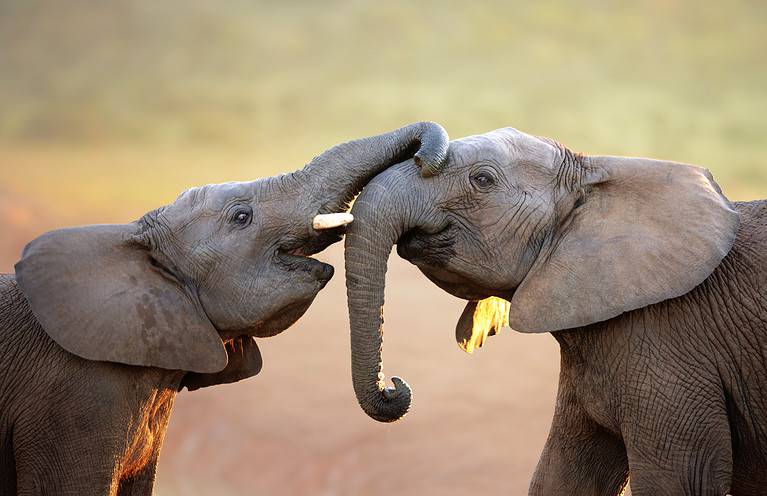
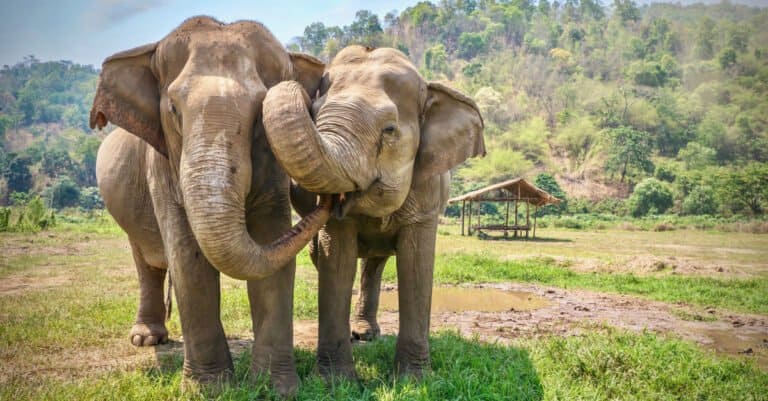
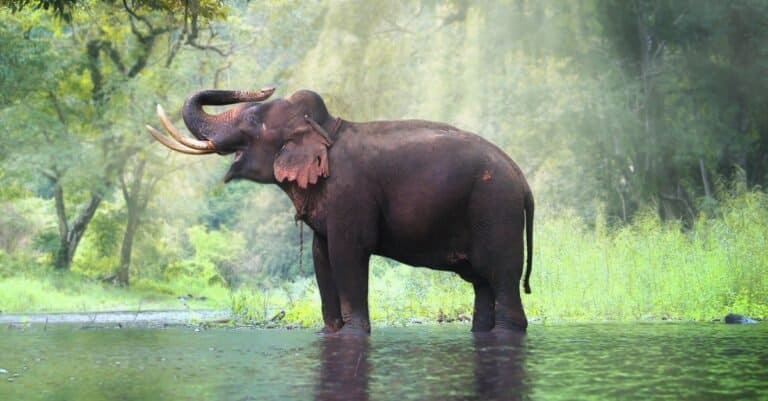
Unlike many other animals that seem unaffected by death, elephants also mourn the loss of their companions. One study on Asian elephants in India documented several cases in which Asian elephants grieved and buried their dead calves. At the gravesite, one group of elephants held a funeral of sorts, trumpeting and roaring loudly over the grave of a baby elephant before departing.
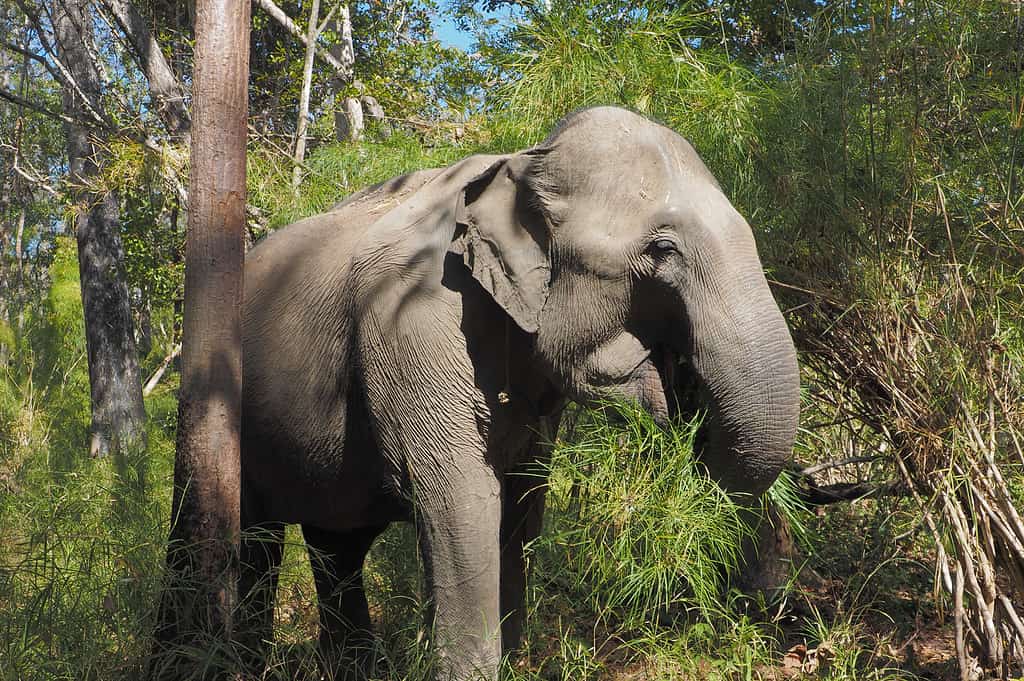
Asian elephants will also mourn the death of another elephant.
©DorSteffen/Shutterstock.com
In other instances, scientists noticed elephants touching, caressing, sniffing, and nudging a deceased elephant.
Horses Are Social Creatures
Horses have a deep bond with each other, too. Known as highly intelligent animals, horses will communicate with their herd through facial expressions, body movements, and vocalizations. Horses who are friends will even be affectionate toward one another, resting with their faces touching or their heads resting on each other’s necks.
It’s unclear exactly how much horses understand about death, but it seems that when a horse can no longer communicate, the others may recognize that it is gone. It certainly seems like it when we see a display of grief like the one in the video above.