
Quick Take
- The claim of a Salmon River shark is exposed as a hoax built on wordplay that lures readers.
- The Salmon River lies over 500 miles from the ocean.
- Contrary to expectation, the salmon shark cannot live in freshwater, while bull sharks can swim in brackish and freshwater.
- Read on to discover the origin of the hoax: an ocean-caught shark brought home to trick locals.
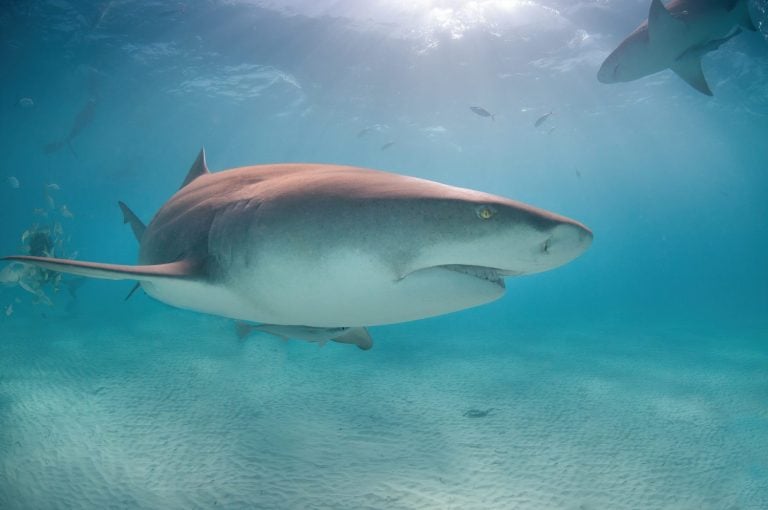
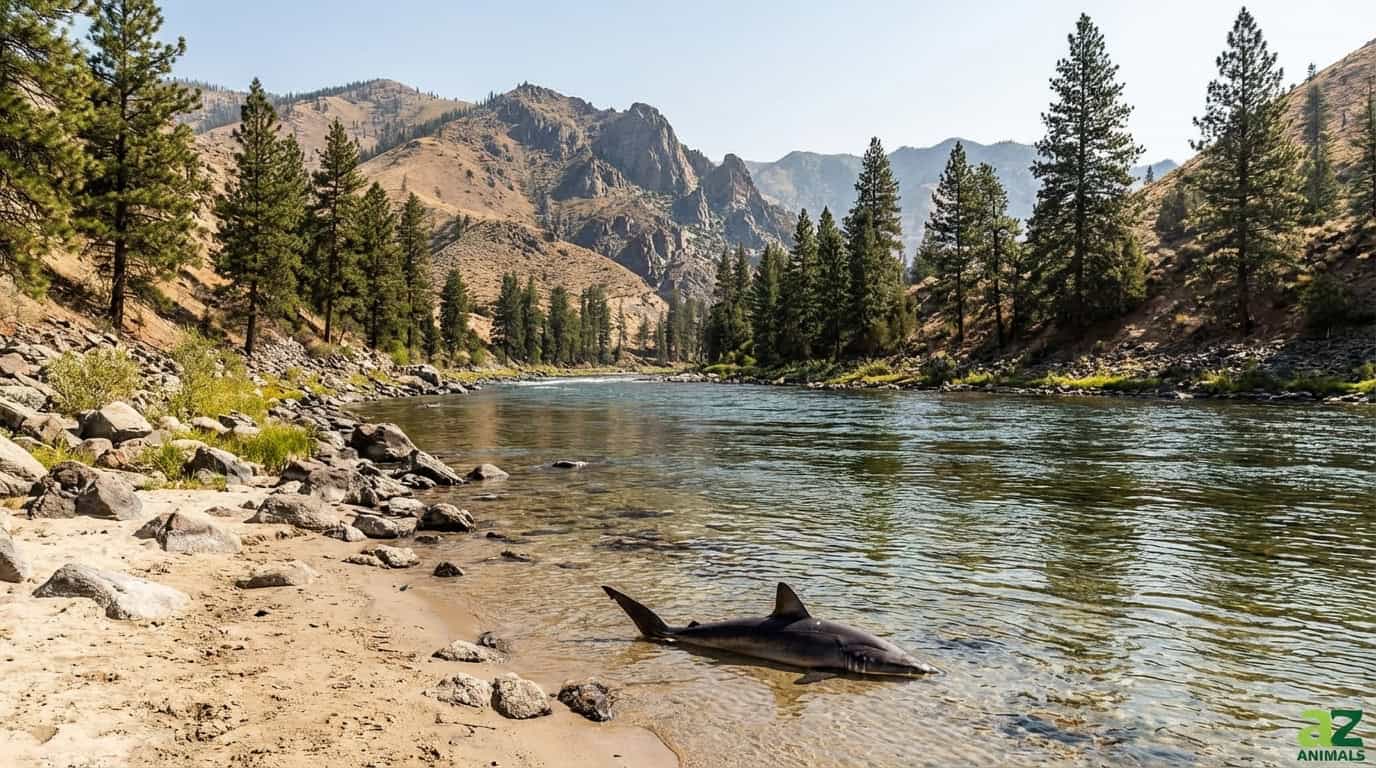
On Tuesday, August 15, 2023, Idaho Fish and Game went to the Salmon River in Idaho to check out claims that came by email and phone call from numerous people that a shark had washed up on its shore. After careful examination, it appears that the shark is a salmon shark (Lamna ditropis), which is bewildering since the river and shark share the same name.
Some Sharks Can Live in Freshwater

Bull sharks have been found 2,485 miles up the Amazon River.
©bluehand/Shutterstock.com
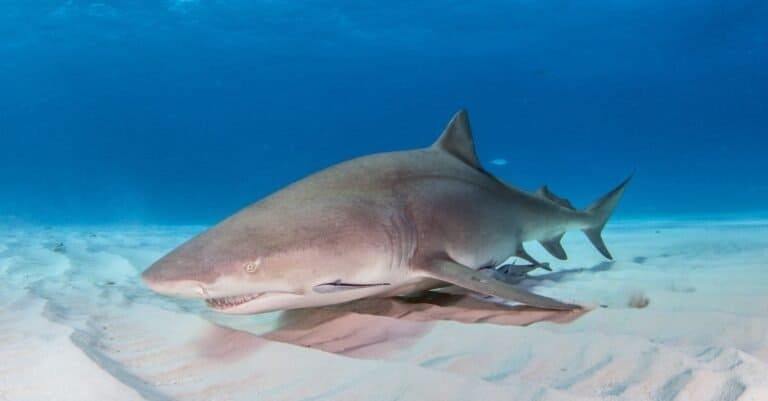
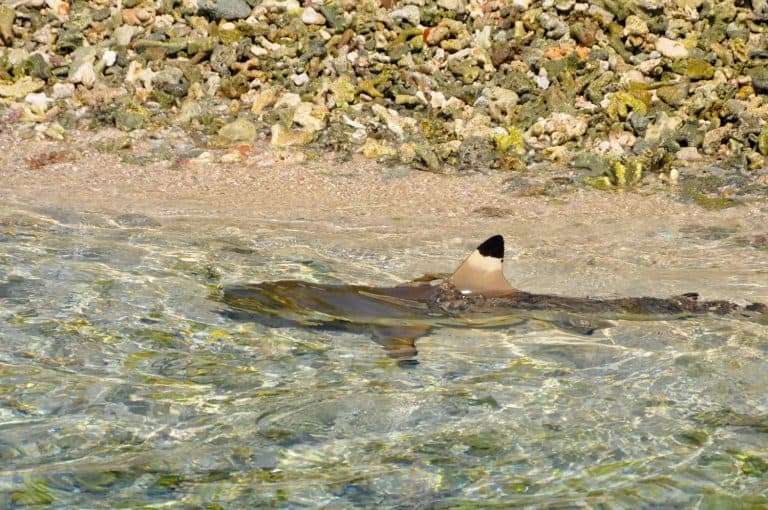
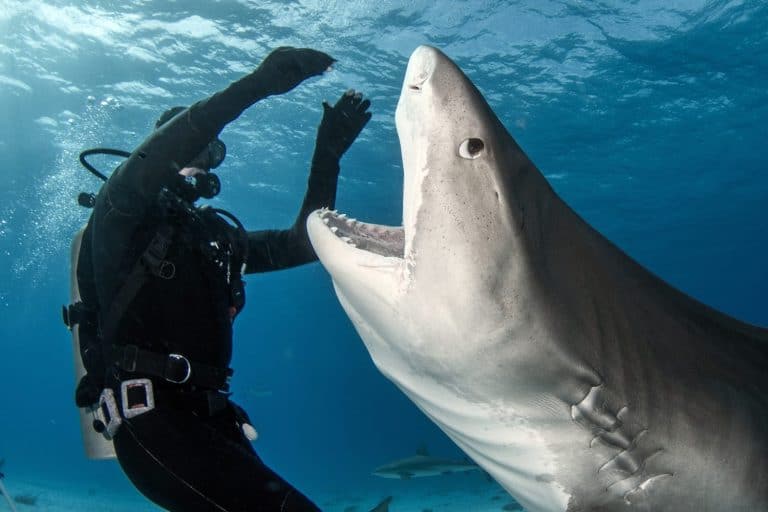
The Salmon River is over 500 miles from the ocean, and Idaho is still a landlocked U.S. agricultural state. The only shark known for its ability to swim up rivers from the ocean is the bull shark. The bull shark is capable of swimming in brackish and even freshwater because of its enlarged kidneys and a gland near its tail. The two help keep salt in the shark’s body while filtering out fresh water. By urinating twenty times more in freshwater than they do in salt water, they can live in freshwater full-time if they want. The salmon shark is not able to filter out freshwater and would die if it tried to live in it.
Salmon Shark Facts
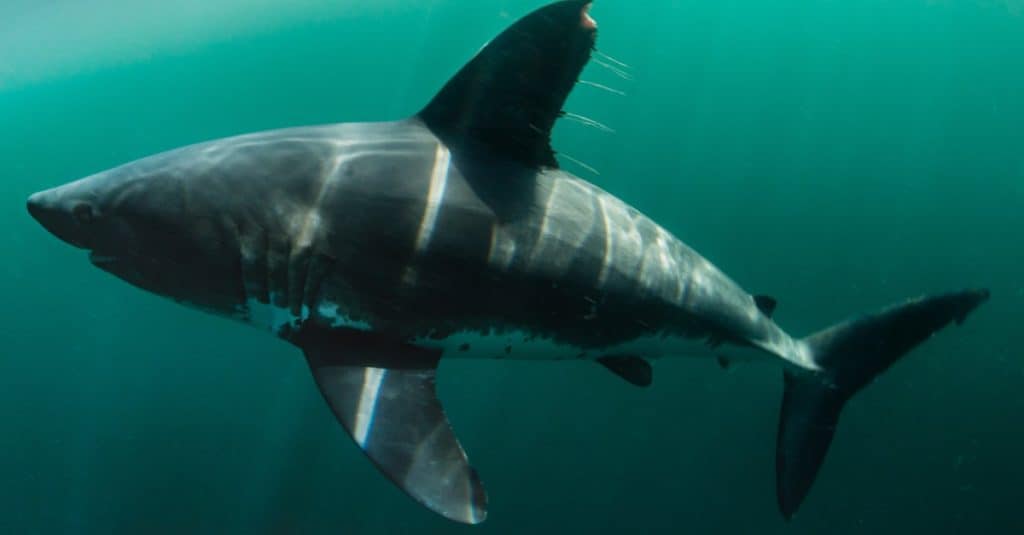
The rare and elusive salmon shark swims in the open ocean of Alaska, not the Salmon River in Idaho.
©Warren Metcalf/Shutterstock.com
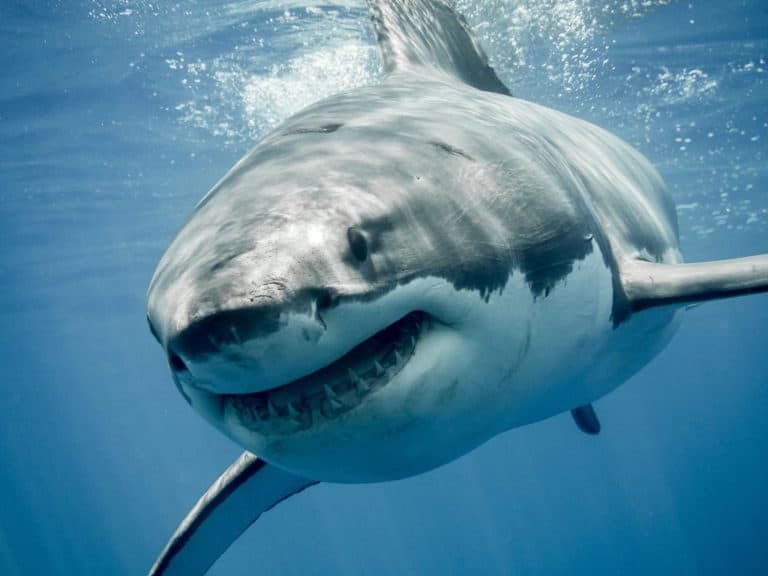
Salmon sharks are native to the northern Pacific Ocean. They can grow to be 10 feet long and up to 660 pounds. These rarely-seen sharks can also swim at speeds of 50 mph for short bursts. They are related to the mako and great white sharks. Sometimes mistaken for the great white shark and the northern Atlantic porbeagle shark, though the salmon shark’s nose is blunt. Since they live in cold water as low as 34 degrees Fahrenheit, being endothermic, like the great white, keeps them warmer than the water they reside in.

The Bottom Line
The salmon of Salmon River are safe from sharks, and there is no reason to be even remotely concerned with sharks in the river. The salmon shark lives 500 miles away in the saltwater ocean and will remain there for life. The shark found in the Idaho River was a very obvious hoax and a play on words. The small shark was likely caught while an Idaho resident was visiting the ocean and brought back to trick the locals. Somewhere, someone has been laughing about this for days.