
Quick Take
- Massive antlers alone don’t qualify an animal for official hunting records. To count, the animal must be wild, free-ranging, and taken under fair-chase conditions.
- Captive environments can influence antler growth through controlled nutrition, genetics, and reduced environmental pressures, making comparisons with wild animals unreliable.
- Record books protect their credibility and scientific value by excluding captive-raised animals, regardless of size or appearance.
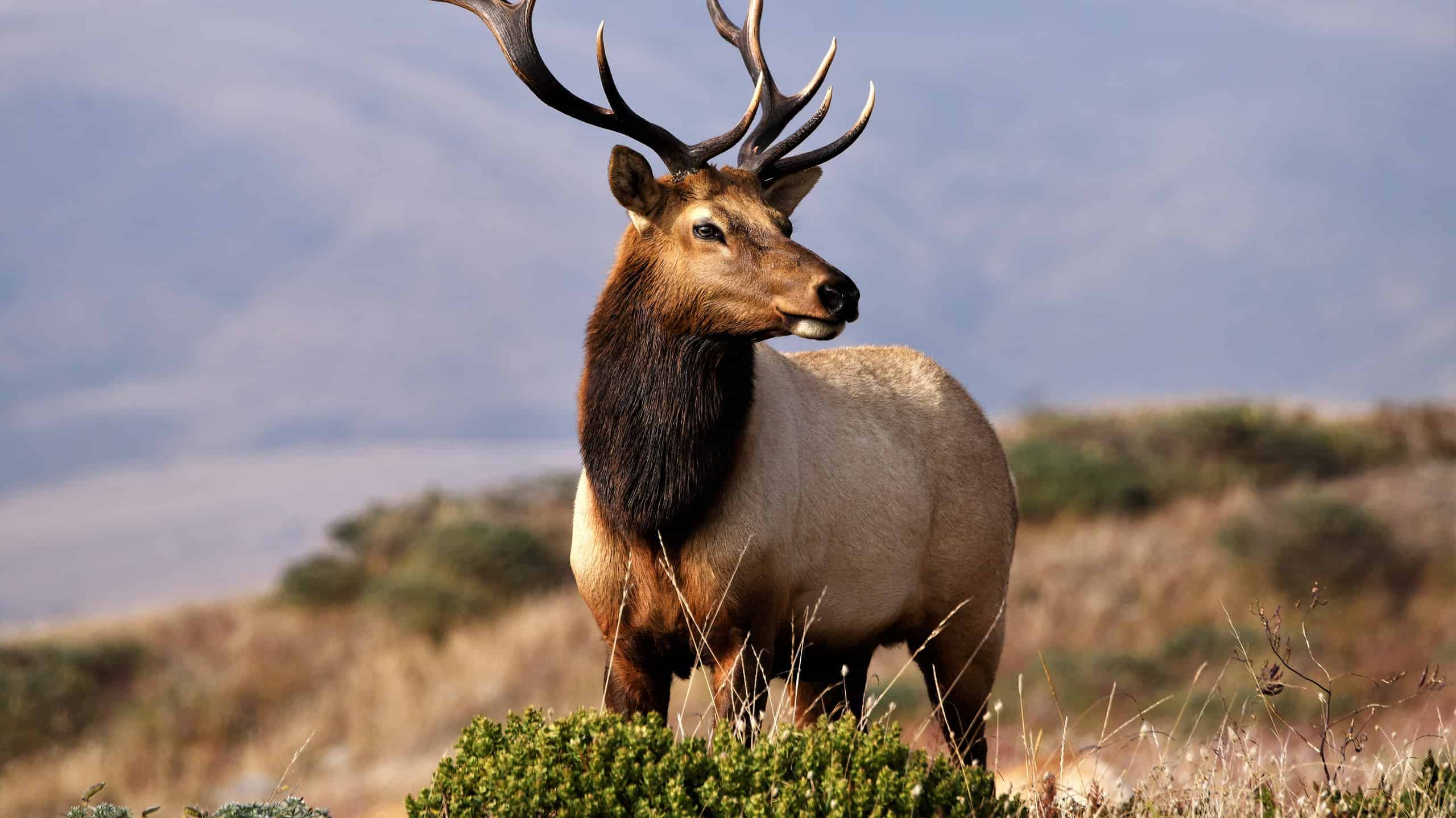
If you’ve been scrolling through outdoor social media or hunting forums in the last few years, you’ve probably seen photos of deer or elk with jaw-droppingly large antlers. Some of these giant racks are so big that people tag them as world records. But not so fast. Just because these animals have record-breaking measurements does not necessarily mean they qualify as legitimate records. In January 2026, the Boone and Crockett Club reaffirmed its long-standing policy that animals raised in captivity, rather than free-ranging wildlife, are ineligible for official recognition in its record books.
What Is “Captive-Raised” Big Game?
“Captive-raised” might suggest an animal is raised in a zoo or similar environment, but the definition is much broader. In this case, it refers to an animal that grew up in a fenced or otherwise controlled environment rather than roaming freely across natural habitats. These animals often live on ranches where humans provide food, shelter, protection from predators, and sometimes genetic manipulation or special feeding programs designed to produce huge antlers and horns.
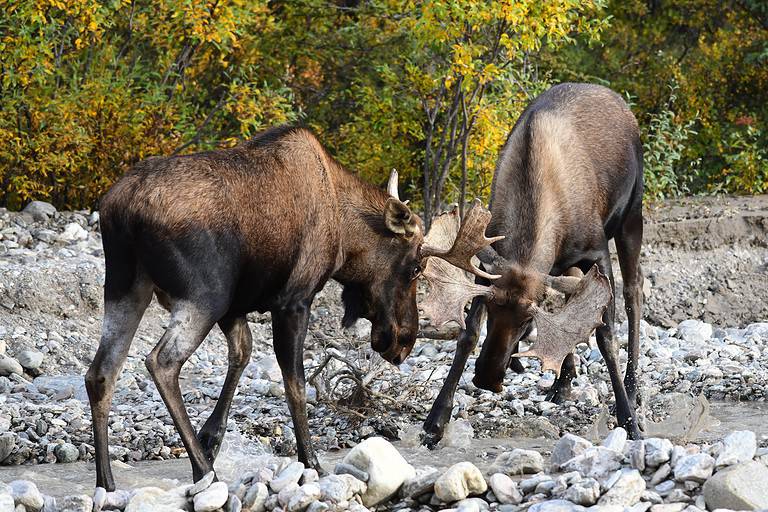
In contrast, wild, free-ranging wildlife live in open environments where they face natural challenges like weather, predators, food availability, and competition. Those conditions affect how big their antlers or horns grow. When it comes to trophy legitimacy, hunters and scientists see this as an essential distinction.
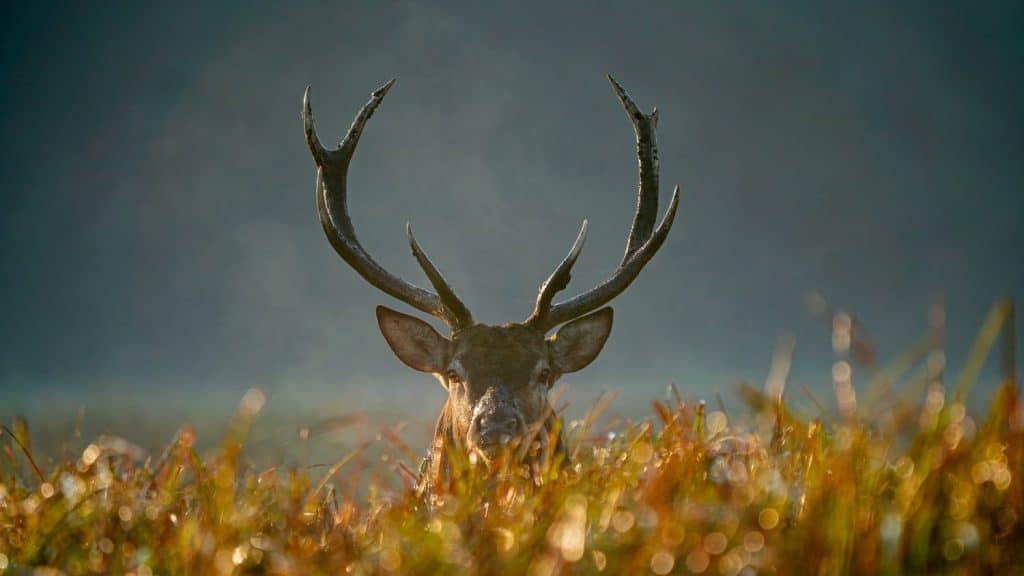
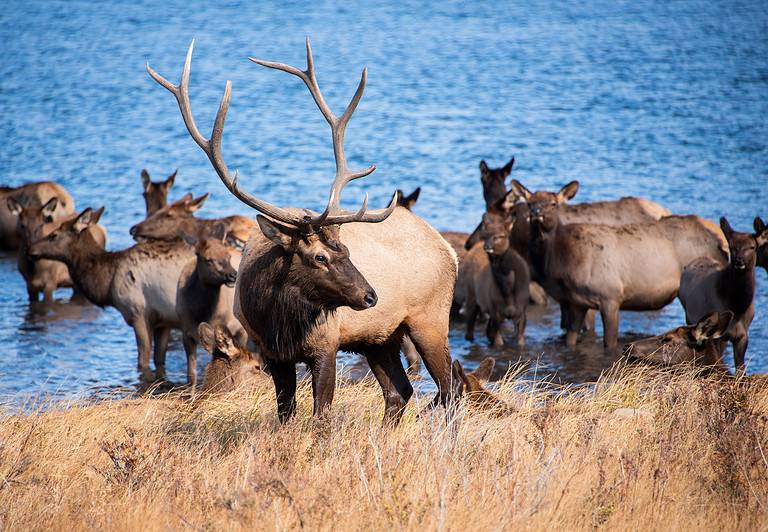
Captive-raised deer and elk often live behind fences with controlled food and protection from predators, conditions that differ sharply from what wild animals experience.
©matt_wiszniewski/Shutterstock.com
Why Official Records Say No to Captive Animals
So why does a big name like the Boone and Crockett Club exclude captive animals from its official world records? That question has two main answers: the purpose of the record books and the principle of fair chase.
1. Fair Chase and Hunting Ethics: Most record books in North America—including Boone and Crockett and its sister organization Pope and Young—are grounded in the idea of fair chase, a concept dating back more than a century. It says that to count for records, an animal must be genuinely wild and free-ranging. Fair chase means the hunter does not have an overwhelming advantage over an animal that is penned or unable to escape.
Boone and Crockett’s policy makes this explicit: animals raised in captivity, held in high fences, “transplanted” for a commercial hunt, or released solely for a shooting operation are all ineligible for record entry—even if the animal later escapes from the enclosure.
2. Records Are Scientific Data, Not Just Bragging Rights: While hunters may enjoy bragging about big antlers, record books serve a larger scientific purpose. Wildlife biologists, state agencies, and conservation planners use the records to understand trends in animal health, habitat quality, and population conditions over time. A database filled with artificially enhanced animals would distort those insights. The records, therefore, are meant to celebrate nature’s handiwork rather than human-assisted growth. Boone and Crockett calls entries “a testament to the habitat” as much as to the animal itself.
How Are Animals “Pumped Up” and Why Does It Matter?
You may have seen claims that captive deer or elk have been “pumped with growth supplements” to get oversized antlers. There are several techniques used in captive settings that can influence body and antler growth, but the science is more complex than such broad claims suggest.
Special Feed and Nutrition: Nutrition is one of the key drivers of antler growth, and in captive operations, animals often consume diets rich in protein and minerals. Antlers are biologically expensive to build each year. They’re made mostly of protein and require calcium, phosphorus, and other minerals to grow. In nature, a buck or bull’s ability to reach its genetic antler potential depends on food availability, which varies with weather and habitat quality. In captivity, plentiful high-quality feed can help animals hit or approach their genetic maximum.
Genetic Mixing and Selection: Some captive breeders may experiment with mixing DNA from different deer or elk subspecies to amplify antler traits. For example, crossing European red deer with North American elk has been reported as a tactic used on high-fence ranches, though such crosses are extremely rare or nonexistent in the wild.
Commercial Additives: There are also anecdotal reports from breeders about specialized supplements, minerals, or even hormones meant to influence growth. Scientific studies on specific supplements have produced mixed results. Some proteins and amino acids have been shown to play a role in development, but they do not magically cause record-breaking antlers in all animals. Other research suggests that high mineral levels alone do not necessarily increase antler size in deer.
The bottom line is that controlled environments consistently eliminate or reduce the environmental pressures wild animals normally face. Whatever mechanisms are used, captive animals don’t represent what Mother Nature produces in the wild, and that’s what record programs aim to celebrate.
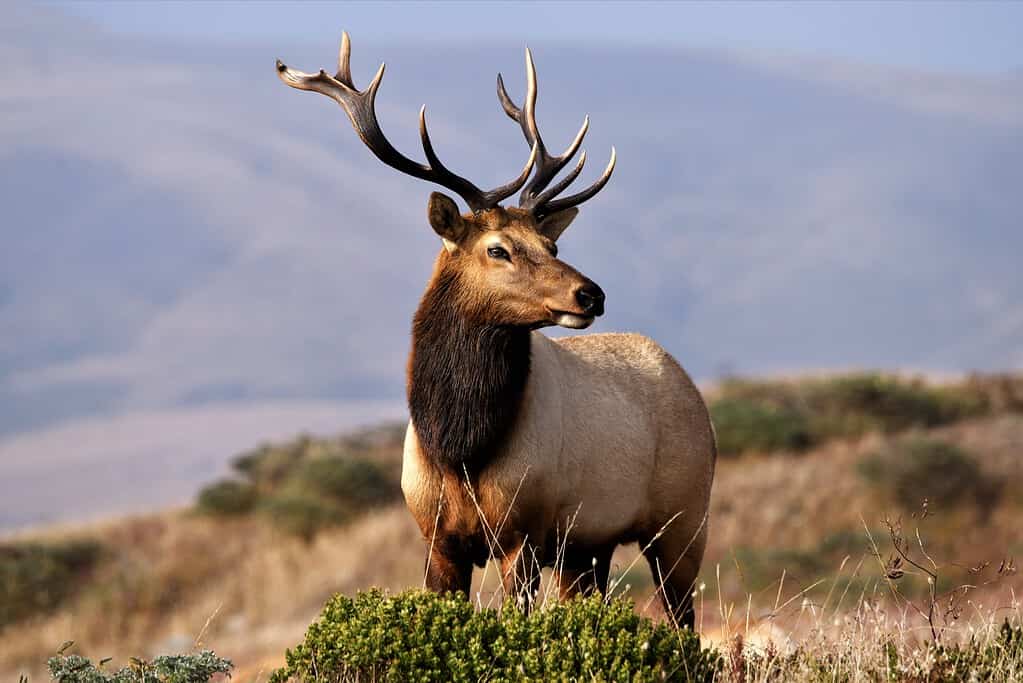
Antlers regrow every year and require large amounts of protein and minerals, making nutrition and environment major factors in how large they can grow.
©iStock.com/Eric Clark
How Do Record Keepers Know If an Animal Was Wild or Captive?
Entry Affidavits: Basically, the honor system. When hunters submit trophies for consideration in a record book, they sign forms attesting that the animal was taken under fair chase and meets all eligibility requirements. Providing a false affidavit can lead to rejection of the entry and other consequences, including permanent disqualification from the records program or removal of previously accepted entries.
Investigations and Committee Review: Records committees review submissions and can request additional documentation if something appears suspicious. In some cases, they may reject entries if there’s credible evidence the animal came from a high-fence or similar captive scenario.
Expert Knowledge: Experienced measurers, wildlife professionals, and outfitters are familiar with the common physical and ecological signals that distinguish wild antlers from those grown in captive conditions. Extremely large antlers alone are often a red flag, especially when there is no reliable harvest information to support the claim.
Part of the role of record books is to maintain trust in the data they contain. If antlers from any source were allowed, regardless of origin, the entire system would lose credibility among wildlife managers and hunters alike.
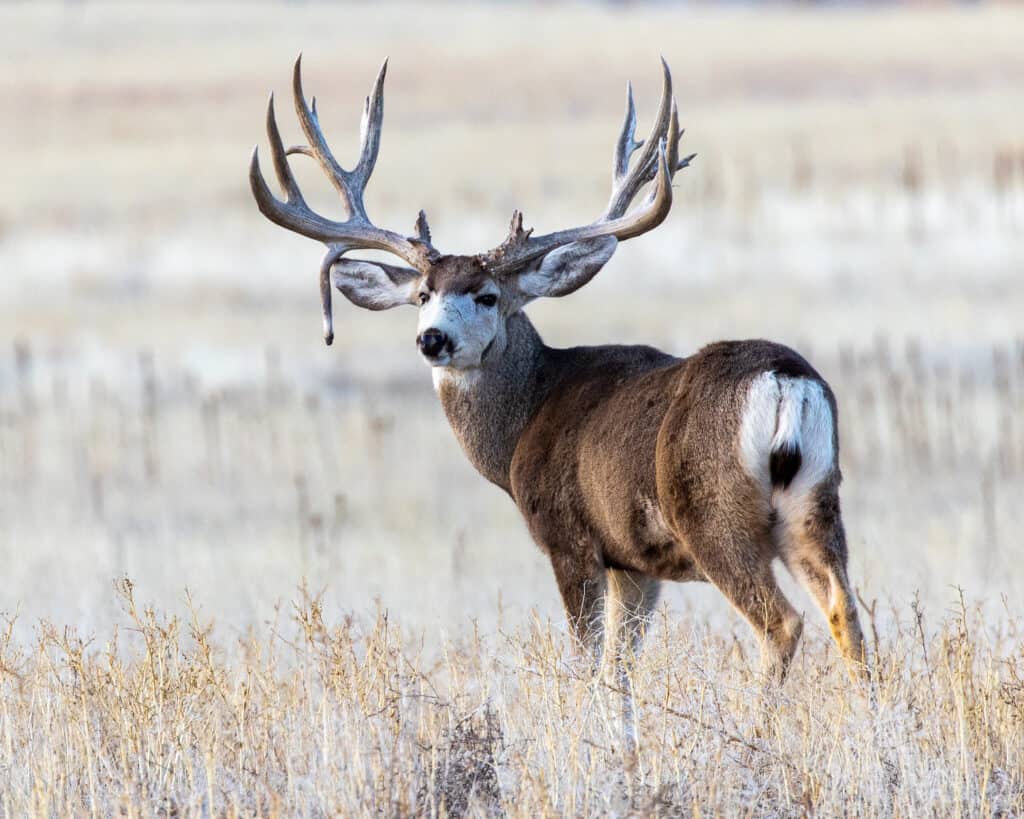
Hunting records help scientists track long-term trends in wildlife health and habitat quality, which is why accuracy matters far beyond trophy bragging rights.
©iStock.com/Jeff Edwards
How Widespread Is This Rule?
The concept of fair chase is deeply embedded in modern North American hunting ethics and is often included in hunter education courses and state wildlife agency materials. Boone and Crockett isn’t the only organization with rules like these. The Pope and Young Club, which maintains bowhunting records, also only accepts trophies from fair-chase situations and generally recognizes the same type of wild, free-ranging animals for records.
Individual state laws vary regarding high-fence hunting, captive deer breeding, and how those animals are managed or classified. Some states regulate captive cervids through agriculture departments rather than wildlife agencies, and policy approaches can differ. For example, in a handful of places, captive-raised deer can be released into the wild under certain permits, while others don’t allow that at all.
But whether or not captive hunting is permitted or popular in a given state, that does not automatically change the criteria of the major record programs. Those criteria are established by the organizations that maintain the record books and are accepted by hunters nationwide.
Beyond the Records
This isn’t just about bragging rights. The conversation touches on broader questions about how we value wildlife, how we balance recreation with conservation, and how we ensure that data used by scientists and wildlife managers is meaningful.
Record books that accurately reflect wild animal traits provide long-term data on trends in species health, the effects of habitat and climate changes, and the success of wildlife management practices. Artificially enhanced animals don’t tell the same story as wild populations and therefore have little value to that kind of science. Additionally, ethical hunting practices help maintain support for regulated hunting as a conservation tool, especially as public attitudes evolve.
Big antlers and massive horn spreads will always capture our attention, but when it comes to official hunting world records, what matters most is not size alone, but how the animal lived and how it was taken. Record stewards make sure that entries represent the unfiltered work of nature and the challenge of a fair chase. That approach protects the scientific value of record books, honors hunting’s ethical traditions, and keeps the focus on genuine wildlife conservation rather than trophies.