
Even with all the attempts by different organizations to rate a dog’s temperament, the reality is pretty simple: dogs are animals. And the second these animals turn from play to bite, it can be very disarming for the owner and the victim. These moments bring about questions of liability, medical bills, and even figuring out what will happen to your pet.
With laws varying so widely, I sat down with Professor Taimie Bryant of UCLA Law. Bryant, one of the leading experts on animal law, has become the lead behind major California shelter reform and is now directing UCLA’s Animal Law and Policy program. This article details the responsibilities involved and how the system works.
Strict Liability vs. One-Bite Rule
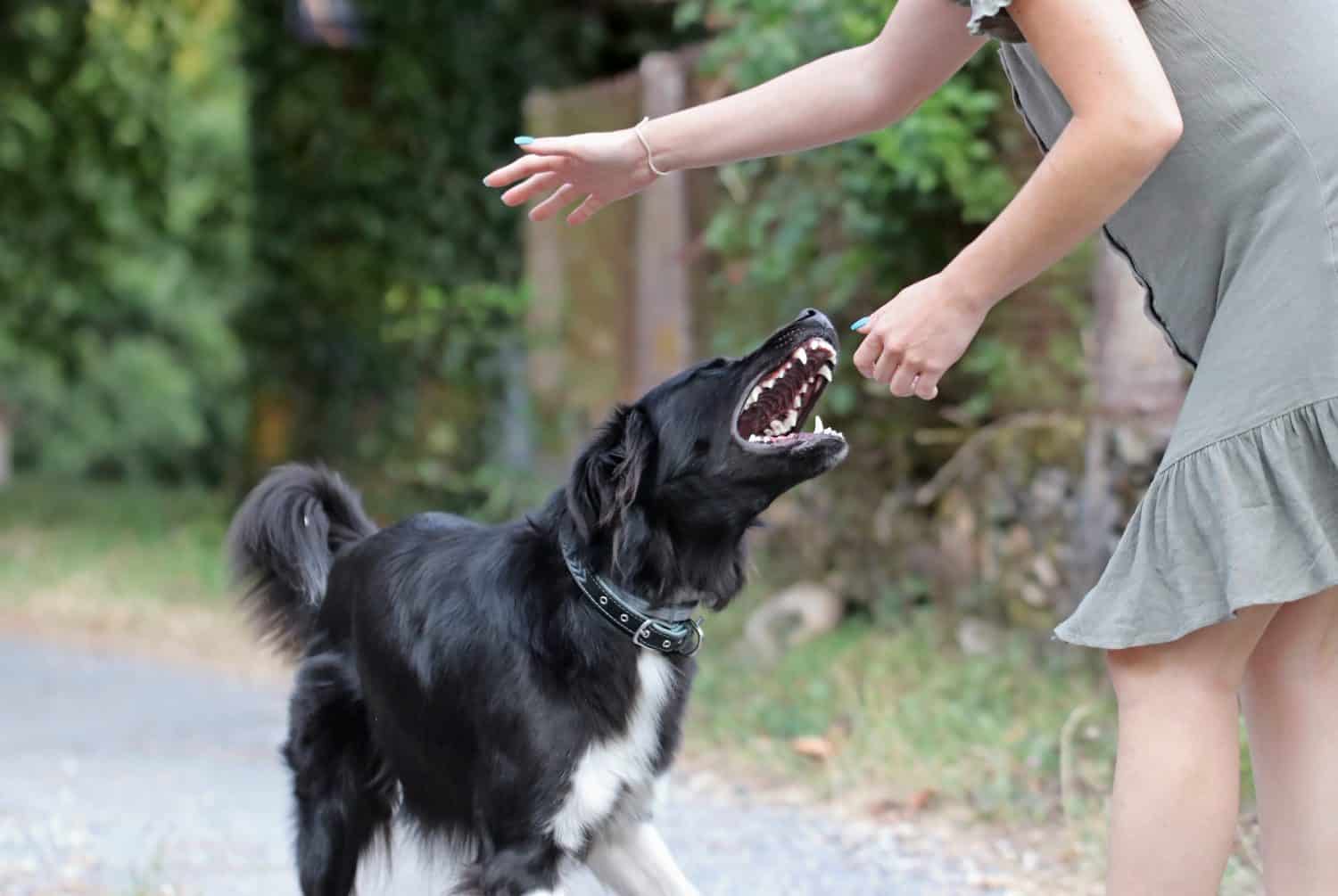
Nearly 1 in 5 dog bites requires medical attention.
©Fercast/Shutterstock.com
Though rules vary among states, one of the main things to consider about these laws is the difference between the one-bite rule and strict liability. Under the one-bite rule, the owner is usually not liable for the first bite. “The one-bite rule is premised on an owner not knowing that their dog will bite until it does. After that bite, the owner is on notice and from then on they will be liable for the damages associated with the injury their dog inflicted,” Professor Bryant explains. This rule is a common law; therefore, it is not followed in a lot of states.
For dog bites, most states have strict liability laws. This law ensures the owner is responsible even for the first bite, regardless of the dog’s prior behavior. Where strict liability is concerned, however, there are some exceptions.
Provocation Explained
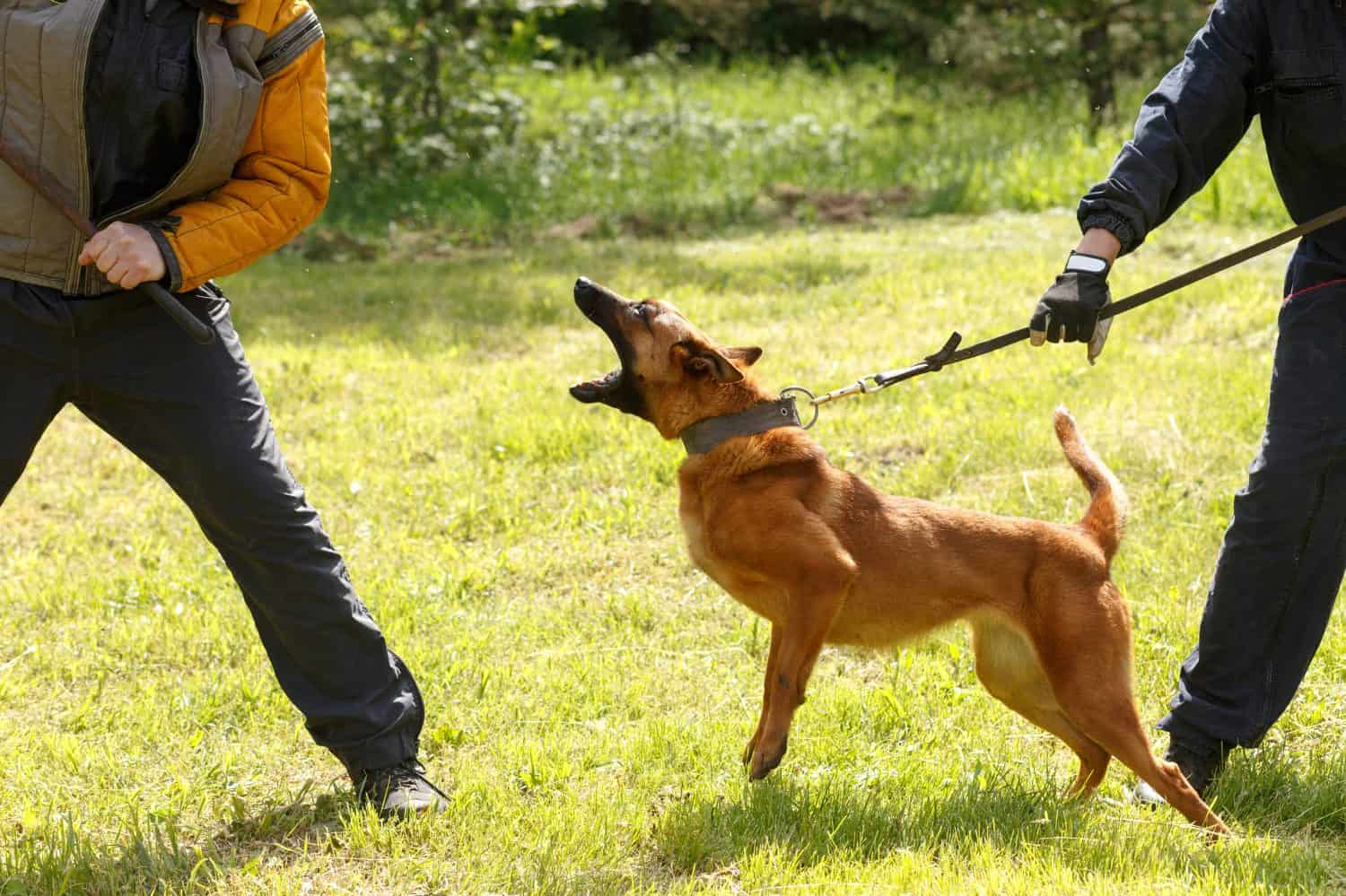
Approximately 36 states have adopted a type of strict liability law. As of 2025, 37 states and the District of Columbia have adopted strict liability dog bite statutes.
©BY-_-BY/Shutterstock.com
Sometimes, owners can use a defense referred to as “provocation.” This means that the circumstances or the person they bit provoked the dog. The goal of the provocation defense is to reduce or eliminate liability, but only if the provocation was intentional. “I have not seen a good definition of provocation anywhere,” Bryant states. “Often, it seems that only intentional acts of provocation (such as attacking the dog) count as provocation.”
Dogs are killed for trivial reasons to punish their owners for not being subservient in public safety proceedings and because animal control departments do not want to have to work with rescue groups to enable dogs to live in more appropriate situations.
Professor Taimie Bryant of UCLA Law
If we rely solely on the definition of provocation, the lines can become a little blurred. “If, for example, someone accidentally provoked the dog by, say, stepping heavily but accidentally on the dog’s tail,” Bryant notes. And this is not just hypothetical; courts have dealt with cases like this.
With Nelson vs. Lewis, a toddler either fell or stepped on a non-aggressive dog’s tail. This led to the dog scratching said toddler near her eye. The Illinois Appellate Court ultimately ruled in favor of the dog owner, stating that unintentional actions can, in fact, count as provocation. Similarly, a woman in Michigan also lost her case to the dog owner after accidentally stepping on its tail. These cases highlight that even unintentional actions can be defined as provocation.
Do Breed and Size Matter in Court?

Dog breeds do not influence whether the animal will bite.
©cynoclub/Shutterstock.com
The short answer is, unfortunately, yes. Larger dogs and certain breeds often face harsher judgment. As Professor Bryant puts it, “People are more frightened by certain breeds, especially larger ones. Accordingly, there is disproportionate civil litigation and public safety process associated with injuries arising from contact with those dogs.” This warped perception influences many things, from bite reports to outcomes in court.
As it turns out, there is research supporting that breed alone is a poor predictor of aggression or bite risk. In one particular study, they found no significant differences in aggression-related traits and found more variation within breeds than between them. In fact, they found that only about 9% of behavioral variability existed between breeds. Dismally, courts may rely on impression more than reality. Hearing about “dangerous breeds” leaves no room for the truth: It’s the dog’s individual history or environment that influences their aggression.
Notably, the extent of injury often matters more than the intent. And since larger dogs are more capable of inflicting serious wounds, that alone can sway the judgment of courts against them.
How Dog Bites Play Out in Court

Statistics of dog bites only reflect reported bites. Therefore, the breed with the most bites can be inaccurate.
©Fedunets Yuliia/Shutterstock.com
Past perception, what matters next is how authorities typically handle the cases. There might be a single dog bite, but there are several pathways the courts could take, sometimes simultaneously. According to Professor Bryant, “One and the same case can lead to criminal prosecution and to civil litigation. In civil litigation, the injured party is seeking compensation for costs incurred to address the injuries sustained and often some kind of injunctive relief to prevent contact with the dog again.”
When things move from civil to criminal, that is a different story. “Criminal prosecution arises when there is evidence of violating a criminal law regarding the management of a ‘menacing’, ‘dangerous’, or ‘vicious’ dog,” Bryant adds. Some cases stray from the traditional path. Administrative hearings address non-criminal penalties arising from a dog bite incident. In these cases, local animal control or city authorities may step in to impose restrictions on ownership.
“These tend to be administrative hearings in which there are orders directed at the owner of the dog who bit,” explains Bryant. “These orders include terms and conditions of ownership (e.g., keeping the dog in an enclosed backyard or inside the house unless on a leash held by a competent adult, changing gates to self-closing mechanisms, or getting training for the dog).” In some severe cases, the jurisdiction could also order the destruction of the dog, revoke the license to own the dog, and require relinquishment to animal control or re-homing.
But what about the dogs that service their owners? Well, there are a few exceptions, but there is no blanket “free pass.” “All of these laws recognize exceptional circumstances. That said, there is no ‘free pass’ if the behavior is not part of a reasonably expected behavior for a service dog or working dog, such as a police dog,” says Bryant.
What Happens After a Bite?

Quarantine periods after a dog bite usually last around 10 days.
©VCoscaron/Shutterstock.com
Fortunately, dogs are not always put down after biting someone. Many go through several steps before resorting to this permanent decision. However, when they decide to put them down, calling it euthanasia only softens a process that is anything but humane. “Destruction of dogs in this context is not the merciful release of the dog from irremediable suffering. It is usually the destruction of healthy dogs who want nothing more than to live. Nor are the circumstances humane, merciful, or gentle,” Bryant says. “LA City does not use any sedation or tranquilizers before chemically stopping the dog’s heart, leading to a heart attack.” While some dogs may avoid this fate, many of them face a process far harsher than euthanasia. All of this begs the question: If the system can be so unforgiving, why isn’t there more reform?
Politics of Dog Bite Laws

According to statistics, dogs are the fourth deadliest animal to humans.
©Yuriy K/Shutterstock.com
Fear and politics fuel the reason many states still cling to old frameworks. Even with decades of debate on the subject, the pace of legal change remains glacial. Bryant admits regretfully: “It is a very backward area of law.” Legislators are more responsive to ideas on “dangerous dog breeds” than to studies showing the bias of breeds and other blanket laws.
“Dogs are killed for trivial reasons to punish their owners for not being subservient in public safety proceedings and because animal control departments do not want to have to work with rescue groups to enable dogs to live in more appropriate situations,” Bryant explains. The notable lack of legal change leaves an uphill battle for both dogs and their owners.
Key Takeaways for Dog Owners and Bite Victims
- Dog owners: Learn the laws around dog bites for your state. Regardless of your dog’s temperament, make sure to secure fences, fix gates, and leash responsibly. In addition, keep vaccinations current and your records handy.
- Bite victims: Document everything — bills, photos, witnesses. Make sure to seek medical attention immediately and do not delay legal advice.
Bottom Line on Dog Bites
Dog bites may begin as an unintentional act of defense from an animal, but they can still spiral into legal chaos for owners and victims. Taking the time to understand the laws in your area is pertinent as a dog owner. To help prevent bites in the first place, be proactive: Secure your dog, keep up with vaccines, and teach people to ask before approaching or petting your furry friend. This strategy could help you avoid the trouble that ensues after the bite.