
Quick Take
- Most alligator attacks aren't the alligator's fault, and what happens to it afterward is more disturbing than the bite itself. See what happens next →
- A 2025 study pinpointed the real cause of most Florida alligator attacks, and it has nothing to do with the animal's aggression. See the 2025 findings →
- Your dog faces a greater risk near Florida waterways than you do, and the reason has to do with how alligators see them. Why dogs are at risk →
- There's a narrow window each year when alligator encounters spike dramatically, and most Florida residents have no idea when that window is. Find the danger window →
Florida is known for several unique predators. Thanks to its warm climate and diverse habitats, both native and invasive predators call the state home.
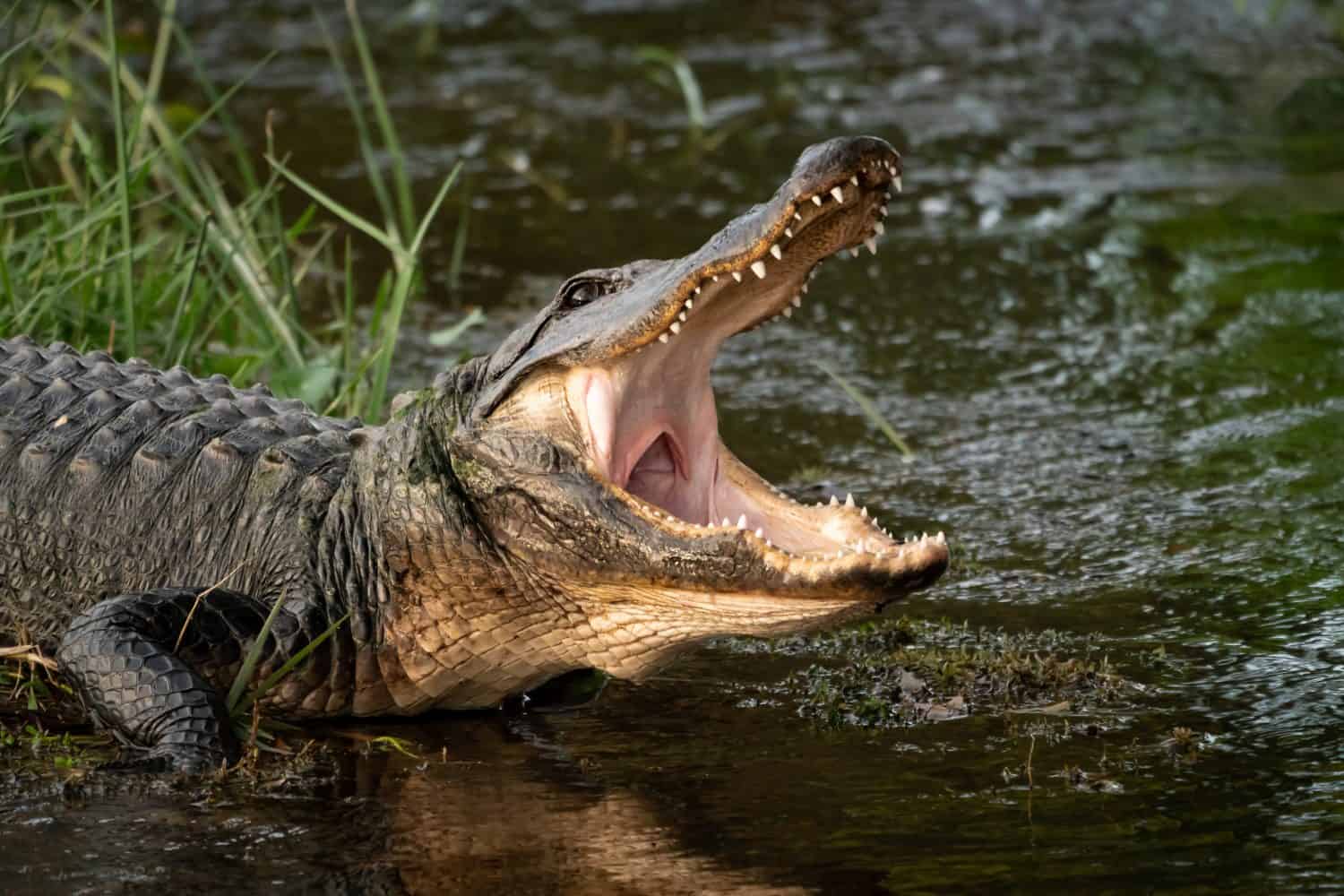
Each predator differs in temperament and hunting style. One Florida predator rarely attacks, but its bite is almost unforgettable. This animal is the American alligator, an iconic species that shouldn’t be feared, but certainly demands respect.
Alligator Attacks on People and Pets Are Rare
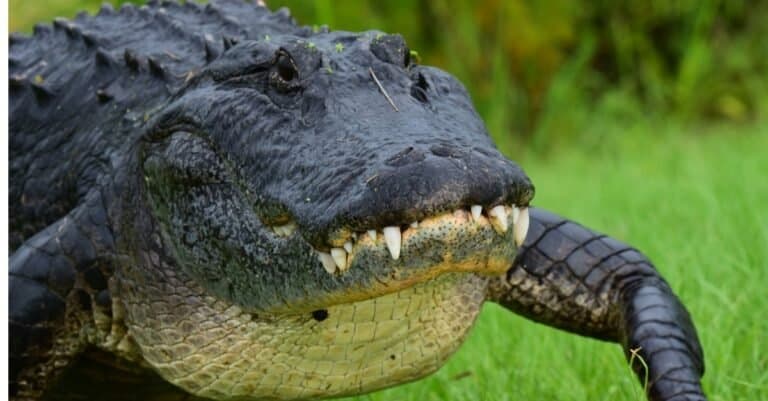
There are over 1.3 million alligators in Florida. No county in the state is immune to them. With such a large population of these reptiles in the Sunshine State, it would be easy to believe that alligator attacks occur frequently. This simply is not the case; in fact, alligator attacks are rare.
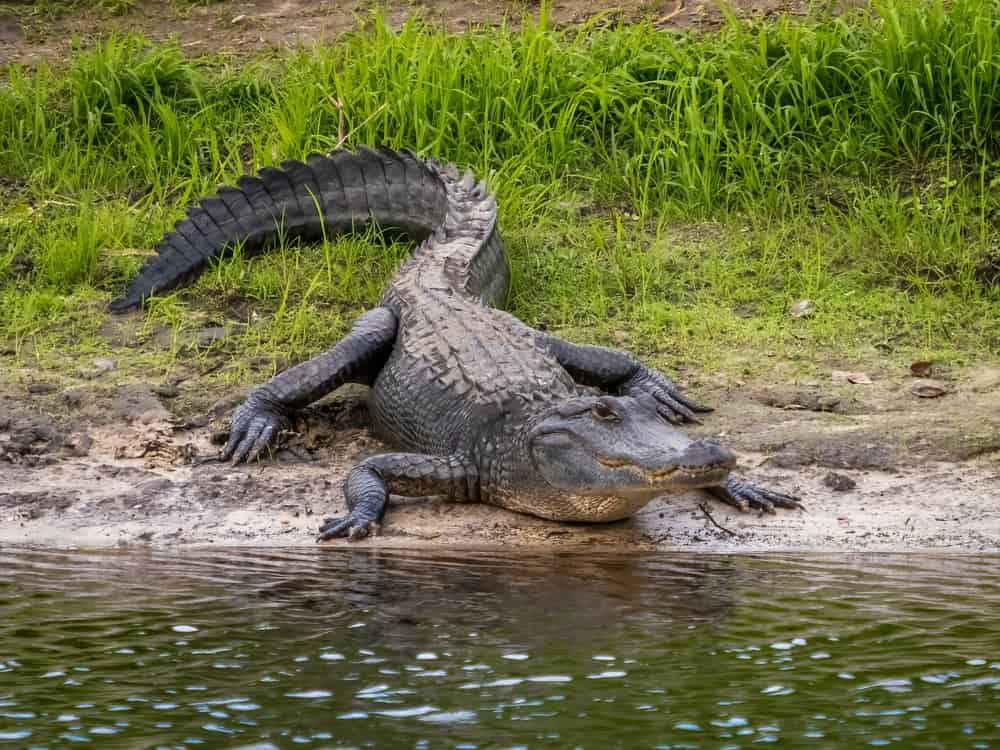
There have been 500 alligator attacks in Florida since 1948.
©Jim Schwabel/Shutterstock.com
According to the Florida Fish and Wildlife Game Commission, there have been 500 people bitten by alligators since 1948. Of those bites, 32 were fatal. The statistics on dogs attacked and fatalities are unknown. However, stories about dog-alligator encounters do appear multiple times per year.
The opportunistic hunters mistake both people and pets for their usual mammalian prey. People swimming and splashing in waterways where alligators are known to live make up the majority of human-gator incidences. Dogs that swim in the same water or take a drink from the water’s edge have also become victims.
What Causes the Majority of Alligator Attacks?
Alligators have been a part of the Florida landscape for millions of years. Because of their predatory nature, size, and strength, the reptiles are feared or even persecuted simply for existing. While it is good to have a healthy respect for alligators, fearing them may not be necessary. This is especially true given that they are not responsible for most of the attacks they are involved in.
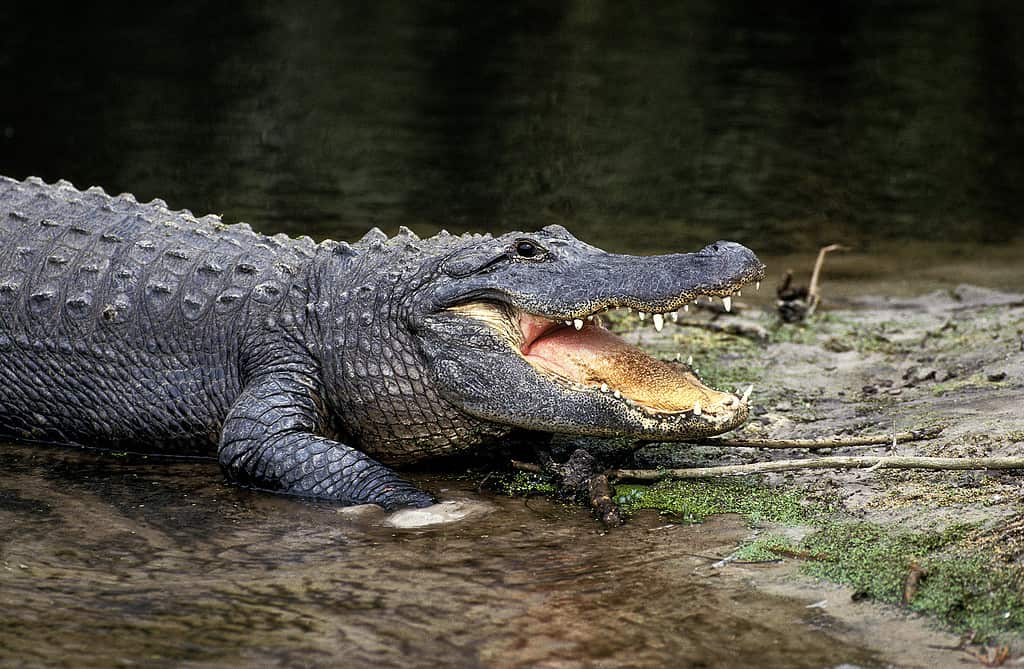
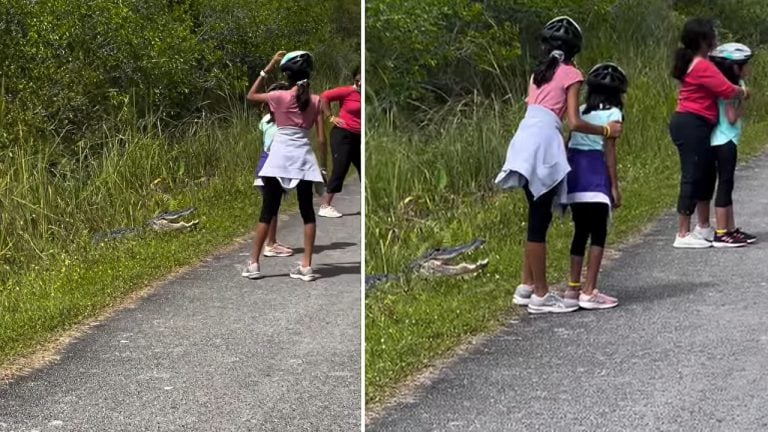
The majority of alligator attacks in Florida result from poor choices by people.
©slowmotiongli/iStock via Getty Images
According to a 2025 study published in Human-Wildlife Interactions, the majority of alligator attacks are caused by “risky human behavior, not aggression by alligators.” Alligators are not actively seeking out people or their pets. However, when people put themselves in danger by swimming in waterways where alligators are known to live, the chances of being bitten go up dramatically.
By simply using common sense, according to Dr. Frank Mazzotti, one of the study’s authors, the majority of attacks by alligators can be avoided.
“The takeaway from this study is that many bites can be prevented if humans are aware of their surroundings and minimize risky behaviors,” Mazzotti explained in a news release, “such as walking small pets near bodies of water or swimming where alligators are known to be present.”
What Happens to Alligators After They Attack a Person?
After an alligator attacks, regardless of whether a person provoked it, the alligator is labeled a risk to people. Consequently, if the alligator can be identified, it will be euthanized.
Once an alligator is deemed a threat to the public, whether from an attack on a dog or a person, authorities will attempt to identify which alligator was responsible. This may not always be possible, depending on the number of alligators living in an area. If the population is small, however, chances are high that the offending alligator will be found.
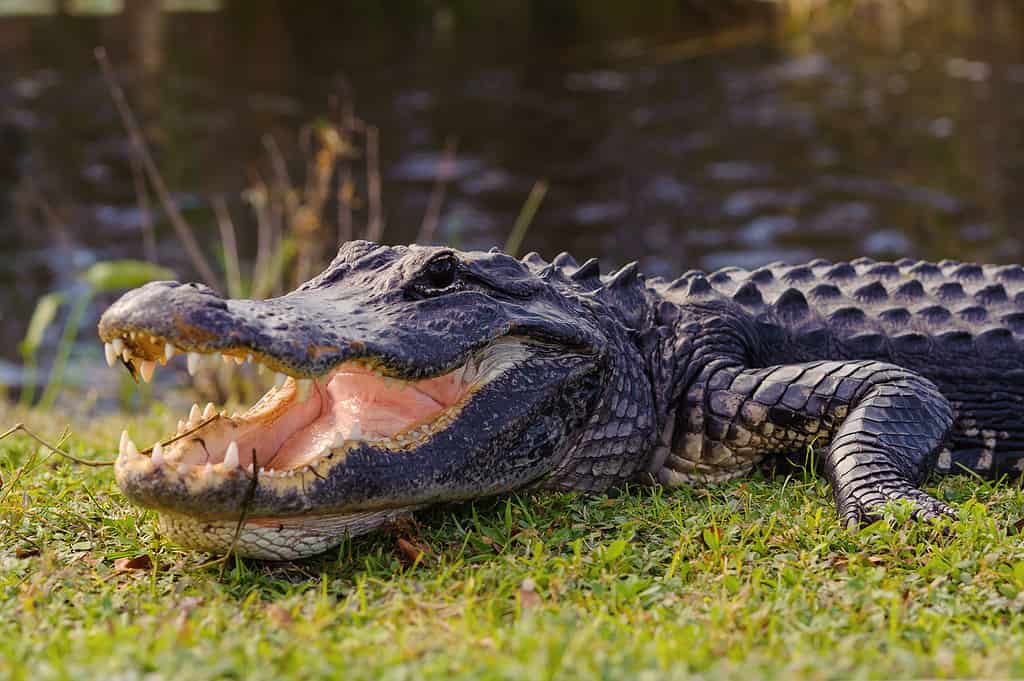
If the alligator that attacked can be identified, it will be euthanized.
©Sorbis/Shutterstock.com
Upon positively identifying the alligator as the attacker, Mazzotti, who is a University of Florida professor of Wildlife Ecology, explained in the new release, “the alligator responsible… is removed by authorities and euthanized, losing its life because of risky human behavior.”
Alligators will pay with their lives if people are not aware of their surroundings. Because of this, it is the responsibility of people and pet owners to avoid areas where alligators are known to congregate.
Why Alligators Attack Dogs
Because alligators are opportunistic hunters, if a dog is within striking distance, alligators will take their shot at securing themselves a meal.
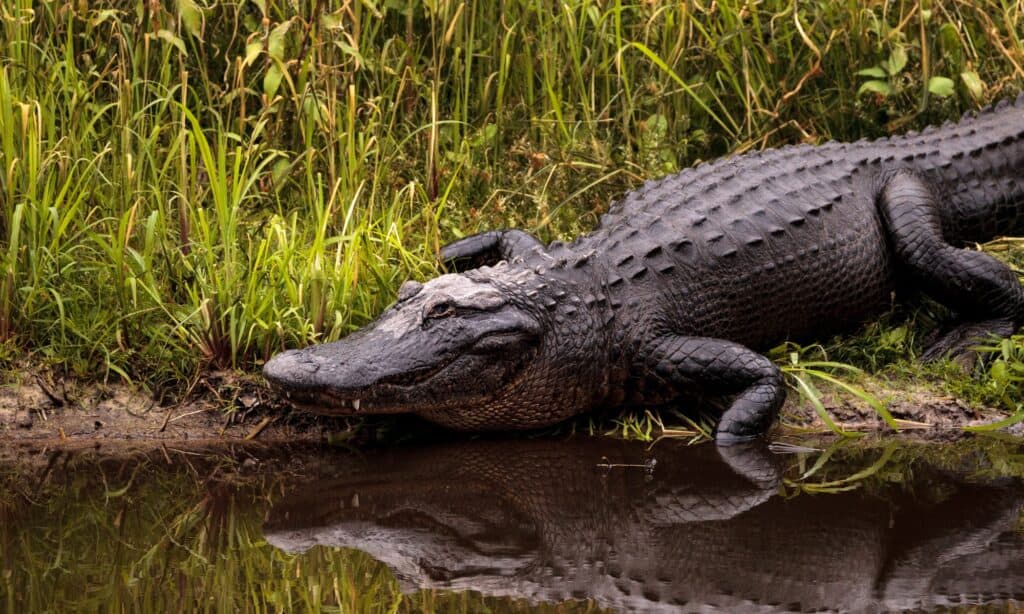
Alligators will target dogs more than people because dogs resemble their natural prey, such as raccoons, opossums, and deer.
©iStock.com/LagunaticPhoto
Dogs are more likely to be attacked than people simply because they are smaller. They also resemble and move like prey that alligators target. The large reptiles generally do not distinguish between a dog and their usual prey of raccoons or opossums. What they see is an animal that can easily be ambushed and dragged into the water.
No matter how good a dog’s recall is, it is imperative to keep dogs safe from alligators by keeping them on a leash and away from lakes, ponds, and other waterways in Florida. This is the only way to ensure that a simple walk does not turn into a frightening encounter when entering alligator territory.
How To Keep People and Pets Safe in Alligators Country
Alligators do not actively seek out people or pets to attack. It is when there is an opportunity to attack or when alligators feel threatened that bites or worse occur. By simply knowing protocols when living in alligator country, the chances of an attack are dramatically decreased, keeping not only people and pets safe, but alligators as well.
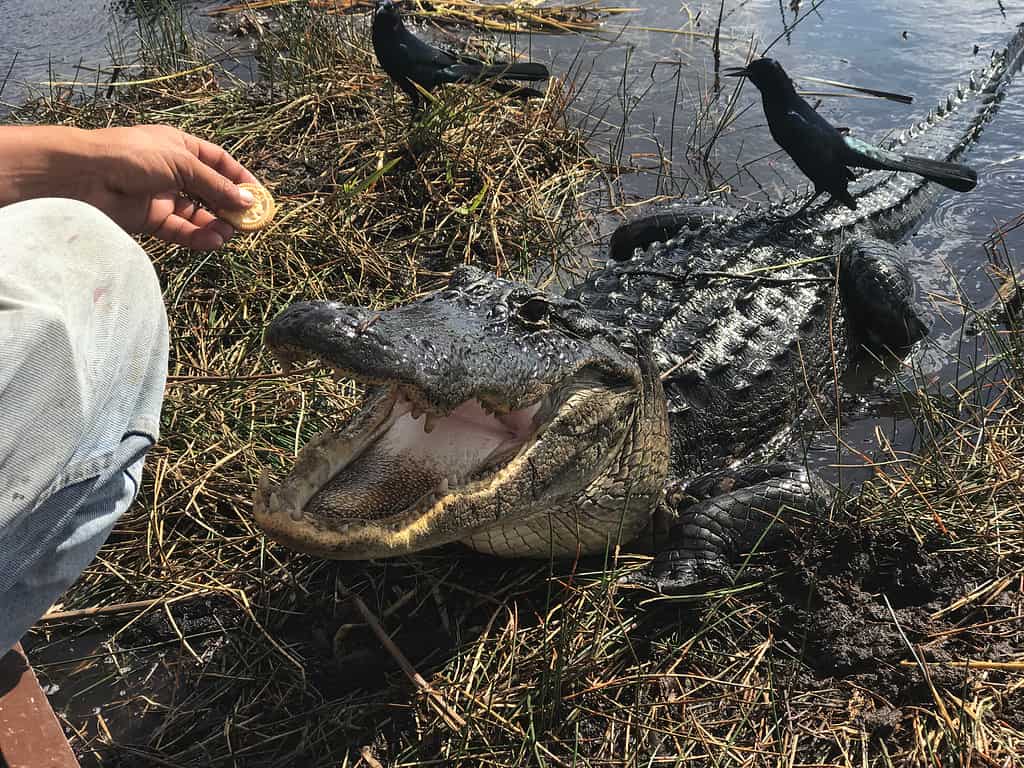
Alligators should be left alone, given a wide berth, and never fed to remain safe around the apex predator.
©Tande/Shutterstock.com
The safety tips to follow to remain safe when living in alligator country include:
- Keep a safe distance from the water when walking dogs
- Only swim in designated areas and do not allow dogs to swim – period
- If activity is noted in the water, back away slowly, not turning your back on the water
- Never lets dogs off a leash
- Never feed alligators
- Be aware of surroundings when temperatures rise and alligators spend more time out of water near their nests
Additionally, knowing that alligator attacks are more likely during mating season can help reduce their frequency. This timeframe is between April and June. Alligators are more active and aggressive, making vigilance an even higher priority in the spring and summer.
By following these tips, the risk of being bitten by an alligator decreases dramatically. Remember, they are not actively seeking dog or human victims. Therefore, if the opportunity to attack is removed, people and pets remain unscathed, and alligators can live to see another day.