

Quick Take
- Indoor cats can live longer than outdoor cats due to reduced exposure to traffic, predators, disease, and other external risks.
- Outdoor access provides stimulation but introduces significant dangers, including injury, illness, and environmental hazards.
- Indoor environments must include enrichment to support natural behaviors and prevent stress-related health issues.
Cat owners often debate whether cats should live indoors or roam outside. Indoor cats face fewer dangers from traffic, predators, and disease, and research shows they live longer than those allowed to roam free. At the same time, restricting a cat indoors can limit natural behaviors such as climbing, hunting, and exploring. These differences raise an important question: Does a longer life also mean a better one?
Researchers now look beyond lifespan alone and focus on the animals’ daily experience. Environment, behavior, and stress all affect a cat’s well-being. Feline researchers hope to understand not just how long cats live, but how they live. This broader view helps owners make decisions that balance safety with quality of life.
A First Consideration: Local Rules
In some areas, letting cats roam freely is not just a personal choice but a legal issue. Local ordinances may require cats to stay on their owner’s property, be supervised outdoors, or result in fines if they wander. Some states have also added restrictions on declawing. As of January 1, 2026, California has banned declawing cats unless medically necessary. Because rules vary widely, owners should check local laws before allowing outdoor access.
Advantages of Outdoor Access
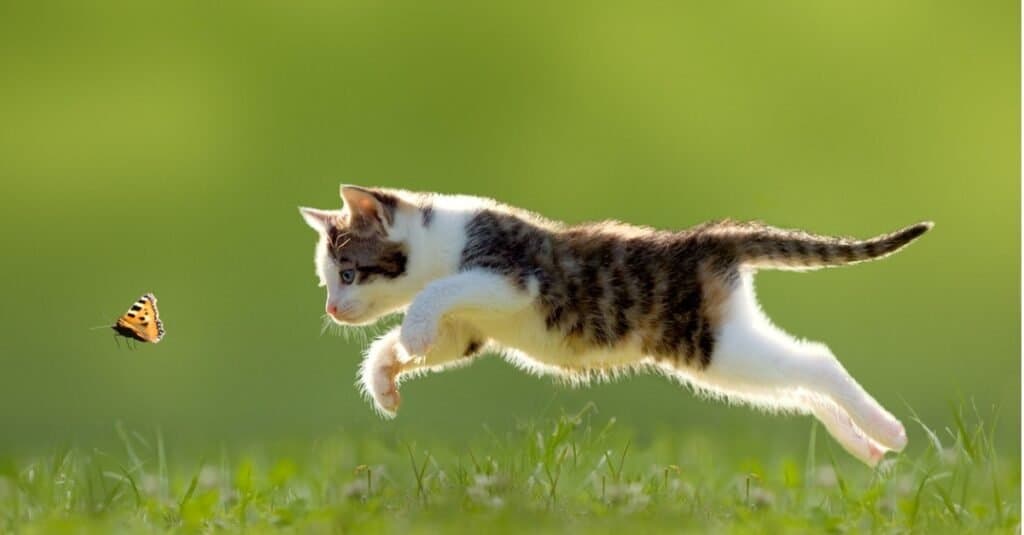
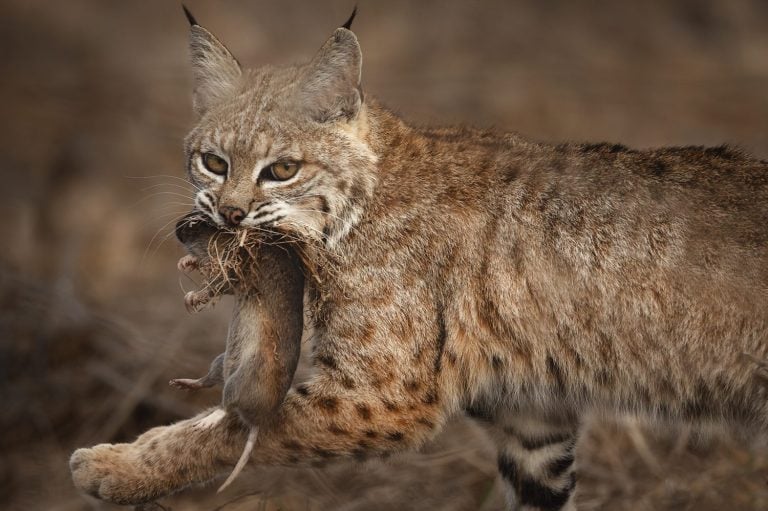
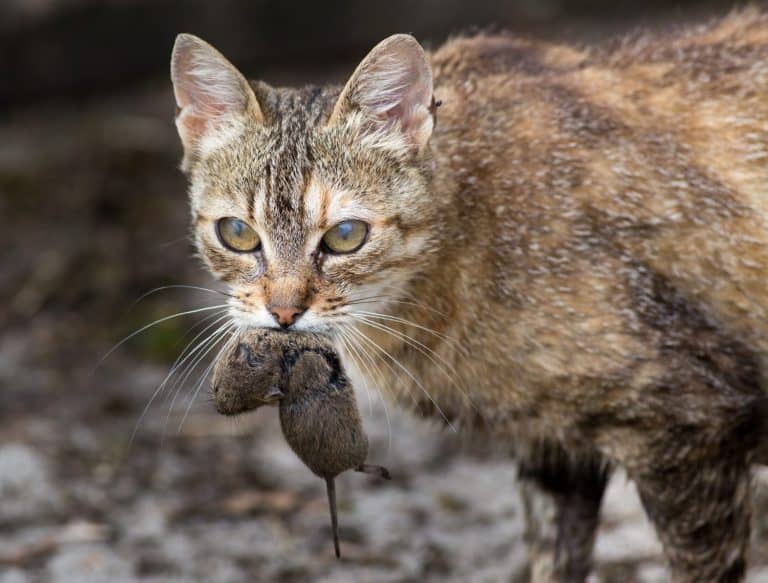
When allowed to roam, cats can exercise their hunting skills.
©iStock.com/Leoba
Outdoor access provides cats with a level of stimulation that can’t be fully replicated indoors. The ability to explore, hunt, and interact with a constantly changing environment supports both physical activity and mental engagement. Many owners believe that this freedom improves their cat’s overall well-being, especially when cats actively seek to go outside. Outdoor environments naturally encourage movement and allow cats to express behaviors that are central to their instincts, while also exposing them to a wide range of sights, sounds, and scents that can help prevent boredom.
In addition, outdoor access allows cats to exercise more control over their surroundings, choosing where to go and how to respond to what they encounter. This sense of autonomy may contribute to confidence and reduce frustration in some individuals. Larger spaces and natural terrain also support different kinds of physical exertion, engaging muscles and coordination in dynamic ways.
Some owners also note that outdoor cats may help reduce the presence of pests such as rodents around the home, as their hunting behavior can discourage or eliminate certain animals. However, this effect is inconsistent and not selective. House cats and feral cats also hunt birds and other wildlife, and they have a devastating effect on populations of songbirds, small mammals, reptiles, and amphibians.
Disadvantages of Outdoor Access
The benefits of allowing cats to roam outdoors come with considerable risks. Such animals face a much higher likelihood of injury, illness, and early death. Vehicles, predators, toxins, and conflicts with other animals all pose serious dangers. Parasites and infectious diseases spread more easily, and fights can result in wounds or the transmission of viruses. Outdoor cats are also exposed to environmental hazards such as extreme weather and chemical contaminants, and they may become lost. All of these dangers add up to a truncated lifespan. A 2022 study of 3,108 deceased cats showed that the lifespans of cats that live exclusively outdoors was 2 years shorter than those who lived primarily indoors.
In addition to considering the pet, responsible owners need to think about the impact on local wildlife. Recent studies estimate that outdoor cats in the U.S. kill 1-4 billion birds and 6-22 billion mammals each year, and they have contributed to the extinction of at least 63 species of birds, mammals, and reptiles. These staggering statistics should be of serious concern to people who love animals.

Outdoor cats have shorter lifespans in part because of hazards like traffic.
©Ytyung/Shutterstock.com
Advantages of Indoor Living
Indoor cats tend to live full lifespans because they are protected from many of the daily risks faced by cats that roam freely. Traffic accidents, predators, toxins, and infectious diseases are all major threats outdoors, and avoiding them contributes to a longer average lifespan. Indoor cats are also less likely to experience the chronic stress of being chased or threatened by dogs or other animals, which can take both a physical and psychological toll.
All of cats’ needs can be fully met in an indoor environment…I would suggest that in lieu of putting the cat outside, it is healthier for the cat if it is kept indoors in an enriched environment.
Dr. Julie Hunt, Associate Dean of Clinical Sciences and Professor of Veterinary Medicine at the Richard A. Gillespie College of Veterinary Medicine
Disadvantages of Indoor Living
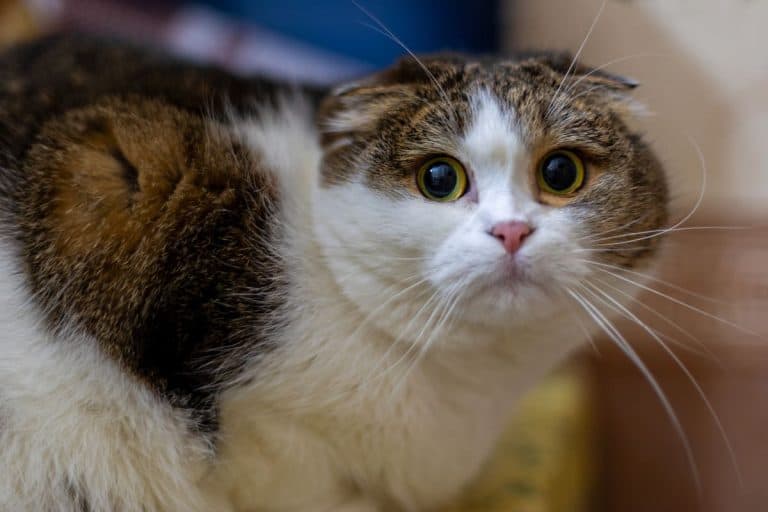
Despite these benefits, indoor living can limit a cat’s ability to express natural behaviors. Cats are instinctive hunters that rely on movement, exploration, and control over their surroundings. Without opportunities to climb, hide, and engage in hunting-like activities, some cats may experience boredom or frustration. This lack of stimulation can contribute to stress-related conditions and unwanted behaviors. Indoor environments may also increase the risk of obesity, diabetes, and urinary issues when activity levels are low. These outcomes are not inevitable, but they are more likely when the home environment lacks enrichment or is poorly structured, particularly in multi-cat households where space and resources are limited.
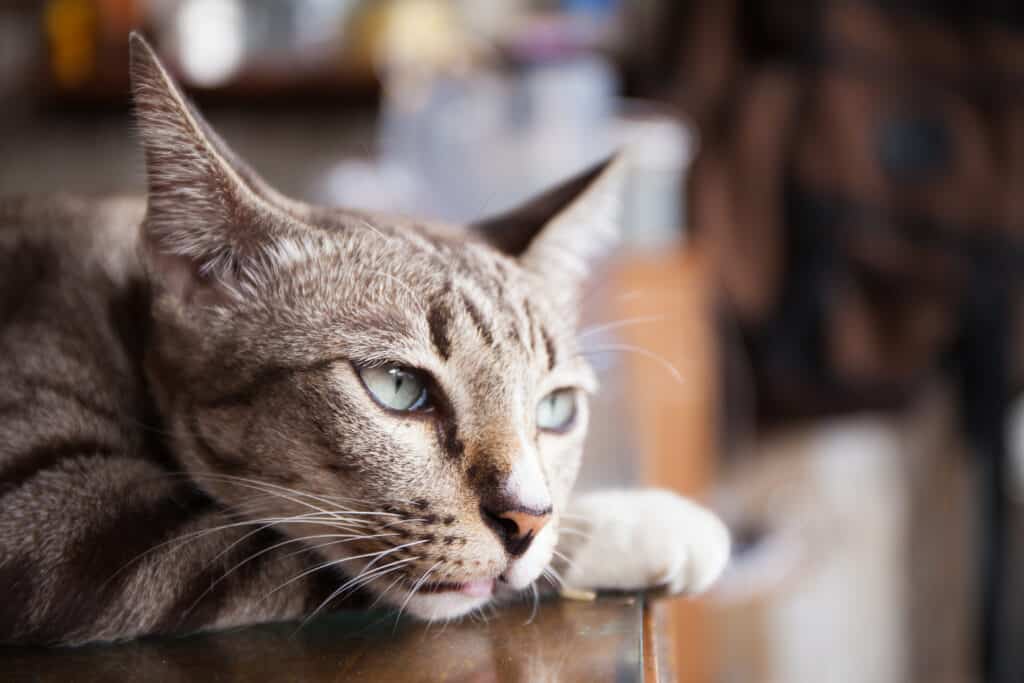
Indoor cats can become stressed and bored with nothing to do.
©Sunanta Suwanphen/Shutterstock.com
Having looked at both sides of this issue, we consulted Dr. Julie Hunt, Associate Dean of Clinical Sciences and Professor of Veterinary Medicine at the Richard A. Gillespie College of Veterinary Medicine in Harrogate, Tennessee. Dr. Hunt is also a Veterinarian at Embrace Pet Insurance.
Without question, Dr. Hunt comes down on the side of keeping cats indoors: “All of cats’ needs can be fully met in an indoor environment,” she asserts. “The most common argument that people make against keeping their cat indoors—when the data suggests it is healthier for them—is that the cat is bored in the house and needs stimulation. I would suggest that in lieu of putting the cat outside, it is healthier for the cat if it is kept indoors in an enriched environment.”
Ideas for an Enriched Cat Environment
Dr. Hunt suggested numerous ideas that can help cat owners provide a stimulating indoor environment for their animals, including “play opportunities, scratching pads, sleeping perches, hiding spaces, and high places, large cat trees, shelves mounted on the wall, catwalks along the ceiling, etc.”
Dr. Hunt says there are many ways to “catify” your home. “Well-designed, solid ‘catios’ are a great option for letting cats go outdoors,” she says. “Construction plans can be found online for a variety of types of catios.”
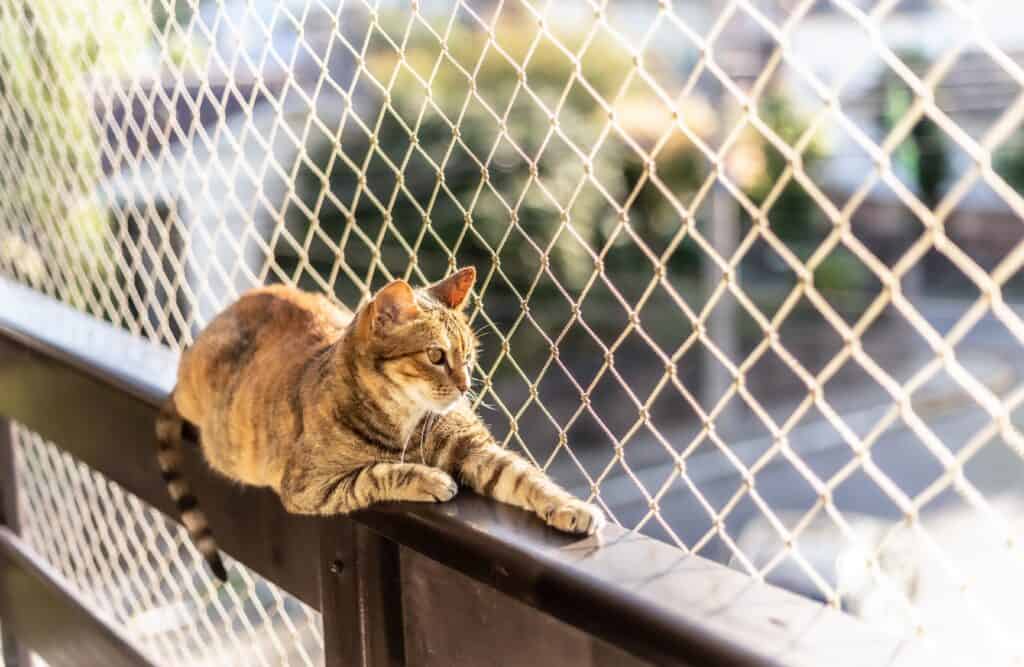
Fenced and roofed catios can provide the best of both worlds: outdoor space with sunlight and fresh air that protects both the cat and wildlife.
©cabuscaa/Shutterstock.com
What About Walking Your Cat?
While Hunt says some well-trained cats can enjoy walks with their owners, outdoor strolls can be a safety concern. “Loose dogs or dogs on too long a leash to be well controlled by their owner pose a significant threat to cats, as some dogs see cats as prey and may attack them,” she says. “While an owner might think, ‘I can just pull them apart,’ in fact, the damage happens very quickly given the cat’s relatively small size, and some dogs will not release their bite once they have latched on.”
If you’d like to let your cat enjoy the great outdoors, cat strollers and cat bubble backpacks are safer options, Dr. Hunt says: “The cat is able to see the outdoors without risk of trauma, infections, or animal attacks. However, some cats prefer to be left at home. Make sure you observe your cat’s response to see their preferences.”
Other Kinds of Mental Stimulation
In addition to providing cats with places to climb and hide, interactive toys and food puzzles are a good way to stimulate hunting behavior and mental engagement. There are also numerous apps for computers and iPads that engage a cat’s attention and stalking behavior.
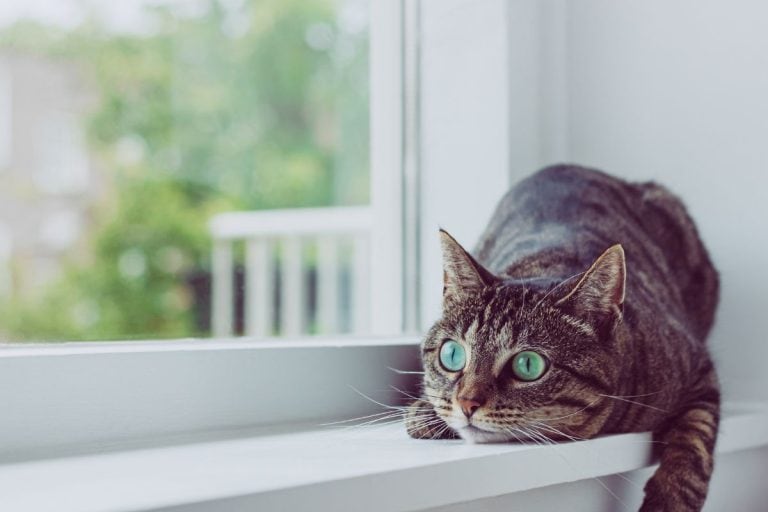
Rotating toys and occasionally changing layouts keep the environment interesting. Safe access to windows or outdoor views also provides stimulation. These strategies help transform indoor spaces into environments that support natural behavior.
Understanding Individual Cats
Each cat responds differently to its environment, so observing behavior is key to understanding what an individual cat needs. Some adapt easily to indoor life, while others show signs of frustration or stress, which may appear as changes in activity, grooming, or social interaction. Personality and past experiences also play an important role in how a cat adjusts, so a single approach does not suit every animal.
Owners can improve a cat’s quality of life by combining safety with stimulation, using regular play, environmental variety, and access to vertical space to support both physical and mental health. Consistent routines help reduce stress, while occasional changes keep the environment engaging. Monitoring health and behavior allows for early detection of problems, and preventive care, such as veterinary visits and proper nutrition, supports long-term well-being. A balanced approach considers both safety and daily experience, creating an environment where cats can express natural behaviors without being exposed to unnecessary risks.
Responsible Outdoor Access
If owners do allow their pets time outside, responsible ownership becomes especially important. “Owners should remember that if their cat is going outside in any fashion, including catios, cat strollers, or leash walking, that the cat will need to be protected by flea, tick, and heartworm preventatives to keep them from becoming infected,” Dr. Hunt says.
It perhaps goes without saying that spaying or neutering is one of the most critical steps. Unaltered cats contribute to overpopulation, which leads to more stray and feral animals and increases pressure on shelters. Neutering also reduces roaming behavior, fighting, and certain health risks, making outdoor time somewhat safer for the individual cat.
The animal’s physical condition also matters. Declawed cats are at a disadvantage outdoors. Their claws are essential tools for climbing, balance, and self-defense. Without them, the animal may struggle to escape threats by climbing trees or navigating obstacles, and it may be less able to protect itself in encounters with other animals. For this reason, experts generally consider declawed pets poor candidates for unsupervised outdoor access.
A Balanced Approach to Cat Welfare
Indoor cats usually have much longer lives, but their quality of life depends on more than protection. Outdoor access provides stimulation but introduces serious risks to the pet and to wildlife. Neither approach alone guarantees good welfare. A balanced strategy combines the safety of indoor living with opportunities for enrichment and carefully controlled outdoor exposure. The goal is not simply to extend life, but to ensure that those years are active, engaging, and fulfilling.