
Quick Take
- Millions of owners think their flat-faced dog's noisy breathing is just a quirk of the breed, but vets have a very different name for it. See the symptoms →
- Tightening breeding restrictions has long been considered too risky to the gene pool, but a 4,000-dog genetic analysis may have just overturned that assumption. Explore the genetic findings →
- At least one country has already made a certain face shape illegal to breed, and the reason why others haven't followed has more to do with human nature than with science. See legal and breeding options →
- A standardized exercise test is now being used to score dogs and the grading system reveals something unexpected about which dogs are currently allowed to reproduce. See the grading results →
Flat-faced dogs, specifically French bulldogs, bulldogs, and pugs, are among the most popular breeds. Years of selective breeding have produced the flat noses that so many owners adore. But that cuteness comes at a cost. These breeds are at high risk of developing a serious respiratory condition called Brachycephalic Obstructive Airway Syndrome (BOAS), which can have devastating consequences for a dog’s health. A new genetic analysis suggests that breeding programs could change these characteristics and improve the well-being of these popular breeds.
What Is Brachycephalic Obstructive Airway Syndrome (BOAS)?
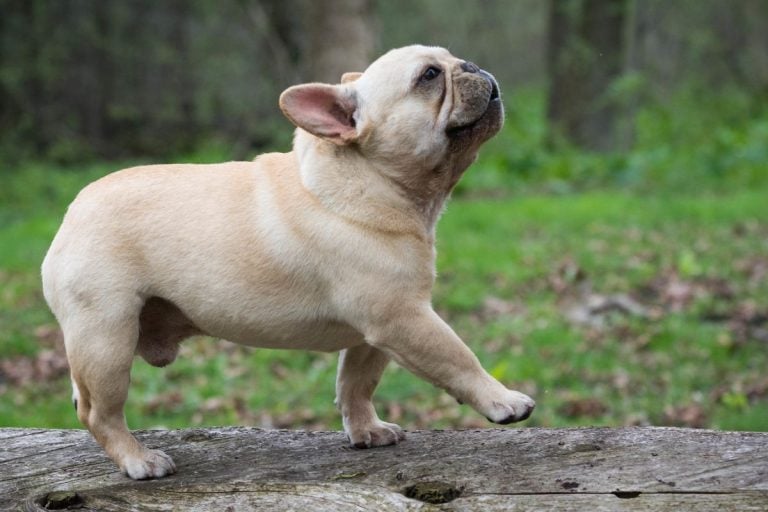
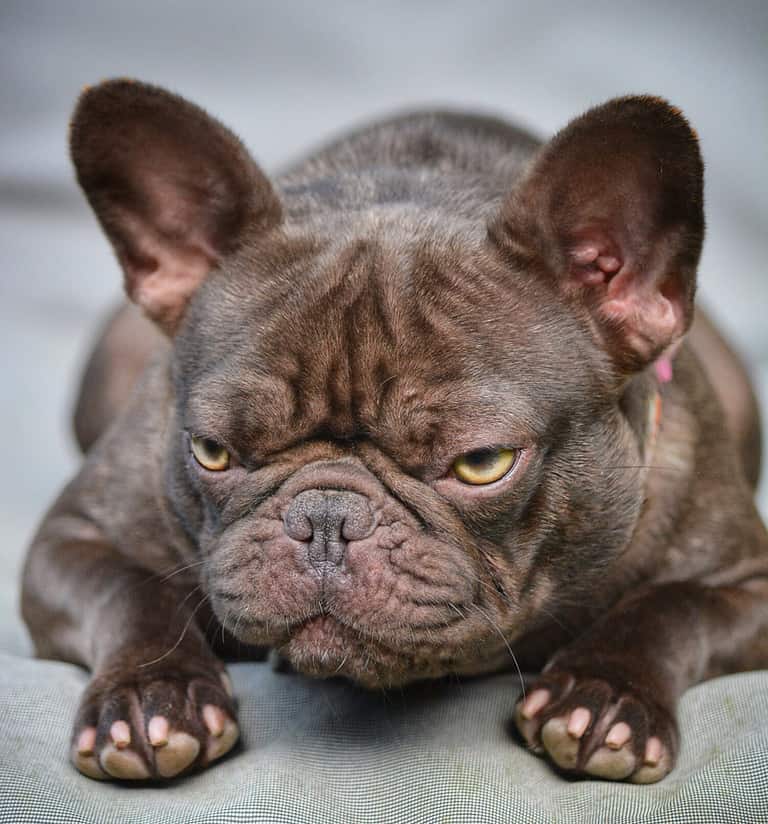
The brachycephalic dog breeds have flat faces. From a scientific point of view, this means they have a shortened muzzle, a wide head, and a thick neck. These dogs are prone to developing BOAS, one of the highest-priority canine health issues related to body shape.

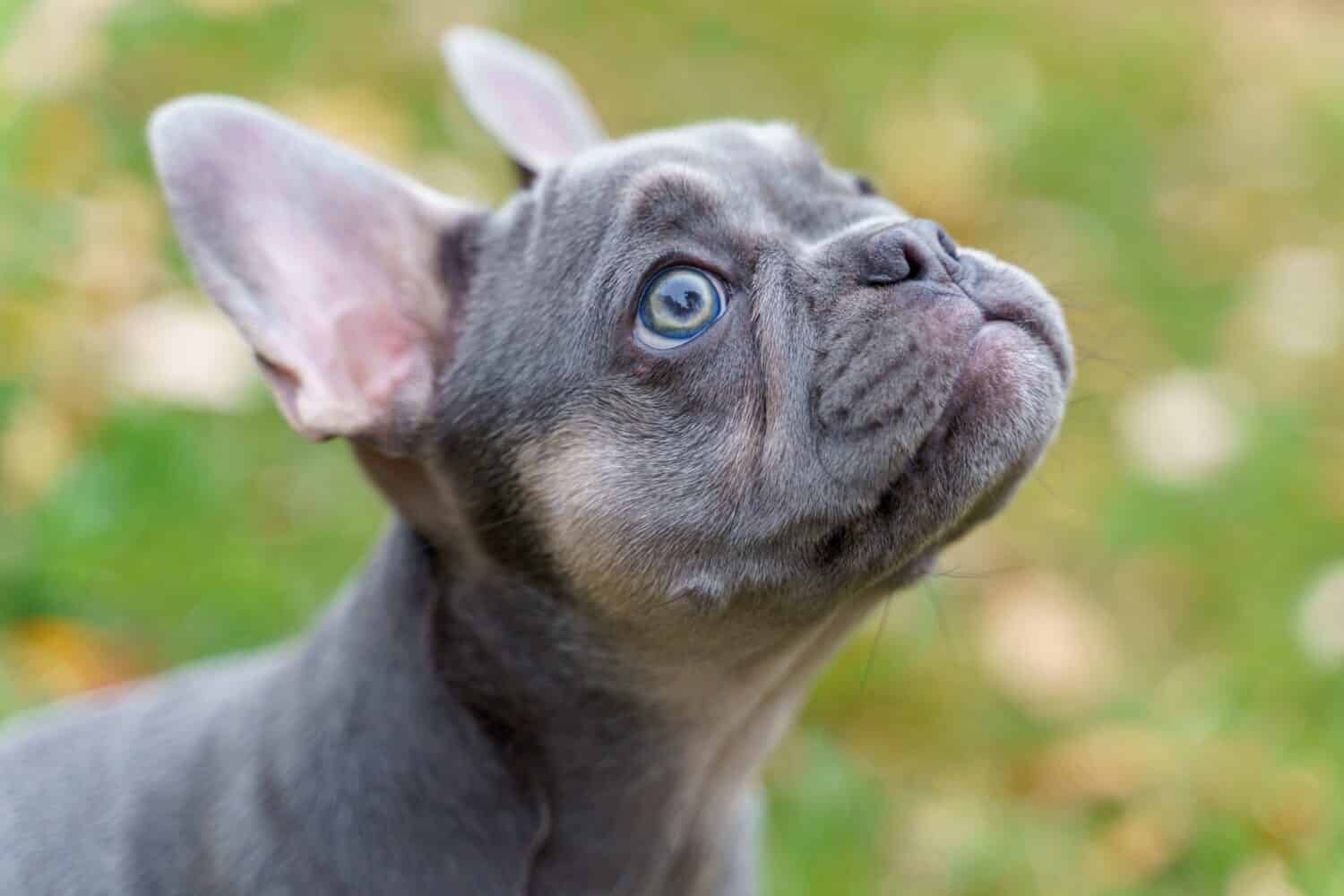
Pugs can struggle with exercise and heat regulation.
©Maryna Vechirka/Shutterstock.com
A dog with BOAS is likely to have both stridor and stertor, which are abnormal breathing sounds usually associated with a narrowing of the airways. Stertor is typically low-pitched, and stridor is higher-pitched. They may also have to make more effort to breathe than other dogs (inspiratory dyspnoea) and may even regurgitate their food. Because they struggle to get enough oxygen, these dogs tend to avoid exercise. Dogs typically lose excess heat through panting, as they do not sweat. However, dogs with BOAS have impaired heat regulation. In more severe cases, the condition can lead to sleep-disordered breathing, bluish discoloration of the mucous membranes, collapse, and even death.
How Many Dogs Have BOAS?
The first recorded instances of what we now call BOAS were from around 1900. However, it was not formally described until 1945 and did not become prominent until 2000. Since then, it has increased sharply, and this correlates with the rise in popularity of the brachycephalic breeds. Nearly one in six dogs in the U.K. is currently brachycephalic, and the French Bulldog is the most popular breed in the U.S.
Attempts to quantify the incidence have produced widely varying results, with rates ranging from 3.5 percent to over 60 percent recorded in these breeds. Many owners fail to recognize their dog’s breathing difficulties as a medical issue and believe that it is ‘normal for the breed’. Some experts have termed the situation a ‘brachycephalic crisis’ as a dog’s appearance becomes more important than its health.
What Can Be Done to Help?
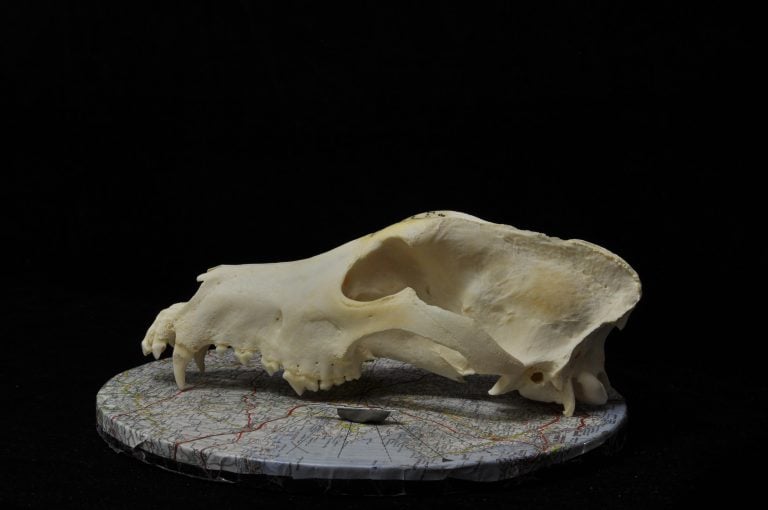
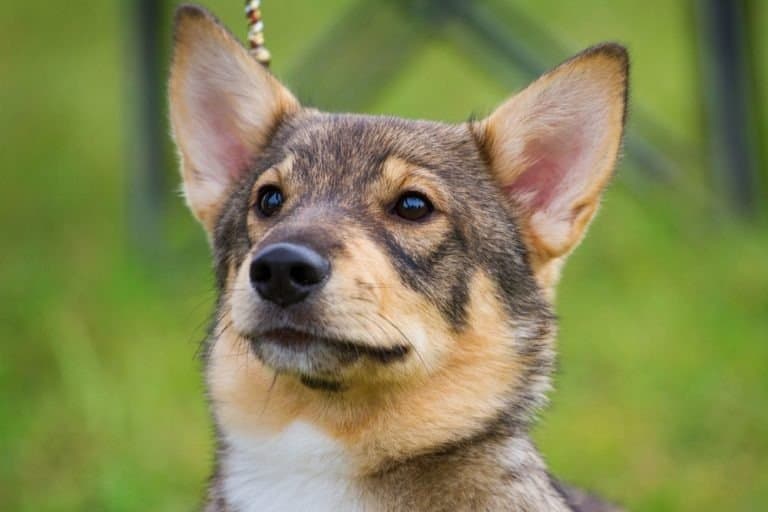
Experts have proposed several potential interventions to help solve this problem. Breeding standards for French bulldogs, bulldogs, and pugs in the U.K. have been revised to discourage exaggeration of their facial conformation. Outcrossing, the practice of crossing with dogs with more moderate skull shapes, is also a possibility. In the Netherlands, it is actually against the law to breed dogs with a craniofacial ratio (CFR) below 0.3. Yet, some surveys in the U.K., Denmark, and Germany have shown that people still prefer the more extreme face shapes on these dogs. Therefore, public demand will continue to be a barrier to dealing with this issue.
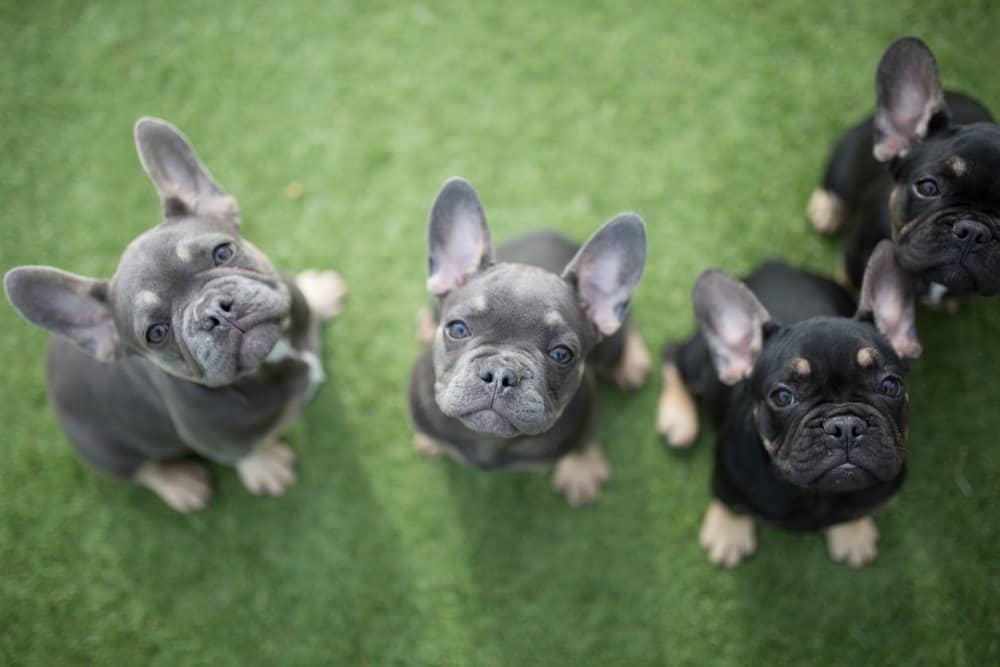
Selective breeding could produce healthier bulldog puppies.
©Rav_Photography/Shutterstock.com
Another approach is selective breeding within the breed. However, this requires identifying the best candidates for the breeding program. The U.K. Royal Kennel Club, in collaboration with the University of Cambridge, introduced the Respiratory Function Grading Scheme (RFGS) in 2019. The respiratory function of dogs considered for breeding is tested via a standardized exercise test, and the dogs are given a numerical grading between 0 and 3. Grade 0 dogs are free of respiratory signs of BOAS. Grade 3 dogs have severe respiratory signs of BOAS, and it is recommended that you do not breed from them. Having been tested over the last few years, the system has proved to be practical and validated for large-scale screening.
In a new study, researchers analyzed RFGS data from over 4,000 dogs. They also looked at pedigree records to estimate the heritability of respiratory function. This also allowed them to assess RFGS participation across the U.K. Royal Kennel Club-registered populations of the three breeds.
What Did the RFGS Study Find?
This study found that between 6 and 20 percent of the dogs studied suffered from BOAS. This is lower than that recorded in previous studies. Currently, Grade 2 dogs are clinically affected and show moderate respiratory signs of BOAS. They are still allowed to be used for breeding because excluding them could drastically reduce the gene pool and increase the risk ofd that excluding them would drastically reduce the gene pool and ultimately lead to inbreeding. However, this study found significant genetic variation among the dogs. This means it may be possible to completely exclude these dogs from breeding, which could lead to genetic improvements in respiratory health for the breed.
However, multiple BOAS-related traits would need to be recorded and evaluated together for effective improvement. Ultimately, the success of such an initiative depends on owners’ willingness to participate.