
Quick Take
- It was intercepted at the border dozens of times before finally slipping through, and the one place it breached containment is not where you would expect. Trace its arrival →
- The tick is nearly invisible to the naked eye, but its most dangerous feature isn't its size. What makes it truly threatening is something about how it reproduces that strips away the usual defenses farmers rely on. Understand the reproduction threat →
- The disease it spreads to cattle closely mimics a more familiar condition, and that confusion is making the outbreak significantly harder to manage. Explore the disease confusion →
Longhorn cattle have long symbolized the American West, strength, and resilience. A new type of longhorn, however, has entered the American landscape, one that threatens the very fabric of the country’s livestock industry. Meet the Asian longhorned tick, an invasive arachnid species that has shocked experts with its ability to clone itself thousands of times.
Most pests mate the old-fashioned way, which prevents quick takeovers. Much to the chagrin of agricultural and health officials, however, the Asian longhorned tick is parthenogenetic. This almost supernatural ability to lay eggs without mating allows these ticks to explode in numbers. It has also made this tick the scourge of farmers across North America. Let’s learn more about the Asian longhorned tick, how it mates with itself so easily, the threat it brings, and what officials are doing to stop its spread.
Meet the Pest
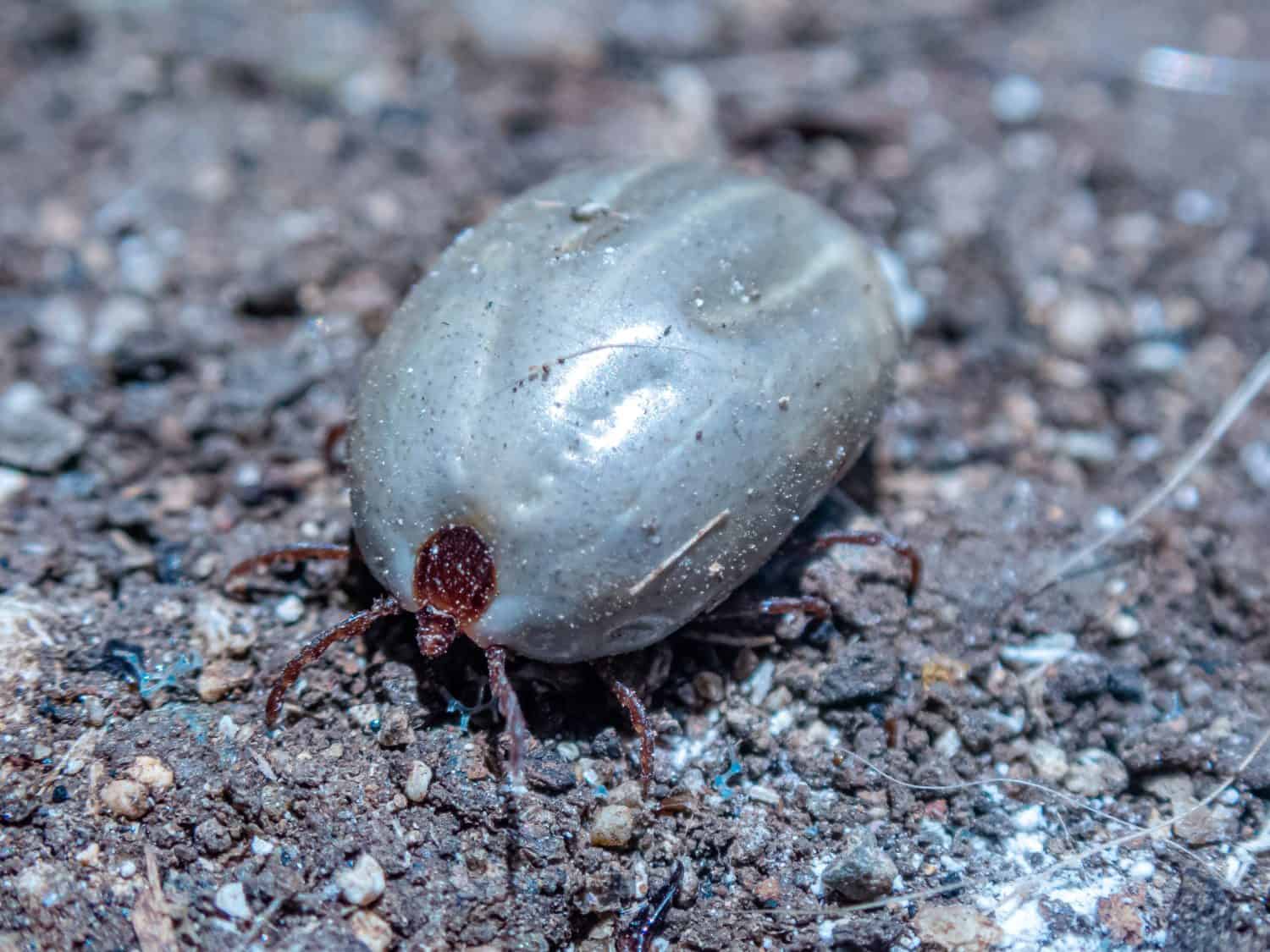
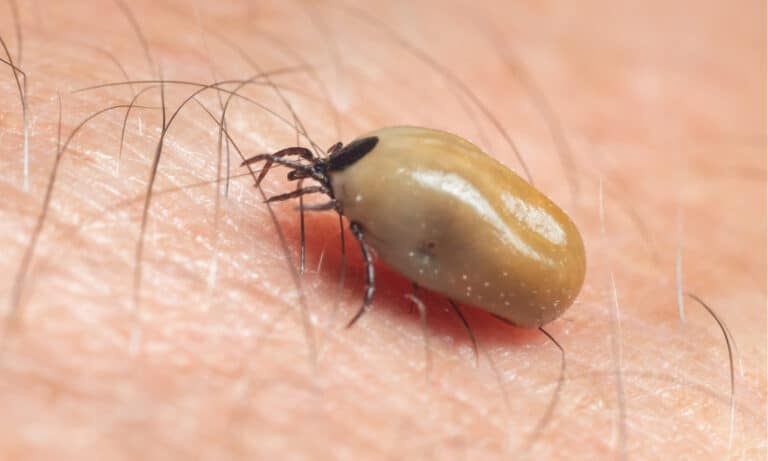
Female Asian longhorned ticks grow nearly five times their normal size from drinking blood.
©SaltedLife/Shutterstock.com
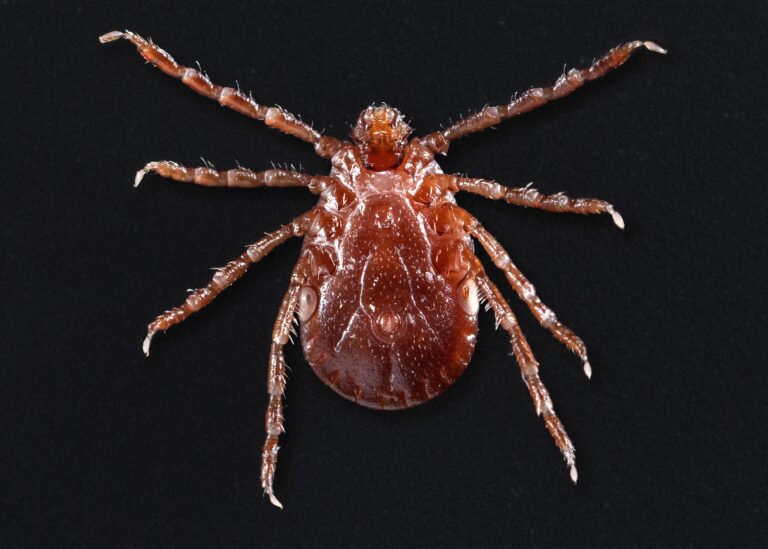
The Asian longhorned tick (Haemaphysalis longicornis) is a type of parasitic arachnid in the family Ixodidae. A significant pest, particularly in the Southern Pacific region, the longhorned tick transmits a disease called theileriosis to cattle. It is also associated with several human transmittable tick-borne diseases.
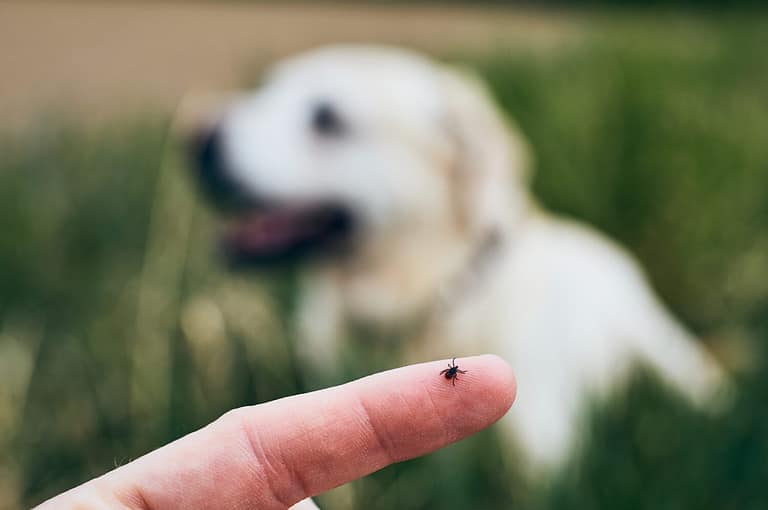
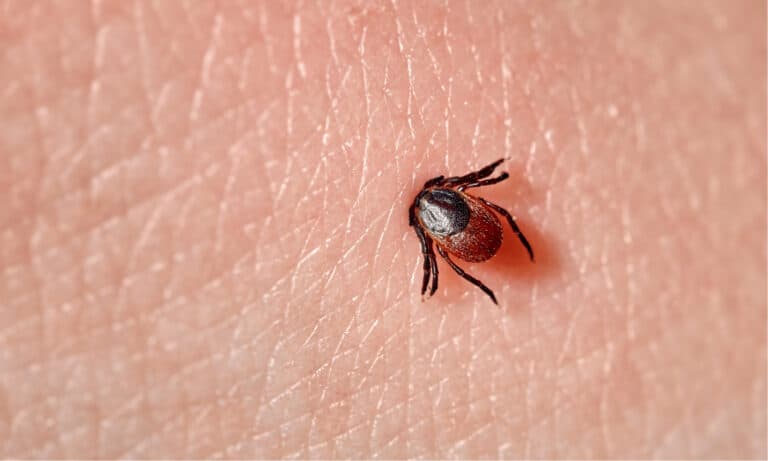
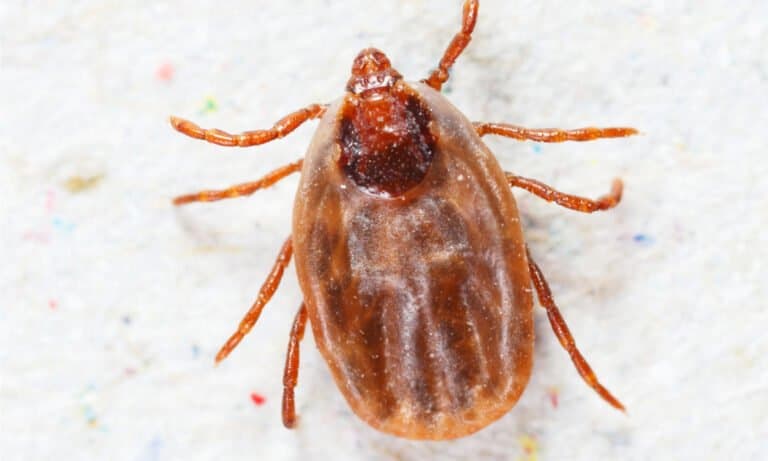
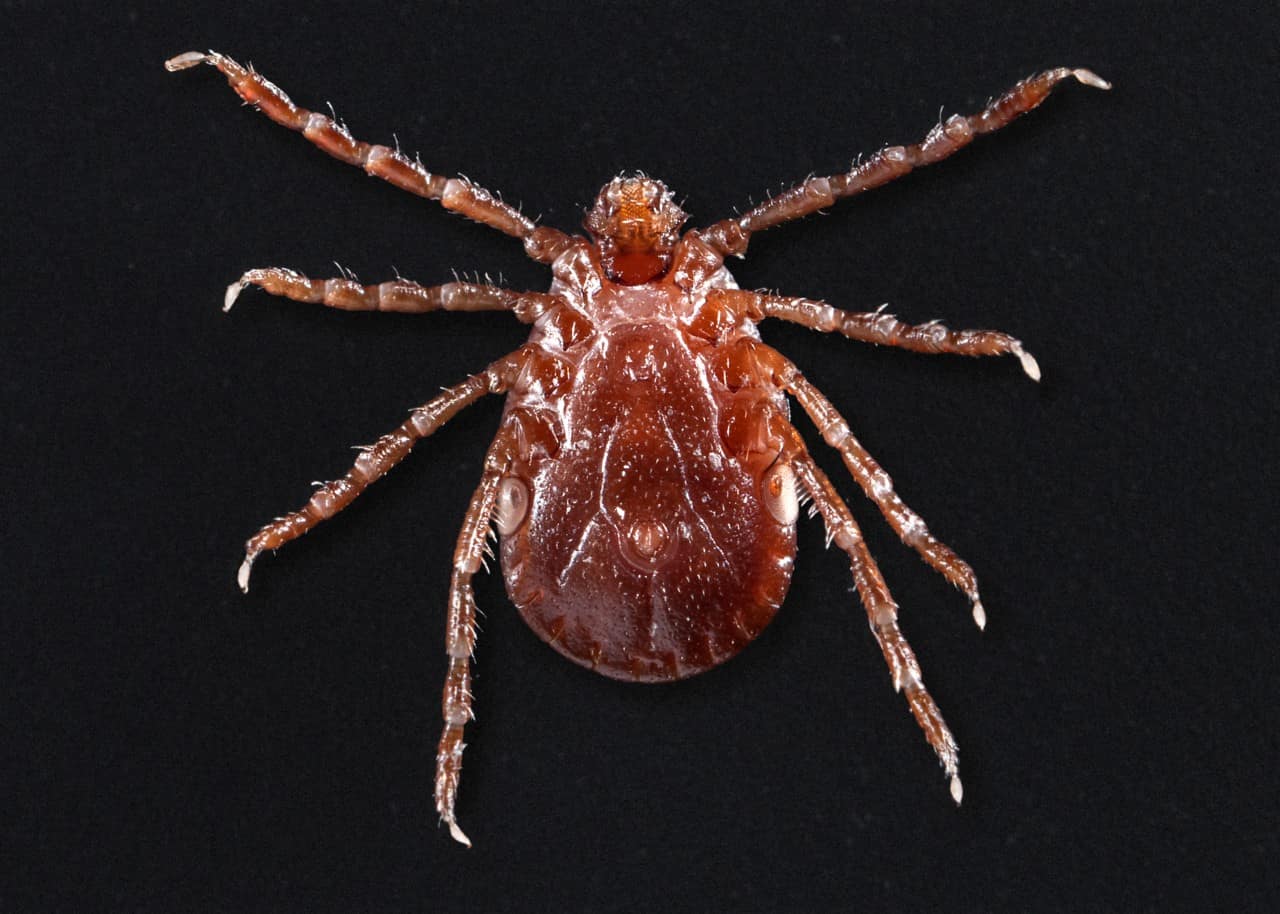
Most ticks look relatively similar, and Asian longhorned ticks are no different. In fact, distinguishing them from other members of the Haemaphysalis genus requires looking at them under a microscope. That said, unfed female longhorned ticks grow to about 2 millimeters long and 1.5–1.8 millimeters wide. Once they feast, they can grow nearly five times their normal size.
Native to temperate areas of several Asian countries, including China, Korea, Japan, as well as Pacific Islands, the Asian longhorned tick remained in its traditional habitat until about a decade ago. The first longhorned tick detected in North America was found on a sheep farm in Hunterdon County, New Jersey. Despite being caught at customs dozens of times for imported animals and materials, the longhorned tick finally breached containment. Since then, it has traveled across the eastern United States. It’s been detected in at least 21 states, including New Jersey, North Carolina, New York, and Connecticut. It even appeared in Arkansas. Despite several attempts to eradicate it from New Jersey, the longhorned tick is a survivor. Now it has firmly established itself as an invasive species, and it shows no sign of slowing.
Parasitic Parthenogenesis
The most fascinating and frightening thing about Asian longhorned ticks is their ability to reproduce asexually. They are one of the select few creatures on Earth with this superpower. Called parthenogenesis, this macro-mitosis is part of the reason why Asian longhorned ticks are so successful. What’s more, Asian longhorned ticks can shift between normal reproduction and asexual parthenogenesis depending on the population.
Once a female Asian longhorned tick has engorged on cow’s blood, it can essentially clone itself up to 2,000 times. Once these eggs hatch, they can easily overwhelm a small area and its wildlife in a short period of time. These ticks, being highly adaptable, can also survive blisteringly cold winters.
Manifest Destruction
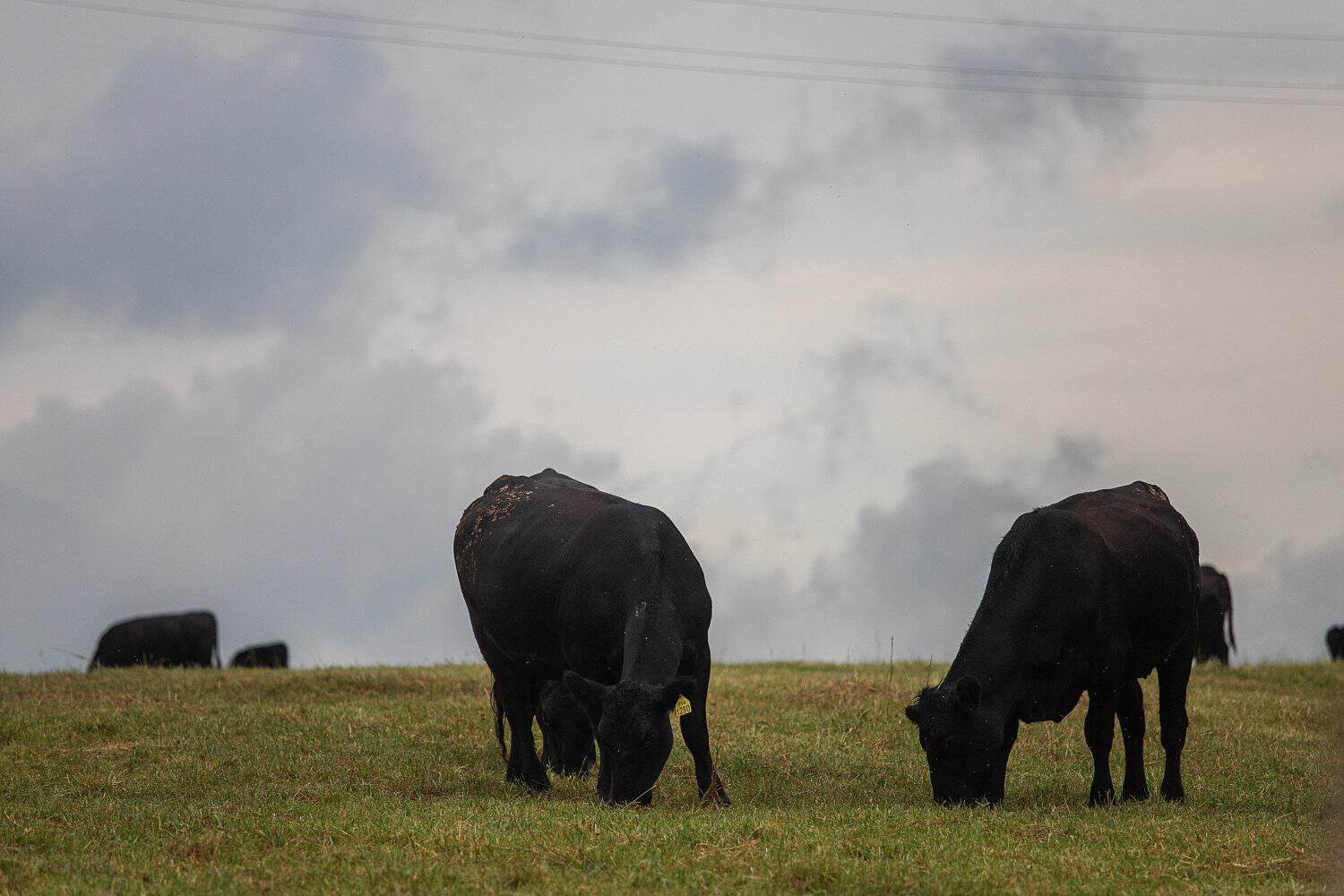
If infected by Asian longhorned ticks with Theileriosis, cattle can show signs of anemia, lethargy, jaundice, and difficulty breathing.
©EvGavrilov/Shutterstock.com
Since arriving in North America in 2017, Asian longhorned ticks have steadily pushed westward. According to experts, they are reaching as far west as Nebraska, Kansas, Iowa, and Missouri; they show no sign of slowing down. While people’s health is rarely affected directly by Asian longhorned ticks, livestock are completely at their mercy. These ticks, having cloned themselves into veritable armies, can quickly drain blood from small animals including calves as well as mature cows. Sometimes, they also spread and transmit a disease called Theileriosis in the process.
Once afflicted with Theileriosis, cows can begin showing signs of anemia, lethargy, and difficulty breathing. If the disease progresses, infected cattle can develop ventral edema, exercise intolerance, jaundice, and even abortions. While the disease exhibits symptoms similar to anaplasmosis, calves and younger animals in particular typically show more severe signs. Treatment options for Theileriosis remain limited, so the risk of death to younger livestock is elevated.
In an article and interview published by Brownfield AG News, Sigrid Johannes, the National Cattlemen’s Beef Association’s senior director of government affairs, emphasized the importance of stopping the spread of Asian longhorned ticks. She said, “It can very quickly drain the blood from smaller animals and calves,” Johannes said. “It reproduces asexually, so it can actually grow to be a massive problem in the blink of an eye without too many barriers. And it’s really small. It’s hard to visually detect.”
The National Cattlemen’s Beef Association plans to ask Congress about funding for a surveillance network for the tick. Suffice it to say that, until that happens, the Asian longhorned tick will continue to spread across the country with ease.