
Quick Take
- One Asian island looks a bit alien, and the trees are entirely responsible for that impression. See Socotra's alien trees →
- A single lake holds roughly a fifth of all the unfrozen freshwater on Earth, and it is also home to a highly unique species. Discover Baikal's freshwater seal →
- The world's largest mangrove forest is home to a big cat with an unexpected survival skill most people never associate with wild felines. Meet the swimming Bengal tiger →
- Nearly a third of one island's plant species exist nowhere else on the planet. Isolated geography does something extraordinary to evolution. Explore Socotra's endemic plants →
Asia is the largest continent on Earth, and its ecosystems are every bit as diverse as its size suggests. This huge continent contains massive mountain ranges, lush tropical forests, mangrove swamps, and remote islands, just to name a handful of ecosystems. This multitude of landscapes creates habitats for an immense variety of animal species. Within the regions that have been isolated for millions of years, unique species evolved. These rare animals are found nowhere else. From snow-covered mountain ranges to humid rainforests, Asia’s landscapes support extraordinary natural wildlife. Here are some of the continent’s most unique ecosystems and the amazing creatures that live within them.
The Sundarbans Mangrove Forest
©Tareq Ahmed/iStock via Getty Images
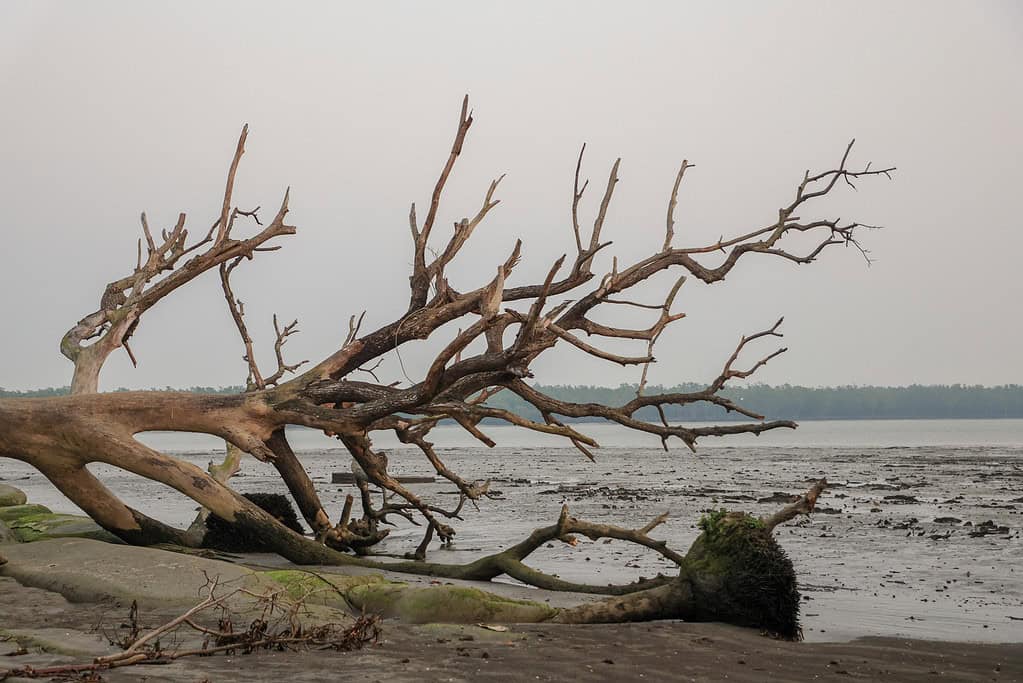
The Sundarbans is the largest mangrove forest on Earth, spanning portions of India and Bangladesh. Saltwater channels, muddy areas, and tangled mangrove roots combine to create quite a unique landscape. Animals here are adapted to brackish water and constantly changing tides, as well as seasonal flooding. The most famous resident is the majestic Bengal tiger. This large wildcat is a skilled swimmer, known for navigating between islands. Man-eating saltwater crocodiles roam the rivers searching for prey that wanders too close to shore. The fishing cat, a rare wild feline, lives up to its name by hunting fish and crustaceans in shallow waters. The thick roots of mangrove trees help stabilize the land, allowing for countless species to thrive in the area. Life in the Sundarbans is a unique evolution of both land and sea. This ecosystem is easily one of the continent’s most interesting and dynamic landscapes.
Socotra
©irinabal18/ via Getty Images
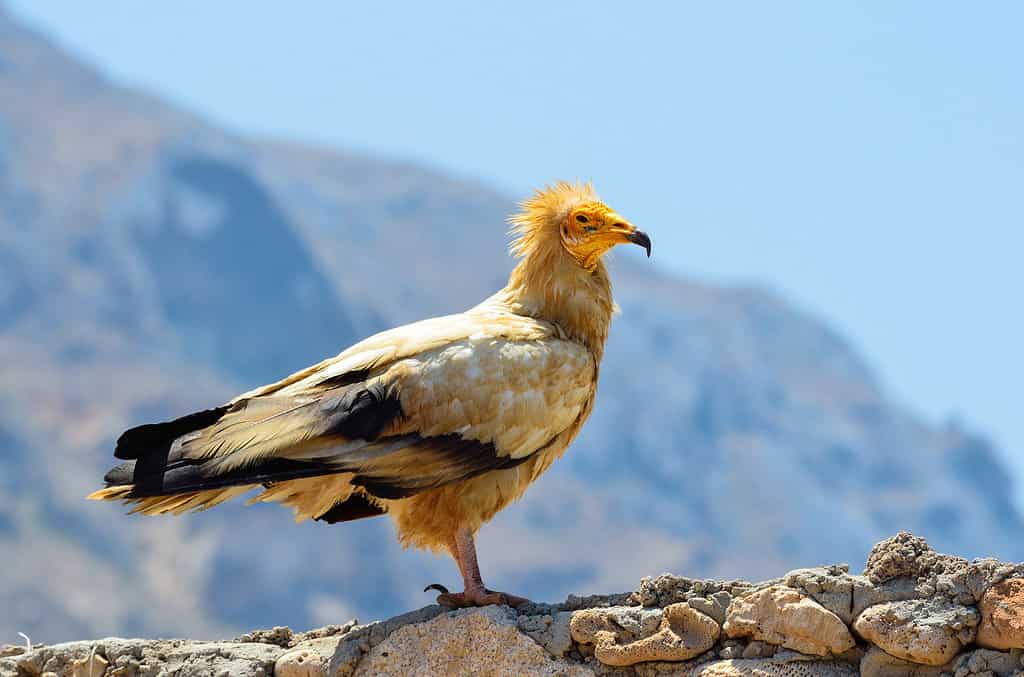
Socotra is an isolated island in the Arabian Sea that is often described as extraterrestrial in appearance. It has a great number of endemic life forms, with almost a third of its plant species existing nowhere else. The island’s otherworldly look comes from its famous dragon’s blood trees, whose umbrella-shaped canopies seem almost alien. These trees are home to a wide variety of bird species. Large colonies of the Socotra cormorant nest along the shoreline. Egyptian vultures fly through the skies, scavenging any meal they can find. Socotra sunbirds drink nectar and help pollinate the local plants. As with other remote islands, isolation has meant species evolving independently for millions of years, leading to some fascinating wildlife. But survival on this island isn’t easy; harsh conditions and limited freshwater present challenges. Socotra is one of the world’s greatest hotspots of highly unique creatures.
Lake Baikal
©Katvic/Shutterstock.com
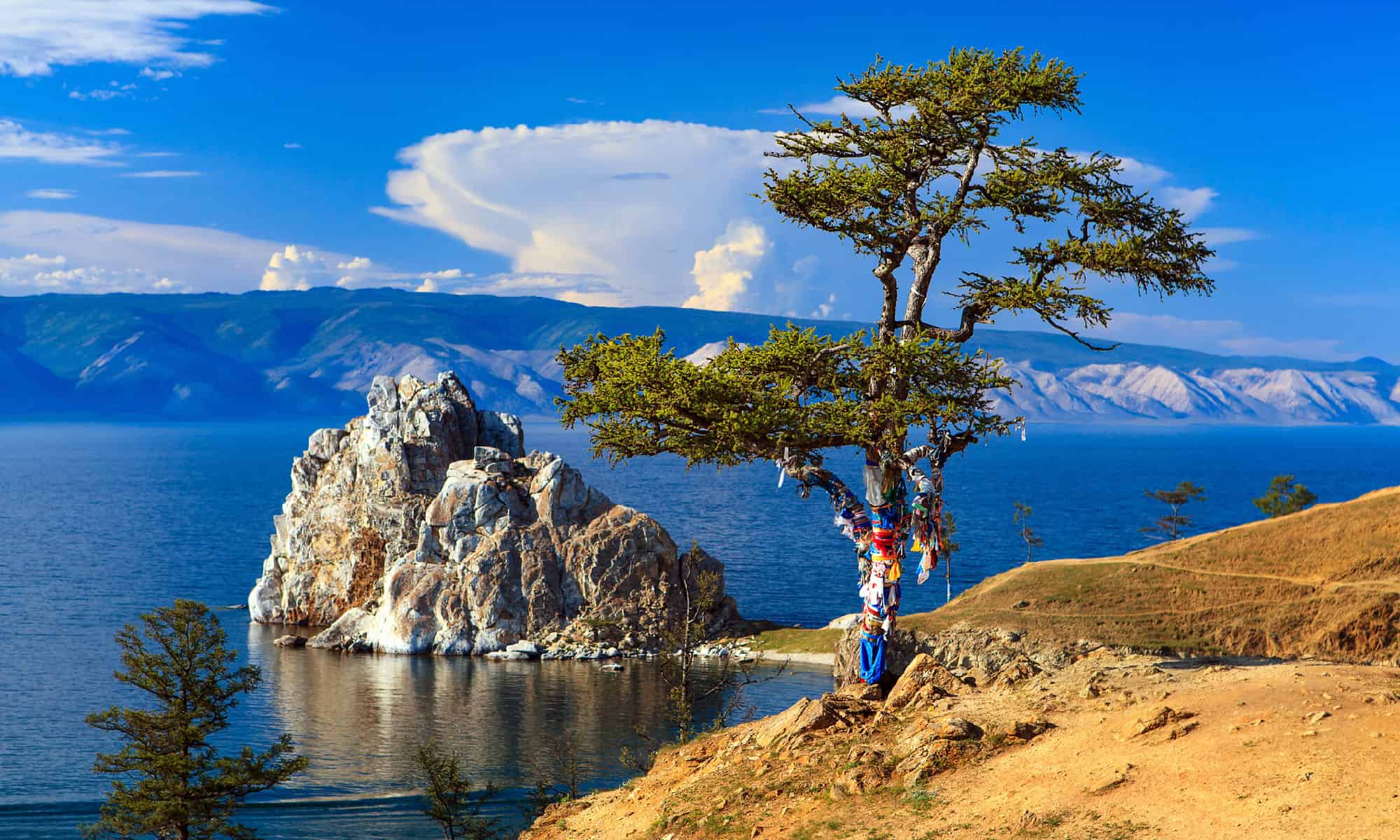
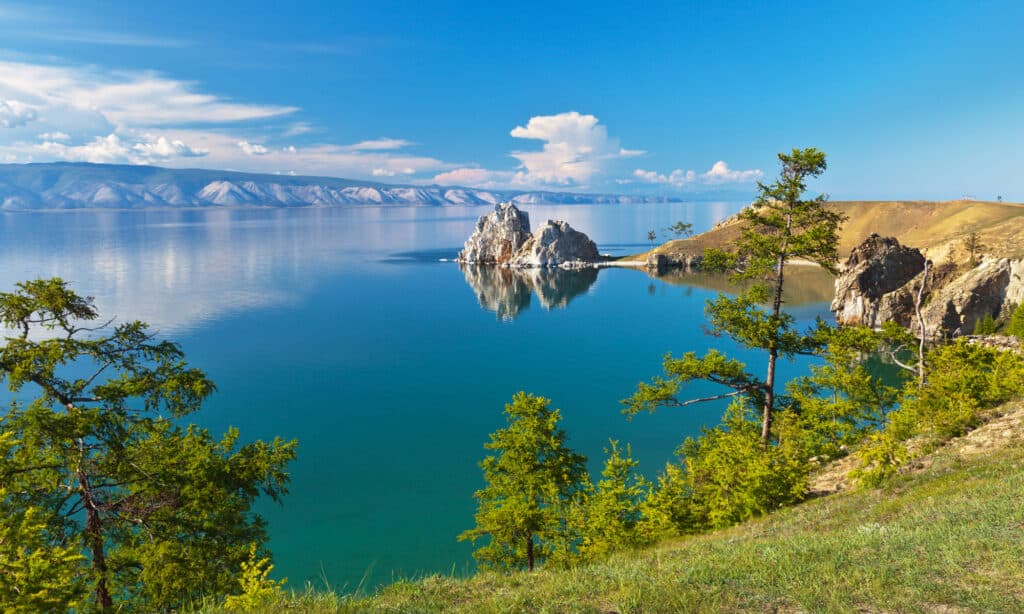
Siberia’s Lake Baikal is famous for being the deepest and oldest freshwater lake in the world. Remarkably, this lake is responsible for holding roughly 20 percent of Earth’s unfrozen freshwater. Much like with island environments, the lake’s remoteness has allowed thousands of species to evolve independently from other life forms. Indeed, more than half of Baikal’s species are endemic to the massive body of water. Once such species is the Baikal seal, also known as the nerpa. This is the world’s only fully freshwater seal. A type of salmon-like fish called the omul continues to be an important food source for locals. The unique oilfish gives birth to live young and thrives in the deepest waters. The cold, deep conditions of Lake Baikal create one of the most extraordinary freshwater ecosystems on the planet.