
Quick Take
- Pest activity will begin earlier in 2026, thanks to erratic winter weather.
- Snow created a blanket effect for many pests, allowing them to survive the winter in larger numbers.
- Swarming pests are anticipated to be present in most U.S. states this spring and summer.
- Homeowners need to take a proactive approach to pest control before infestation occurs.
With spring barely underway, it may seem odd to already be preparing for spring and summer pests. However, after a wild winter with extreme temperatures and weather patterns, pests are coming. Not only are they coming in larger numbers, but they are also spring’s early guests. Here is why ticks, termites, and ants are beating the calendar in 2026.
Winter Weather Created a Perfect Storm for Early Pest Arrival
Across the United States, winter weather has been unpredictable. While parts of the nation were being baked by unseasonably hot temperatures, others found themselves battling a polar vortex. These weather extremes have been problematic for some species. However, for spring and summer pests, these weather conditions created ideal circumstances for their development and early arrival.

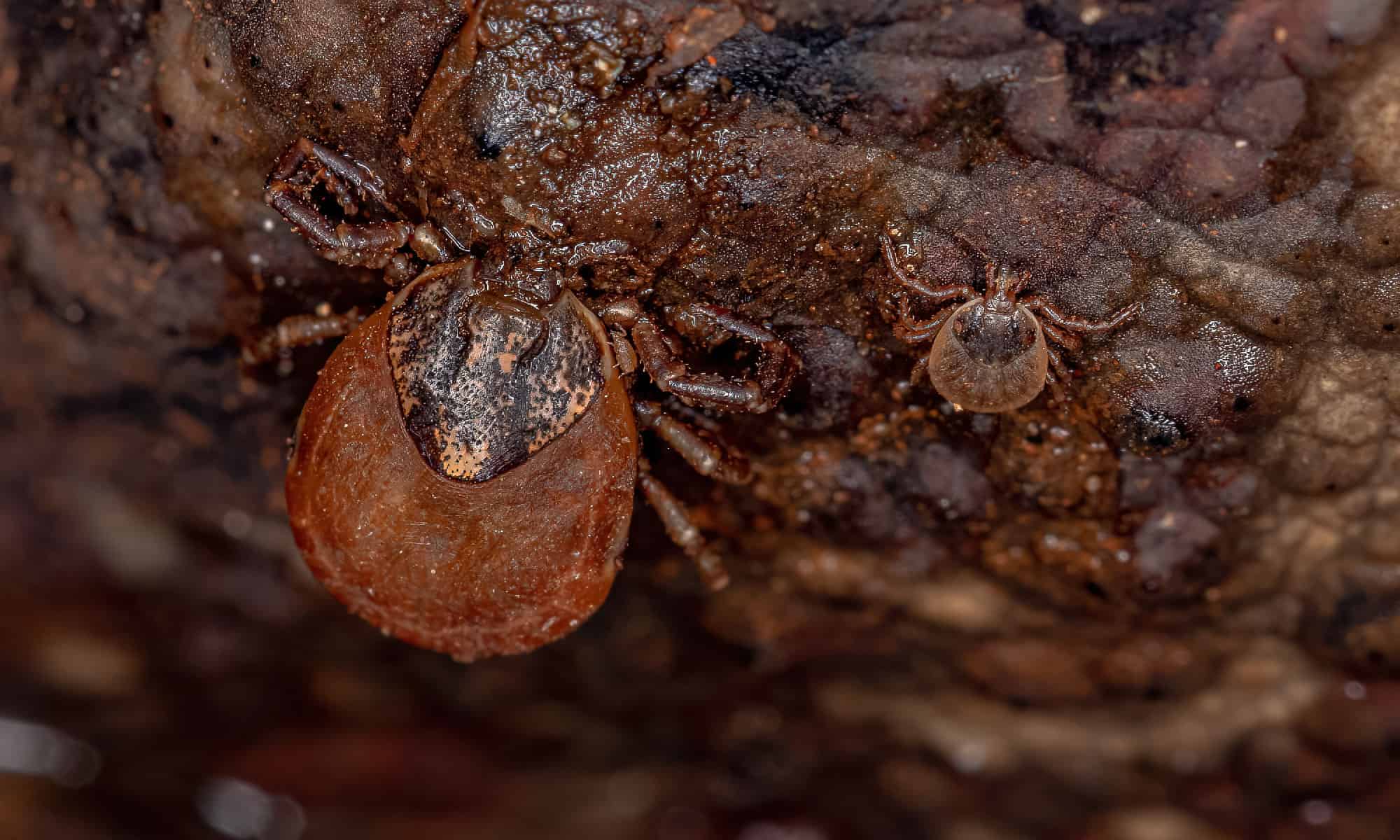
Ticks are among the pests anticipated to return in early spring, in larger numbers than in years past.
©Jay Ondreicka/Shutterstock.com
The National Pest Management Association (NPMA) has released its annual Bug Barometer forecast. This report takes into consideration “weather patterns, long-term forecasts, and pest biology” when creating its predictions. The forecast is then broken down regionally to give homeowners a fighting chance to protect themselves from pests before they arrive.
In regions that were brutally cold and snowy, it seems inconceivable that any pests could have survived. However, according to NPMA, the blanket of snow insulated the pests as they entered true hibernation or a different state known as diapause, in which their metabolism slowed dramatically. Because of this, the Bug Barometer forecast is calling for pests to emerge earlier and in greater numbers. Consequently, pests should be expected across the United States from early spring and well through the summer.
What Pests Can Be Expected Regionally?
The United States is a country with multiple climates, broken down by region. This means that in each region, different pests are anticipated annually.
This year is different because pests that usually appear in late spring or summer are now being seen as early as the beginning of spring. Therefore, knowing which pests to watch for is essential to stopping an infestation before it takes hold.
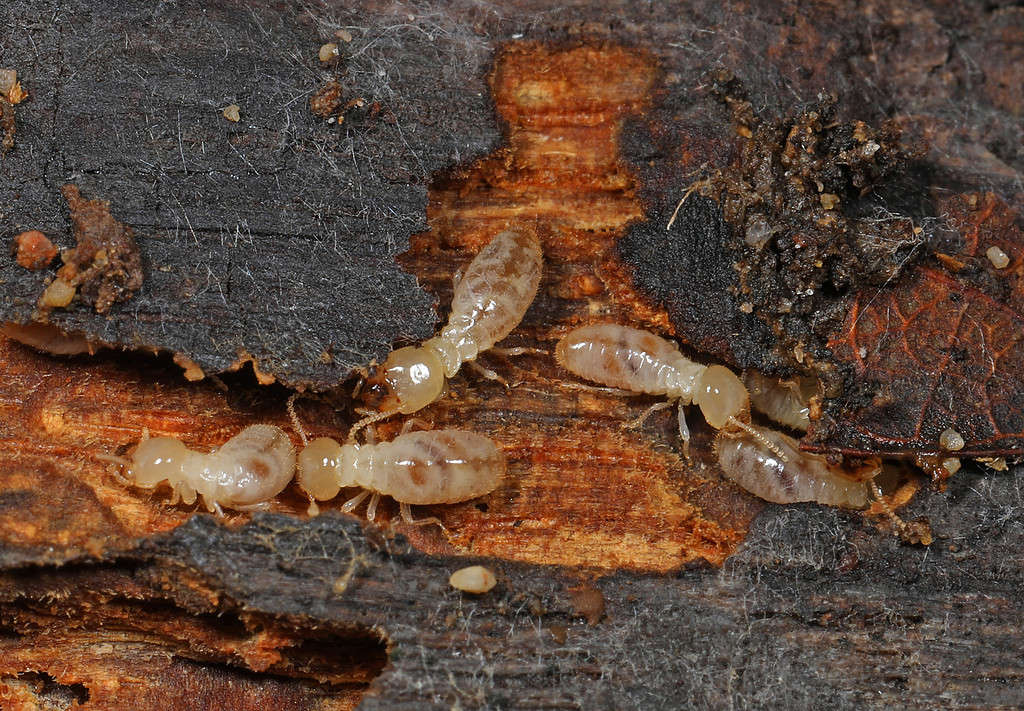
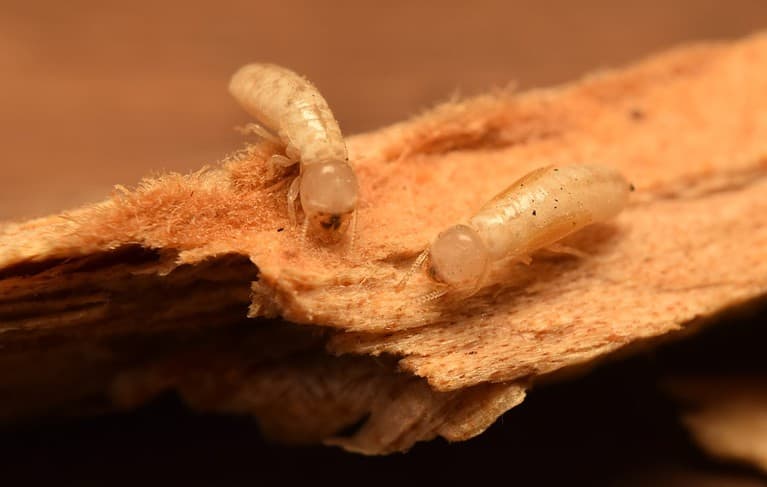
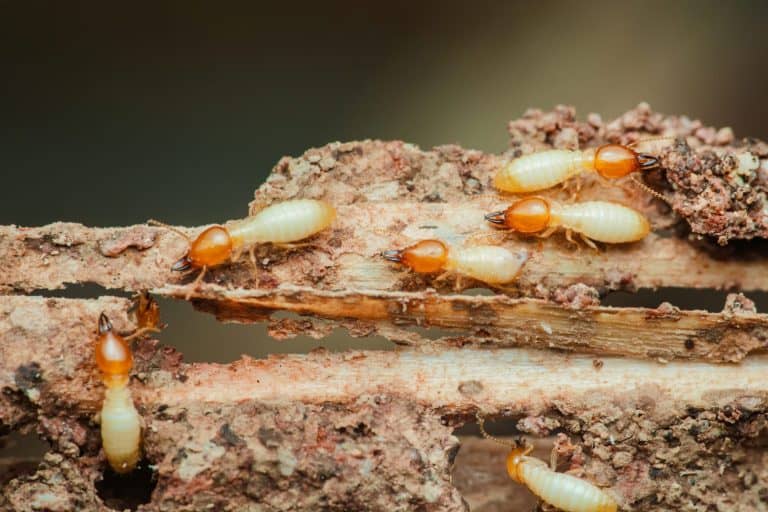
Large termite colonies will be found throughout many U.S. states this spring and summer.
The pests to be on the lookout for by region, according to NPMA are as follows:
| U.S. Region | States Affected | Pests |
| New England and Mid-Atlantic | Delaware, Connecticut, Maine, Maryland, Massachusetts, New Jersey, New Hampshire, New York, Pennsylvania, Rhode Island, Vermont, Virginia, Washington, D.C. | Termites, brown marmorated stink bugs, Asian lady beetles, ticks, and stinging insects |
| Intermountain and Southwest | Arizona, California, Colorado, Nevada, New Mexico, and Utah | Cockroaches, flies, scorpions, and spiders |
| South Central | Arkansas, Louisiana, Mississippi, Oklahoma, Tennessee, and Texas | Termites, ticks, mosquitoes, and flies |
| North Central | Kansas, Montana, Nebraska, North Dakota, South Dakota, and Wyoming | Ticks, flies, cockroaches, yellowjackets, and wasps |
| Great Lakes, Ohio Valley, and Midwest | Illinois, Indiana, Iowa, Kentucky, Michigan, Minnesota, Missouri, Ohio, West Virginia, and Wisconsin | Flies, ticks, ants, and cockroaches |
| Southeast | Alabama, Florida, Georgia, North Carolina, and South Carolina | Termites, ants, mosquitoes, flies, and cockroaches |
| Northwest | Idaho, Oregon, and Washington | Ants, stinging insects, rodents, cockroaches, mosquitoes, flies, and yellowjackets |
These are all pests that become more frequent as temperatures rise. But with ideal conditions over the winter, most, if not all, of these critters will be seen earlier than usual. That is why it is imperative to be proactive rather than reactive when dealing with them.
Biggest Pest Trend Anticipated for Spring and Summer 2026
Where the last few years brought massive cicada infestations, this year, the loud insects will not be found with nearly as much frequency. Instead, much of the United States will be dealing with a specific type of pest: swarmers.
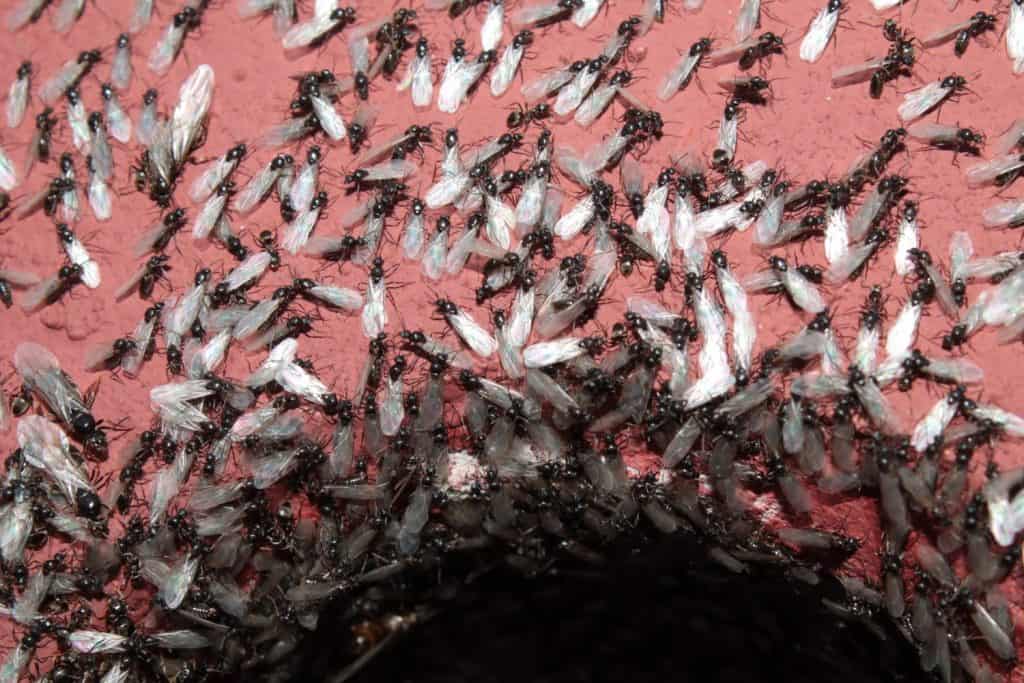
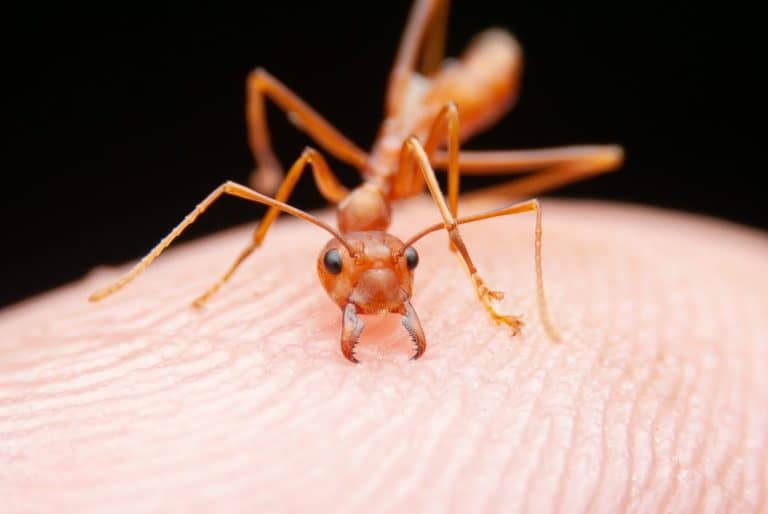
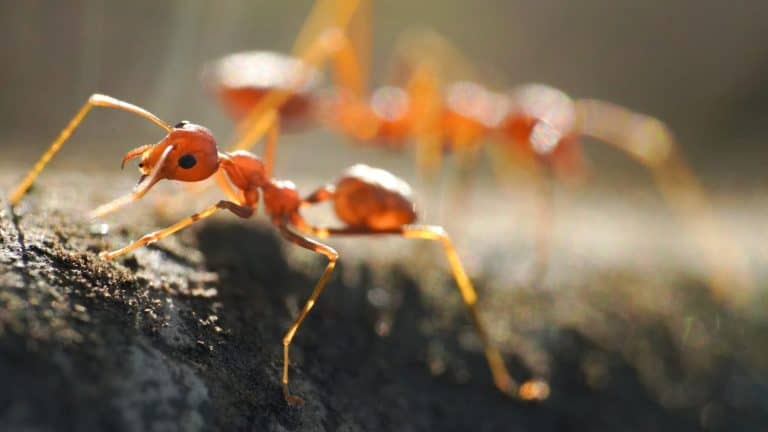
Swarming pests like ants and termites are expected to be problematic in many U.S. states this spring and summer.
©Kazakov Maksim/Shutterstock.com
As the weather gets warmer, it will not be uncommon for any state to see carpenter ants or termites swarming. Does this automatically mean that homeowners have an infestation? No. But when swarmers are seen frequently, a colony has established itself in close proximity to a home.
Many pests can be dealt with effectively by homeowners. Most experts recommend calling professionals to handle swarming insects. This allows swarmers to be dealt with efficiently, while also enabling preventative measures to ensure they do not return.
How Homeowners Can Protect Themselves from Unwanted Pests
Before unwanted pests appear, homeowners can take steps to prevent insects, arachnids, rodents, and more from entering the home. When battling pests, the best defense is a good offense. The sooner steps are taken to keep them at bay, the fewer pests will try to invade this spring and summer. Steps that homeowners can take to protect themselves from unwanted pests include:
- Inspect the exterior of the home for any cracks or gaps around windows, pipes, doors, or even in the foundation. If any are located, they should be sealed with caulk or other appropriate sealant.
- Standing water should be eliminated to prevent mosquitoes from laying eggs.
- Keep the lawn mowed and remove any leaf debris from around the home.
- Eliminate pests looking for food by storing all food items in airtight containers. Additionally, clean up spills when they occur.
- Repair leaky pipes to prevent pests from looking for a water source. Clogged pipes can create breeding grounds for pests. Therefore, clearing pipes is highly recommended.
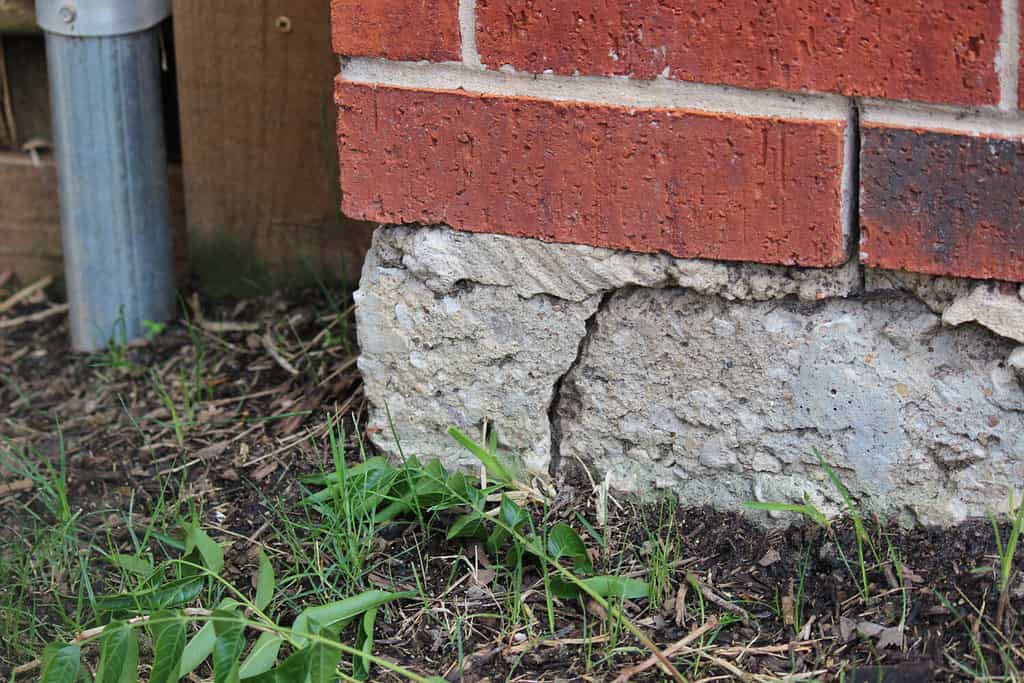
Checking the home for foundation cracks and sealing them is one way to prevent pests from entering.
©Jasmine Sahin/Shutterstock.com
If pests appear despite your best efforts to keep them out, additional defensive steps can be taken. Those who want a more natural approach to pest control are encouraged to use products with essential oils such as peppermint and eucalyptus, or to use cinnamon, garlic, and cayenne pepper as repellents around the home. Additionally, traps and baits may be used.
Pesticides have been discouraged in recent years due to the risk of exposure to chemicals that can harm both people and pets. If pesticides are used, ensure they are never used in the home. When applied, ensure adequate ventilation, and keep pets and children away from the application area as outlined in the instructions.
When is it Time to Call a Pest Control Company?
If homeowners are proactive, they can often control unwanted pest activity themselves without expert intervention. However, there are some instances where calling a pest control company may be the best option. More often than not, this is due to the presence of an infestation rather than just a few pests.
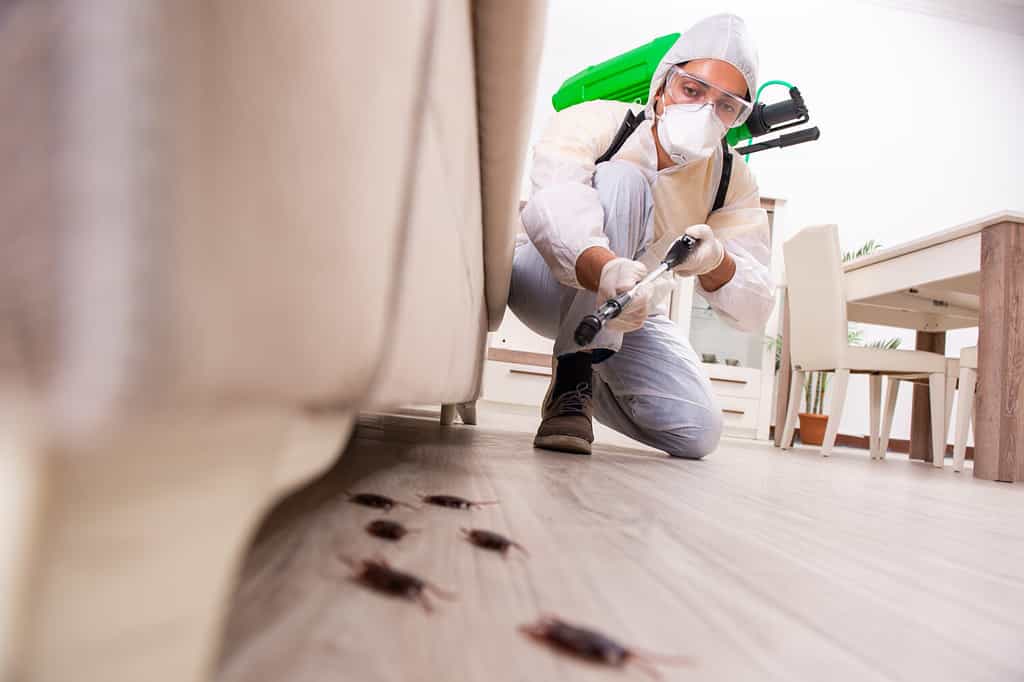
When homeowners have exhausted all options to prevent pests, a pest control company may need to be called.
©Elnur/Shutterstock.com
Some signs that homeowners may need to contact a pest control company to rid the home of unwanted pests include:
- Continued pest activity, despite using available chemical or natural deterrents
- Strange odors that never dissipate, regardless of how much cleaning and disinfecting are done
- Discovery of active wasp nests around the home
- Signs of pests actively building nests or pest droppings in and around the home
- Home is clean, and chemical or natural deterrents have been used, but allergic reactions or unexplained health issues are present
If all preventive measures have been exhausted and pests persist, it is time to consult a pest control company for advice. This is true every year. But this year is a bit different, with pests arriving both early and in larger numbers. Being proactive is key to preventing an infestation before it can cause real damage to a home. The sooner pests are eradicated, the healthier the home will be for those who live in it.