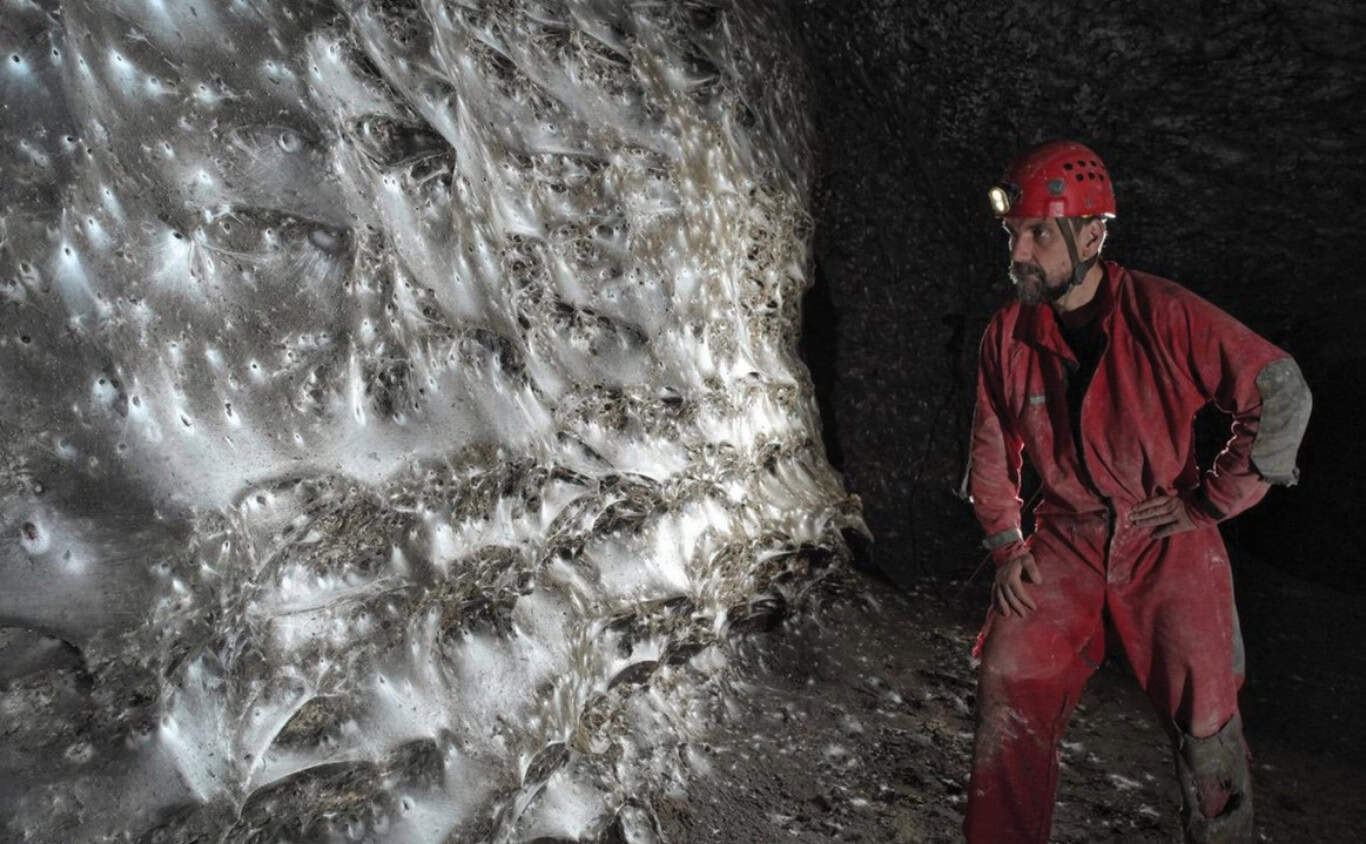

Deep inside a sulfuric cave on the Greece-Albania border, scientists discovered a truly unique ecosystem thriving against all odds: the largest spider web complex ever documented. This massive spider metropolis spans more than 1,140 square feet — that’s about the size of a small apartment! But this web isn’t just a sprawling piece of real estate; it is also home to over 111,000 spiders.
Beyond its sheer size and population, this massive arachnid community thrives in total darkness. The air is thick with hydrogen sulfide, a toxic gas that is poisonous to most other life forms. Yet even within this harsh habitat, these spiders have somehow built a vast, cooperative community unlike anything we’ve ever seen before.
A Spider Metropolis Built on Sulfur
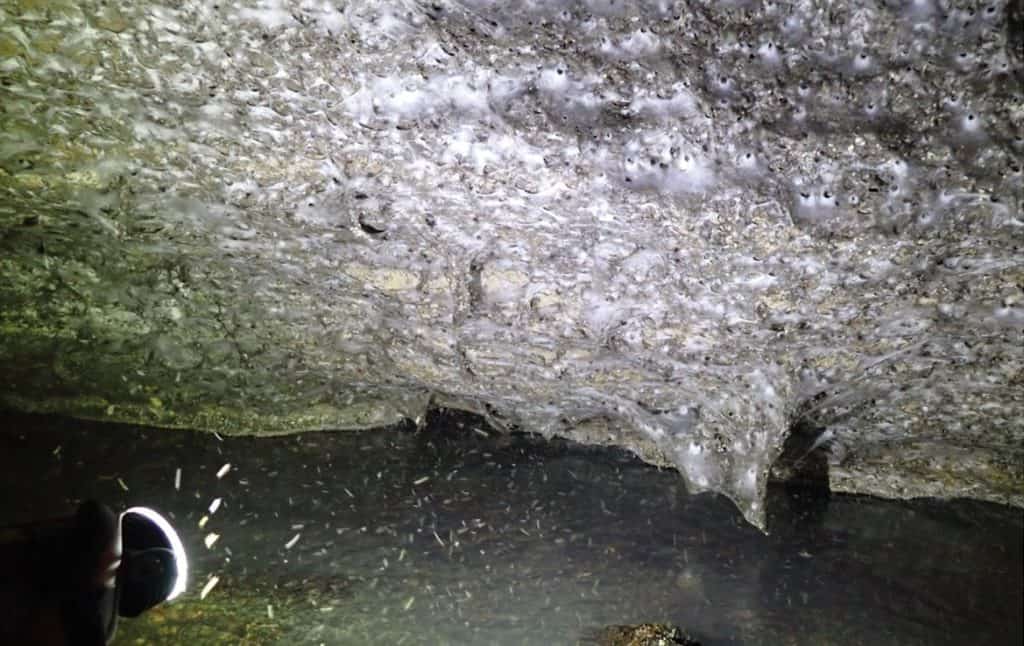
The spiders in Sulfur Cave are genetically distinct from other populations.
©Urák, I. et al.v / CC BY 4.0 / Subterranean Biology, Vol. 53: 155-177 (2025) – Original / License
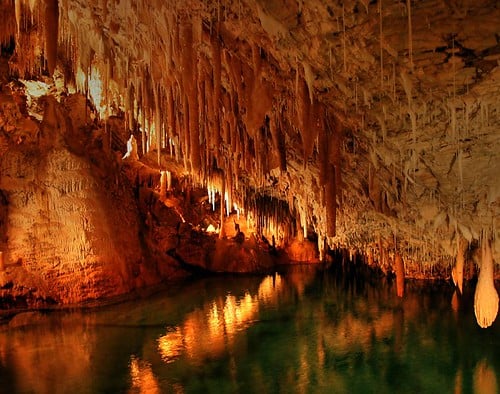
The enormous colonial web was first discovered in 2022 by cavers from the Czech Speleological Society. Later, in 2024, scientific analysis revealed that this truly unique ecosystem does not rely on sunlight. This cave is part of a karst system formed by geothermal activity. Its walls are coated with sulfur, and the air is filled with an acidic odor — conditions that are usually hostile to most life forms.
However, despite the lack of sunlight and the presence of sulfuric acid, the cave is teeming with life. Slick biofilms, buzzing midges, and the world’s largest spider web complex all thrive here.
This hidden world miraculously bypasses the need for sunlight. Instead, its energy source comes from chemosynthesis. In chemosynthesis, bacteria use sulfur compounds to create energy (similar to what happens at deep-sea hydrothermal vents). These specialized bacteria form the base of the cave’s food web. The midge larvae feed on the bacteria, and the thriving spider population feeds on the midges.
The World’s Largest Spider Web Complex
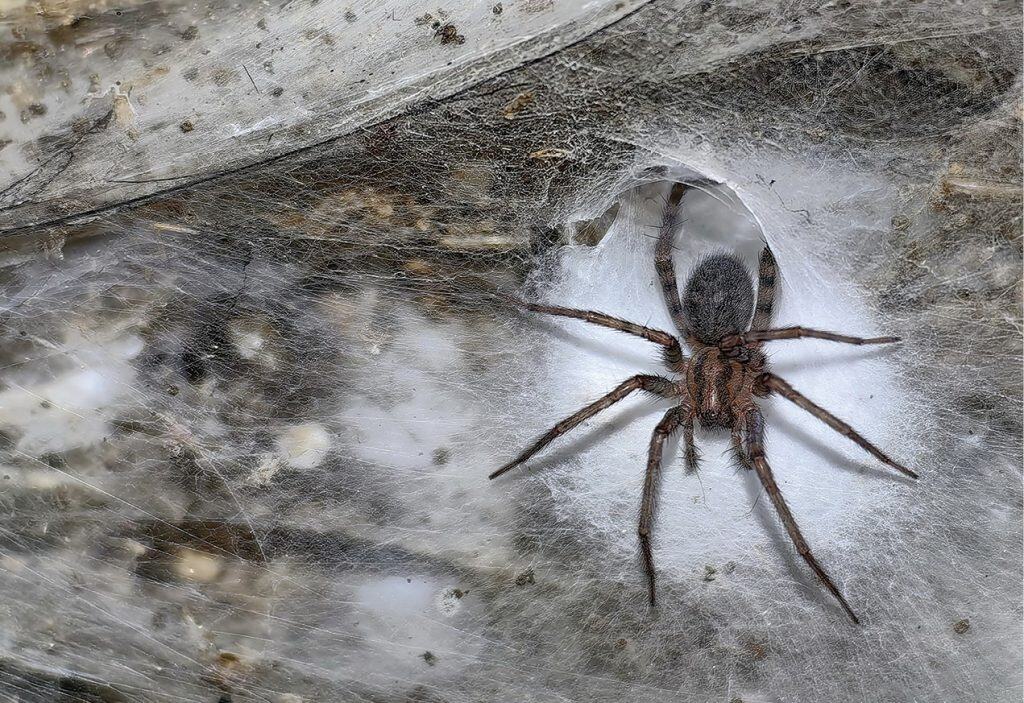
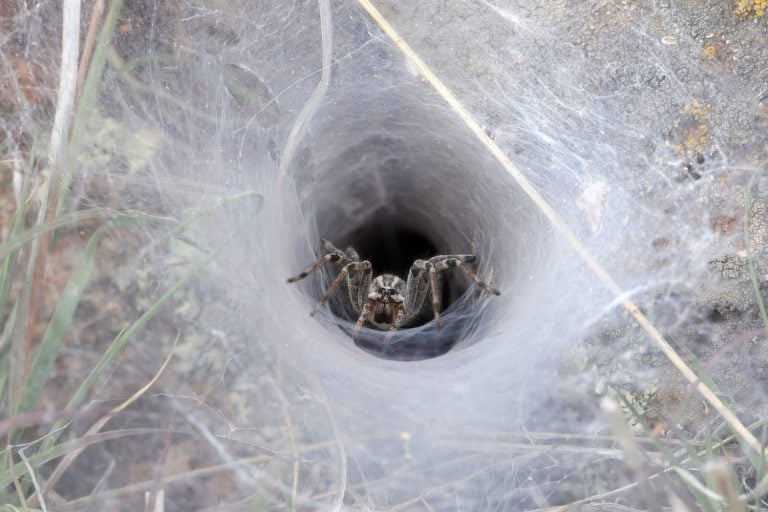
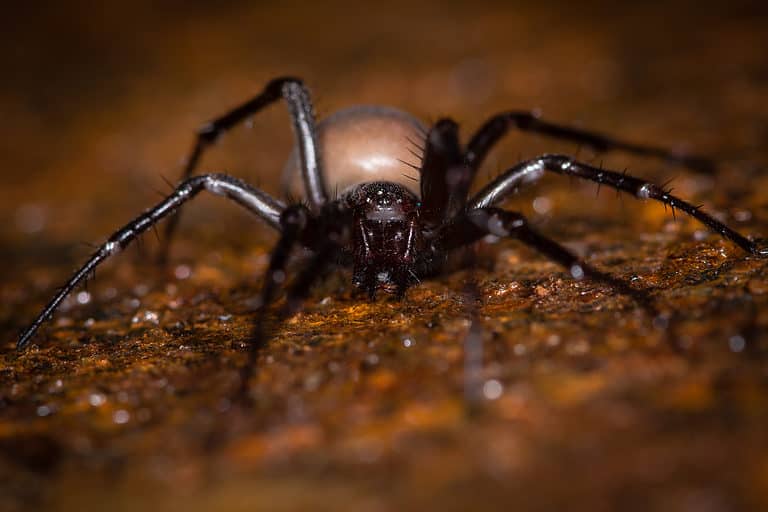
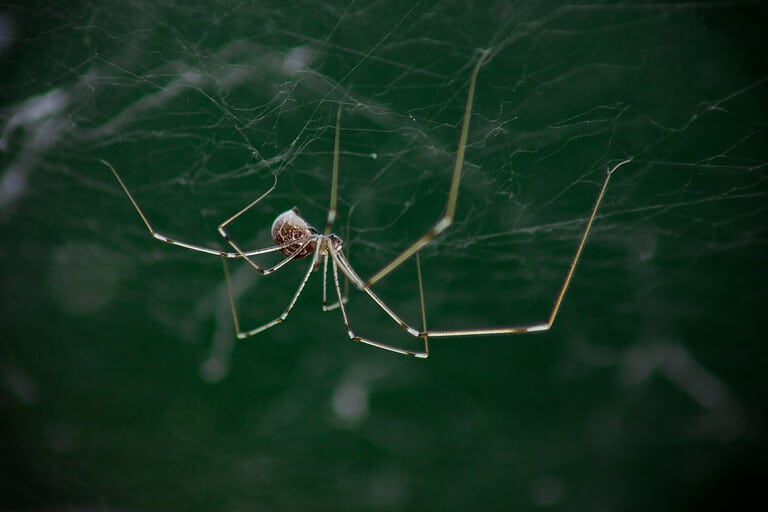
Common house spiders build funnel-shaped webs for ambushing their prey.
©Urák, I. et al.v / CC BY 4.0 / Subterranean Biology, Vol. 53: 155-177 (2025) – Original / License
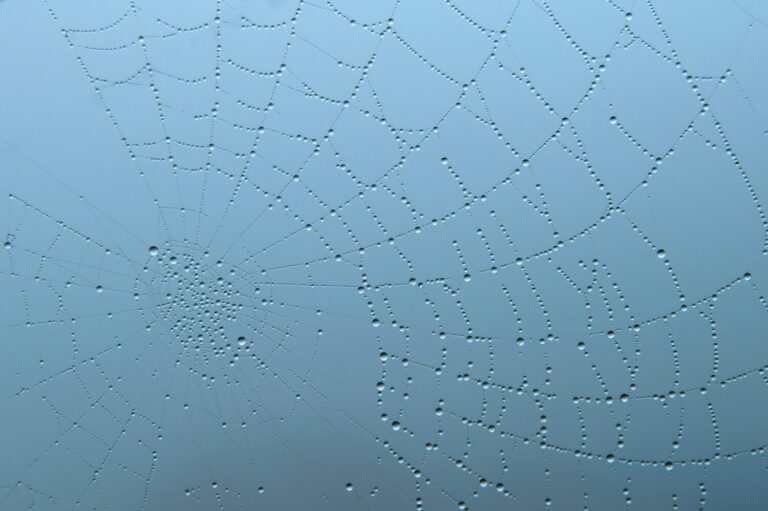
When scientists first entered the cave, they found a continuous, sprawling sheet of silk covering the low ceiling and upper walls near its entrance. The enormous structure extended over 1,140 square feet, making it the world’s largest known spider web. More astounding than its sheer size, however, was its composition: it was formed by an intricate patchwork of overlapping funnel and sheet webs, built by tens of thousands of spiders living side-by-side.
Biologists identified the vast majority of the web’s residents as common house spiders (Tegenaria domestica). There was also a significant number of smaller sheet-weaving spiders (Prinerigone vagans). Researchers estimate the total population at around 69,000 common house spiders and over 42,000 sheet-weaving spiders.
What’s truly baffling is that these two species are not known to coexist harmoniously — in fact, the common house spider usually preys on sheet-weavers. Yet, in this giant underground super-web, the two species live together peacefully. The abundance of midges in the cave allows both spider species to coexist and cooperate in catching their food.
The lack of competition has resulted in an extremely rare cooperative colony, challenging previous scientific assumptions about how these arachnids interact.
An Upside-Down Food Chain
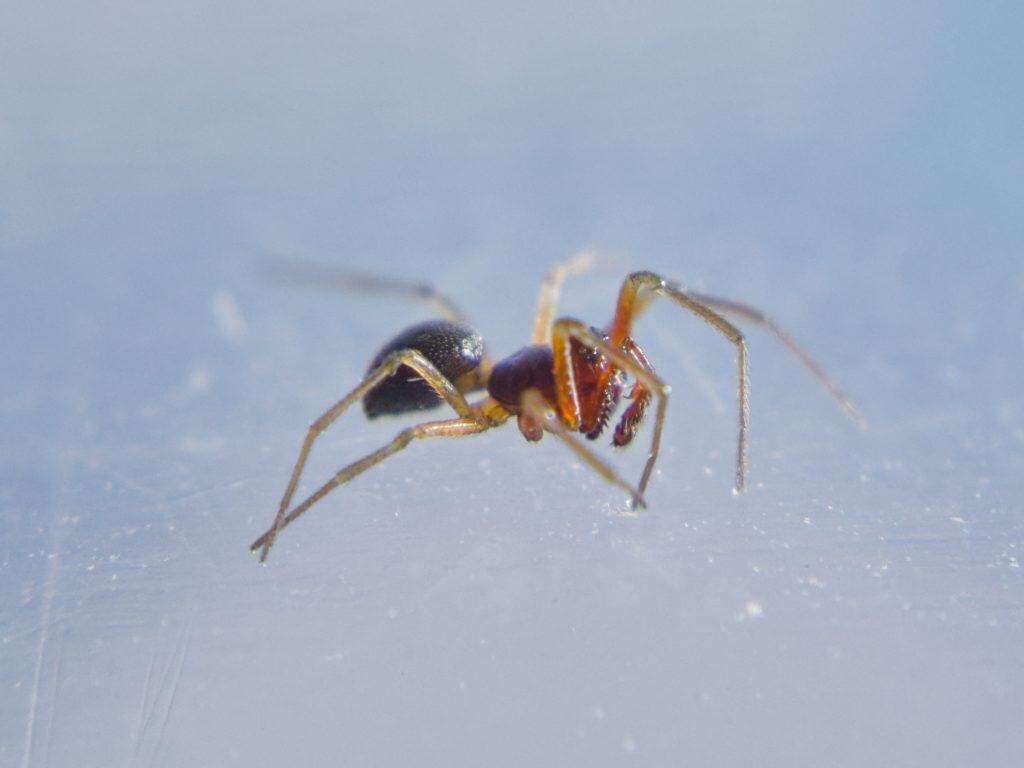
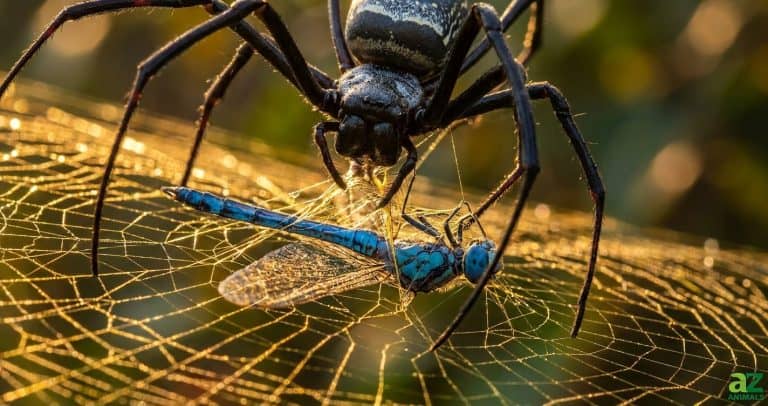
The tiny sheet-weaving spiders found in Sulfur Cave are usually solitary.
©Atalay Karakuş / CC BY 4.0 / Wikimedia Commons – Original / License
The environment inside Sulfur Cave is extreme: temperatures hover between 68 and 77 degrees Fahrenheit, humidity is nearly 100 percent, and the air is thick with hydrogen sulfide, creating a strong, rotten-egg-like smell. While these conditions can be lethal to most other creatures, the spiders and insects here have developed unique physiological and microbial adaptations.
Researchers observed that the spiders are lighter in color and notably less aggressive, which is common for cave-dwellers. Their bodies may have also developed altered metabolisms to function with lower oxygen levels. Scientists even suggest that the microbial communities living inside the spiders — their microbiomes — may help them neutralize toxins or improve digestion.
The cave’s ecosystem completely bypasses the typical sunlight-driven process of photosynthesis. Instead, it is powered by chemosynthesis, in which sulfur-oxidizing bacteria use chemicals from hydrothermal vents to create their own food — much like organisms found only in the deep sea.
This chemical-based food chain is built upon the cave’s microbes. The microbes form mats on the cave’s walls, which the tiny midges eat and use as sites to lay their eggs. The midge larvae then consume the microbes, eventually growing into adults that become easy prey for the spiders. Essentially, the spiders’ existence is chemically dependent on the microbes and bacteria.
A Chemically-Driven Ecosystem
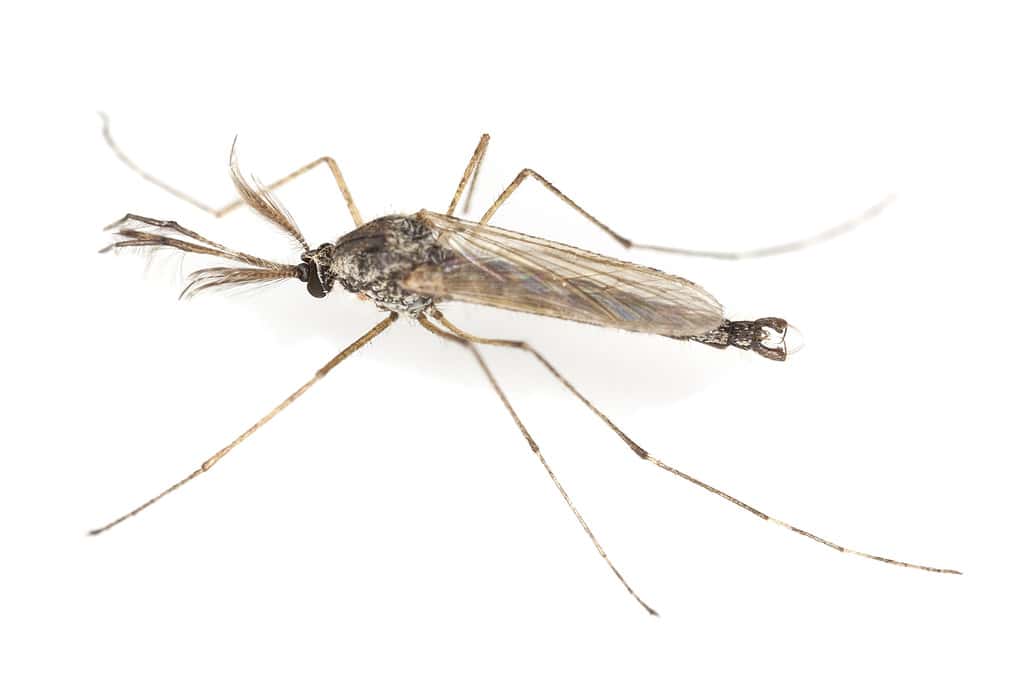
Scientists found a swarm of non-biting midges alongside the giant spider web.
©Henrik Larsson/iStock via Getty Images
A stable isotope analysis confirmed that the spiders’ nutrition is ultimately derived from the sulfur-eating microbes within the cave (as they feed on midges that consume these bacteria), rather than from any outside source. This makes the cave one of the very few land-based ecosystems in the world sustained wholly by chemical energy rather than sunlight.
In addition to the massive spider colony, Sulfure Cave also hosts around 20 species of invertebrates, several of which are endemic to the cave. This research confirms that Sulfur Cave is a surprisingly vital habitat, all thanks to the microscopic, sulfur-eating bacteria.