
Quick Take
- One island's cave system hides a venomous crustacean that looks like it belongs on another planet entirely. Meet the venomous remipede →
- Some of these animals are confined to a single cave (not a cave system, just one cave), and scientists still don't fully understand how they got there. Explore the single-cave spider →
- The Galápagos is famous for strange wildlife, but its strangest residents are ones almost nobody has ever seen. Discover Galápagos cave life →
- At least one creature on this list is so small it's nearly invisible, and yet it holds an entire cave ecosystem together. See the tiny ecosystem keystone →
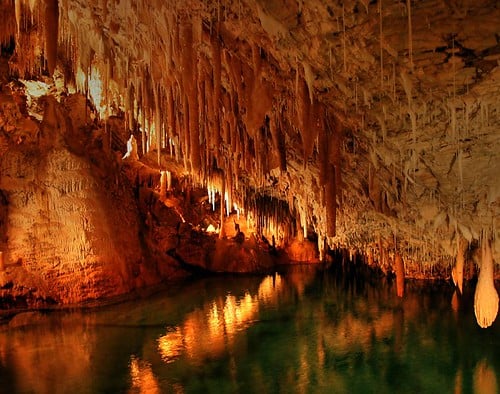
Islands are already famous for strange wildlife, but their cave systems take isolation to another level. Cut off from sunlight, predators, and sometimes even the open ocean, these underground environments are home to animals found nowhere else on Earth. Many of them have heavily adapted to their dark cave habitats. They are pale, eyeless, and slow-moving. Some live in wet sea caves, while others survive in dry limestone areas. Here are ten creatures found only in island cave systems.
Bermuda Cave Shrimp
©"Crystal Cave" by sergio_leenen is licensed under BY-ND 2.0. – Original / License
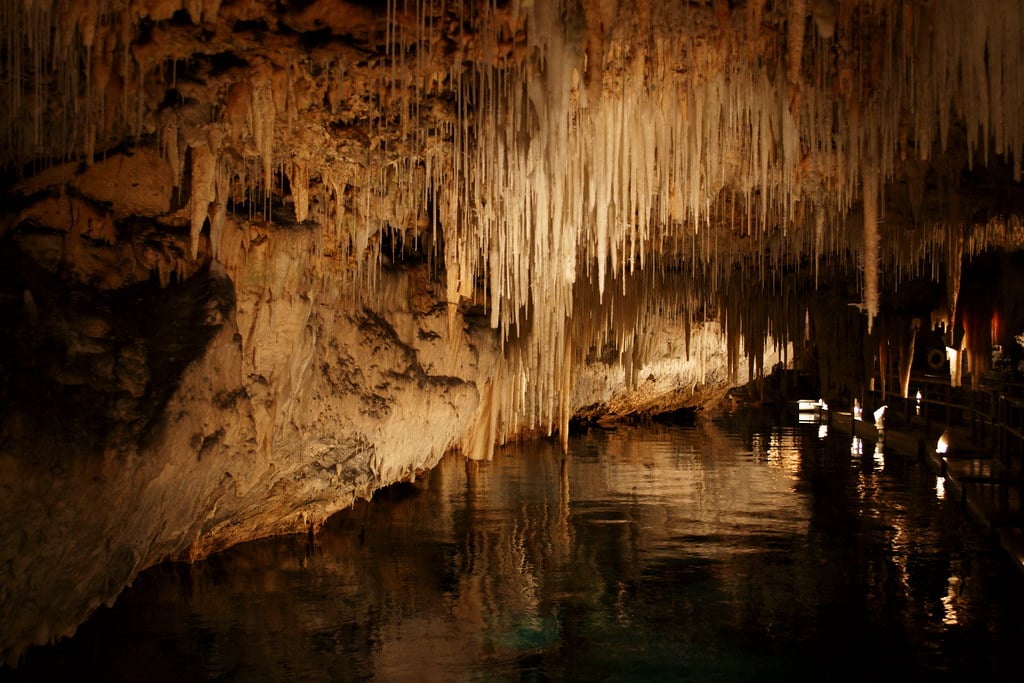
Bermuda’s flooded limestone caves provide homes to many highly endemic species, including several shrimp. These tiny crustaceans live in coastal cave systems known as anchialine caves, which are connected to the ocean through underground tunnels. Bermuda cave shrimp have barely functioning eyes or no eyesight at all. To navigate their environment, they rely on touch and chemical cues. Their isolation has made Bermuda’s caves one of the world’s most fascinating areas for cave-dwelling animals.
Hawaiian Cave Planthopper
©"Oliarus polyphemus" by Cricket Raspet is licensed under BY 4.0. – Original / License
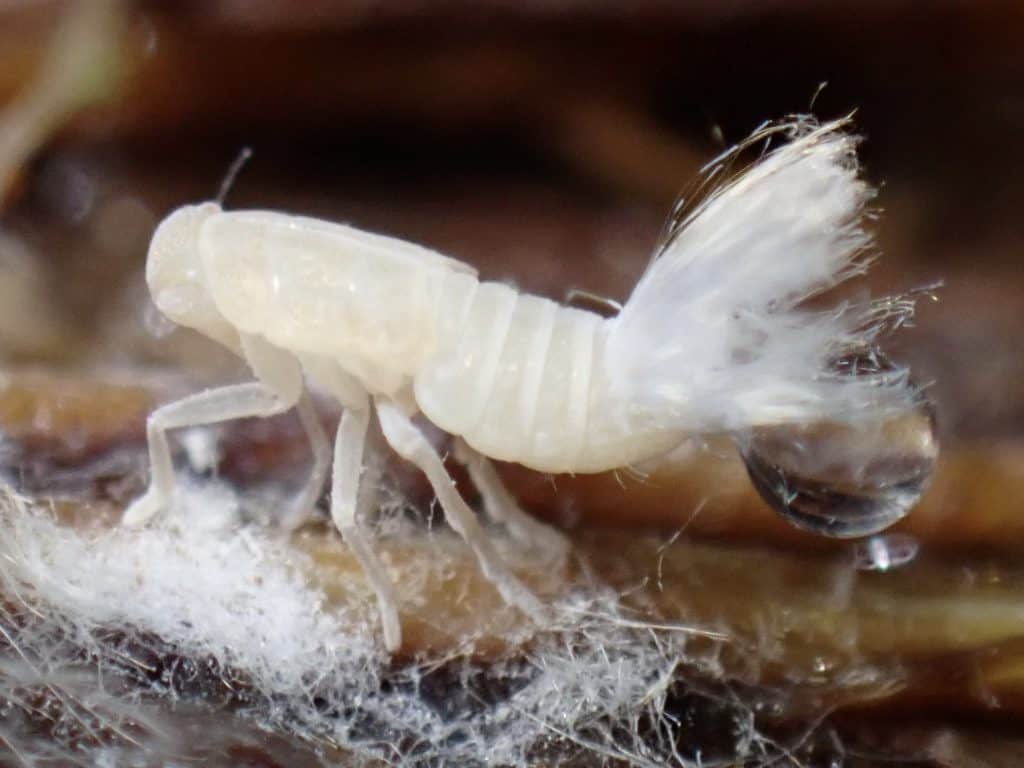
Hawaii’s lava tubes contain multiple unusual insects that evolved in total darkness. One of the most intriguing is the Hawaiian cave planthopper, a pale insect that eats roots growing on cave ceilings and walls. Unlike its surface relatives, it lacks wings and pigment and has limited eyesight. Because they spend their entire lives in the pitch-black underground environments, they have no use for functioning eyes. Because each island’s lava tubes are so isolated, many species are found only in very small areas.
Canary Islands Cave Remipede
©"Xibalbanus tulumensis" by Christine Loew is licensed under BY 4.0. – Original / License
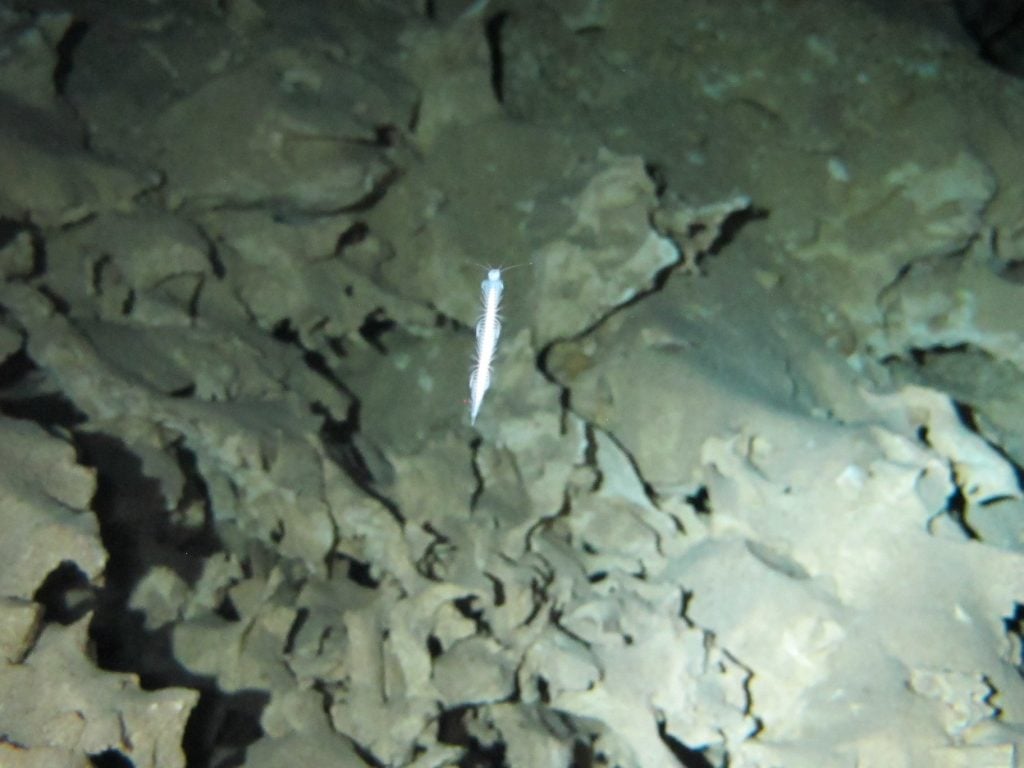
In the Canary Islands, flooded volcanic caves support a strange crustacean known as a remipede. This creature looks almost like a tiny swimming centipede, with an elongated, segmented body and many limbs. Remipedes are some of the few known venomous crustaceans, featuring mouthparts that inject neurotoxin into captured prey. Despite no sunlight reaching their habitat, they manage to hunt and thrive. Their bizarre appearance makes them seem like otherworldly creatures from a distant planet.
Mallorca Cave Beetle
©SMontagud/Shutterstock.com
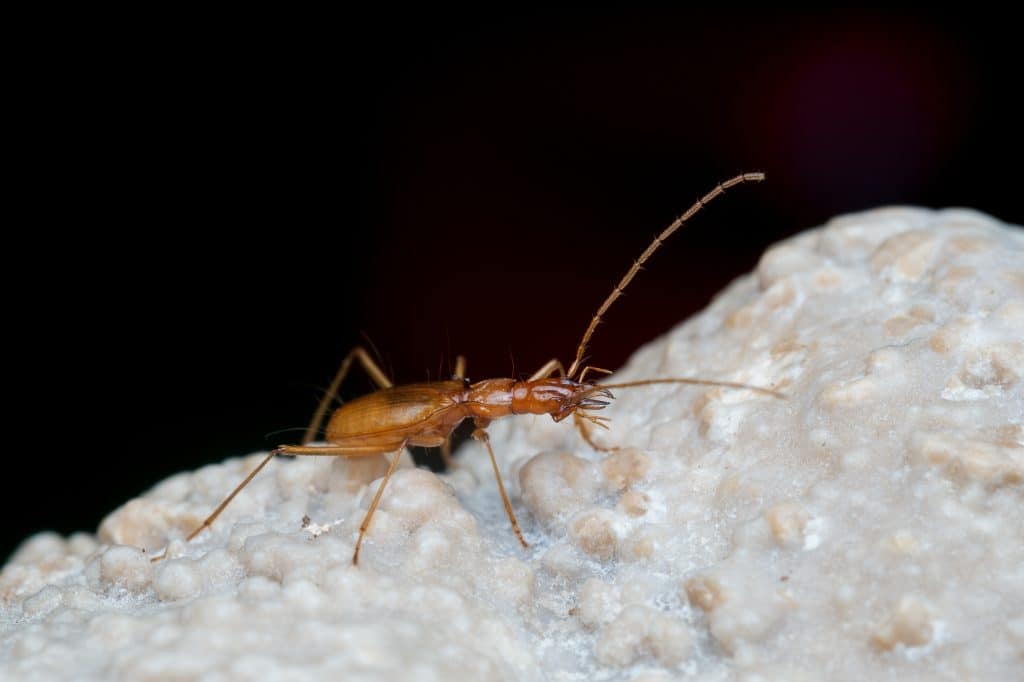
The Spanish island of Mallorca has limestone caves that shelter rare beetles. These cave beetles are usually pale, eyeless, and skilled at moving through cracks and damp passageways, shaped by generations of life without sunlight. Since food is scarce underground, they survive on whatever finds its way into the cave system, including tiny invertebrates and organic matter. Many are extremely specific to one area, living in only one cave within a broader system. Their entire world may be just a few dark chambers.
Cozumel Cave Amphipod
©Subphoto.com/Shutterstock.com
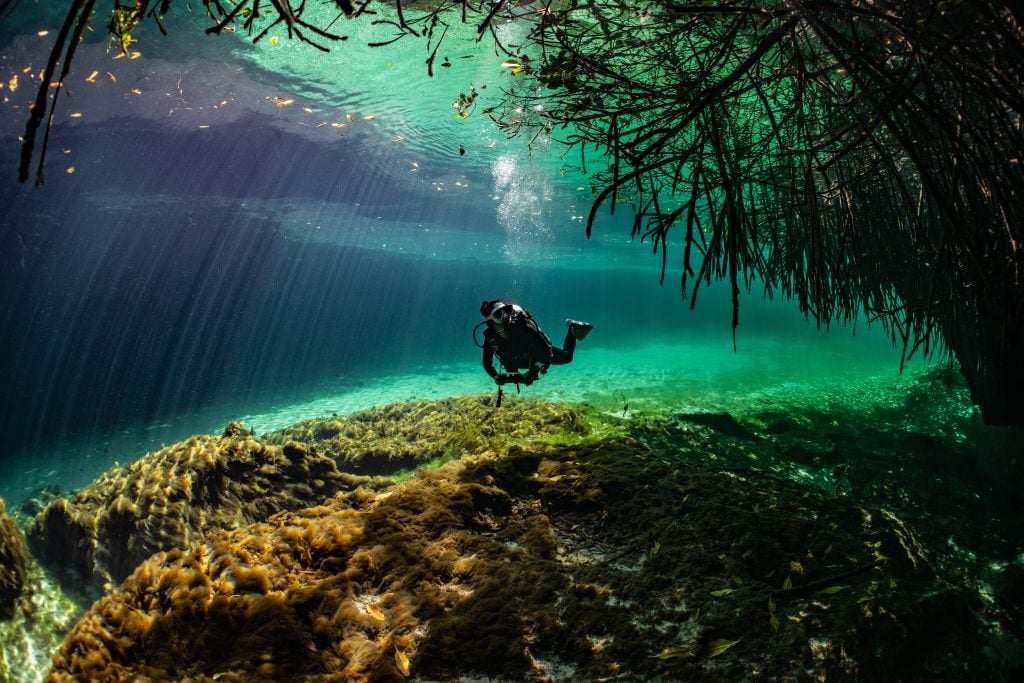
The beautiful island of Cozumel located off Mexico’s Yucatán Peninsula has several flooded cave systems. These wet caves are filled with small translucent crustaceans, one of which is a cave amphipod. This shrimp-like animal evolved to thrive in underground tunnels that connect saltwater and freshwater sources, resulting in brackish water. This environment is permanently dark, requiring little need for color or vision. Because Cozumel’s cave systems are isolated, some species are found only there.
Bermuda Cave Copepod
©KitanaLG/Shutterstock.com
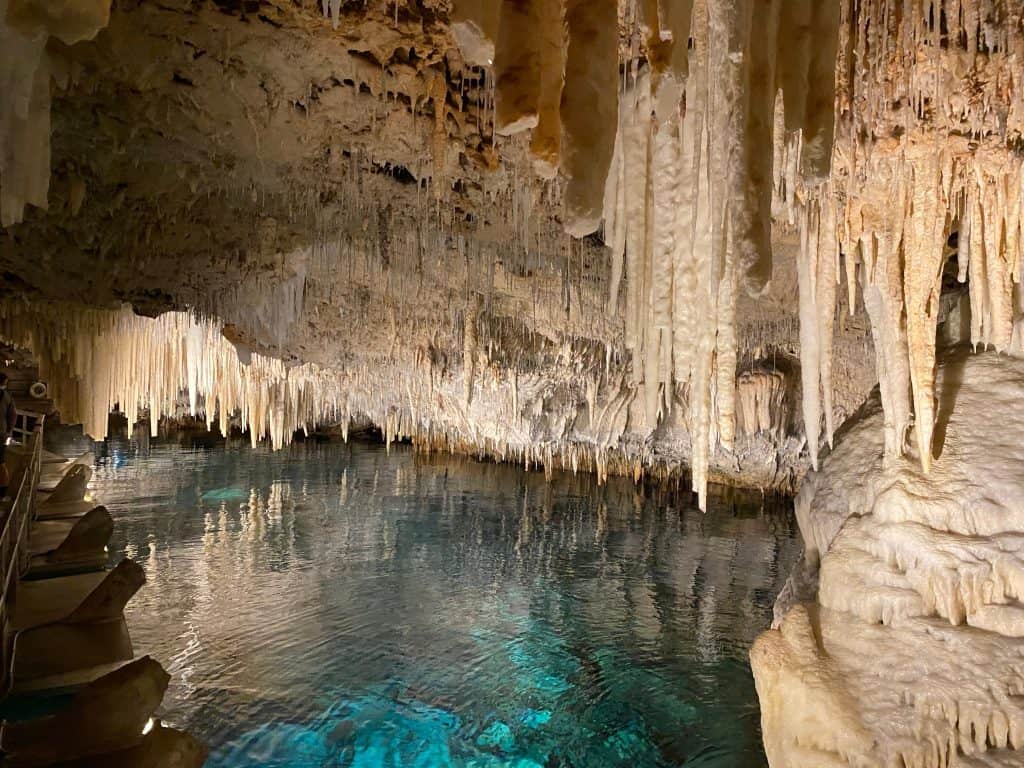
Some of Bermuda’s rarest cave animals are so small they are almost invisible to the naked eye. Cave copepods are near microscopic crustaceans that drift through the Caribbean island’s dark subterranean waters. Despite their size, they are important to the cave ecosystem, forming a crucial part of a greater food web. When it comes to their range, these animals are certainly specialized. Some newly described species are found solely in Bermuda’s anchialine caves.
Hawaiian Blind Cave Spider
©Gordon Smith, Public domain, via Wikimedia Commons
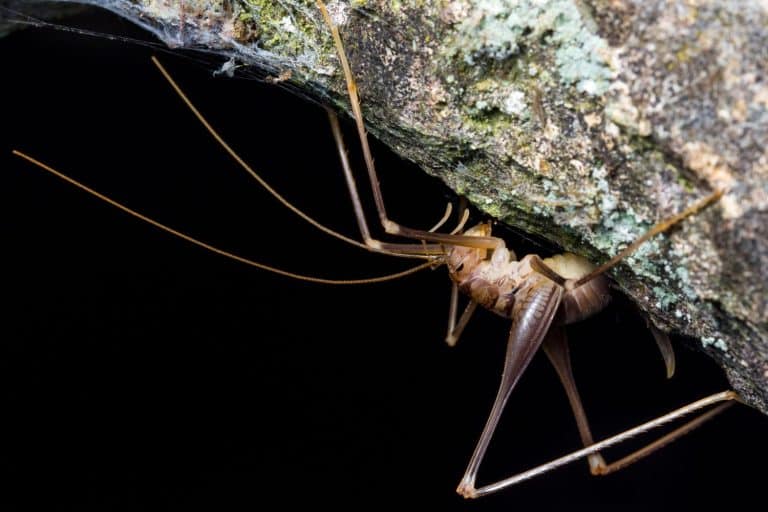
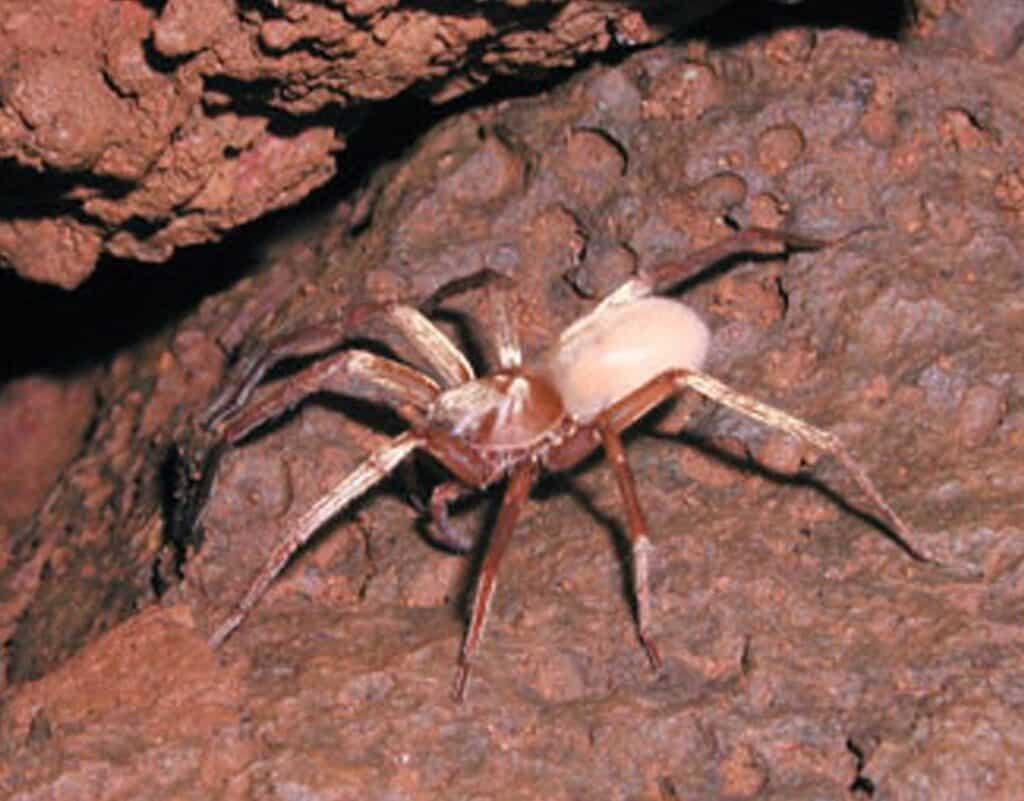
In addition to insects, Hawaii’s lava tubes also support unusual spiders that are expertly adapted to darkness. Cave spiders generally have reduced eyes, pale coloration, and long legs that aid them in sensing vibrations in zero light conditions. They hunt small insects and arthropods. A single Hawaiian cave system may contain a spider found nowhere else in the world.
Galápagos Cave Invertebrate
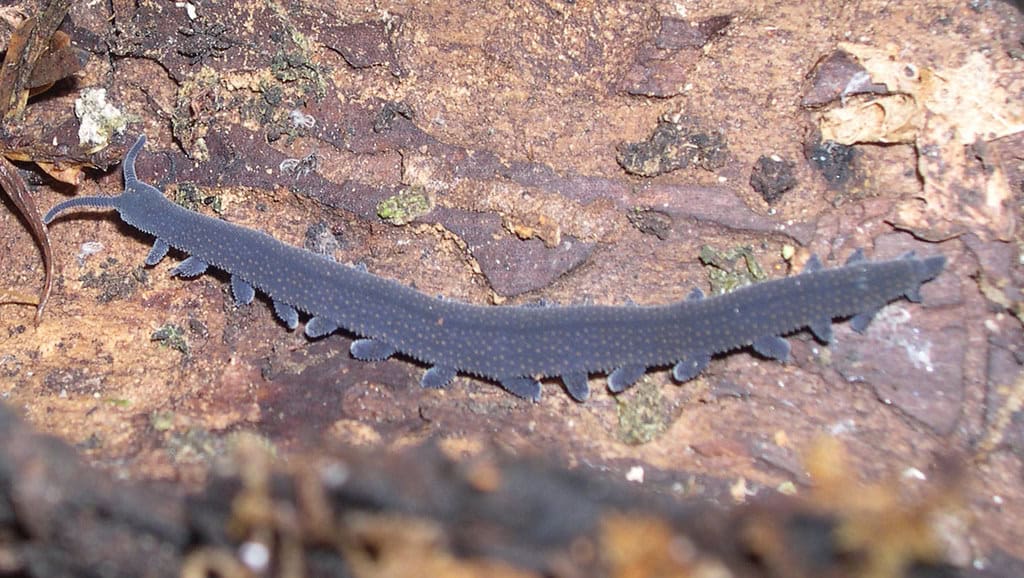
©"Onychophora" by Bruno C. Vellutini is licensed under BY-SA 2.0. – Original / License
The volcanic islands of the Galápagos are famous for unusual wildlife, but some of their strangest creatures are rarely ever spotted, as they live deep underground. Several lava tube systems have tiny invertebrates endemic to the islands. These animals include color-lacking insects, crustaceans, and arachnids that know how to get by in complete darkness. Many have elongated appendages that help them sense their surroundings and navigate through rocky tunnels.
Cuban Blind Cave Fish
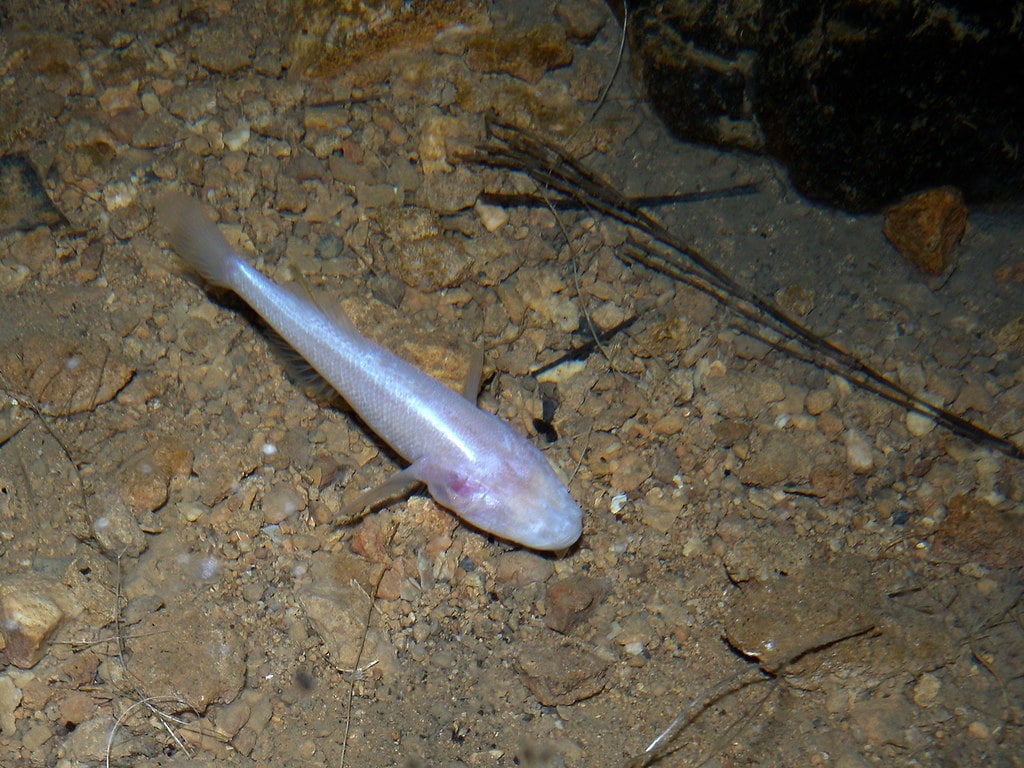
©"Blind Cave Fish (Typhloetris madagascariensis), Tsimanampetsotsa, Madagascar" by Frank.Vassen is licensed under BY 2.0. – Original / License
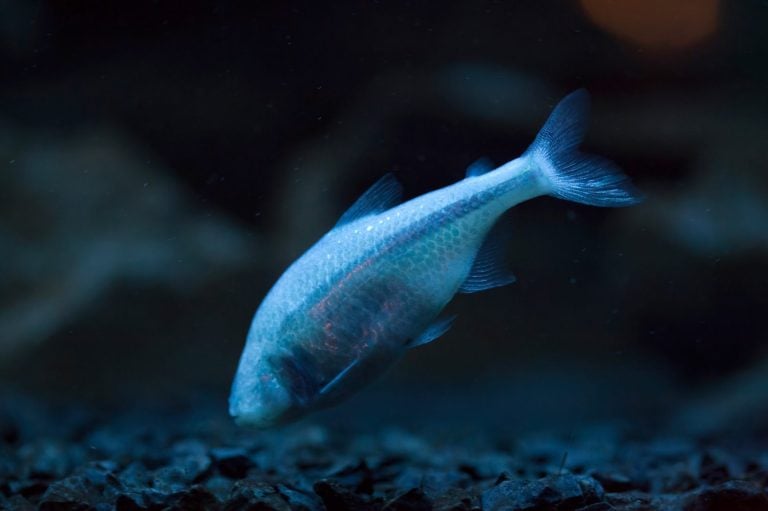
Deep within Cuba’s limestone caves lives a little-known fish that has evolved to survive without even a bit of sunlight. Over many generations, these cave fish grew a layer of skin over their eyes, as vision became obsolete in their permanently dark home. Their bodies are often a lighter pinkish-white shade compared to above ground relatives. They are highly attuned to vibrations and other sensory cues to find their way. Food is not abundant inside Cuba’s caves, so the fish can survive on limited resources. These unique cave fish are some of the least-studied freshwater fish in the Caribbean.
Bermuda Cave Isopod
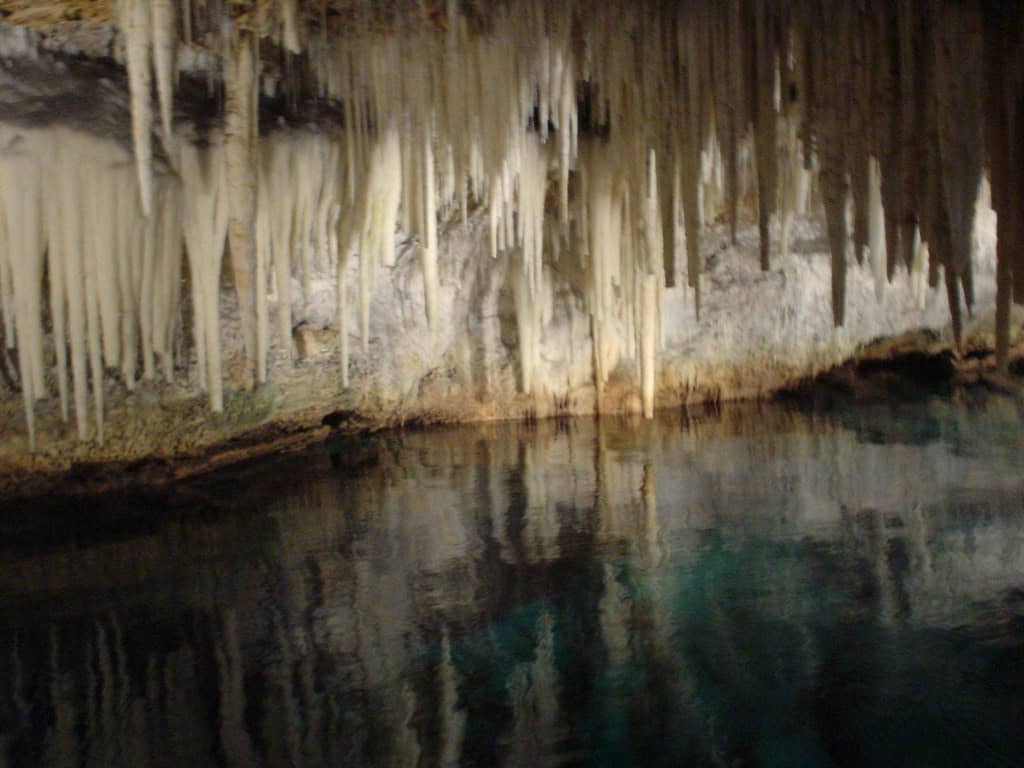
©"Bermuda Cave" by JACKIEO10000 is licensed under BY 2.0. – Original / License
As already established, Bermuda’s underwater caves are home to a host of incredible creatures. One such extraordinary animal is a rare isopod, related to pill bugs and marine crustaceans. These animals live in the still, black water of anchialine systems. Following the same evolutionary pattern of other cave-dwelling critters, many are pale and eyeless. Some species are restricted to only a handful of neighboring caves. It’s remarkable that a tiny island can hide an entire unseen world beneath the surface.