
In the summer of 2024, an expedition ventured to the depths of the ocean, navigating through waters 31,000 feet deep (for reference, the Titanic rests roughly 12,500 feet below the surface). The research team, which was led by the Chinese Academy of Sciences, boarded a submersible and headed into deep-sea trenches off the northwest Pacific coast. What were they searching for? Signs of life in one of Earth’s least explored regions.
The mission into hostile waters was certainly a success, revealing a groundbreaking discovery: whole ecosystems thriving off chemical reactions. Without sunlight, life as we understand it tends to be negligible, yet a host of animal life was thriving in this most inhospitable zone. The organisms living in the immensely pressurized ocean depths live off microbes, which use chemosynthesis to convert methane and hydrogen sulfide into energy. Animals found here include sea cucumbers, clams, and tube worms, all managing to survive with the help of these microbes. The discovery is the deepest ecosystem ever found, the details of which were published in Nature.
This slideshow ventures into the ocean’s most remote trenches, revealing how life thrives in darkness and under unimaginable pressure. Learn how an assortment of creatures survives without sunlight and what this discovery means for our understanding of life in extreme environments.
Life Discovered in the Deepest Trenches
©iStock.com/ratpack223
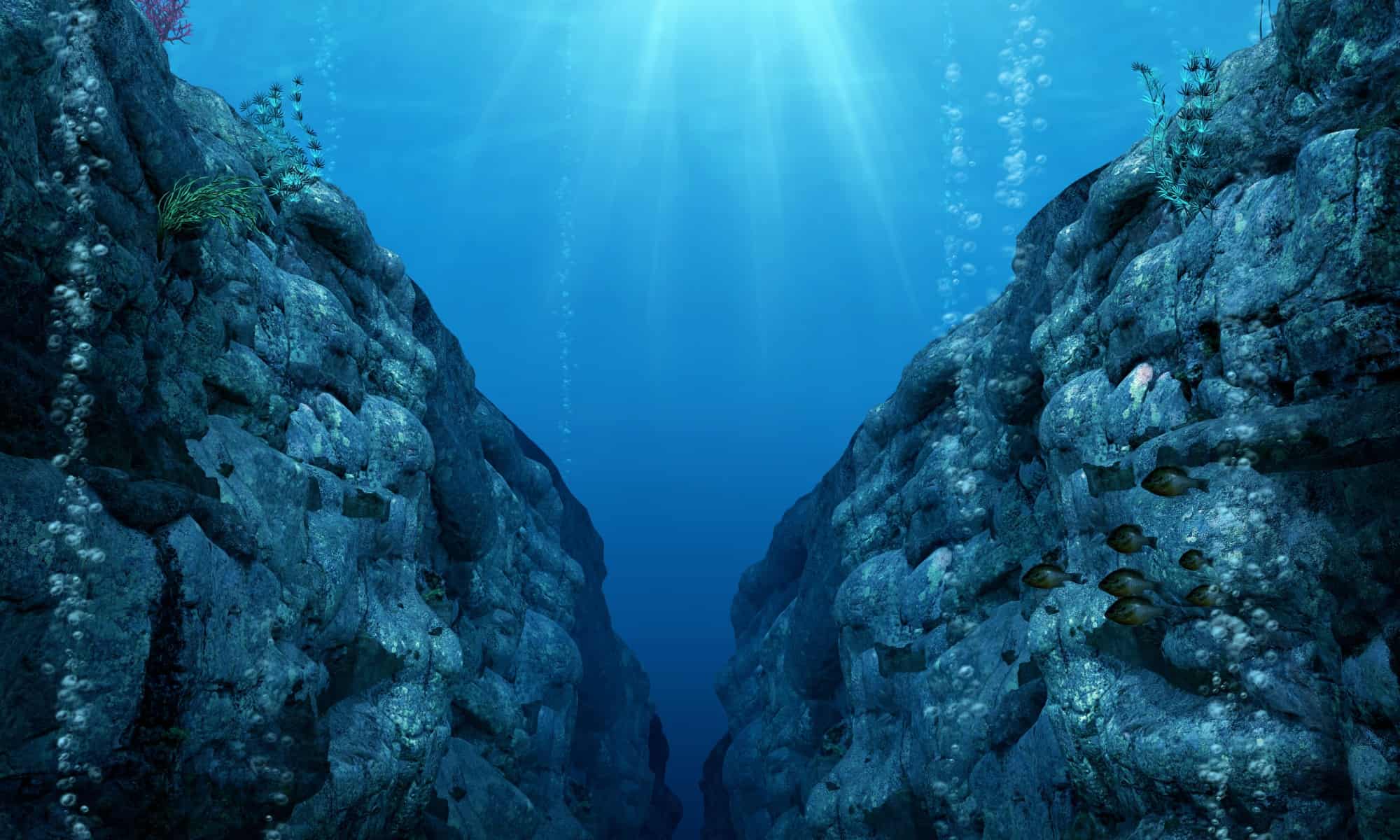
- Scientists explored an area nearly 31,000 feet below the ocean surface.
- This depth is more than twice as deep as the Titanic’s resting place.
- The team was led by the Chinese Academy of Sciences.
- Their mission revealed life in total darkness and crushing pressure.
Extreme Depths, Extreme Conditions
©Kichigin/Shutterstock.com
- At over 31,000 feet deep, no sunlight can penetrate the ocean.
- Pressure is immense (far greater than at the Titanic wreck site).
- Specialized manned submersibles are required to survive and explore.
- The Fendouzhe submersible was used for this groundbreaking mission.
Chemosynthesis: Life Without Sunlight

©Vitalii Vodolazskyi/Shutterstock.com
- Instead of using sunlight, life here relies on chemosynthesis.
- Microbes convert chemicals like methane and hydrogen sulfide into energy.
- These microbes form the base of the food chain in deep-sea ecosystems.
- This process enables entire communities to survive in total darkness.
The Deepest Chemosynthetic Ecosystem Ever Found
©Johan Holmdahl/iStock via Getty Images
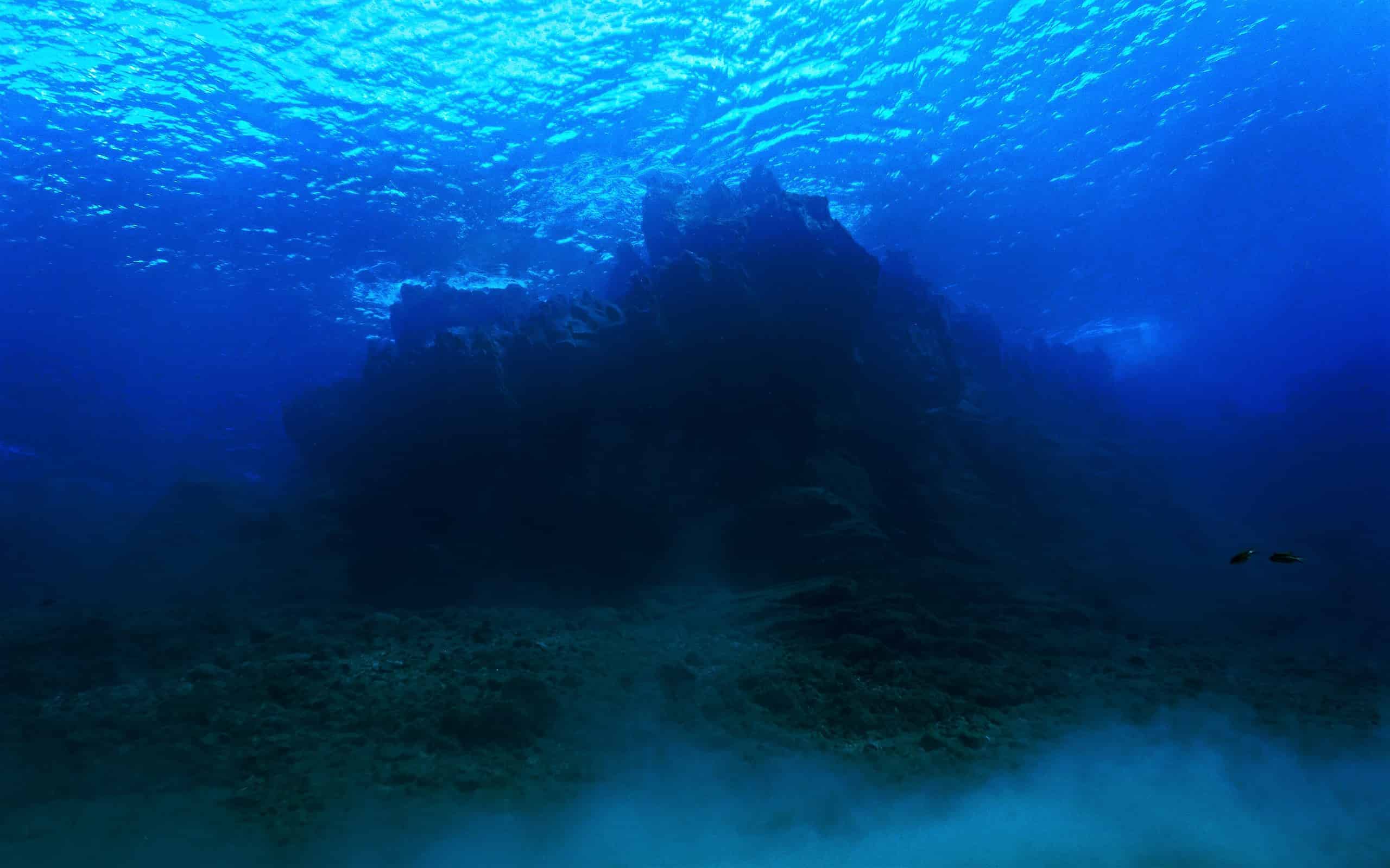
- This discovery marks the deepest known chemosynthetic ecosystem on Earth.
- It challenges assumptions about how deep life can thrive.
- The research was published in the journal Nature.
- These findings could reshape how scientists understand ocean biodiversity.
Unusual Creatures of the Deep
©e2dan/Shutterstock.com
- Scientists found tube worms with bacteria living inside them.
- These worms depend on the bacteria for nutrients.
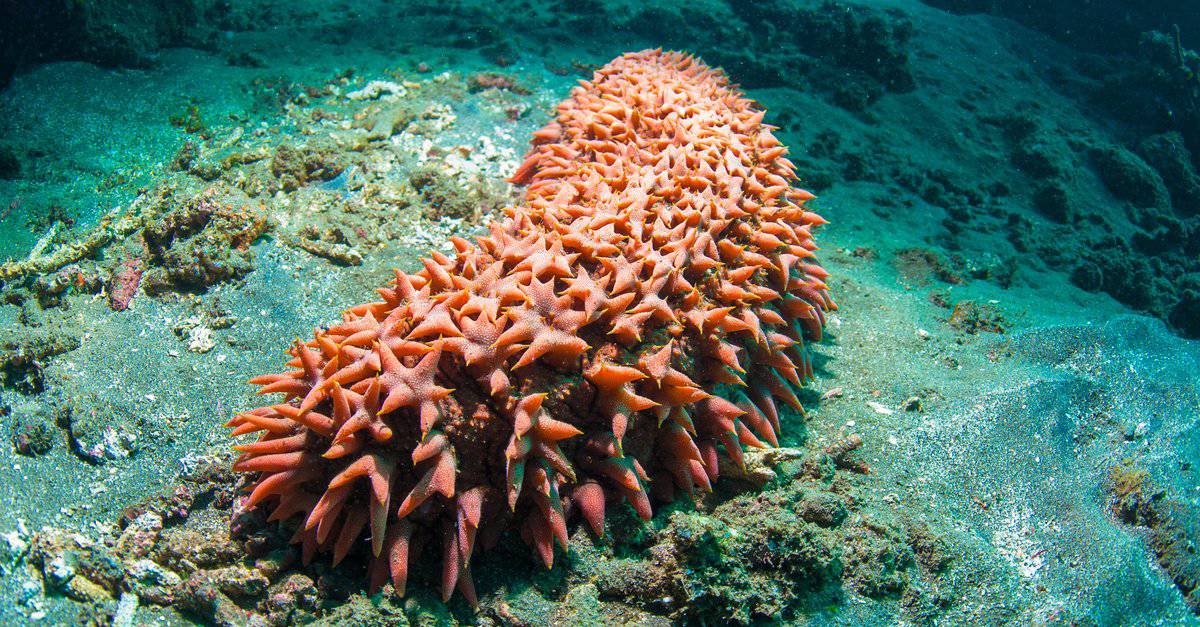
- Other creatures included white marine snails, clams, and sea cucumbers.
- Many of these animals live in symbiotic relationships with microbes.
More Than Just Sunken Debris

©Submarine Ring of Fire 2006 Exploration, NOAA Vents Program / CC BY 2.0 Deed - Original / License
- Unlike other deep-sea ecosystems, these aren’t fueled by falling organic matter.
- These trench communities are likely sustained by methane from beneath the seafloor.
- This may mean similar communities are more common than once thought.
- The study opens the door to further deep-sea exploration.