
Trap doors act as devices of trickery and disguise, providing an entryway into the unknown. These interesting entry points are beneficial to the person behind them. In the case of the trapdoor spider, the result is the same. Located in the coastal dunes of California, researchers found a new trapdoor spider species. Because trapdoor spiders spend most of their lives underground, sometimes it is difficult for researchers to capture and identify this elusive species.
“There are over 50,000 species of spiders worldwide, with thousands left to be discovered,” explains Jason Bond, a professor at the UC Davis Department of Entomology and Nematology. Researchers at this university stumbled upon this trapdoor species, but originally believed it to be Aptostichus simus. Upon further analysis, they realized that though they appeared to be identical, the genetic makeup of these two spiders was very different.
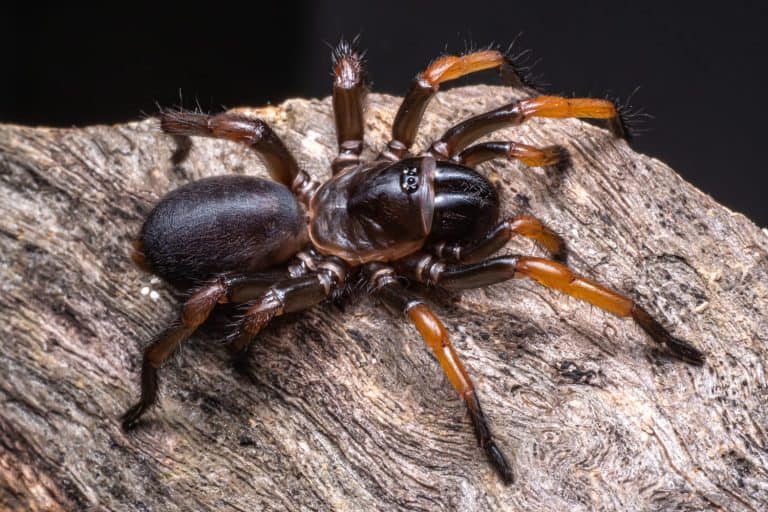
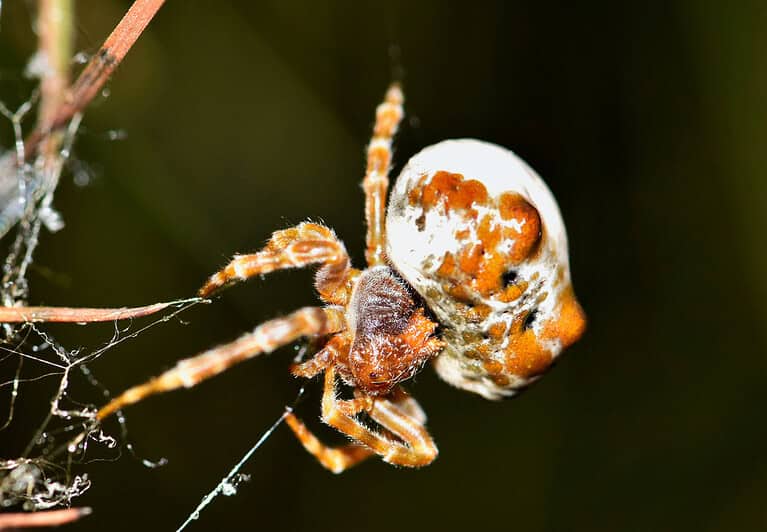
The term for this phenomenon is cryptic species. Cryptic species are nearly identical and are usually impossible to tell apart without genomic data. Interestingly, though these spiders are morphologically (visually) similar, they are so genetically different that they probably could not reproduce with one another. The new species, Aptostichus ramirezae, is a chunky brown spider shaped about the size of a quarter.
An Addition to the Arachnid World
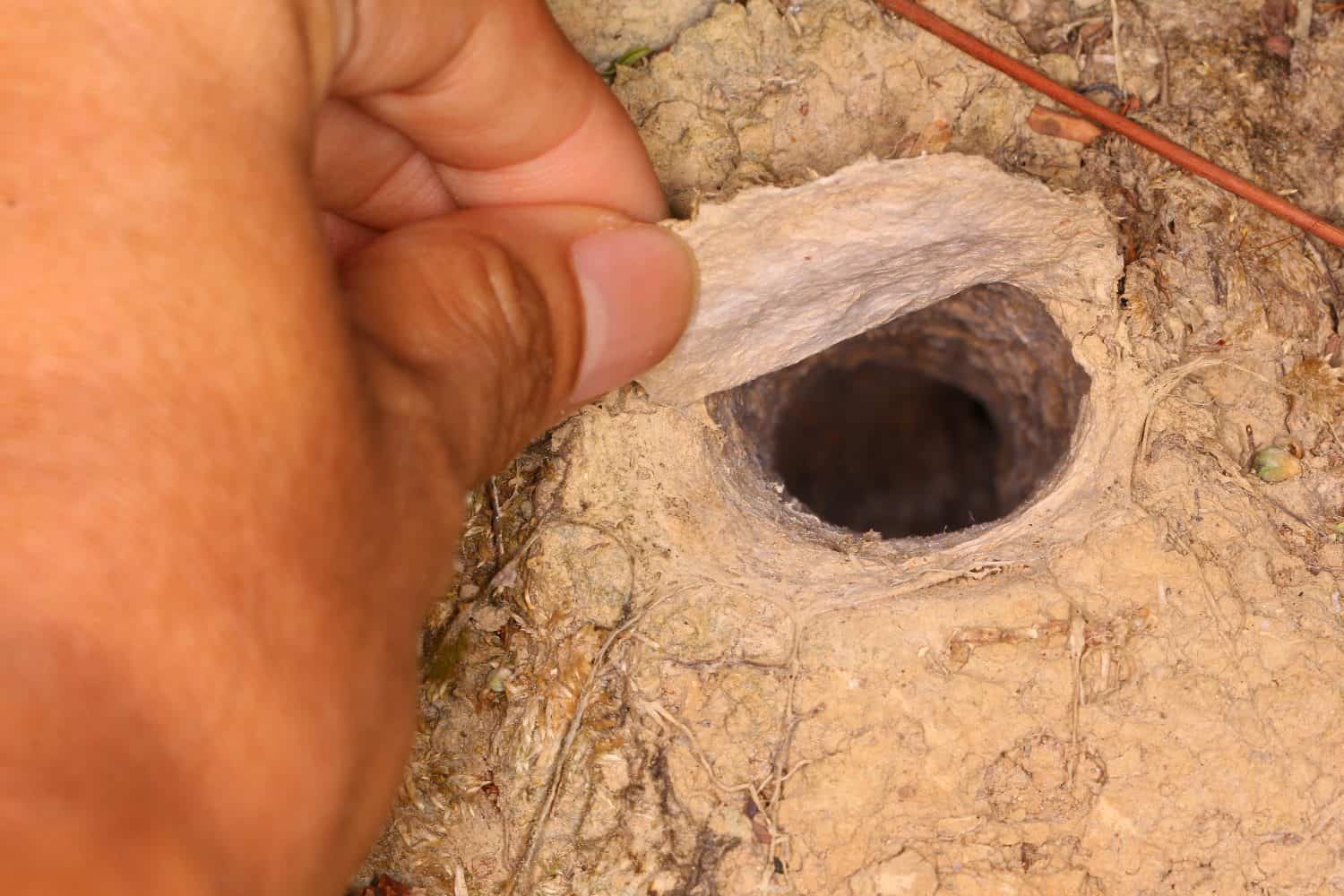
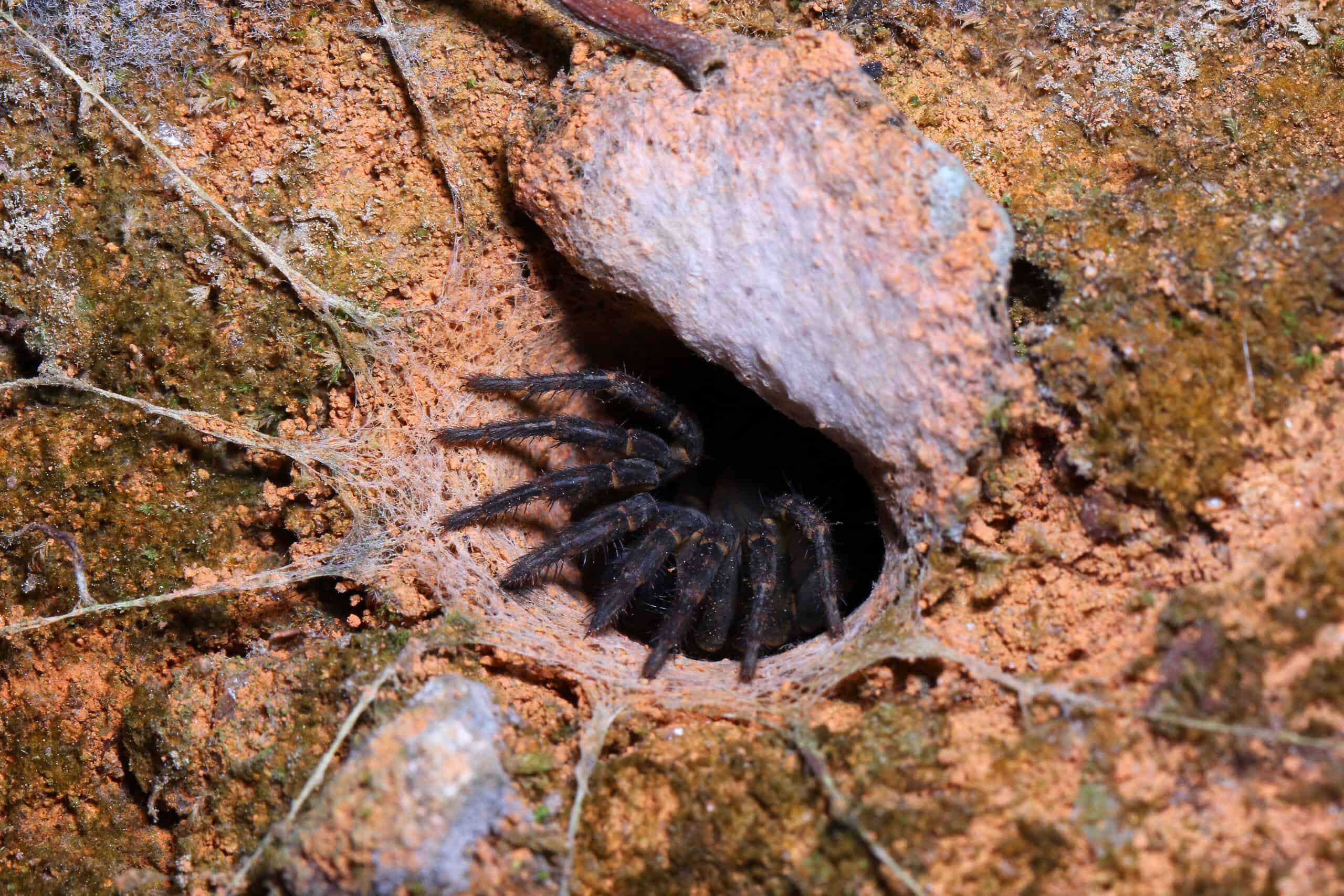
Trapdoor spiders belong to the family Ctenizidae.
©Pong Wira/Shutterstock.com
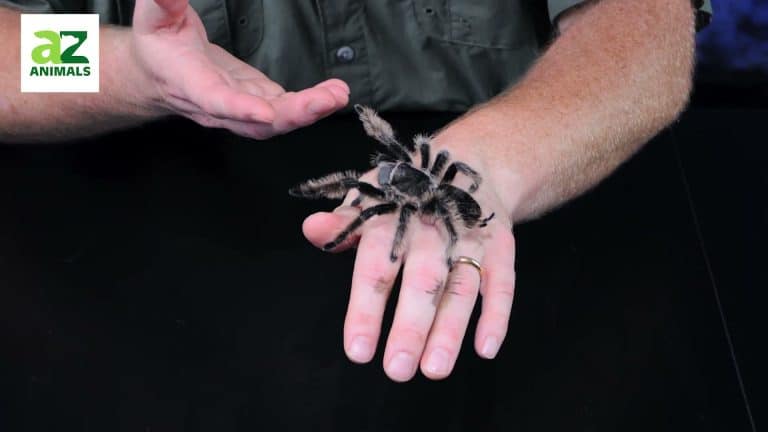
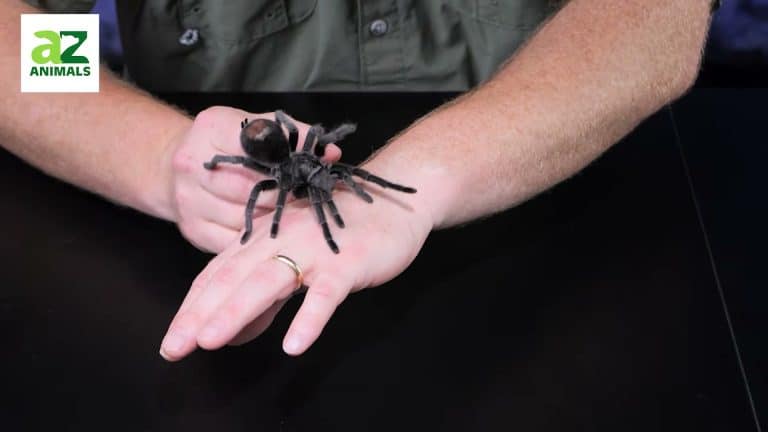
Spiders of the family Ctenizidae are voracious predators. Notably, spiders in this family are tarantula relatives. Mygalamorphs, this infraorder of spiders, includes tarantulas, funnel-web spiders, mouse spiders, and trapdoor spiders. Though they are relatives, what sets trapdoor spiders apart is their less hairy abdominal region and shiny legs. These tarantula relatives also have a far more secretive attack style. Trapdoor spiders use an ambush strategy, pouncing on prey when they detect vibrations near the entrance of their burrow using specialized ‘trip’ silk hairs.
Quite a bit of work goes into the construction of these hidden habitats. Some members of this arachnid family construct trapdoor tunnels with the help of their modified chelicerae (mouthparts). Spider chelicerae can vary greatly among species. Evolution has equipped these spiders with digging rakes, otherwise known as rastella. To reinforce the tunnel, the trapdoor spider uses a mixture of saliva and earth. Around the trap door, which is attached with silk hinges, there are silk ‘trip’ lines. When a prey item triggers the trip lines, the spider flips open the trap door, grabs them, and pulls them underground.
Not only do these trapdoors aid in prey capture, but they also serve as a form of protection. Having a burrow in the ground protects these spiders from predators. Trap door spiders keep the door tightly closed to avoid predation. How do they hold the trapdoor closed? Using their jaws, or chelicerae, they can hold these trap doors closed tightly. From prey capture to protection, these burrows have a lot to offer. Many trapdoor spiders use their burrows as nurseries for their offspring. Female trapdoor spiders lay their eggs in the burrow wall, where the eggs remain until they hatch and the young spiders are able to make miniature burrows of their own.
Saving a Secret Species
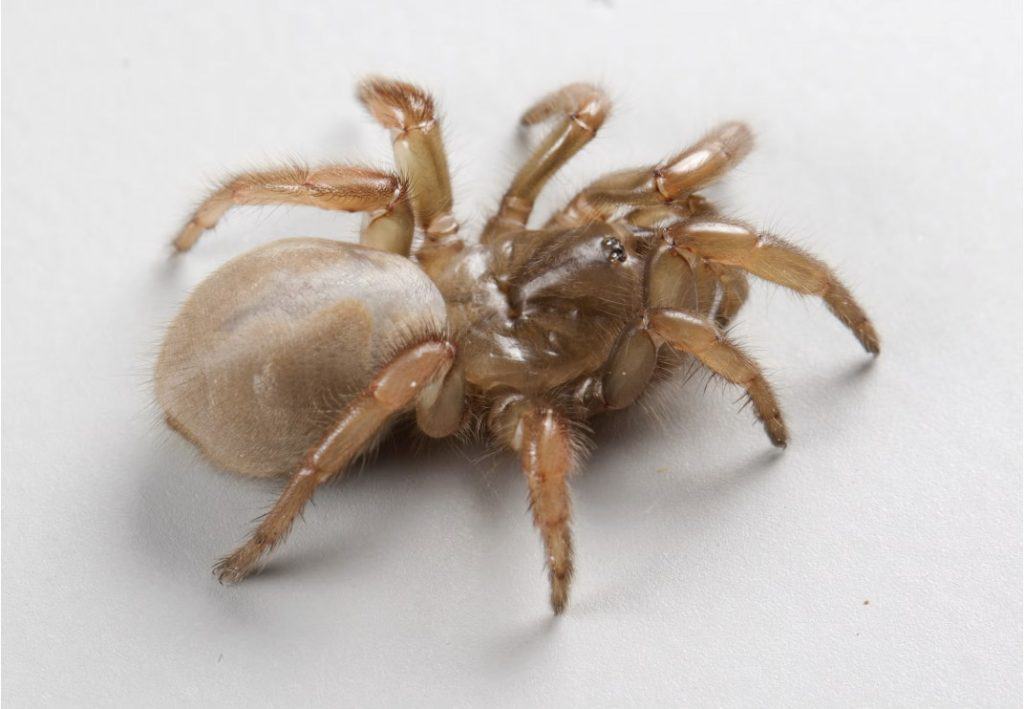
The discovery of Apostichuz ramirezae reminds us that there are still many species yet to be discovered. These chunky brown spiders typically live on coastal dunes from central California to northern Baja California, Mexico, and some Channel Islands. Because these spiders primarily live underground, entire generations can inhabit these patches of sand. As these habitats become more threatened, so does the lineage of these spiders. To put it simply, if the habitat disappears, so does the species.
Although this is a recently discovered species, it (and many other arachnids) are at risk due to anthropogenic stressors, or human-caused environmental pressures. The biggest threats to these spiders specifically are the threats to their habitats. These threats include urbanization, erosion, wildfires, and sea-level rise. A combination of these factors leads to habitat fragmentation and eventually increases the risk of extinction for many species.
The discovery of this species sheds light on a population that is genetically more unique than was originally thought. Distinguishing between the two species provides more support for protecting these fragile coastal habitats. When habitat loss threatens not just one but two species, the stakes are even higher. In addition, when a species is not very migratory, it becomes even more crucial to protect its habitat, since it has a limited geographical range.
When we talk about biodiversity loss, this does not only exist in the rhinos, elephants, or other poster-species. The collapse of species also exists among creatures living under the sand, in the dirt, and in the overlooked corners of our world. These trapdoor spiders remind us that many ecosystems have doors we never bothered to pay attention to. Those unseen creatures require just as much protection, as they are all essential threads in the web of our ecosystems.