
Quick Take
- Angora rabbits look like stuffed animals and are as fluffy as a cloud.
- Angora rabbits must be sheared every 3 months because their hair grows very long and can become matted.
- Some Chinese Angora farms have been known to create harsh conditions for the rabbits to sell their fur.
Have you ever seen something as unbelievably cute and fluffy as this rabbit? The Angora rabbit looks more like a cloud — or a puffy ball of cotton candy — and a new picture shows just how massively adorable this little furball is.
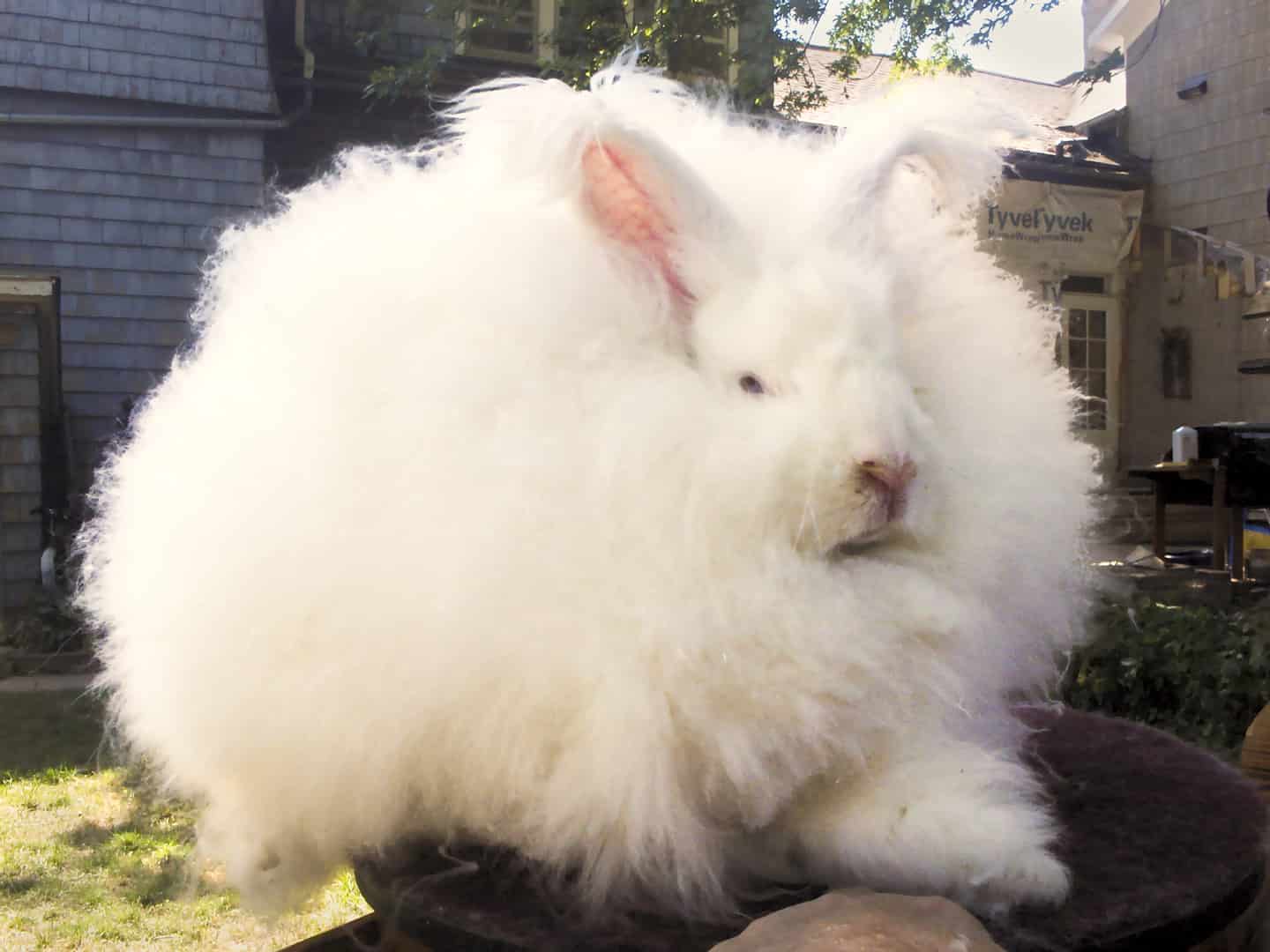
The Instagram account @noonecares shared a picture of an Angora rabbit sitting on a table. “The softest and fluffiest rabbit breed worldwide,” text over the photo read, showing a massive ball of fur like a fuzzy white pillow. A woman stands behind the rabbit to provide a sense of scale for this unusually large rabbit.
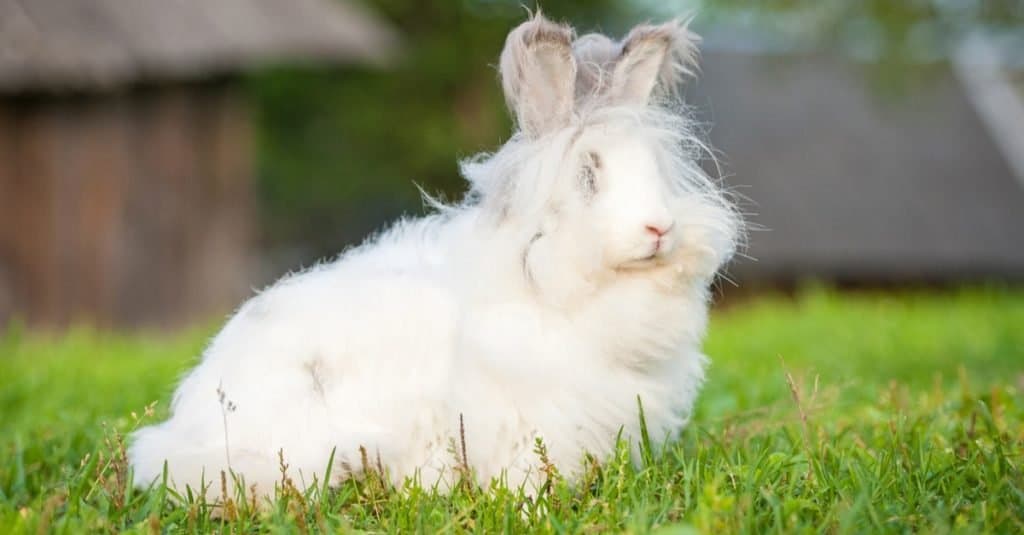
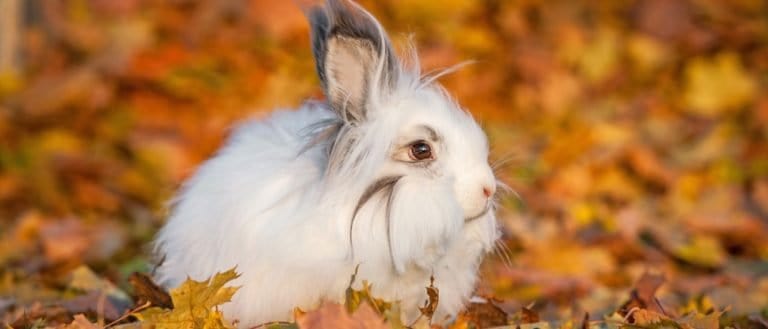
Angora rabbits’ fur molts several times a year.
©Rita_Kochmarjova/Shutterstock.com
“The Angora rabbit resembles a living cloud, its body wrapped in long, silky wool,” the caption read. “Valued for centuries for its luxurious fibre—still used in textiles today—this fluffy appearance comes with real demands. Its coat grows continuously and requires constant care.”
“Shaped by humans for both beauty and utility, the Angora rabbit is more than just adorable; it’s a soft, fascinating piece of living history. 🙌🏻” the caption concluded.
This rabbit is like a real-life stuffed animal, with fur that is much different from that of a regular rabbit.
All About the Angora Rabbit
Angora rabbits (Oryctolagus cuniculus) go back centuries. According to the Official National Club for Angora Rabbit Competitors and Enthusiasts, a group of sightseeing sailors first took some rabbits from the Turkish port of Angora in 1723 when they saw how beautiful the shawls worn by the women were and wanted to create the same from rabbit fur at home.
These beautiful rabbits are still known for their very dense, long wool, which covers most of their bodies. If you have one as a pet, it needs frequent grooming and shearing to keep its fur healthy and to prevent matting. Compared to regular rabbits, Angora rabbits have a much longer and more voluminous coat, with a rounded body and “cloud-like” silhouette, as you can see in the Instagram post above. Their silky hair grows 3-4 inches long all over their bodies—including their feet, faces, and ears—and comes in a variety of colors such as white, black, blue, chocolate, tort, and chestnut.
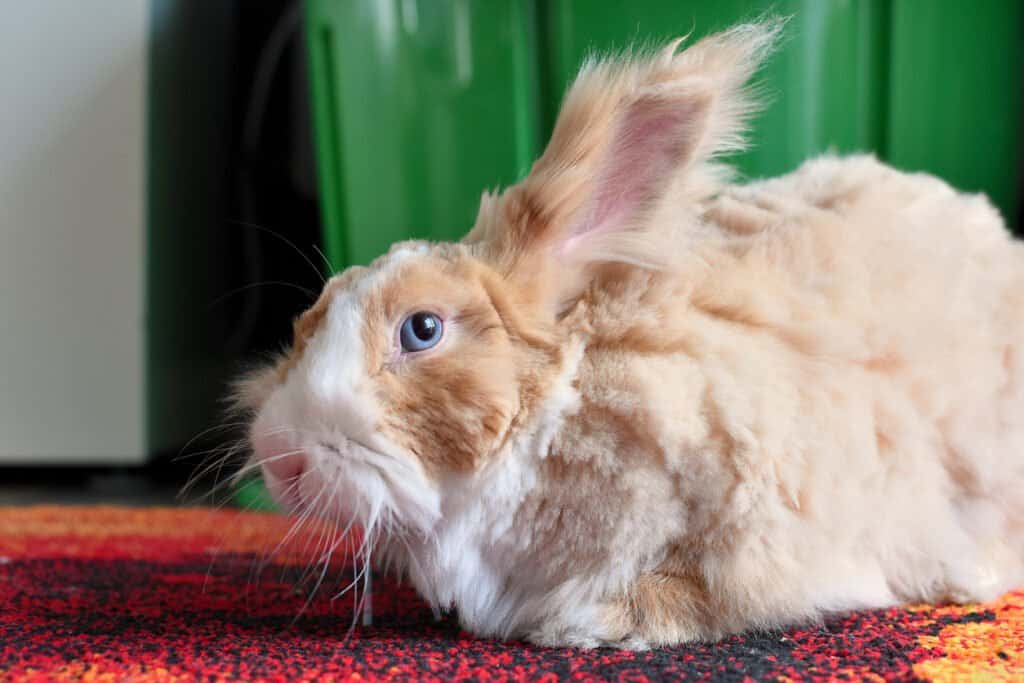
Angora rabbits can have fur in a variety of different colors, including white, blue, and chestnut.
©iStock.com/bru_greg
They produce 1-3 pounds of fiber per year, naturally molting 3-4 times a year. Domestic Angora rabbits are usually plucked by their owners every 3 months. Angora rabbits must be groomed at least weekly (and often daily), with shearing typically done every 3 months, as their hair grows so long and can get matted.
The Angora rabbit in the Instagram post above was likely not sheared for longer than 3 months, as its fur appears particularly long and fluffed up. If an Angora rabbit is not groomed or sheared frequently, it can develop wool block, a condition in which the rabbit ingests too much wool when self-grooming and is unable to pass or regurgitate it, which can be fatal.
There are several different kinds of Angora rabbits, including French Angora, English Angora, German Angora, Giant Angora, and Satin Angora. In general, these rabbits are gentle, friendly, and calm, although they can be sensitive to warm atmospheres, prolonged grooming sessions, and being restrained. They can get aggressive if they are scared or hurt.
Angora Rabbit Mistreatment
Because Angora rabbit fur is so beautiful, sometimes people mistreat these docile creatures for financial gain. Several years ago, an undercover PETA investigator visited nearly a dozen Angora rabbit farms in China and found rabbits screaming in pain and terror as workers ripped the fur from their skin, then returned them to their cages. This process went on every few months until the rabbits were unable to grow quality fur and were killed.
Since 90 percent of all Angora wool sold in the world is produced in China, you might want to reconsider purchasing anything made from Angora, as it is more than likely that the rabbits were harmed to obtain the fur.
Can Angora Rabbits Be Pets?
Angora rabbits typically make great pets, especially if you are aware of how often they need to be groomed and remain gentle with them, as their skin is sensitive and prone to cuts and bruises. Keep in mind that these high-maintenance rabbits have a lifetime cost of $4,000-$12,000, so it’s important to be prepared before you commit to being a pet Angora rabbit owner. They are super cute, though, which makes all the challenges feel worthwhile!