
Quick Take
- Pet art is about bonding and memory-making, not perfection, and should always center on safety and respect.
- Simple projects like paw prints, clay impressions, feather keepsakes, and shed skin displays allow pets to participate without stress.
- More advanced options, such as spinning pet fur into yarn or preserving shed skin in three-dimensional forms, require careful handling and proper preparation.
- Finished artwork can be displayed or turned into practical keepsakes, with attention to hygiene, allergies, and the comfort of both pets and recipients.
Making art with your pet is a playful way to bond and preserve memories in a lasting form. Whether you live with a curious cat, an eager dog, a talkative bird, or a calm reptile, there are creative projects you can enjoy together. With patient guidance, safe materials, and short sessions, your pet can leave a personal mark on a canvas or keepsake. These projects focus on connection and respect rather than perfection.
When Animals Become Artists
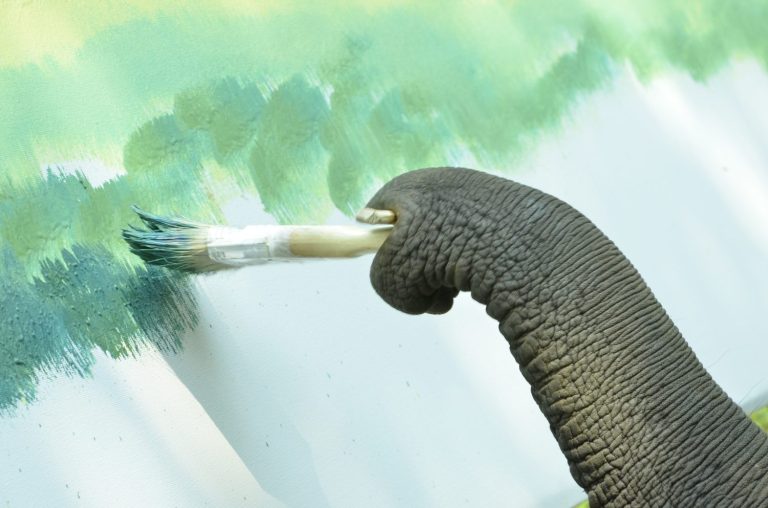
To understand what is realistic for small household pets, it helps to look at how larger animals are trained to create art. Over the years, paintings created by zoo and barnyard animals have drawn strong public interest, with works by elephants, chimpanzees, and pigs selling for thousands of dollars at charity auctions and gallery events.
These animals are not creating art through abstract thought but through careful training that builds simple movements into repeatable actions. Trainers use positive reinforcement and shape behaviors in short sessions over weeks or months, rewarding small steps toward holding a brush or making a mark on canvas.
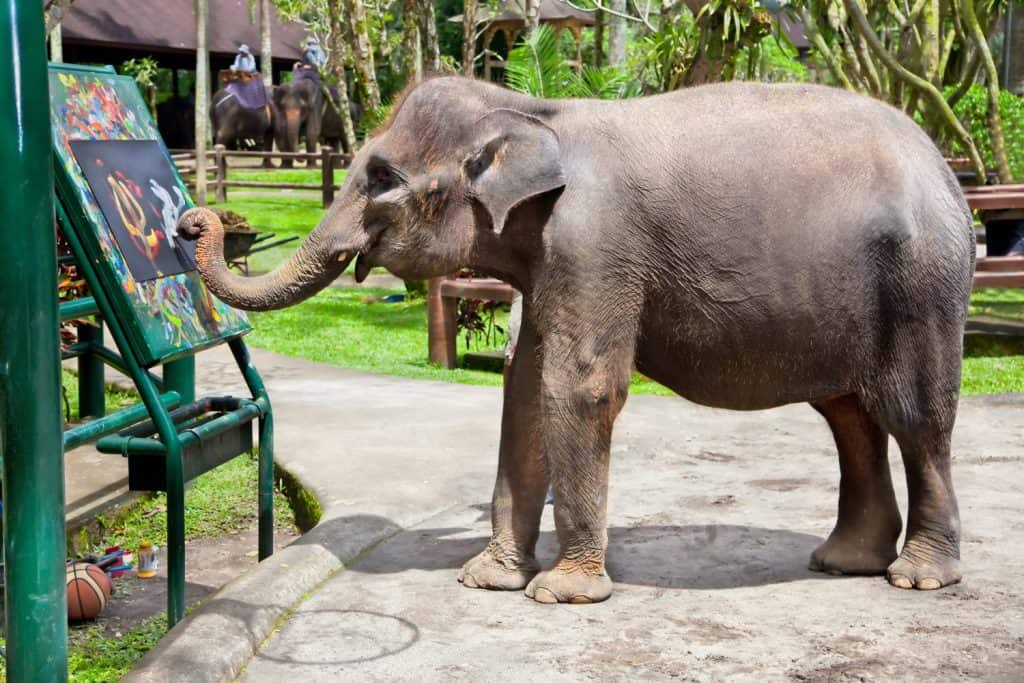
An elephant makes art on the street in Bali, Indonesia.
©Aleksandar Todorovic/Shutterstock.com
Household pets are capable of similar learning, yet the process requires patience, consistency, and close attention to comfort. Dogs, cats, birds, and reptiles often have shorter attention spans and may react more strongly to new textures or smells. This article focuses on small pets and explores low-stress, realistic ways to include them in creative projects while keeping their well-being at the center.
Safety First: Choosing Materials and Setting the Space
Creative time should begin with careful preparation. Select paints and inks labeled non-toxic and water-based, and keep solvents and strong adhesives far from animals. Avoid materials that contain heavy metals, strong fumes, or loose glitter. Prepare your workspace in an area with good airflow and clear pathways so your pet can leave if needed.
Keep sessions brief and observe behavior closely. Signs of stress include hiding, panting, flattened ears, or attempts to escape. End the activity at the first sign of discomfort. Some of the best art might be created in very short sessions over a period of months. Consider making a time-lapse video of one-minute sessions to accompany the piece.
Training Basics for Cooperative Participation
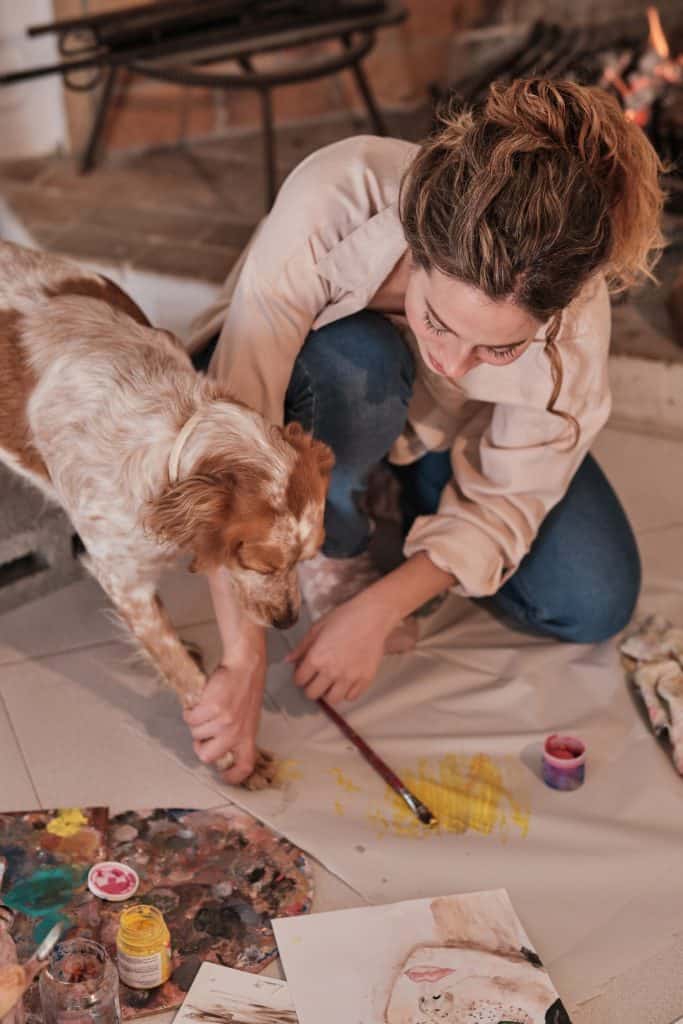
Successful art sessions build on behaviors your pet already knows. Positive reinforcement, which rewards desired behavior with treats or praise, works well for most animals. Dogs and cats can practice simple cues such as touching a hand target, then transfer that motion to a canvas. Birds may step onto a perch that rests above paper, while reptiles can be guided slowly across a safe surface. Keep training steps small and clear. Reward calm behavior and conclude each session on a simple success.
Making Paw Print Art
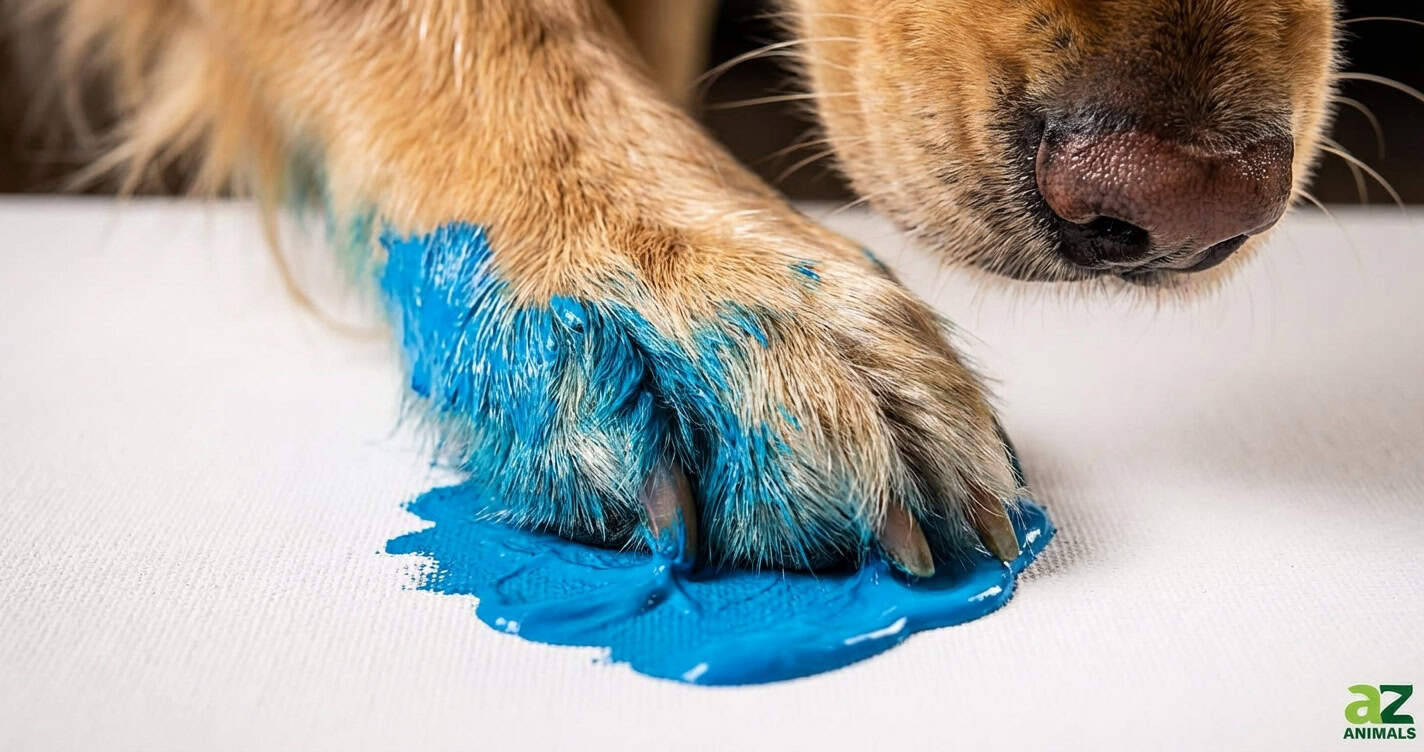
Paw prints, by themselves or combined with your own art, are one of the easiest forms of pet art.
©ADDICTIVE STOCK/Shutterstock.com
Paw prints, on their own or combined with your own design, are one of the simplest and most reliable forms of pet art. To create painted prints, place a thin layer of washable, non-toxic paint on a shallow tray or sponge pad. Guide your pet to step lightly onto the pad and then onto paper or canvas laid flat on the floor. Aim for one or two clear impressions rather than repeated steps, then clean paws promptly with warm water and a soft cloth. You can layer different colors, arrange prints into patterns, or add your own handprint beside theirs to create a shared piece.
For a longer-lasting option, clay, salt dough, or even concrete can preserve the shape of a paw in three dimensions. Roll out air-dried clay or salt dough and gently press a paw into the surface, then remove your pet and allow the piece to dry before decorating. These impressions can become ornaments, plaques, or paperweights. For outdoor spaces, a concrete paw print can be set into a paving stone for a garden path or patio. Because contact is brief and controlled, this approach works well for animals who prefer short sessions. Always support the limb carefully and clean the paws immediately afterward.
Nose Touches and Tail Strokes
Some pets enjoy gentle nose touches or relaxed tail movements. After teaching a nose target, prepare the canvas first, then apply a very thin dab of non-toxic paint to the front of the nose and guide one quick touch to the surface. The paint layer should be light enough to transfer with a single tap, which reduces the urge to lick. Reward immediately and wipe the nose clean right away. Each touch leaves a soft circle that can form simple patterns across the page.
For pets with long tails who remain calm, avoid dipping the entire tail into paint or encouraging vigorous wagging, as this can spread paint uncontrollably and may be uncomfortable for the dog. Instead, apply a tiny amount of washable paint to just the tip and guide one or two slow strokes across paper placed flat on the floor. Clean the tail promptly after each mark. Gentle, controlled movement creates better results and keeps the session safe and low-stress.
Feather Keepsakes and Decorative Touches
Naturally shed feathers can become meaningful accents in jewelry and home décor. Many pet owners seal feathers between glass panes or embed them in clear resin to create lightweight pendants that preserve their delicate patterns. Smaller feathers can be wrapped with fine wire and attached to hair clips, combs, or pendants for simple, wearable keepsakes. They also add texture to dried flower arrangements, pairing well with grasses and preserved blooms. You might also want to try your hand at making a dreamcatcher. Clean and dry feathers thoroughly before use, and complete any resin or adhesive work in an area separate from your pet.

You could make a dreamcatcher from naturally shed feathers.
©Brian A Jackson/Shutterstock.com
Feather and Beak Impressions for Birds
Birds can participate in art projects when these activities align with their natural behaviors and comfort levels. Instead of placing paint directly on their feet, position the color where they already chosen to step. One method is to line the top of a stable perch with a very thin layer of non-toxic, water-based paint or to rest the perch lightly on a shallow sponge pad that holds a small amount of pigment. As the bird steps from the perch onto a card or sheet of paper placed below, faint footprints are transferred naturally. The goal is a light coating that marks the paper without soaking the toes.
You can also press naturally shed feathers into a washable ink pad and then onto paper or air-dry clay to create delicate impressions without involving the bird at all. For birds that enjoy tapping, attach a small piece of sponge lightly dampened with paint to a safe handheld stick and allow them to peck at it over paper, creating dotted patterns. Always keep paint away from their face and breathing area, avoid powders or aerosols, and clean all surfaces promptly after use. Short, calm sessions help the bird remain comfortable and cooperative.
Reptile Traces
Reptiles require careful handling and short involvement. Rather than applying paint directly, allow a calm reptile to move across paper that rests over a lightly dampened pad so a faint pattern is transferred. Another method is to trace your reptile’s outline while it rests on a piece of paper or canvas, then add color to the outline yourself. These approaches allow you to capture shape and texture without coating scales or causing stress. Always maintain proper temperature, minimize handling time, and return your reptile to its enclosure promptly after the session.
Shed Skin Art Projects
Naturally shed skin offers another creative option. Shed reptile skin is thin, translucent, and fragile, yet it can be preserved in ways that create a striking, ghost-like display. Flat mounting is the simplest method. Carefully dry and flatten the sheet between parchment sheets, then secure it to archival paper or canvas with acid-free adhesive. Light coats of clear acrylic sealer help protect the surface without oversaturating it. For a more ethereal look, place the preserved shed in a deep shadow box with soft backlighting to highlight its delicate structure.
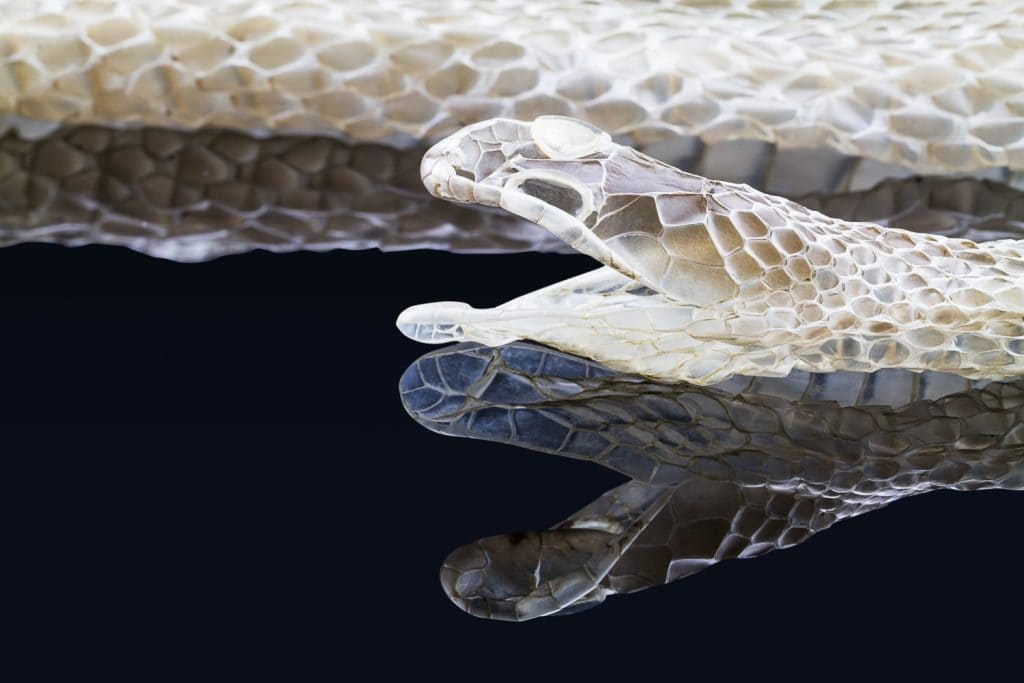
With great patience and care, you could create a 3-dimensional “ghost” version of your reptile from shed skin.
©Shark_749/Shutterstock.com
If you prefer a three-dimensional effect, the skin needs internal support. One method is to slide an intact snake shed over a clear acrylic or resin form so it keeps its tubular shape. Another approach involves pouring thin layers of clear resin and suspending the shed between them so it appears frozen in place. For lizard sheds, you can sculpt a lightweight foam form and gently drape the skin over it before sealing. Work slowly, avoid thick resin pours, and allow materials to cure in a space separate from your pet. This is certainly one of the most difficult projects we’ve suggested, but with patience and structure, a shed can become a delicate echo of your reptile.
Resin and Collage Keepsakes
Shed fur, feathers, and reptile skin can be incorporated into collage work or preserved in clear resin to create lasting keepsakes. Fur can be placed inside lockets, memory boxes, or between panes of glass for framed display. Feathers can be layered into collages, mounted in shadow boxes, or arranged alongside pressed flowers for mixed media art. Small sections of shed reptile skin can be positioned on archival backing to highlight their natural pattern before being sealed for protection.
Clear epoxy resin allows these materials to be suspended and preserved in a durable form. Fur, feathers, or shed skin can be embedded into pendants, earrings, or keychains by pouring thin layers into silicone molds. Larger molds can create paperweights or decorative blocks that encase the material in a smooth, glasslike finish. Some artists incorporate preserved pieces into coasters, serving trays, or inset panels for furniture tabletops, sealing them beneath a protective resin layer. When working with resin, mix and pour in a well-ventilated area away from pets, and allow each layer to cure fully before handling. Proper sealing not only preserves the material but also prevents odor and protects delicate textures over time.
Spinning Pet Fur Into Yarn and Keepsakes
Specialized spinners can process a dog’s soft undercoat into workable fiber for knitting or display—a practice known as chiengora. Long-haired dogs with dense undercoats often produce the best results, since the fine fibers twist together more easily than coarse guard hairs. Cat fur is generally more difficult to spin due to its shorter length and texture, but in some cases, it can be blended with sheep wool for added strength and elasticity.
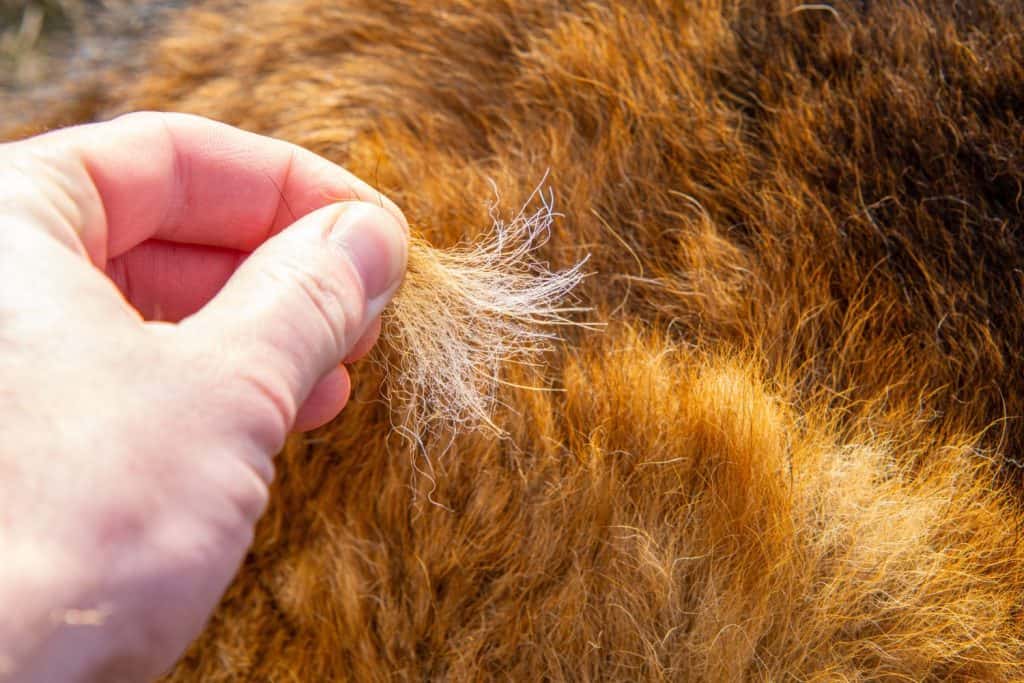
It is possible to spin short animal hair into yarn, but it may need to be blended with sheep wool for elasticity.
©Adam bartosik/Shutterstock.com
Pet fur yarn can have a faint scent at first, especially if the fur was collected before washing. Professional preparation reduces odor and improves texture. Finished yarn should be hand-washed gently in cool water with mild detergent and dried flat. Store items in breathable bags and protect them from pests. When prepared and cared for properly, pet fur yarn becomes a lasting keepsake that reflects the bond between you and your animal.
Turning Pet Art Into Practical Keepsakes
Artwork created with your pet will likely hold deeper meaning for you than for anyone else. The smudge of a paw print or the uneven swirl of paint may look simple to others, yet it carries memory, effort, and shared time. That personal connection is what gives the piece value. When you decide to turn it into something more permanent, focus on items that blend sentiment with everyday usefulness so the design becomes part of daily life.
Print-on-demand services make it easy to place your pet’s art on practical objects. A canvas tote, coffee mug, insulated travel tumbler, phone case, laptop sleeve, mouse pad, throw pillow, blanket, calendar, notebook, or greeting card can carry a paw print into daily routines. When giving these items as gifts, consider allergies and sensitivity to pet dander. Some people may react to natural fibers or feel uncomfortable wearing items made from pet fur. Hats or scarves spun from dog or cat hair may be meaningful to you, but they might seem unusual to others unless the fiber comes from animals traditionally used for that purpose, such as llamas or Angora rabbits. Thoughtful selection ensures the gift feels personal and appropriate.
A Lasting Expression of Your Bond
Art projects with pets center on shared moments. By choosing safe materials and respecting boundaries, you can transform everyday movements into tangible memories. A single clay imprint or painted paw print holds meaning because it reflects trust and care. These projects celebrate companionship in a form you can see and hold.