
Quick Take
- A single slug must produce 90,000 grandchildren to effectively sustain its local ecological population.
- Their slime acts as a navigation system.
- Slugs play a critical ecological role inbreaking down decaying matter.
Even for the most ardent nature fan, it is all too easy to overlook slugs. Not only are they small, ground-dwelling, and, well, sluggish, but they also don’t tend to please the average gardener. They eat plants, leave sticky slime trails, and are moist to the touch. Perhaps the slug is misunderstood; they are actually some of the most interesting creatures around.
They have blue blood, are right-handed, can reproduce with themselves, and will eat each other when other food options are scarce. They may not have pretty shells like snails, but slugs are ecological garbage workers that preserve the integrity of the soil even as they ravage gardens. Let’s learn ten facts about these fascinating creatures.
Slugs Will Eat Practically Anything
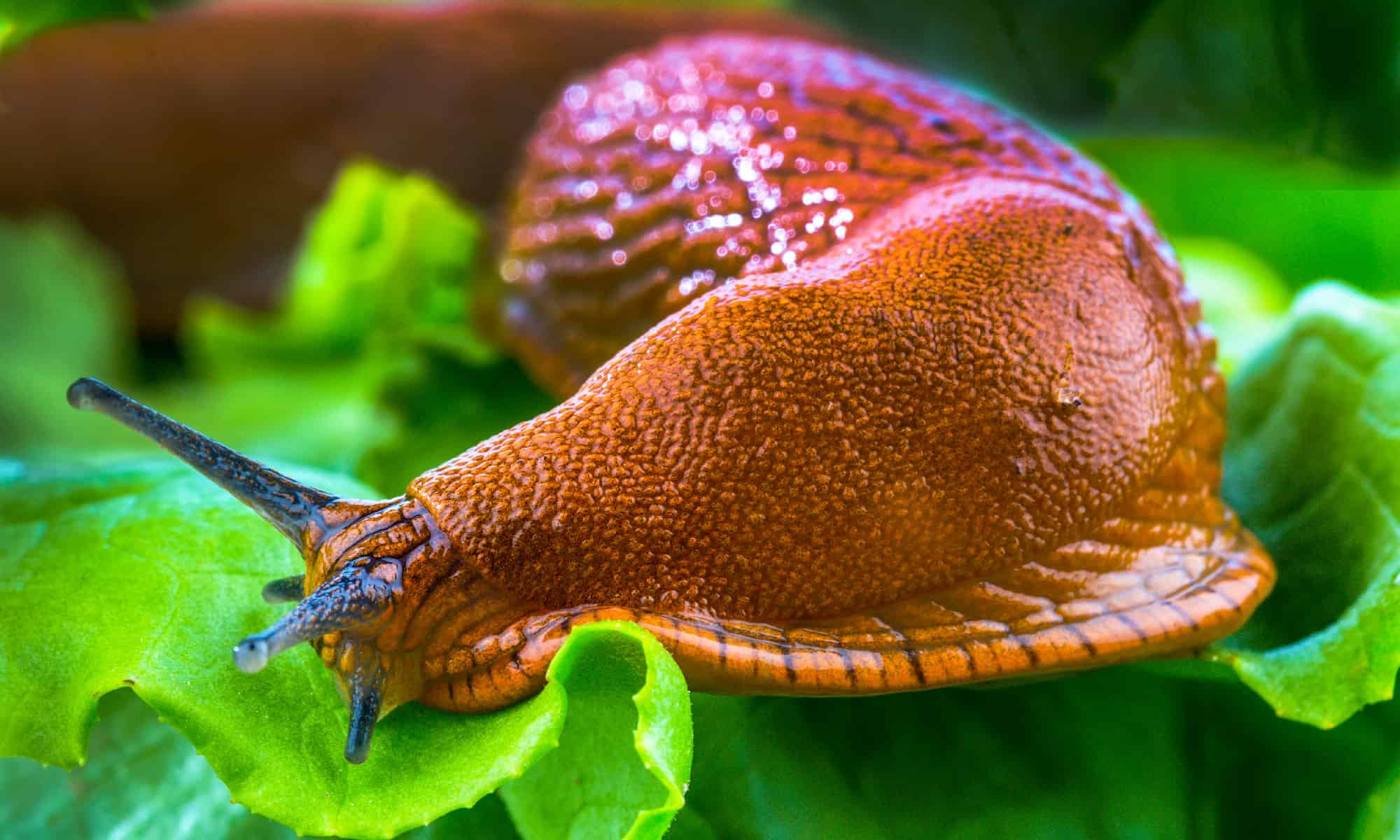
Slugs are known to resort to cannibalism when times are tough.
©MMCez/Shutterstock.com
As you will soon discover, most slugs subsist on decaying plant matter; they eat fungi, algae, dead leaves, and organic detritus. That said, some slug species prefer a little more protein in their meals and will eat earthworms, other slugs, or even their own eggs. Some of the meat-eating species will resort to cannibalism, particularly when food sources are scarce. Whatever they are dining on, slugs use their tiny teeth to scrape or tear at the surface of food. That has to hurt if you are the unfortunate earthworm or slug being eaten by a more aggressive slug. This dietary variety, however, not only helps slugs fit into their ecosystems with ease but also makes them important nutrient recyclers.
A Built-In GPS System
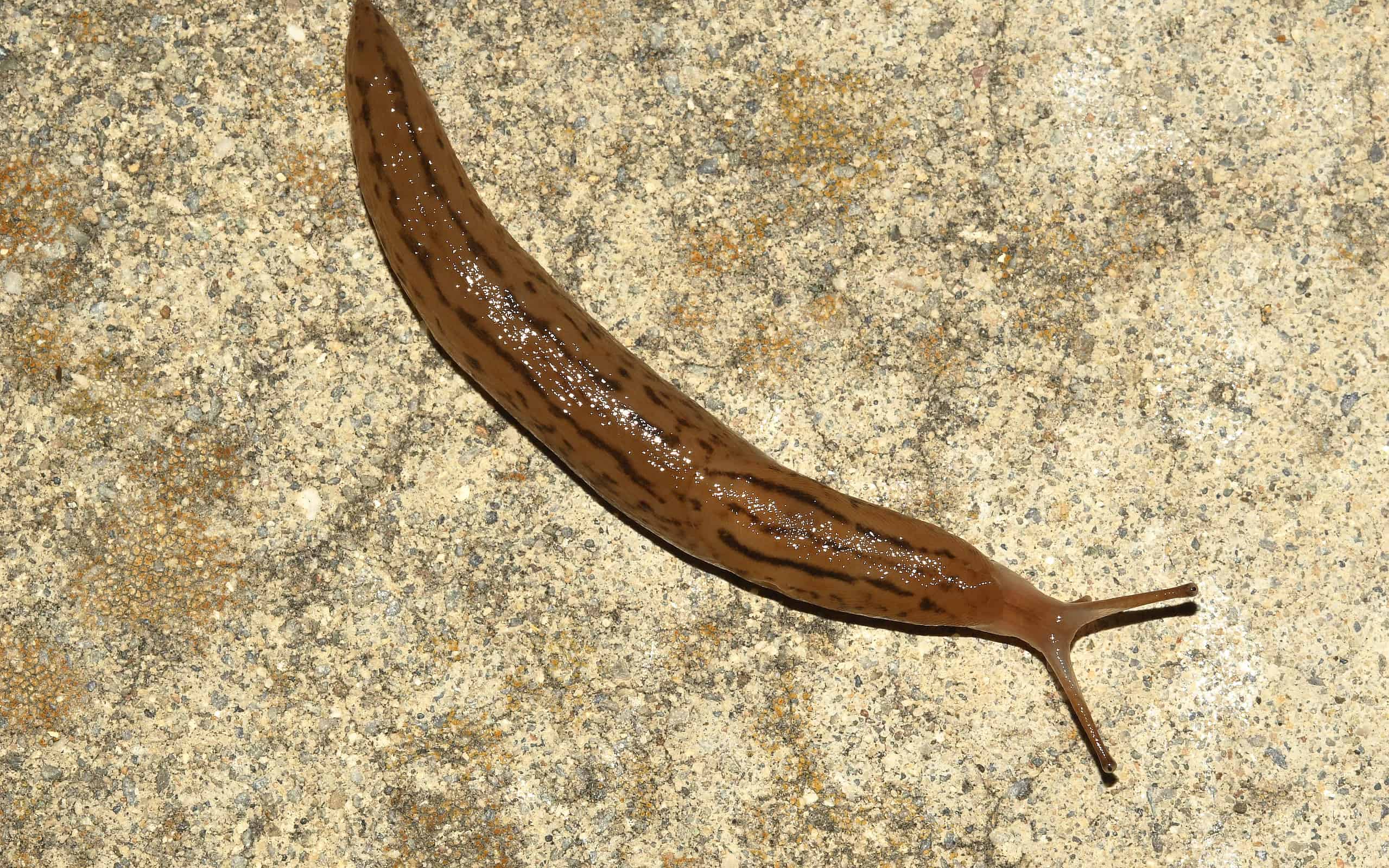
Slug slime is so cushioning that it allows slugs to glide over the edge of razor blades without being cut.
Even if we don’t outright see them in our gardens, we know where a slug has been thanks to its slime trails. It turns out this is by design. Slugs use their slime for several reasons. It leaves a unique scent trail so they can find their way back home. It also helps them move around, even in dangerous conditions. Indeed, a slug’s slime contains fibres that keep it from sliding down vertical surfaces. The slime also helps slugs glide over sharp points, like glass shards with ease. It is so protective that a slug can slide over the edge of a razor blade without being cut to bits. On the flip side, slug slime absorbs nearly all water, which is why it’s almost impossible to wash off your hands.
Water, Water, and More Water
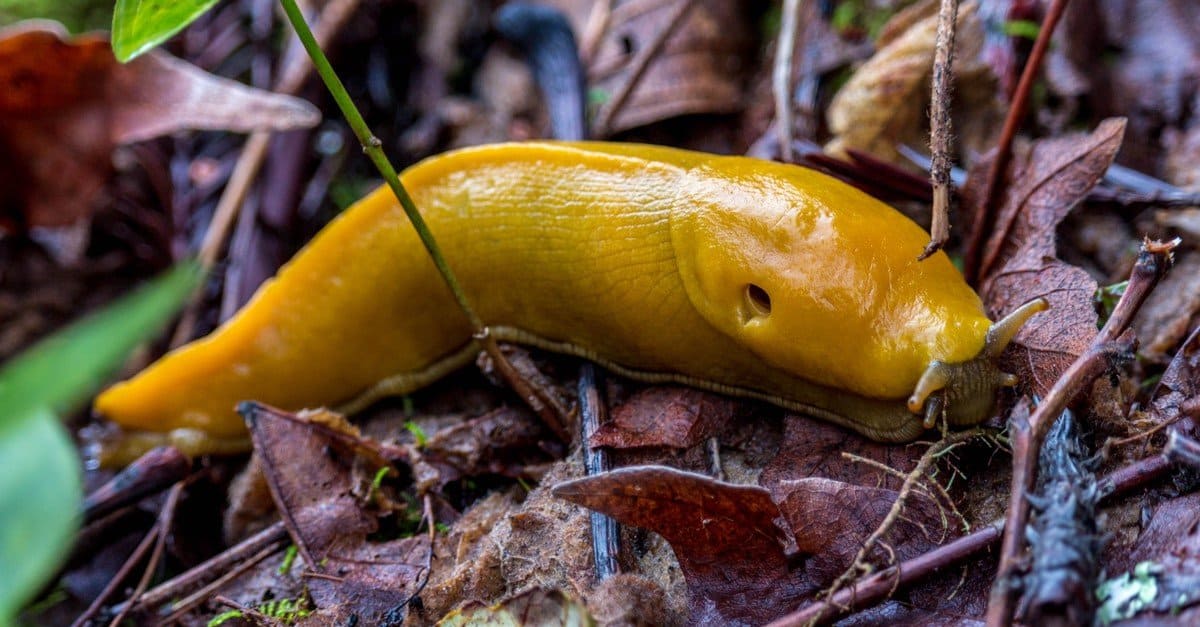
One fact about slugs is that they are made up of over 80% water.
©MC Creative/Shutterstock.com
Perhaps the reason slug slime absorbs most water is that slugs need it on the inside. Indeed, a slug’s body is made up of over 80% water. This makes them prone to desiccation, so they must stay in relatively moist environments at all times to survive. Slugs evolved from sea creatures long ago but have not fully adapted to life on dry land.
Doing Numbers
A single cubic meter of garden soil can hold up to 200 slugs in places like the United Kingdom.
©Meyta/Shutterstock.com
A look at the numbers shows that slugs are a big player in the animal kingdom. Not only do they belong to the second-largest class of creatures on Earth, but slugs also reproduce prolifically. They can lay 20-100 eggs several times a year, depending on the species. That can add up to a thousand eggs over a lifetime (slugs in good conditions can live up to six years). They go under the radar because they are close to the ground and move slowly, but slugs are practically everywhere. According to one source, research has shown the average UK garden to hold “a population of over 20,000 slugs and snails.” Furthermore, just a cubic meter of garden can feature up to 200 slugs.
Any Which Way
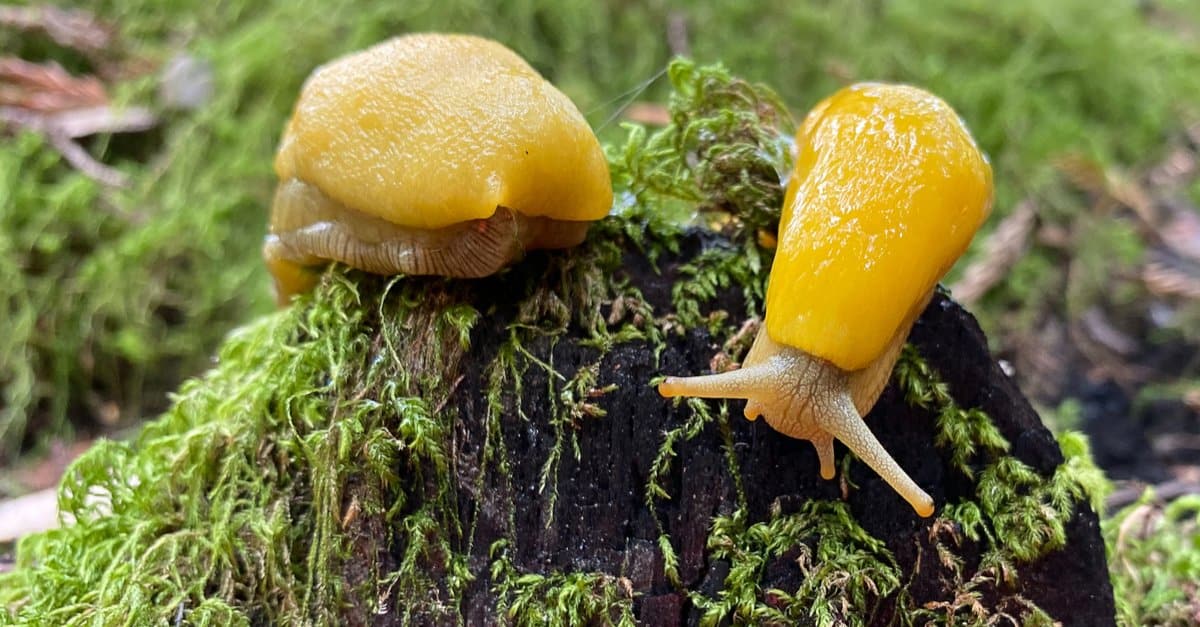
Slugs can mate with themselves.
©Marek Mierzejewski/Shutterstock.com
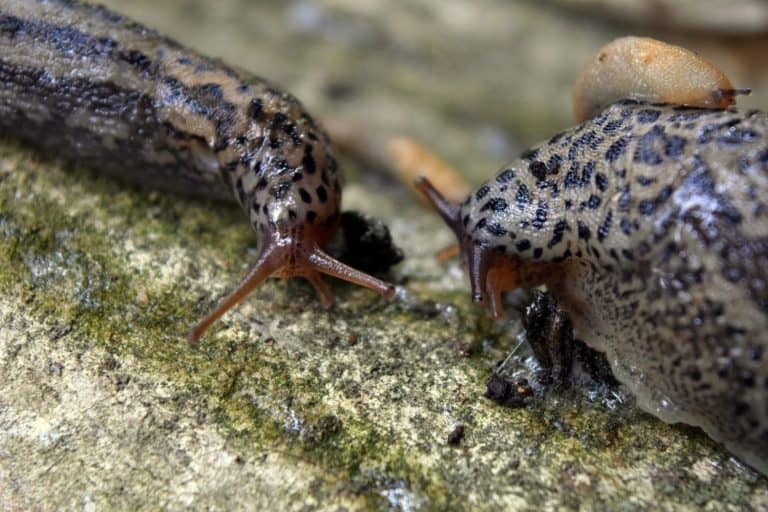
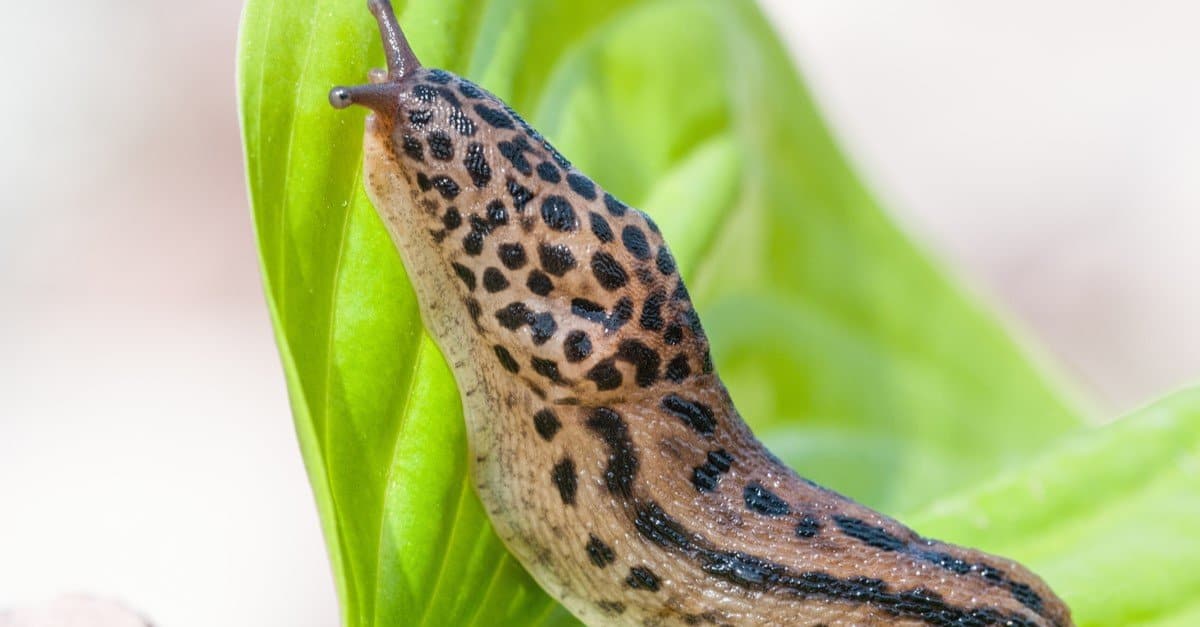
It’s hard to argue that slugs are pretty strange creatures. Not only is their blood blue, but they also poop from their heads and can stretch their bodies out to over 20 times their normal length. Perhaps one of the weirdest things about slugs, however, is that they are hermaphrodites. Indeed, nearly all types of slugs have both male and female reproductive organs. Although slugs can self-fertilize, they usually prefer to mate with a partner. When two slugs mate, both individuals can have their eggs fertilized. This mating process can also be slow and lengthy, with some species taking several hours to complete.
Eggsactly
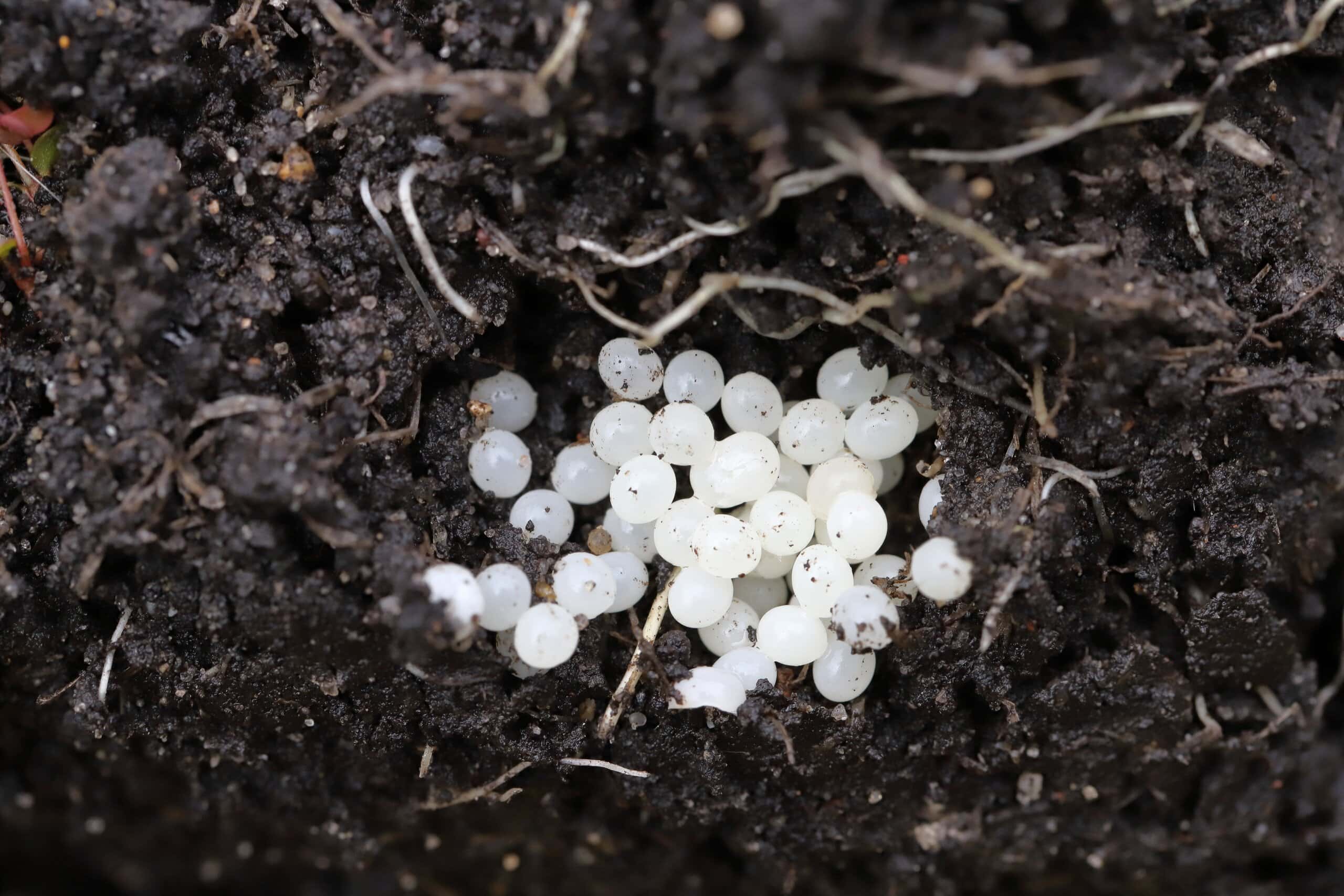
One slug has the potential to produce around 90,000 grandchildren.
©Tomasz Klejdysz/Shutterstock.com
As previously mentioned, slugs can lay over a hundred eggs a year, and do so by reproducing with themselves. These eggs, which are clear to white in color and three to four millimeters across, are often laid in crevices in the soil during the spring and autumn. When conditions are good, slug eggs hatch within 10 days, but this process can be delayed up to 100 days in poor conditions. Whenever the time is right, young slugs hatch. This means that even just one individual slug has the potential to produce around 90,000 grandchildren. No wonder there are so many slugs in the average person’s garden.
Touching Tentacles
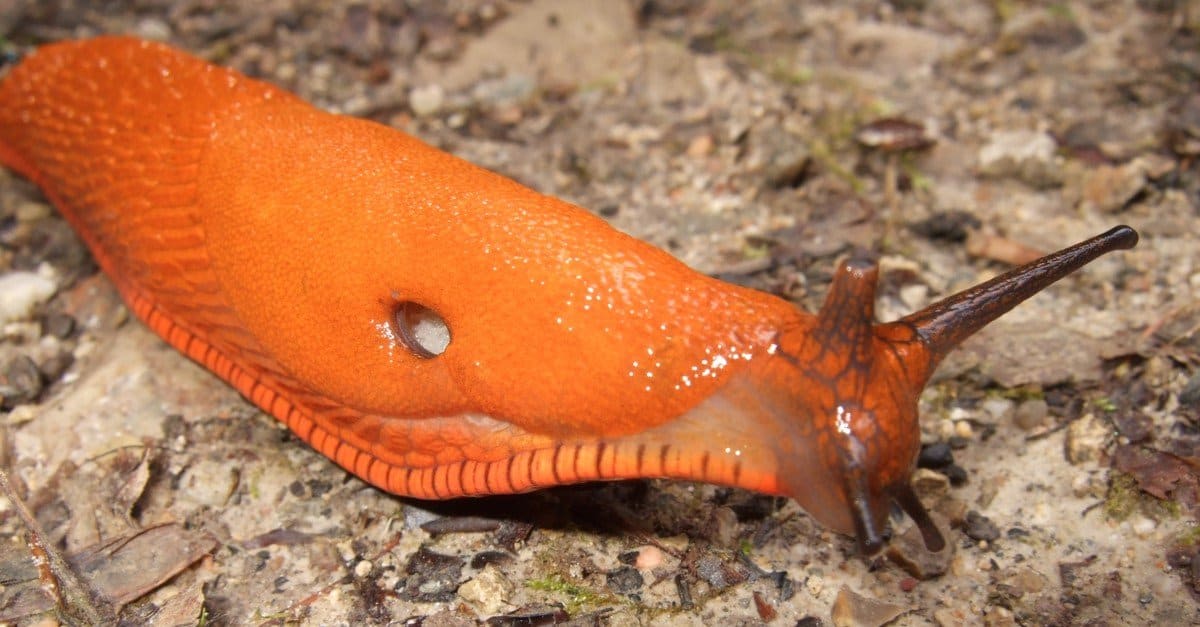
Slugs feature four front-facing tentacles that are used for seeing, smelling, tasting, and touching.
©Okady/Shutterstock.com
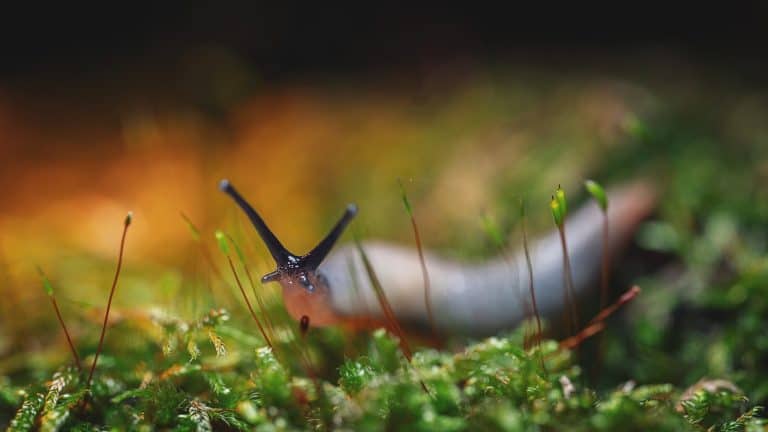
They don’t seem to have eyes or ears, so you may be wondering how slugs manage to feel their way around complicated vegetative environments. One fascinating fact is that slugs use their tentacles. Look closely at a slug’s face, and you will see four tentacles. The top two function as both eyes and the nose. The two lower tentacles are used for tactile sensation and tasting food. They may seem blind, but slugs use their front-facing tentacles to make sense of the world around them, even if it’s at a snail’s pace. Even more unusual, many slugs have most of their organs and their breathing pore (pneumostome) located on the right side of their bodies, a trait known as dextral asymmetry.
Ecological Engineers
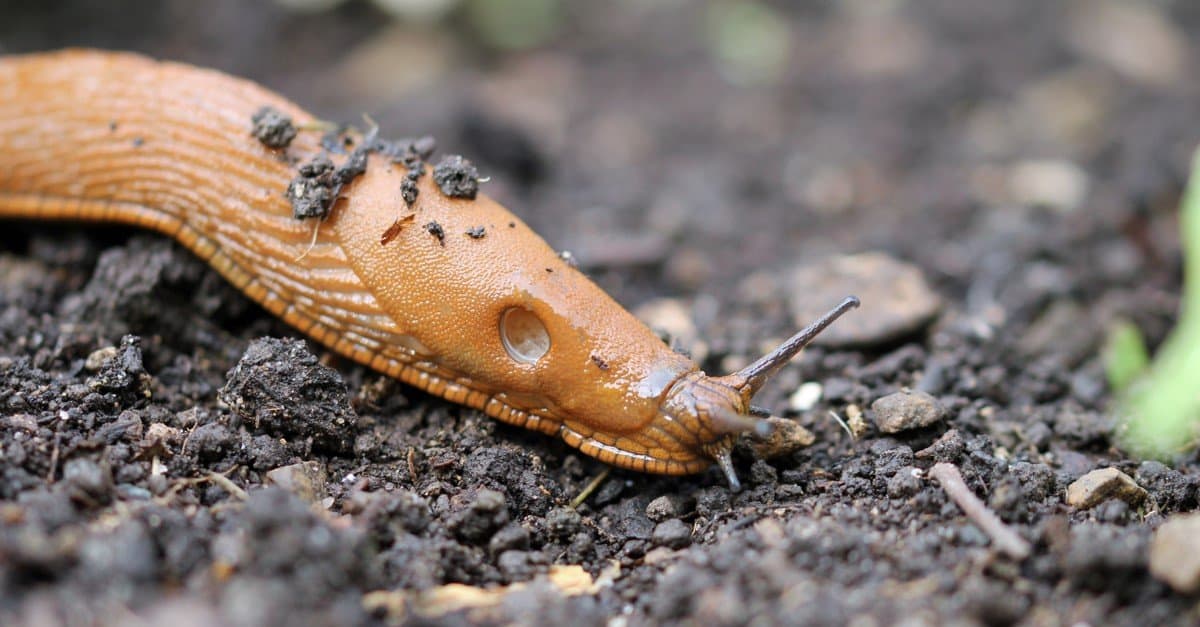
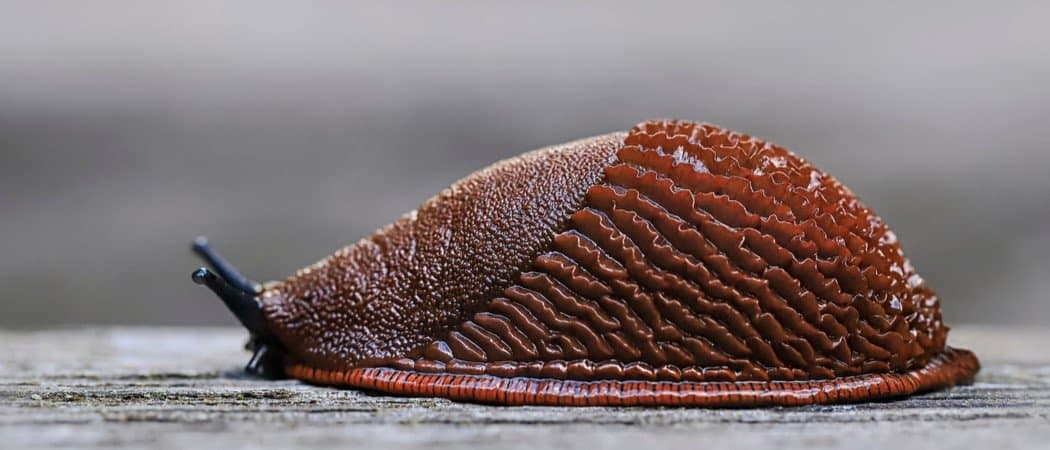
Slugs eat decaying plant matter.
©Art_Pictures/Shutterstock.com
Most gardeners consider slugs to be pests, but they actually are an integral part of their ecosystems. Slugs are like nature’s clean-up crew. While they do chow down on more meaty substances at times, as mentioned previously, slugs typically eat decaying plant matter and fungi. This breaks down this organic detritus and returns nutrients like carbon and nitrogen back into the soil. Without their tiny teeth breaking up all the dead leaves and fallen wood, ecosystems would struggle to cycle nutrients. This, in fact, would affect soil health considerably. Slugs, themselves, are also meals for larger creatures like birds, reptiles, amphibians, and even large insects.
Safety in Numbers
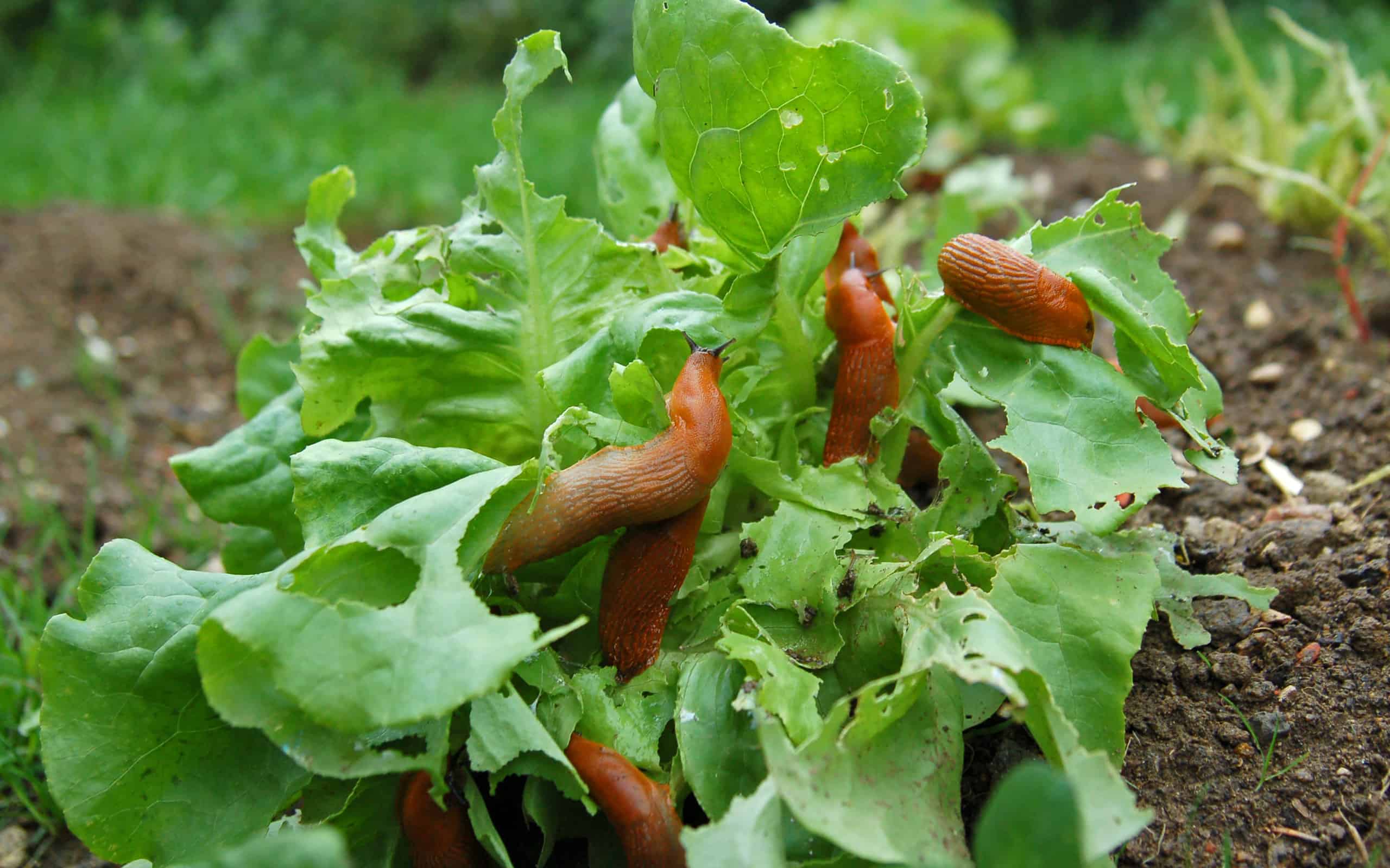
A group of slugs is called a cornucopia.
©Dieter Hawlan/iStock via Getty Images
Slugs seem slight and unassuming, but this modesty has helped them flourish to an incredible degree. Gastropods like slugs and snails are the second largest class of creatures in the animal kingdom, second only to insects. The country of Britain alone is home to around 30 species of slug, a region in which they have been present since the end of the last ice age. This abundance of slugs is referred to by the horn-of-plenty-inspired term: cornucopia. We may think of that term as being more food-related, specifically, harvest food, but scientists felt it was accurate to describe a group of slugs.
Tiny Teeth
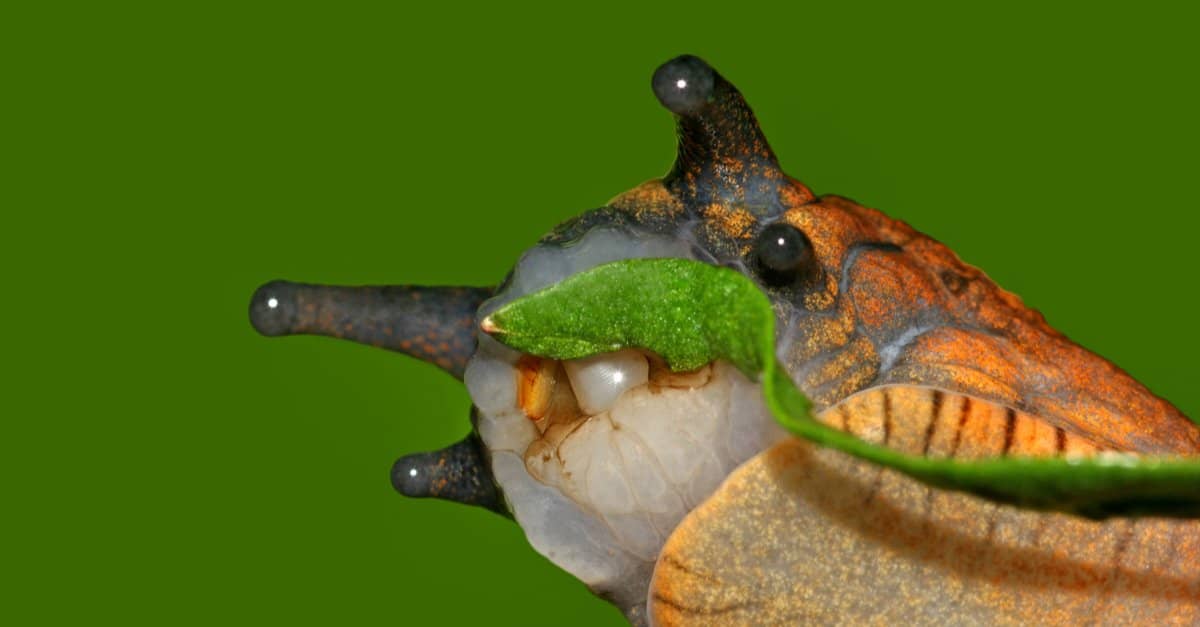
Slug mouths contain approximately 27,000 microscopic teeth attached to a radula.
©Bildagentur Zoonar GmbH/Shutterstock.com
Those sensitive tentacles aren’t the only body part that slugs can routinely replace. Slugs also have a mouthful of teeth, but they are almost imperceptible to the naked eye. Indeed, some slugs have thousands of microscopic teeth—sometimes estimated at up to 27,000—on their radula, far more than the number of teeth found in sharks. Like sharks, however, slugs often lose their teeth only to replace them in no time. All of these teeth sit on a tongue-like organ called a radula. Slugs use their many tiny teeth on their radula to sense and shred food into more manageable pieces. In rare cases, they will use their radulas to defend themselves or fight other slugs over food.