
Quick Take
- A team of Iraqi and American scientists recently discovered a new species of Hemiscorpius scorpion in the mountains of northern Iraq.
- This is the second cytotoxic scorpion species known in the country.
- Stings from cytotoxic scorpions can cause skin necrosis and even death if left untreated.
- The new discovery will help doctors better respond to scorpion stings.
Scientists recently made an intriguing discovery in the Halgurd-Sakran Mountains of northern Iraq. A new species within the Hemiscorpius genus has been found. Aside from being a stunning scientific find, the discovery of the new Hemiscorpius kurdistanus has significant health and safety implications for the region.
Why Is the New Warrior Scorpion Dangerous?
The genus Hemiscorpius is native to the arid and semi-arid climates of the Middle East and parts of Asia. The highest concentration of Hemiscorpius scorpions is found in southern and southwestern Iran and Iraq. Until this new species was discovered, Hemiscorpius lepturus, also called the Gadim scorpion, was the only member of the Hemiscorpius genus believed to exist in Iraq. Other Hemiscorpius species are found in neighboring Iran.
This new species stands out because it adds another type of cytotoxic scorpion to the region. The vast majority of scorpions found around the world are neurotoxic. Their venom targets the nervous system and leads to symptoms like pain, muscle twitching, and even heart palpitations. The stings are also quite painful.
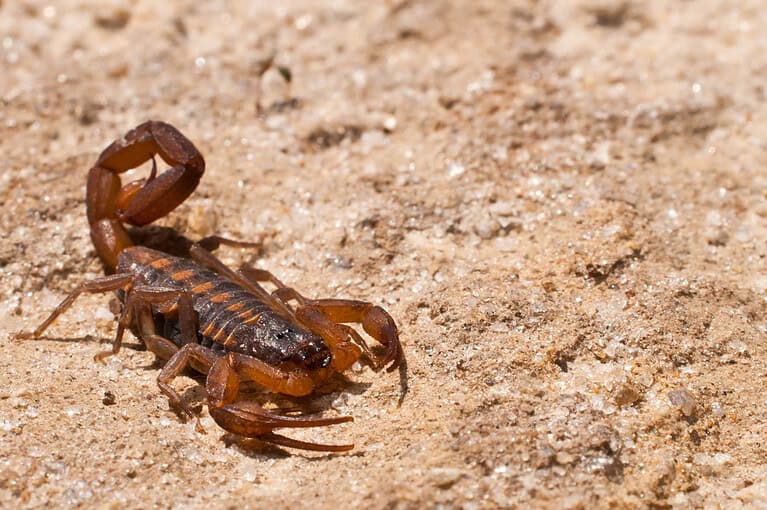
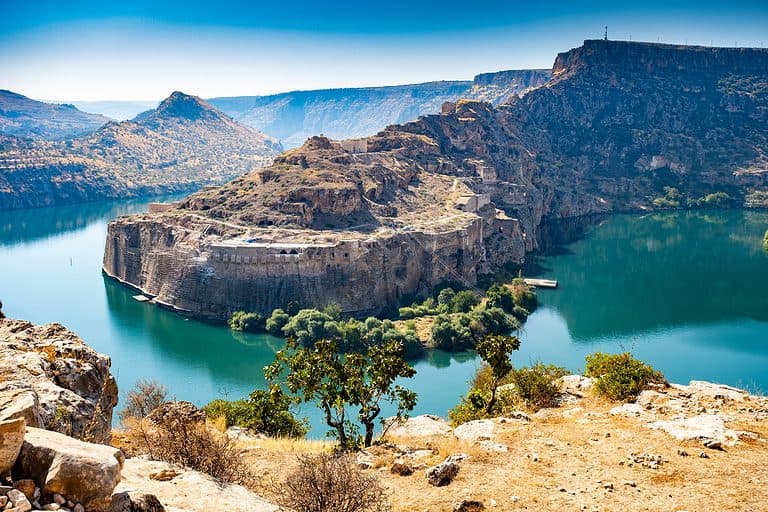
The new scorpion species was discovered in the rugged mountains of Iraq’s Erbil Governorate.
©Marla_Sela/Shutterstock.com
However, the scorpions found in Iraq and Iran have venom that is quite different. Their venom is cytotoxic, which attacks the body’s cells and breaks down membranes and tissue. This can cause swelling, blistering, and necrosis of local tissue. The stings from these cytotoxic scorpions are also relatively painless. Sometimes, a victim doesn’t even realize they’ve been stung at all.
Delays after being stung can cause much more significant complications, since the cytotoxin has plenty of time to get to work undetected. It can be days after a sting before any symptoms are noticed. Delaying treatment for a sting from a cytotoxic scorpion can cause severe skin necrosis, kidney damage, and even death.
Hemiscorpius scorpions like to hide under rocks and stones in the desert-like landscape. They are usually encountered when rocks are disturbed. However, they are also sometimes found in homes near the desert landscape, often in bathrooms where sources of water are available.
Who Discovered the New Warrior Scorpion?
A team of scientists made up of Iraqi and American researchers made the discovery while conducting extensive fieldwork in the Kurdistan Region of northern Iraq in 2024. Their focus was the rugged, arid regions of the Erbil Governorate, in the region bordering Iran.
The team conducted their research at night, armed with specially-equipped ultraviolet (UV) light flashlights. All scorpions fluoresce under UV light. When the light hits a scorpion, the animal glows a bright green color. This allowed scientists to quickly find and collect the scorpions without accidentally disturbing them among the rocks and being stung.
Once collected, the team returned with their specimens to their labs at Salahaddin University (SU) in Erbil, Iraq, and the American Museum of Natural History (AMNH) in New York City. The researchers used detailed physical measurements and comparative analysis to prove that the new scorpion was, in fact, a completely different and undiscovered species.
What’s the Difference Between the Two Types of Hemiscorpius in Iraq?
The study announcing the findings was released in February 2026. It identified four key differences between the two Hemiscorpius species now known to exist in Iraq.
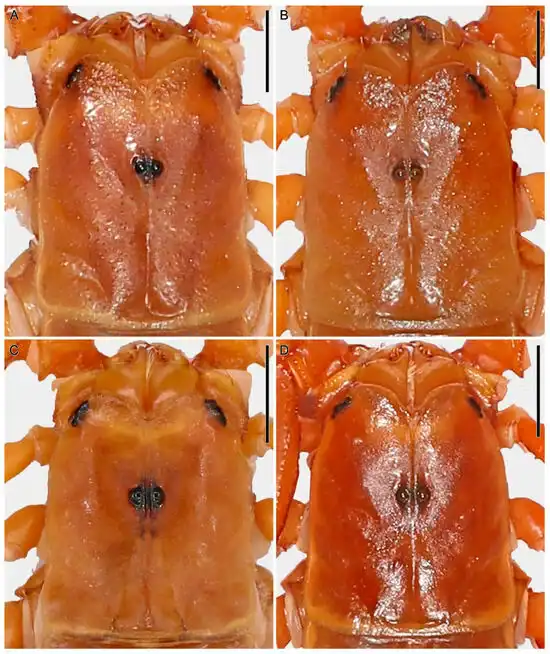
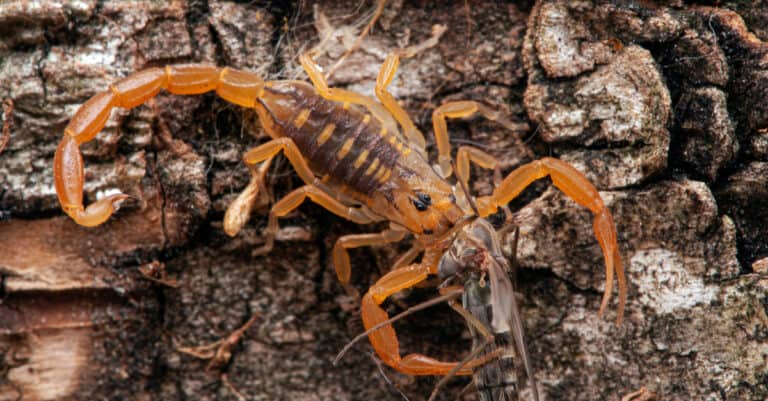
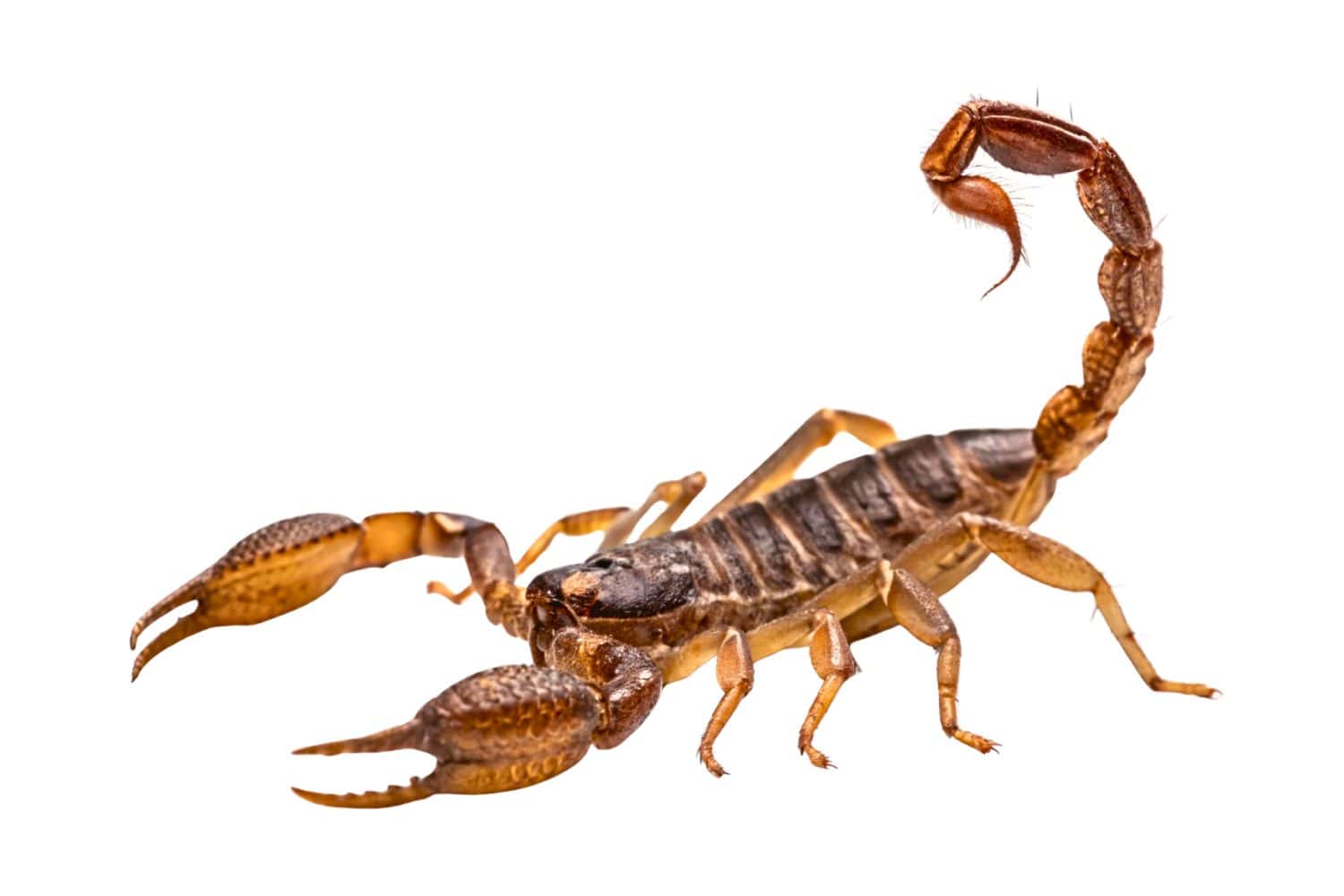
The top images show Hemiscorpius kurdistanus, and the bottom images show Hemiscorpius lepturus.
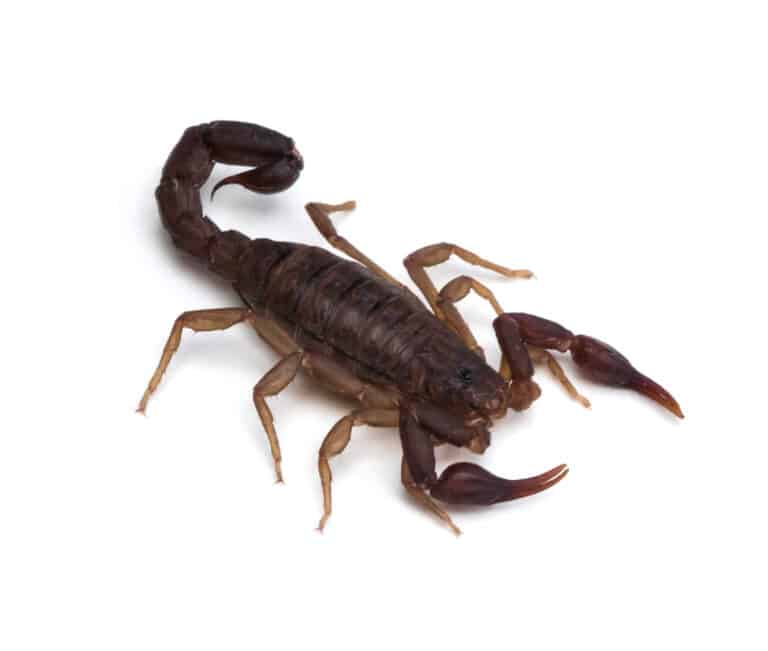
Coloration and Body Size – The new species has a pale yellow to straw-colored body. It is also missing the dark patches usually found on Hemiscorpius lepturus.
Stinger (Telson) – The stinger of the new species is round, whereas the stinger of the lepturus is oval.
Tail (Metasoma) – The new species has a shorter and stockier tail compared to the long, thin tail of the lepturus.
Pincers (Chelae) – The kurdistanus’ pincers are wide and rounded, while those of lepturus are narrow and elongated.
How Did This Scorpion Stay Hidden So Long?
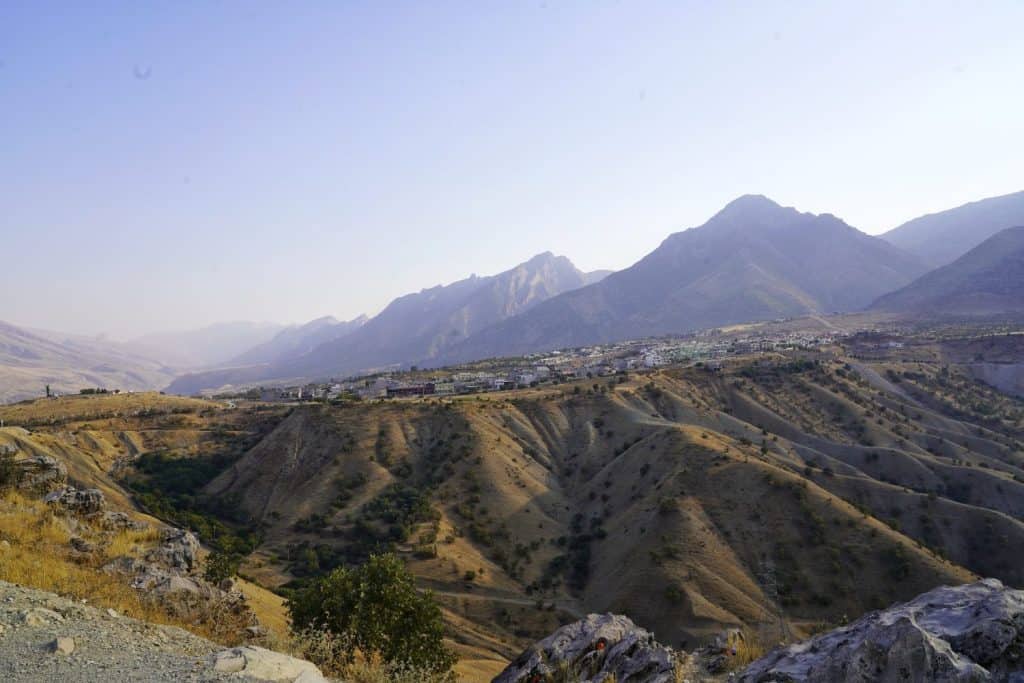
The area where the new scorpion was discovered was the Halgurd-Sakran Mountains within the Bradost Region of northern Iraq. It boasts some of the highest elevations and most unspoiled wild areas in Kurdistan. This is an area also known to the scientific community as having one of the highest counts of endemic species–those found nowhere else in the world.
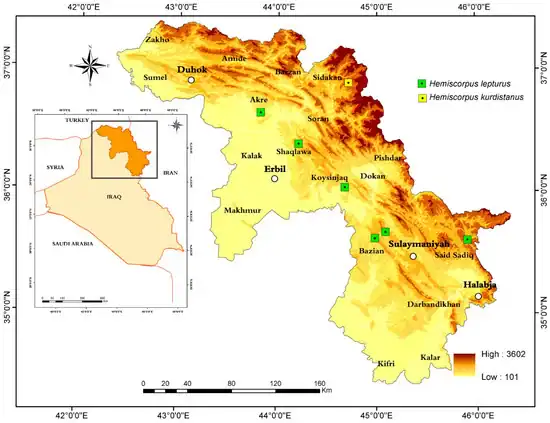
The new species was discovered in northeastern Iraq.
The remote and isolated nature of the mountains, combined with their extremely rugged terrain form a natural barrier, making species migration difficult.
Health and Safety Implications of the New Scorpion Species
For local doctors, this discovery is welcome news. Given the potentially lethal effects of the Hemiscorpius sting, having a second species to study doubles the available research and testing opportunities. Medical researchers have more data to develop better and more effective strategies to treat stings from these scorpions.
The discovery also has a public awareness component. The area is remote, with many people living in far-flung locations across the scorpions’ habitat. A lack of knowledge about the severity of scorpion stings is one cause of potentially devastating outcomes for victims. The discovery of a second species highlights the need for government support of public outreach efforts to protect local residents.