
Quick Take
- Scientists uncovered over 70 newly discovered species, including mammals, dinosaurs, insects, fish, and more—some discovered during fieldwork, others hidden in museum collections.
- Decades-old samples revealed species unknown to science.
- New species were found around the globe.
- Researchers say the discoveries underscore both Earth’s richness of life and the value of preserving natural history collections.
Scientists at the American Museum of Natural History investigated old specimens that had been at the museum for decades and discovered they were housing species unknown to science. Between recent field expeditions and specimens sitting in the museum’s collection, researchers identified more than 70 new species in 2025. The new species spanned a wide range, including mammals, fish, reptiles, arachnids, insects, marine invertebrates, one mineral, and even dinosaur fossils.
Cheryl Hayashi, Senior Vice President and Provost of Science at the museum, stated in a press release, “Together, these discoveries highlight the remarkable richness of Earth’s biodiversity and underscore the enduring value of natural history collections. Specimens preserved across generations continue to reveal new insights, reminding us how much there is still to learn about life on our planet.”
Out of the over 70 new species, we’ve chosen 10 fascinating ones to shine a light on. From fruit flies to feathered dinosaurs, check out the following newly discovered species.
1. Mouse Opossum (Marmosa chachapoya)
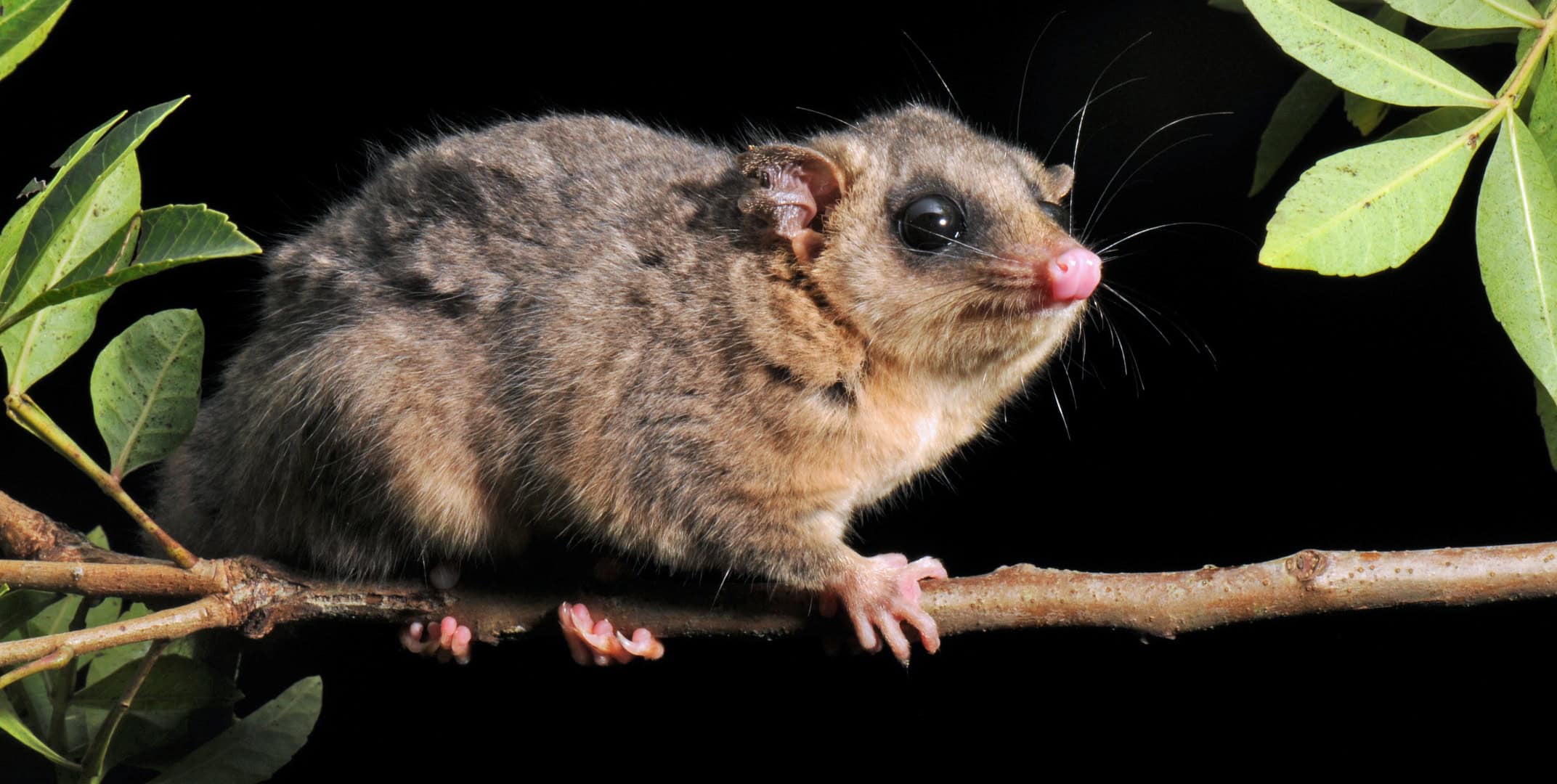
The small and arboreal marsupial known as Marmosa paraguayana is similar in appearance to the newly discovered Marmosa chachapoya, although M. paraguayana has a shorter nose and tail.
©Renato Augusto Martins derivative work: WolfmanSF, CC BY-SA 4.0, via Wikimedia Commons – Original / License
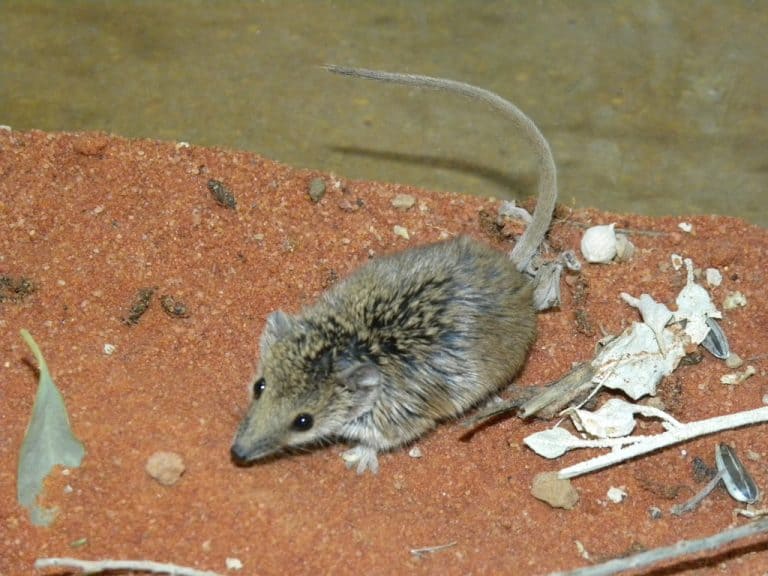
Scientists published a paper in June 2025 announcing the discovery of a new species in the marsupial genus, Marmosa. Scientists found the mouse opossum (Marmosa chachapoya) in the Andes Mountains in Peru. It is a small marsupial, only about 10 inches long. However, most of its length is made up of its tail, which measures about 6 inches long. Further, the mouse opossum has mask-like markings on its face and reddish-brown fur. The research team explained they were only able to collect one single specimen, and there is still much they don’t know about the new species.
2. Jurassic Lizard (Breugnathair elgolensis)
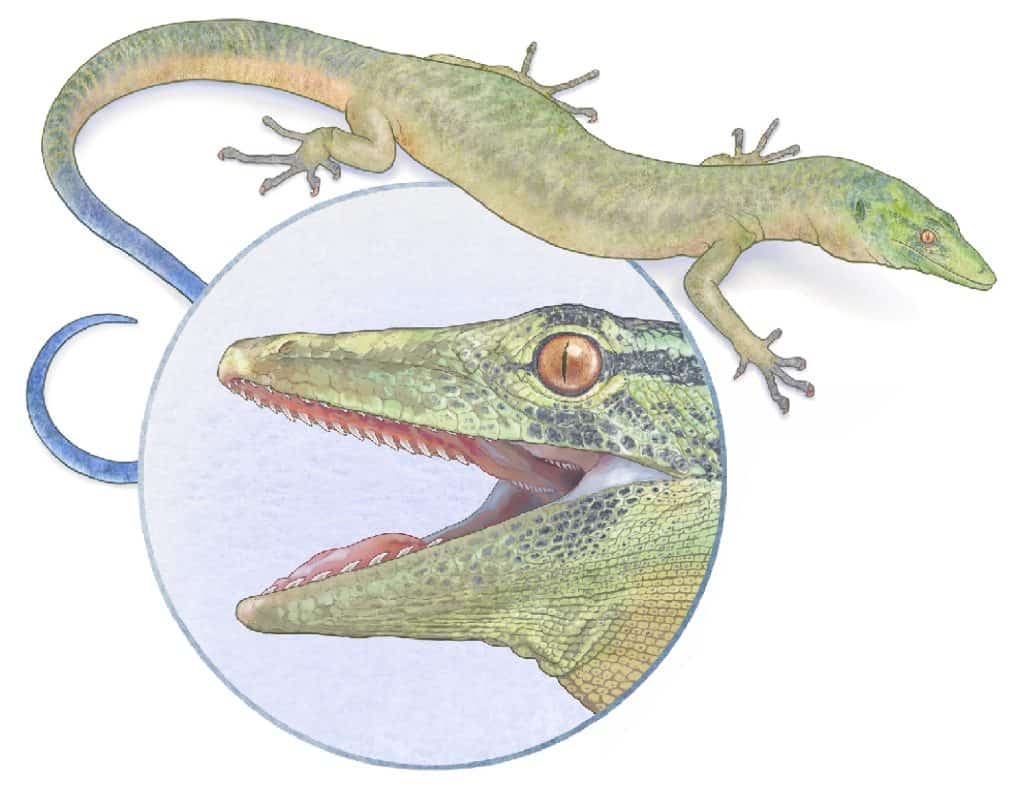
Breagnathair elgolensis is helping scientists to understand the evolution of snakes and lizards.
©Mick Ellison in R. B. J. Benson, S. A. Walsh, E. F. Griffiths, Z. T. Kulik, J. Botha, V. Fernandez, J. J. Head & S. E. Evans, CC BY 4.0, via Wikimedia Commons – Original / License
After years of study, a team of researchers announced in a paper in October 2025 the discovery of a species of Jurassic reptile with python-like hooked teeth. Breugnathair elgolensis looks somewhat like a modern-day gecko and lived 167 million years ago. Found in Scotland, scientists say that the species has links to the origins of both lizards and snakes. The newly discovered species was about 16 inches long from head to tail and probably ate a diet of small mammals, other small lizards, and young dinosaurs.
Lead author of the study, Roger Benson, said in a press release, “Snakes are remarkable animals that evolved long, limbless bodies from lizard-like ancestors. Breugnathair has snake-like features of the teeth and jaws, but in other ways, it is surprisingly primitive. This might be telling us that snake ancestors were very different [from] what we expected, or it could instead be evidence that snake-like predatory habits evolved separately in a primitive, extinct group.”
3. Feathered Dinosaurs (Sinosauropteryx lingyuanensis and Huadanosaurus sinensis)
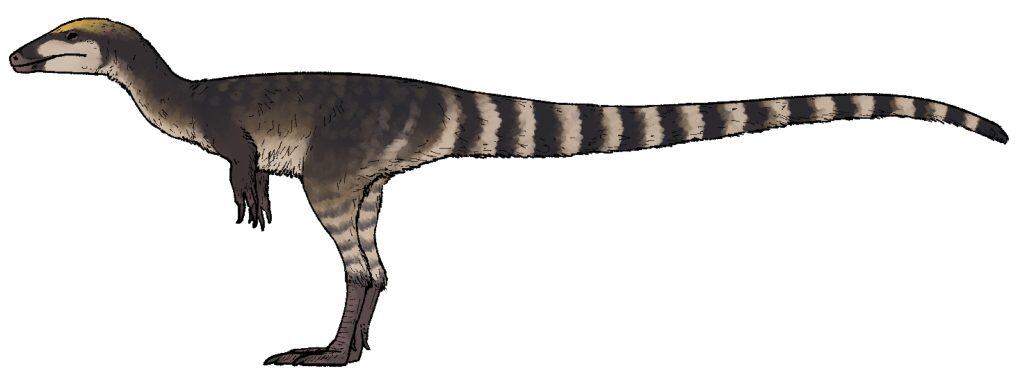
Sinosauropteryx lingyuanensis had a body length of 3.9 feet, making it the largest known of its genus.
©Ddinodan, CC BY 4.0, via Wikimedia Commons – Original / License
In May 2025, scientists identified two new dinosaur species in a paper published in the National Science Review. The dinosaurs were from the group of the earliest known feathered dinosaurs. Scientists discovered both new specimens in China about 20 years ago. Sinosauropteryx lingyuanensis and Huadanosaurus sinensis lived about 125 million years ago. Interestingly, H. sinensis was found with its last meal still in its belly. The skeletons of two mammals were found in its abdomen.
4. Scorpion (Hemiscorpius jiroftensis)
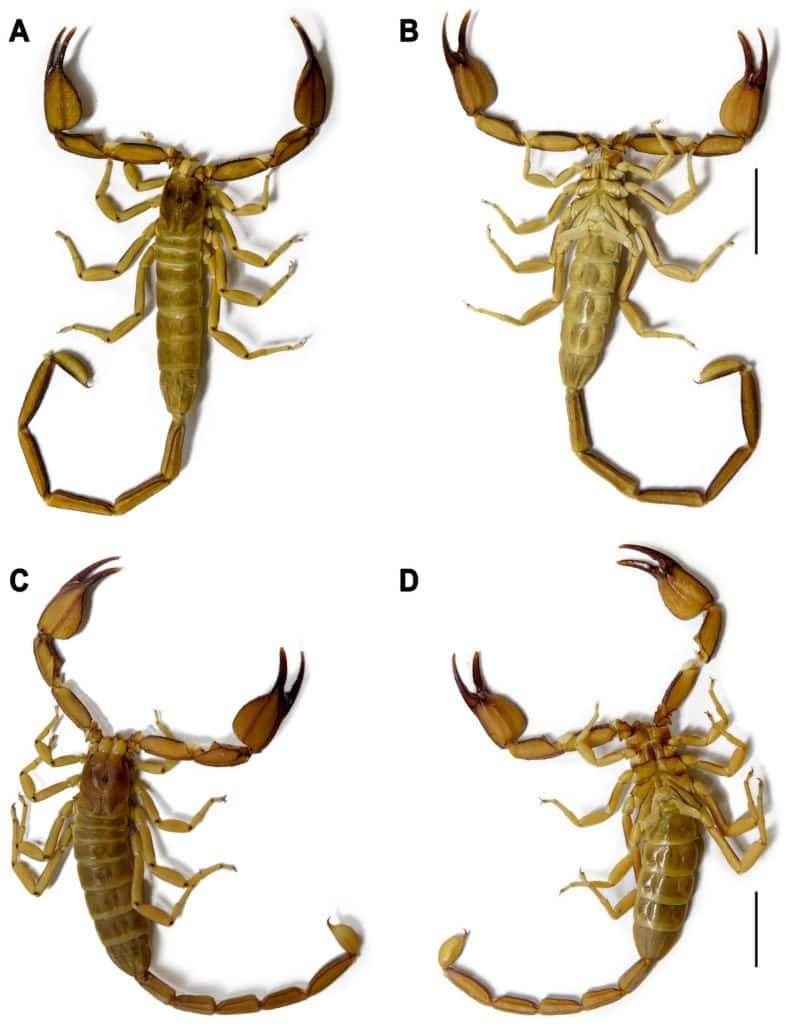
Hemiscorpius jiroftensis is a new species of venomous scorpion recently discovered in Iran.
©Saman et al. (2025), CC BY 4.0, via Wikimedia Commons – Original / License
Four arachnids are on the list of new species, including a venomous scorpion found in the mountainous region of Iran. The discovery of Hemiscorpius jiroftensis was announced in a paper in April 2025, although the specimens were collected in 2023 and 2024. Females of the species can grow up to 2.7 inches long, while males are a little larger at 3.2 inches. Scientists used ultraviolet lights to spot the glowing scorpions as they searched the mountains at night. Like all scorpions, H. jiroftensis glows a vibrant color under ultraviolet lights.
5. Digger Bee (Anthophora brunneipecten)
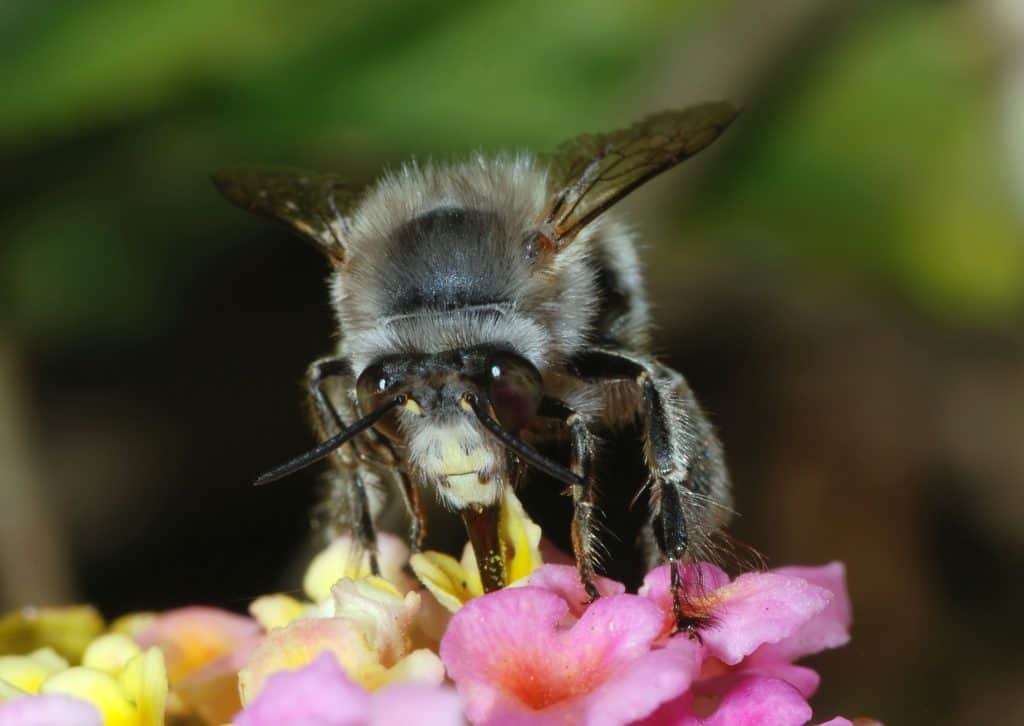
The digger bee, Anthophora plumipes, is in the same genus as the newly discovered Anthophora brunneipecten.
©Alvesgaspar, CC BY-SA 3.0, via Wikimedia Commons – Original / License
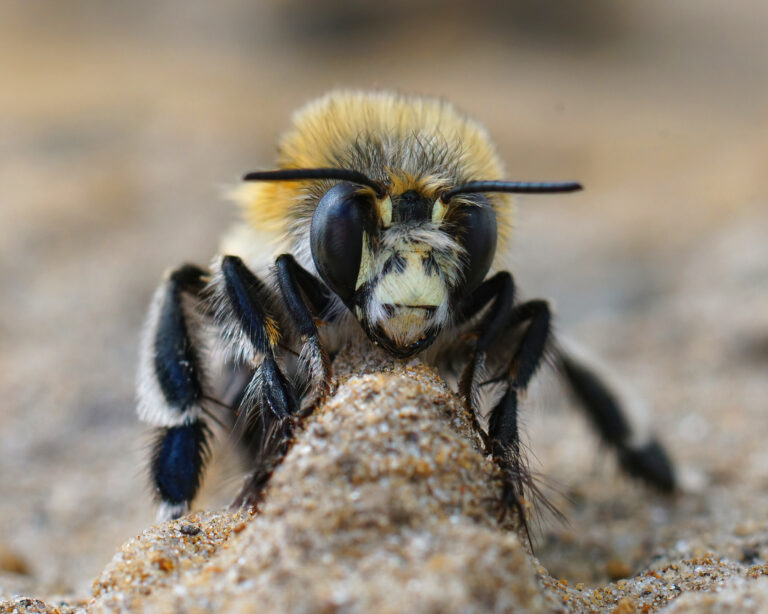
One of the many notable insects discovered this year was a digger bee from Chile. Anthophora brunneipecten has a tiny specialized comb on its face for collecting pollen. However, A. brunneipecten wasn’t the only new species of bee discovered this year. Other newly discovered bee species include a cuckoo bee (Xiphodioxys haladai) with spines on its back, found in northern Oman, and a fuzzy “teddy bear” bee species (Habropoda pierwolae) from Vietnam.
6. Suckermouth Catfishes (Chiloglanis kinsuka and Chiloglanis wagenia)
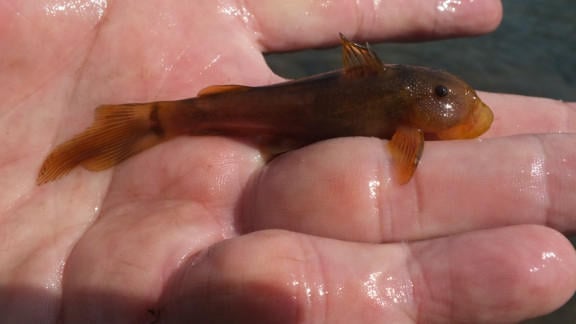
The Chiloglanis anoterus is in the same genus as the two newly discovered African suckermouth catfishes.
©no rights reserved, CC0, via Wikimedia Commons – Original
Researchers announced two newly found species of suckermouth catfishes (Chiloglanis kinsuka and Chiloglanis wagenia) in a paper published in September 2025. The two fish were discovered about 1,000 miles apart in the rapids of the Congo River. Although they were very far apart from each other, they are closely related. Both fish showed an unusually large number of teeth arranged in a straight line along their lower jaw. They also both have finger-like structures inside their mouths, which scientists believe help them feed in the fast-moving water, and which they also use to cling to rocks in the rapids.
7. Sea Anemone (Endolobactis simoesii)
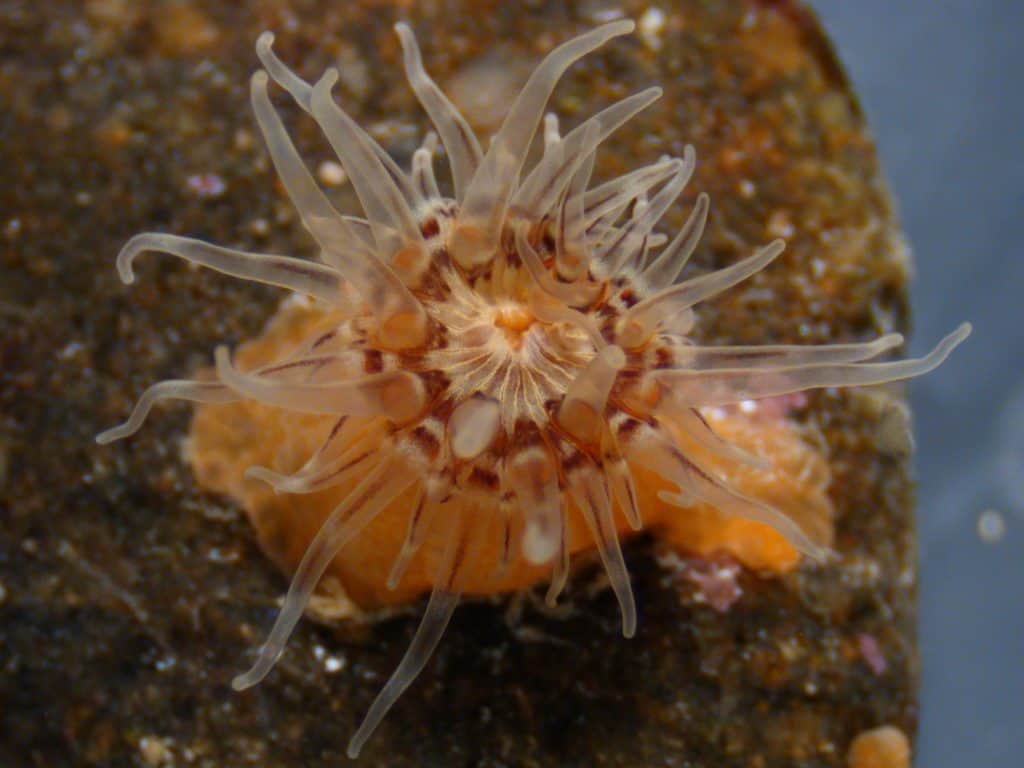
Sagartiogeton laceratus is similar in appearance to the new Endolobactis simoesii, but it is in a different genus.
©Mike Noren, CC BY-SA 3.0, via Wikimedia Commons – Original / License
Also discovered this year is a completely new kind of sea anemone. It’s so different from other sea anemones that it required a new genus be named. Scientists found Endolobactis simoesii in the Yucatán Peninsula in Mexico. This unique anemone has frond-like flaps around the edge of its body. Its discovery brings the number of known sea anemone species along the Mexican Atlantic coast to 24.
8. Biting Fruit Flies (Psilodorha mandibula and Psilodorha forceps)
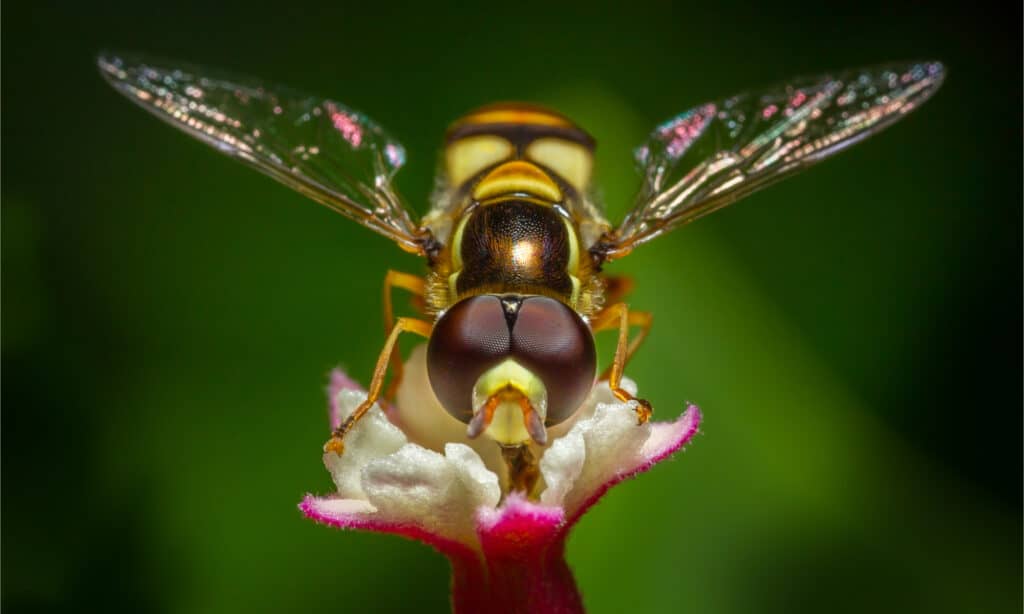
This common fruit fly in the family Drosophila is related to the newly discovered fruit flies from the Philippines.
©kajornyot wildlife photography/Shutterstock.com
While studying specimens collected nearly 100 years ago in the Philippines, scientists realized they had discovered two new species of fruit flies. Psilodorha mandibula and Psilodorha forceps are unique among fruit flies in that the males have developed hard mandible (jaw-like) structures on their mouths. Researchers believe their mandibles are used by males during mating to grasp the female.
9. Squirrel-Sized Jurassic Mammal (Camurocondylus lufengensis)
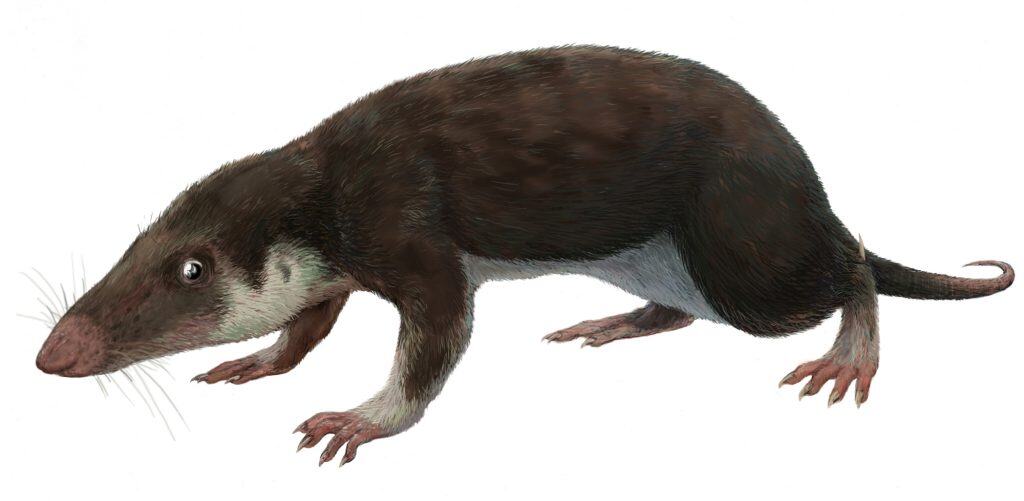
Morganucodon, as seen here, is closely related to the newly discovered Camurocondylus lufengensis.
©https://commons.wikimedia.org/wiki/File:Morganucodon.jpg – Original
While investigating fossils in the current museum collection, scientists at the Museum and the Chinese Academy of Sciences discovered an entirely new species of mammal. Camurocondylus lufengensis was a squirrel-sized mammal that lived about 174 to 201 million years ago. Scientists say this fossil is providing insight into our understanding of the evolution of modern mammal jaws. Jin Meng, an author on the study, said in a press release, “The evolution of the mammalian jaw joint is one of the most intriguing and incomplete chapters in vertebrate history, with key transitions obscured by gaps in the fossil record.”
10. Pollen Wasp (Metaparagia cuttacutta)
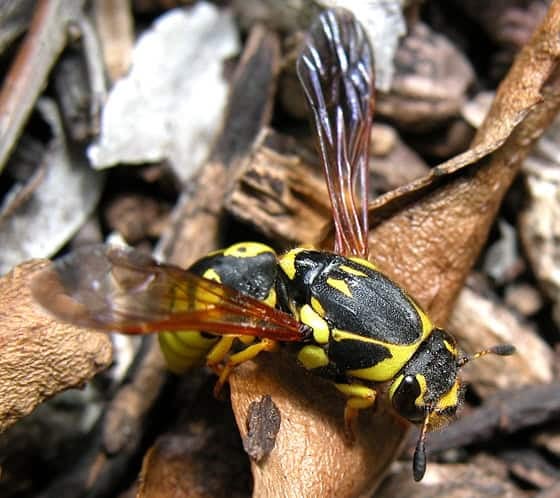
Pollen wasps feed their young a diet of pollen and nectar, similar to bees.
©Hartmut Wisch, CC BY 2.5, via Wikimedia Commons – Original / License
A new species of pollen wasp was discovered by a scientist who was stranded in Australia during the COVID-19 pandemic in 2020. In May 2025, Metaparagia cuttacutta was described in a paper published in the Australian Entomologist. Pollen wasps collect pollen and nectar to feed their young, a behavior similar to that of bees rather than other wasps.