
Quick Take
- North Carolina has no officially “snake-infested” lakes, but several native species commonly live in and around freshwater wetlands.
- Most snakes found near lakes — including common watersnakes, rat snakes, and garter snakes — are non-venomous and avoid people.
- Venomous cottonmouths are limited mainly to the Coastal Plain and are defensive, not aggressive.
North Carolina doesn’t have any officially “snake-infested” lakes. But if you spend time around freshwater wetlands, rivers, and lakes — especially in the eastern part of the state — you’re very likely to encounter snakes.
That’s not a bad thing.
Snakes are an essential part of North Carolina’s ecosystems. They help control rodent populations, keep aquatic food webs balanced, and serve as prey for birds and mammals. Most species you’ll see near lakes are non-venomous and avoid people whenever possible.
Here’s a closer look at the most common lake-dwelling snakes in North Carolina — and where you’re most likely to see them.
Water Snakes Found in North Carolina Lakes
Common Watersnake
Species: Nerodia sipedon
The common watersnake is one of the most frequently encountered snakes around North Carolina’s lakes, ponds, marshes, and slow-moving rivers.
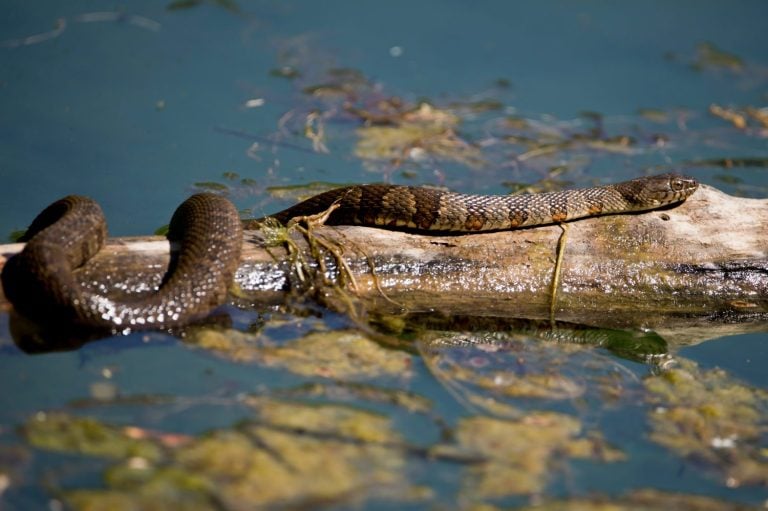
These non-venomous snakes typically grow between 2 and 4 feet long. Their coloration varies widely — from brown to gray with darker crossbands — which often leads to misidentification. Because of their heavy bodies and dark patterns, they’re commonly mistaken for cottonmouths.
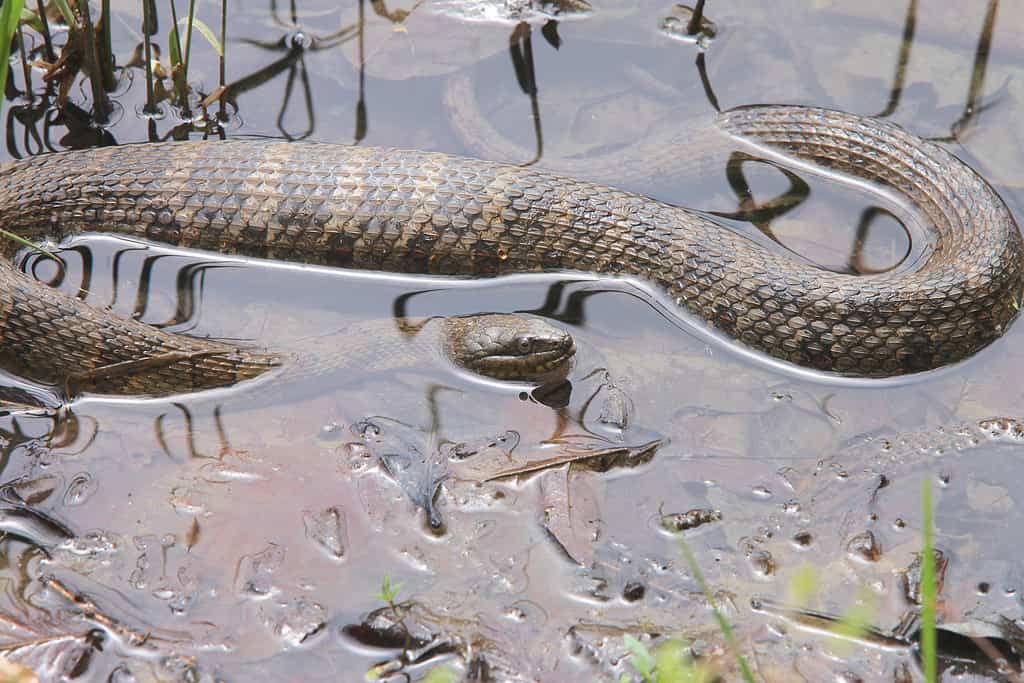
A common water snake, also known as Nerodia sipedon.
©iStock.com/NajaShots
Common watersnakes are excellent swimmers and are often seen basking on logs or rocks near the water’s edge. Their diet consists primarily of fish and amphibians, which they capture and swallow whole.
Although they may flatten their bodies or strike defensively if handled, they are not venomous and pose no serious threat to humans.
Water Moccasin (Eastern Cottonmouth)
Species: Agkistrodon piscivorus
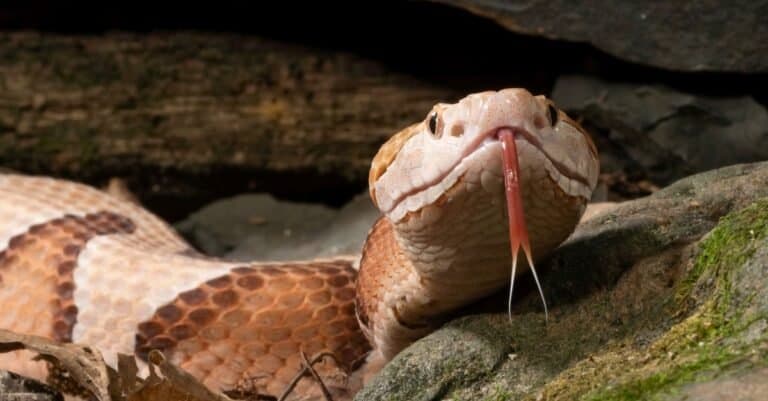
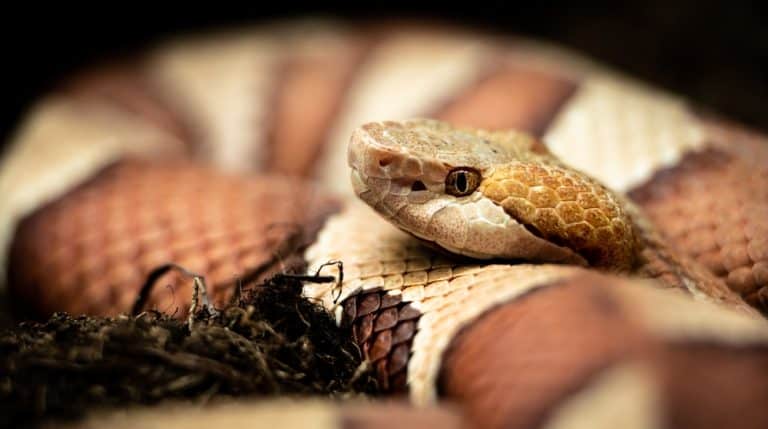
The Eastern cottonmouth — often called a water moccasin — is North Carolina’s only venomous water-associated snake.
However, its range is limited primarily to the Coastal Plain of eastern North Carolina. It does not occur across the entire state and is absent from most of the western Piedmont and mountain regions.
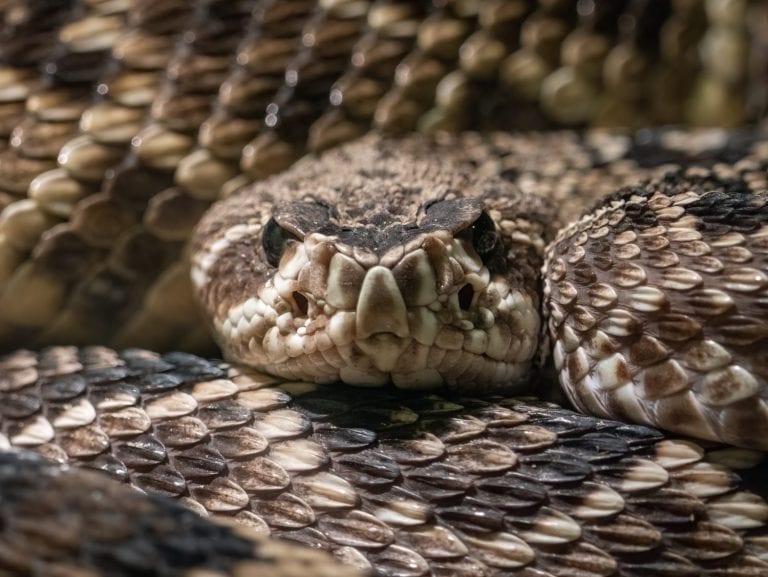
Adult cottonmouths typically measure 2 to 4 feet long. They have thick bodies and dark coloration with faint crossbands. When threatened, they may open their mouths to reveal a bright white interior — the behavior that gave them the name “cottonmouth.”
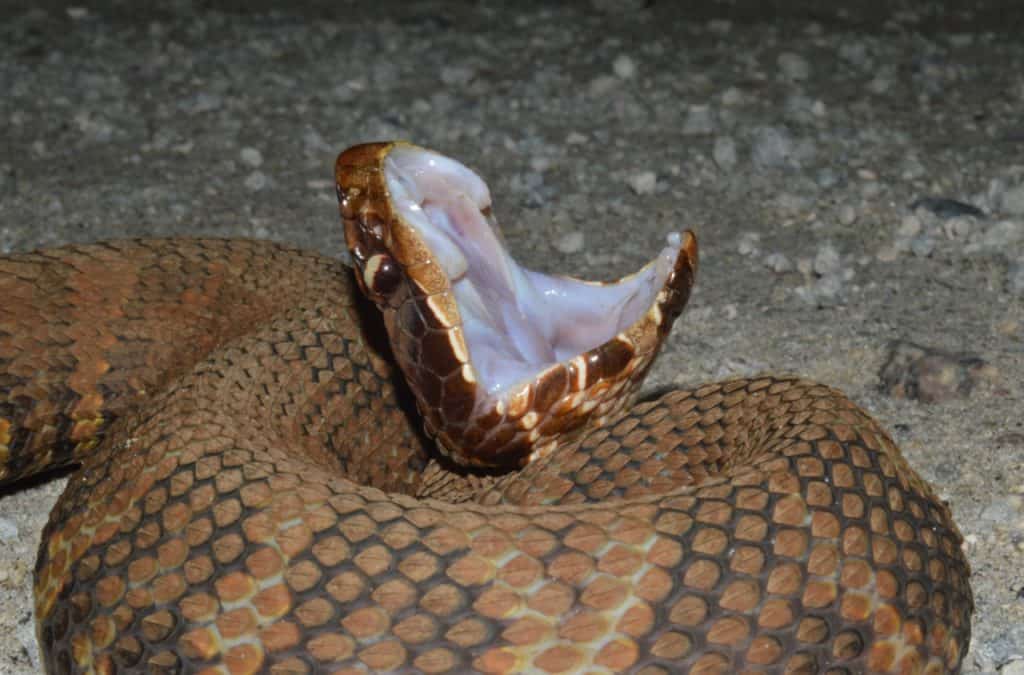
The Eastern cottonmouth — often called a water moccasin — is North Carolina’s only venomous water-associated snake.
©Thomas Reed
Cottonmouth venom is primarily hemotoxic and can cause significant tissue damage. That said, these snakes are not aggressive and usually flee if given space. Defensive displays — coiling, vibrating their tail, and opening their mouth — are meant to deter threats, not pursue them.
Encounters are uncommon and almost always avoidable by keeping a respectful distance.
Eastern Rat Snake
Species: Pantherophis alleghaniensis
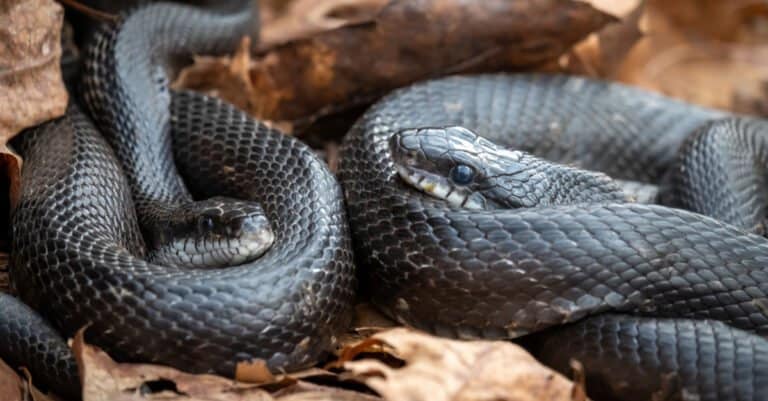
Eastern rat snakes — sometimes called black rat snakes — are widespread across North Carolina, including areas near lakes and rivers.
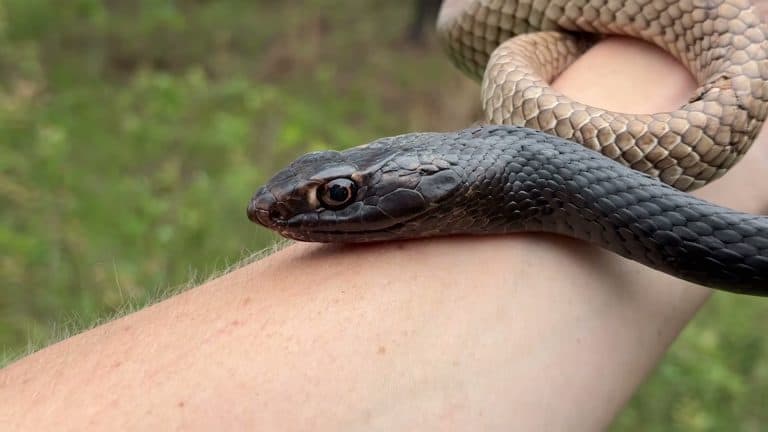
These non-venomous snakes can grow up to 6 feet long. Adults are glossy black with light throats, while juveniles display blotched patterns that fade with age.
They are skilled climbers and swimmers and frequently hunt near water sources where rodents and bird nests are plentiful. Their primary diet consists of rodents, birds, and eggs.
Though large and sometimes intimidating in appearance, eastern rat snakes are harmless to humans. When threatened, they may flatten their heads or vibrate their tails to mimic venomous species.
Eastern Garter Snake
Species: Thamnophis sirtalis
The Eastern garter snake is one of the most adaptable and common snakes in North Carolina.
Typically growing 2 to 4 feet long, these slender snakes are easily recognized by their three longitudinal stripes running down the body. Colors vary widely, including yellow, green, orange, and brown.
They are active during the day and feed on insects, earthworms, amphibians, and occasionally small fish. Garter snakes possess mild venom used to subdue small prey, but it is not medically significant to humans.
They are frequently found near lakes, marshes, and ponds and usually flee when approached.
Rainbow Snake
Species: Farancia erytrogramma
The rainbow snake is one of North Carolina’s most beautiful — and most elusive — aquatic snakes.
Restricted to the coastal plain, this non-venomous species prefers swamps, marshes, and slow-moving blackwater streams.
Adults can reach 3 to 4 feet long and have glossy black bodies with vivid red or orange stripes along the sides. Their coloration is striking but rarely seen, as they are highly secretive.
Unlike many other water snakes, rainbow snakes are dietary specialists. They feed primarily on American eels and are strongly tied to healthy aquatic ecosystems.
In North Carolina, they are listed as a Species of Special Concern due to habitat loss and rarity.
North Carolina Lakes Where Snakes Are Commonly Seen
While no lake is officially “snake-infested,” the following areas offer ideal wetland habitats for multiple species.
Lake Mattamuskeet (Eastern NC)
Located in eastern North Carolina, Lake Mattamuskeet is the state’s largest natural lake and part of a vast wetland ecosystem.
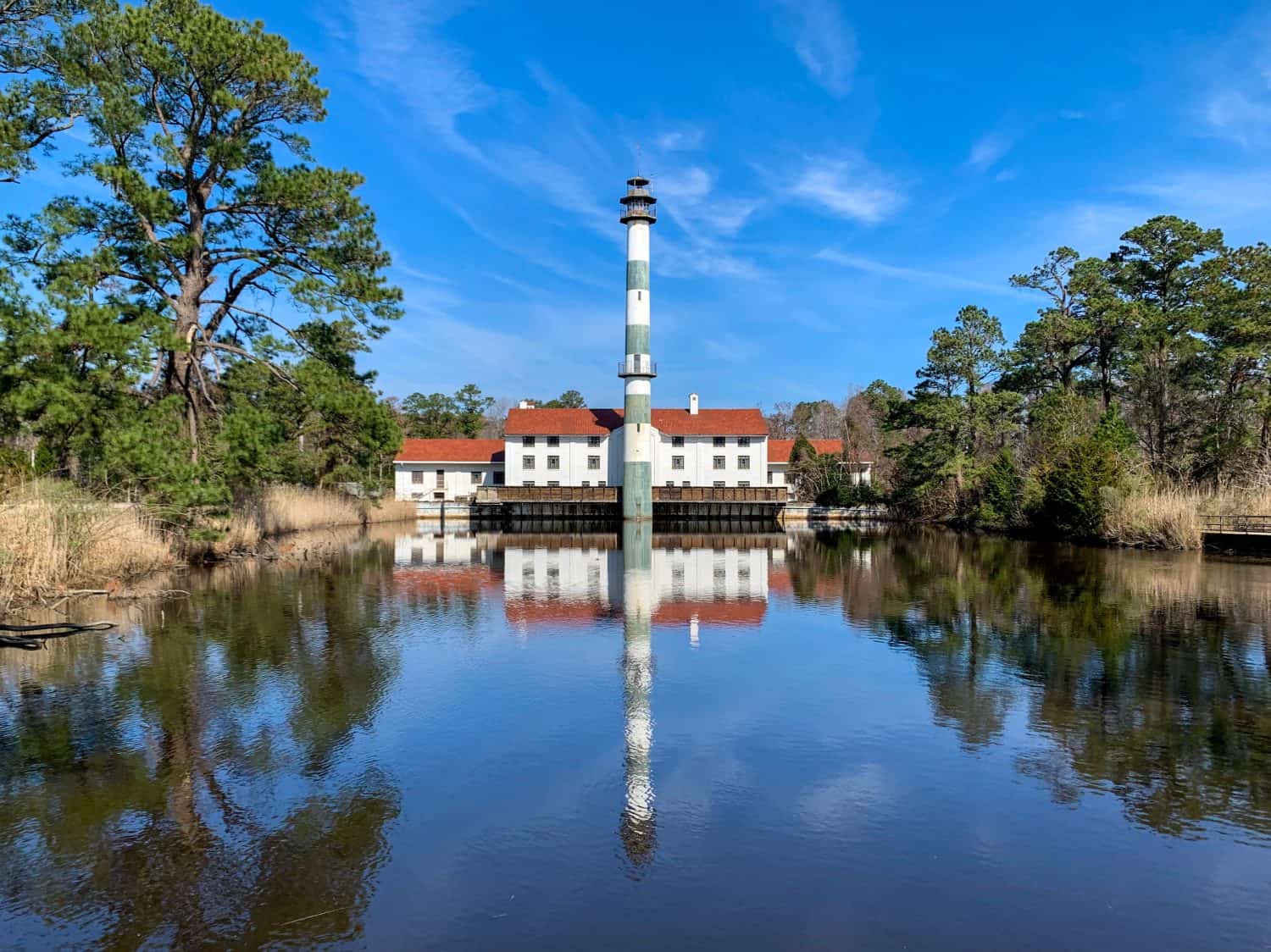
Lake Mattamuskeet
©Ryan McGurl/Shutterstock.com
Snakes commonly found in the surrounding marshes include:
- Common watersnakes
- Brown watersnakes
- Eastern garter snakes
- Eastern rat snakes
- Cottonmouths (in suitable habitat)
The extensive wetlands provide excellent habitat for aquatic and semi-aquatic snakes.
Scuppernong Lake (Pocosin Lakes National Wildlife Refuge)
Scuppernong Lake lies within the Pocosin Lakes National Wildlife Refuge in northeastern North Carolina.
Its swampy, low-lying wetlands support:
- Common watersnakes
- Eastern garter snakes
- Eastern rat snakes
- Cottonmouths (Coastal Plain only)
The refuge’s protected habitat makes wildlife sightings — including snakes — more likely.
Lake Waccamaw (Southeastern NC)
Lake Waccamaw is a biologically unique Carolina bay lake in southeastern North Carolina.
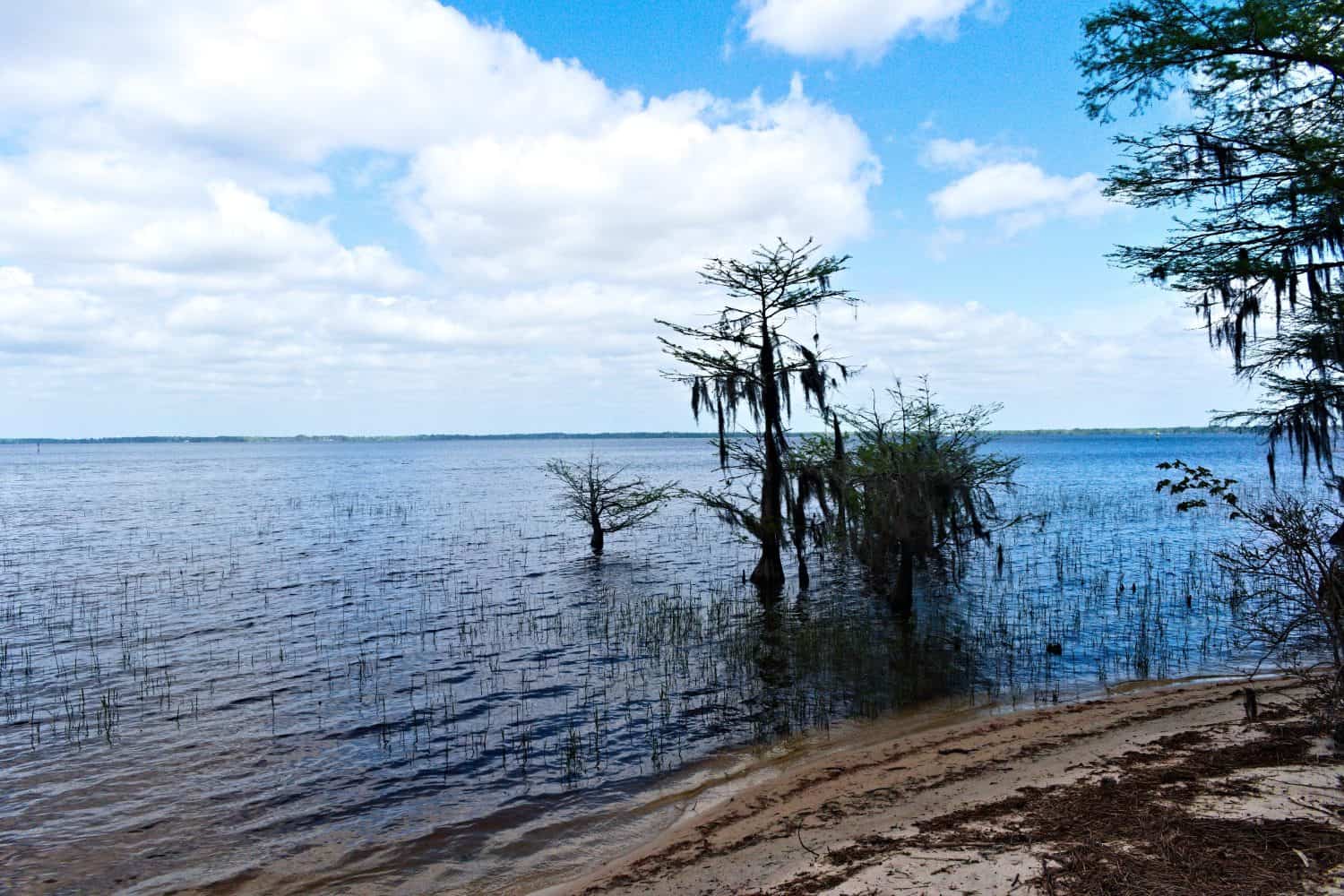
Lake Waccamaw
©Joseph D Washburn/Shutterstock.com
The surrounding wetlands provide habitat for:
- Common watersnakes
- Eastern rat snakes
- Eastern garter snakes
- Cottonmouths
- Rainbow snakes (rare, Coastal Plain)
Its protected ecosystems make it one of the best places in the state to observe aquatic wildlife responsibly.
The Bottom Line
North Carolina does not have lakes overrun by snakes — but it does have healthy wetland ecosystems where snakes naturally thrive.
Most species near lakes are non-venomous, and even venomous cottonmouths prefer to avoid confrontation. Encounters are rare and typically happen when people step too close or surprise a basking snake.
If you’re exploring North Carolina’s lakes:
- Watch where you step along shorelines.
- Give any snake plenty of space.
- Never attempt to handle wildlife.
Snakes aren’t invaders; they’re indicators of a functioning ecosystem. And their presence means North Carolina’s lakes are doing exactly what healthy wetlands are supposed to do.
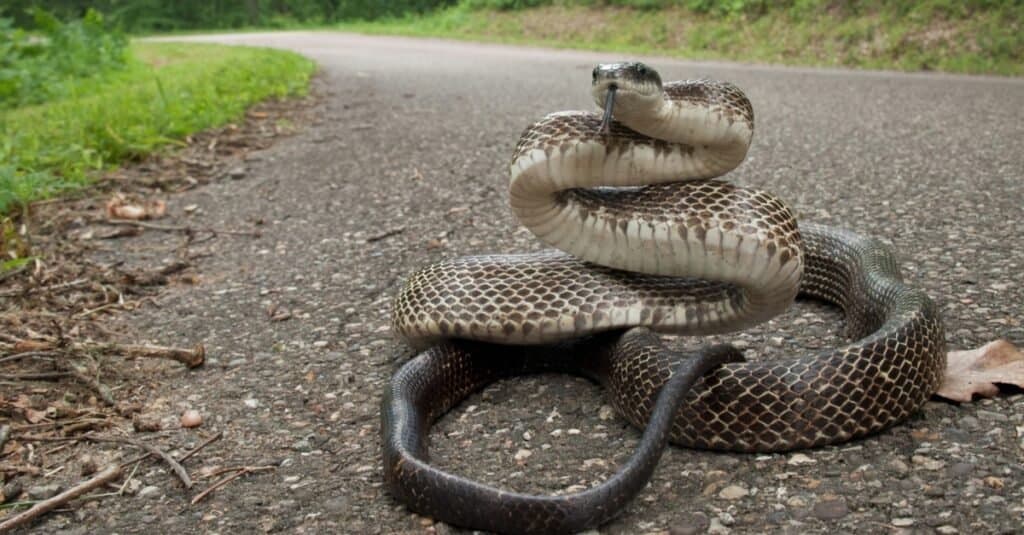
Eastern rat snakes (pictured) can get pretty large, but they are usually harmless to humans.
©Mike Wilhelm/Shutterstock.com
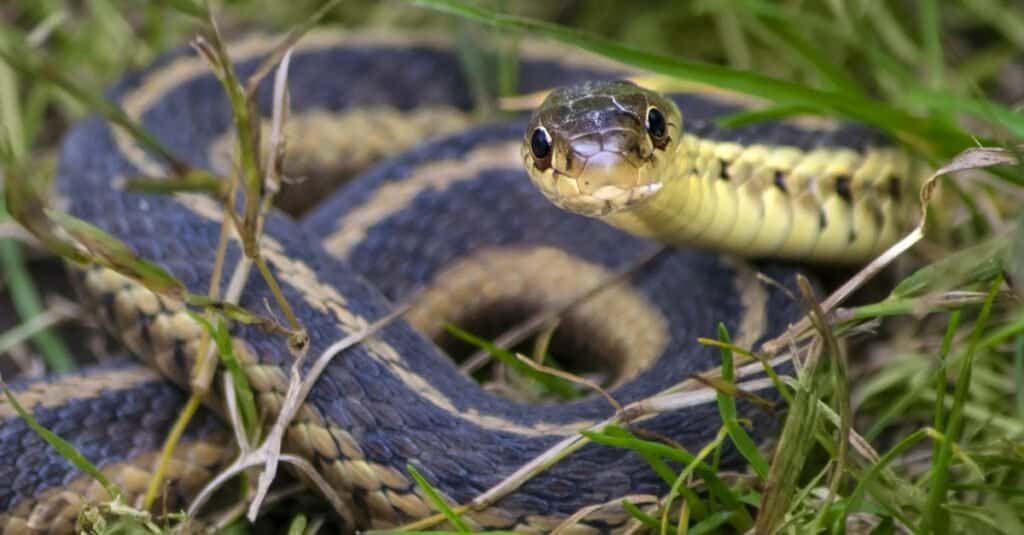
Garter snakes are harmless to people, but have mildly venomous saliva.
©K Quinn Ferris/Shutterstock.com
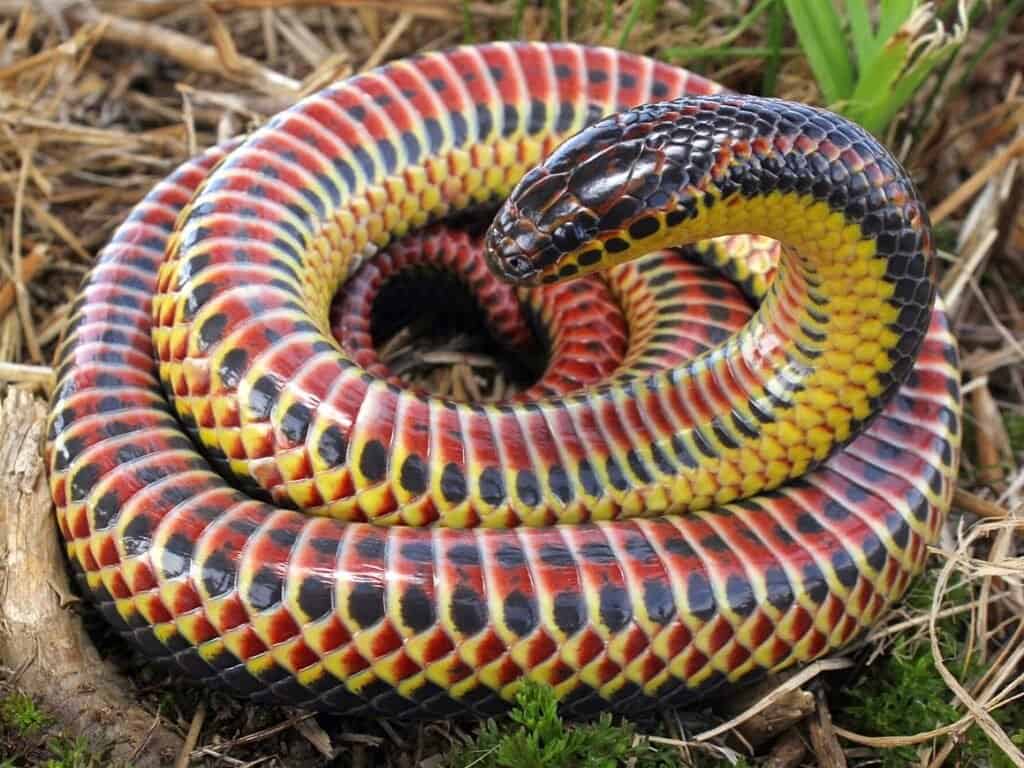
Rainbow snakes prefer wetlands settings like the coastal lowlands of North Carolina.

Lake Mattamuskeet, the area is home to a number of different snake species like the water moccasin.
©iStock.com/Rod Vamosi
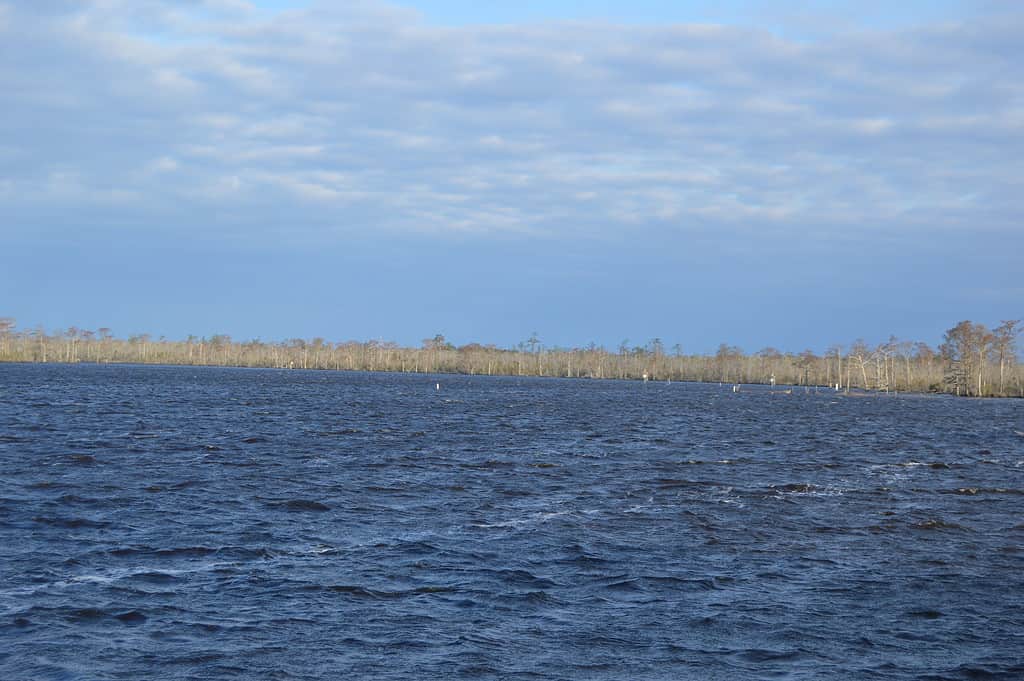
Scuppernog Lake is part of the Pocosin Lakes National Wildlife Refuge.
©Nyttend, Public domain, via Wikimedia Commons – Original / License
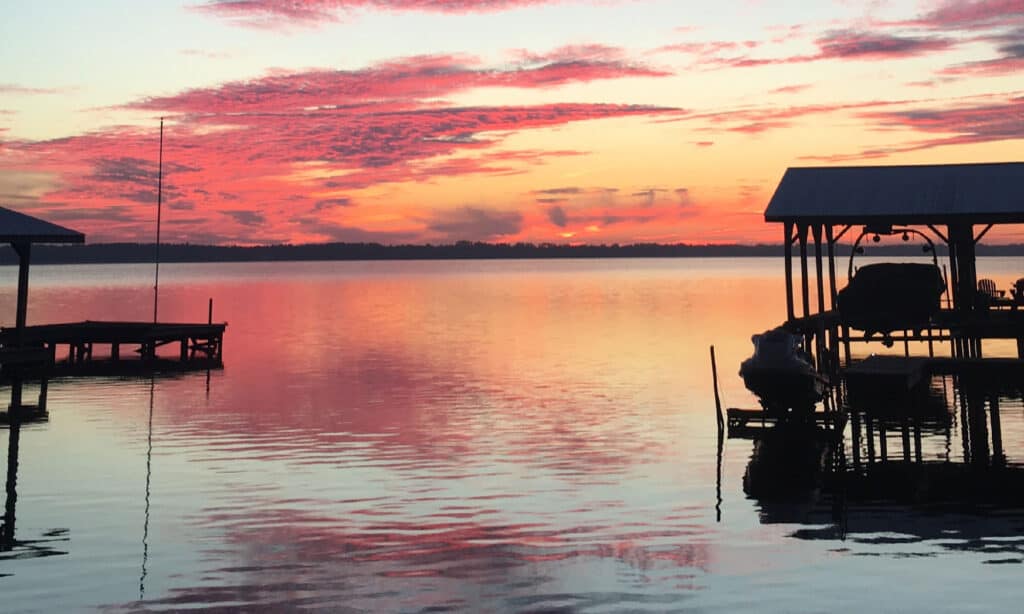
Eastern rat snakes and rainbow snakes are just a few species that are found in Lake Waccamaw.
©Victoria Caine Powell/Shutterstock.com