
Quick Take
- Senior animals are reportedly achieving behavioral milestones at Hillcrest Park Zoo once considered permanently lost, all attributed to CBD usage.
- Liver enzyme fluctuations can create specific health risks for senior animals during CBD therapy, making it an area still in need of study.
- In certain zoo settings, some harsh medications are being replaced by CBD for their aging predators.
- Warsaw Zoo announced a pilot project in 2020 to study the effects of hemp oil on elephants’ stress, collecting baseline samples to monitor changes, but as of 2026, no published results have validated its safety or efficacy, and more research is needed.
At the Hillcrest Park Zoo in Clovis, New Mexico, staff are utilizing a new tool to help their aging animals stay healthy: CBD oil. Zoo keepers are describing changes in their senior animals, changes that may make the average person believe CBD is a miracle or cure-all. While it isn’t that, senior animals who take it are reportedly far more engaged and mobile, all without relying on medications that can come with tradeoffs or harmful side effects over time.
A report by KOB 4 describes a partnership between this zoo and a local cannabis business supplying CBD, leading to the connection and integration of CBD into the care of their animals. However, there’s more context to all of this, according to what veterinarians and regulators say about CBD in animals. What is this zoo in New Mexico up to, and what should we know about CBD usage for animal health? Here’s what the Hillcrest Park Zoo says they’re doing, why they opted for CBD, the animals they treat with it, and what the broader science suggests about CBD.
Why This Zoo Turned to CBD
In a KOB 4 story, zoo director Stephanie Chavez said their goal in using CBD was to help senior animals feel better while also reducing reliance on medications she described as “harsh,” especially for long-term use.
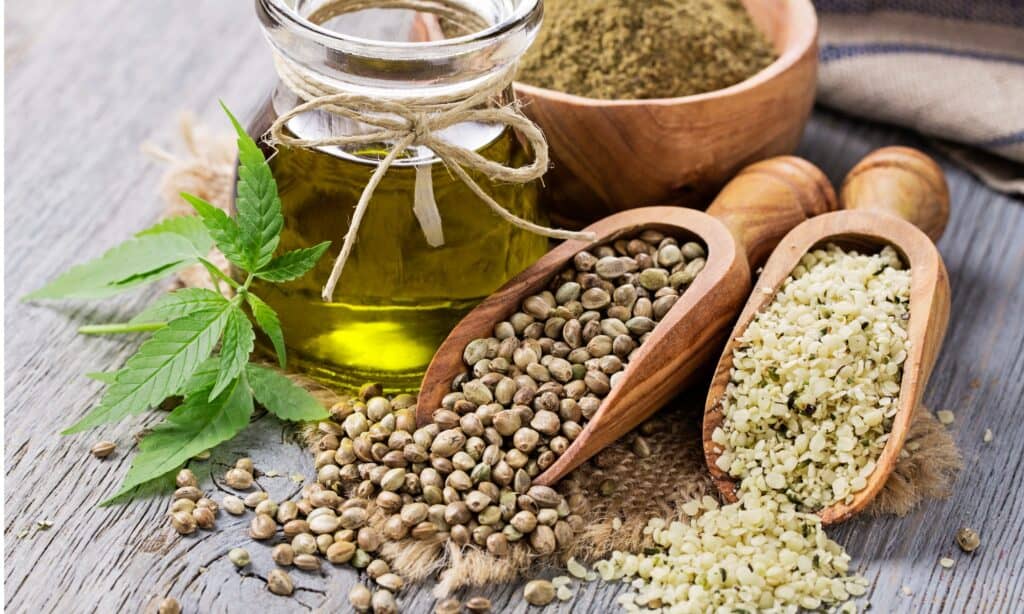
Derived from hemp, CBD is a popular alternative medicine in domesticated pets, but what about zoo animals?
©iStock.com/egal
CBD has become an increasingly prevalent natural alternative to some aspects of traditional animal care. If an older animal is stiff or painful, the zoo can use something that supports the animal’s comfort without creating new problems elsewhere.
Zoo director Chavez told The Eastern New Mexico News that her veterinarian had heard about CBD being explored elsewhere, including its use in a lion-related case study concept, which helped normalize this alternative in a wild animal setting. CBD isn’t just for your senior dogs anymore, and Chavez was eager to find out how it might help the zoo’s aging animal populations.
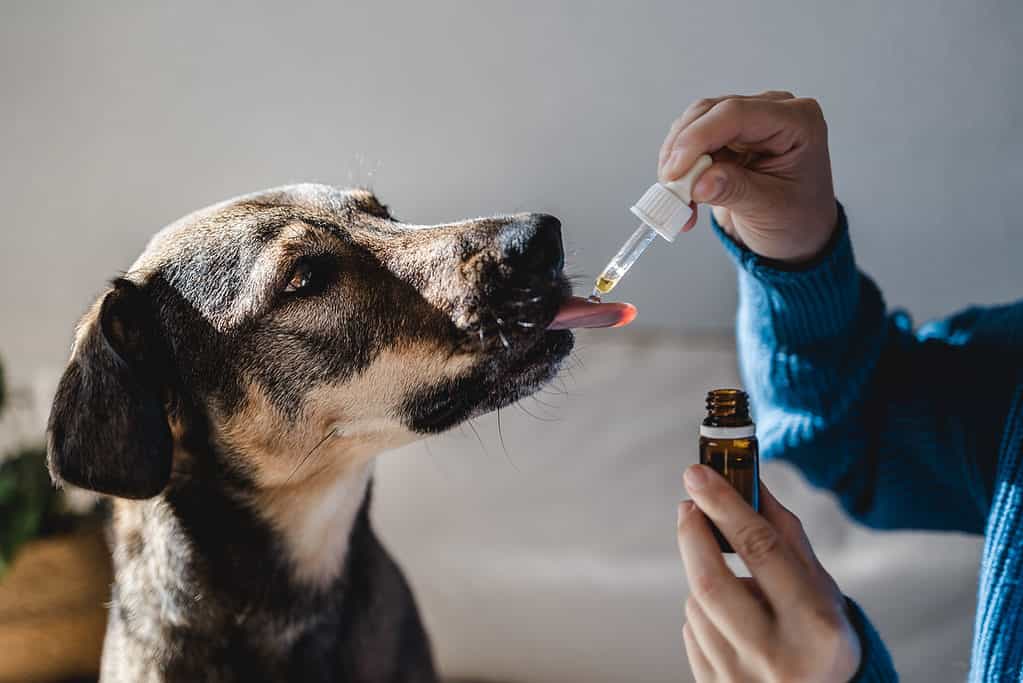
CBD is primarily used to treat senior dogs, but it is expanding into zoos.
©iStock.com/Vanessa Nunes
The partner in this process is Enchanted Desert Farms in Portales, run by Sam and Rachel Viscaino. Their unique CBD product is being donated to support the zoo’s senior animals. Enchanted Desert Farms is proud to support two animals in particular.
Which Animals Are Receiving CBD and What the Staff Say Is Changing
While there may be additional animals receiving CBD as part of the zoo’s current care program, the two animals most often mentioned as receiving CBD treatment are:
- Sooner, a 13-year-old tiger with significant arthritis; he’s been at the zoo since he was a cub
- Katie, a senior timberwolf
Chavez noted in recent news reports that Katie appears more active and alert since beginning treatment. Meanwhile, Sooner is mentioned as “a whole different cat,” returning to typical training behaviors that zoo experts thought long gone. The zoo has also taken both animals off other medications, except for their bone-health vitamins, and staff feel confident about the results of CBD usage so far.
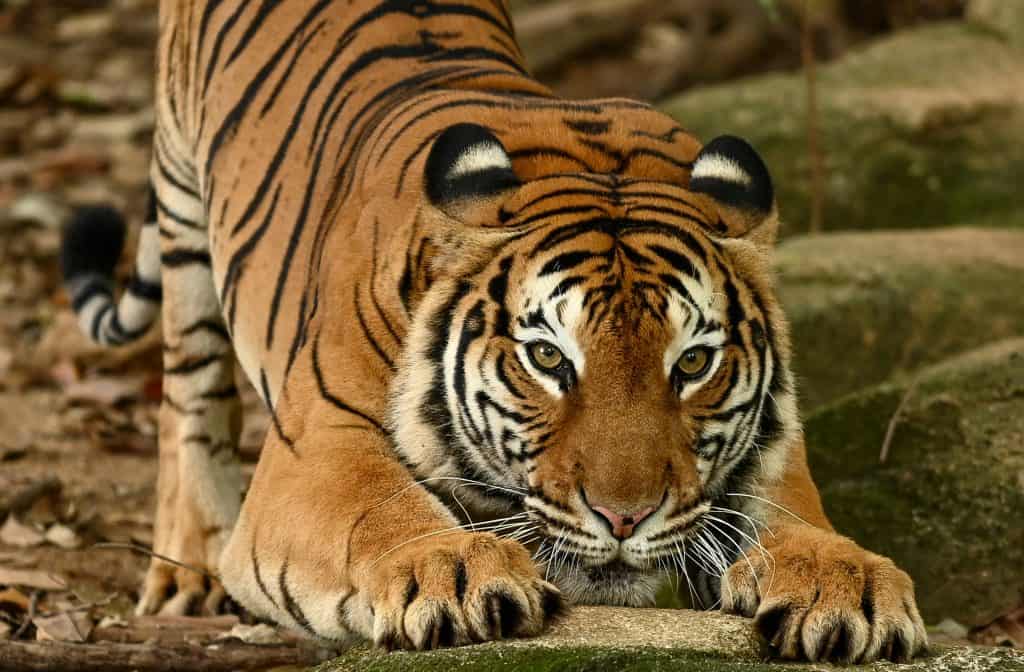
The Hillcrest Park Zoo’s senior tiger, Sooner, is reportedly improving thanks to CBD.
©Djohan Shahrin/Shutterstock.com
Chavez particularly noticed mobility improvements in Sooner, interpreting his increased activity and vocal behavior as comfort-linked signals. Could these improvements be happenstance, or has there been enough CBD research to confirm a link to these positive behaviors?
What Research Says About CBD and Animals
Just how effective is CBD usage for animals? A frequently cited veterinary clinical study in Frontiers in Veterinary Science reported improved comfort and activity in dogs with osteoarthritis at specific dosing and under controlled conditions. Another placebo-controlled trial readily supports CBD’s potential to reduce pain scores in canine osteoarthritis across a defined study window.
This evidence explains why veterinarians may be open to CBD as a monitored trial for pain and mobility, but it does not prove the effects will be the same in wild animals or zoo species. Since species metabolize compounds differently, an effective dose for a dog does not automatically scale to a big cat. While it’s possible that CBD works, there is much more research to be done.
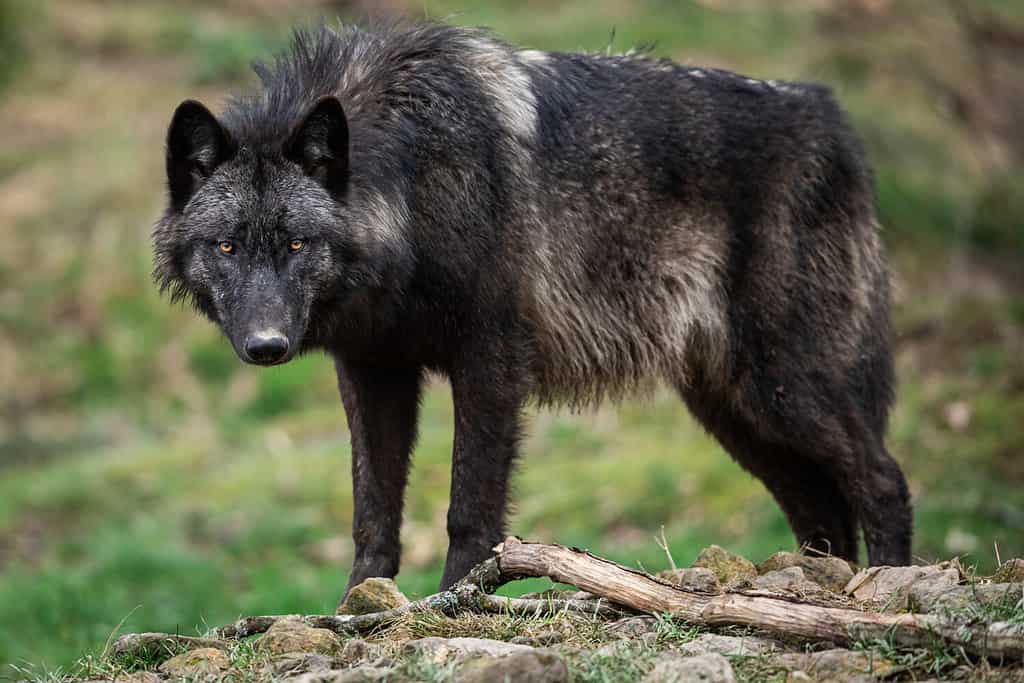
This zoo’s senior timberwolf, Katie, is experiencing the benefits of CBD.
©AB Photographie/Shutterstock.com
Cornell’s Riney Canine Health Center also makes this uncertainty plain, stating that research is growing, but product variability and dosing gaps remain major issues, even in the species we study CBD usage the most. That’s why Hillcrest Park Zoo must maintain transparency and conduct careful research as they continue with these alternative treatments.
Safety and CBD for Zoo Species
Even in dogs, CBD isn’t treated as a consequence-free, seamless product. One recurring point in veterinary discussions is the potential for liver enzyme changes in some animals receiving CBD, which is one reason monitoring is often advised during sustained, consistent use.
For example, inconsistent products and unclear dosing complicate safety claims, and these are factors that zoos have no control over. There is no guarantee of clean, healthy manufacturing in CBD products, and trace cannabinoids or contaminants matter even more when working with older animals or species that have never been exposed to hemp-based products before.
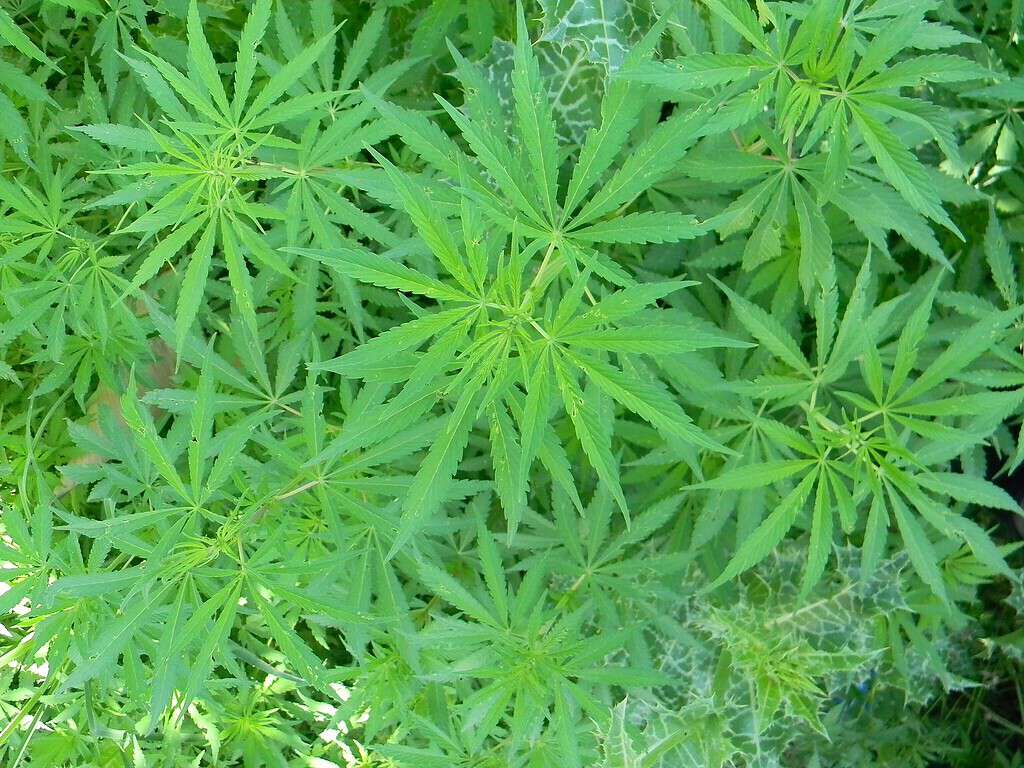
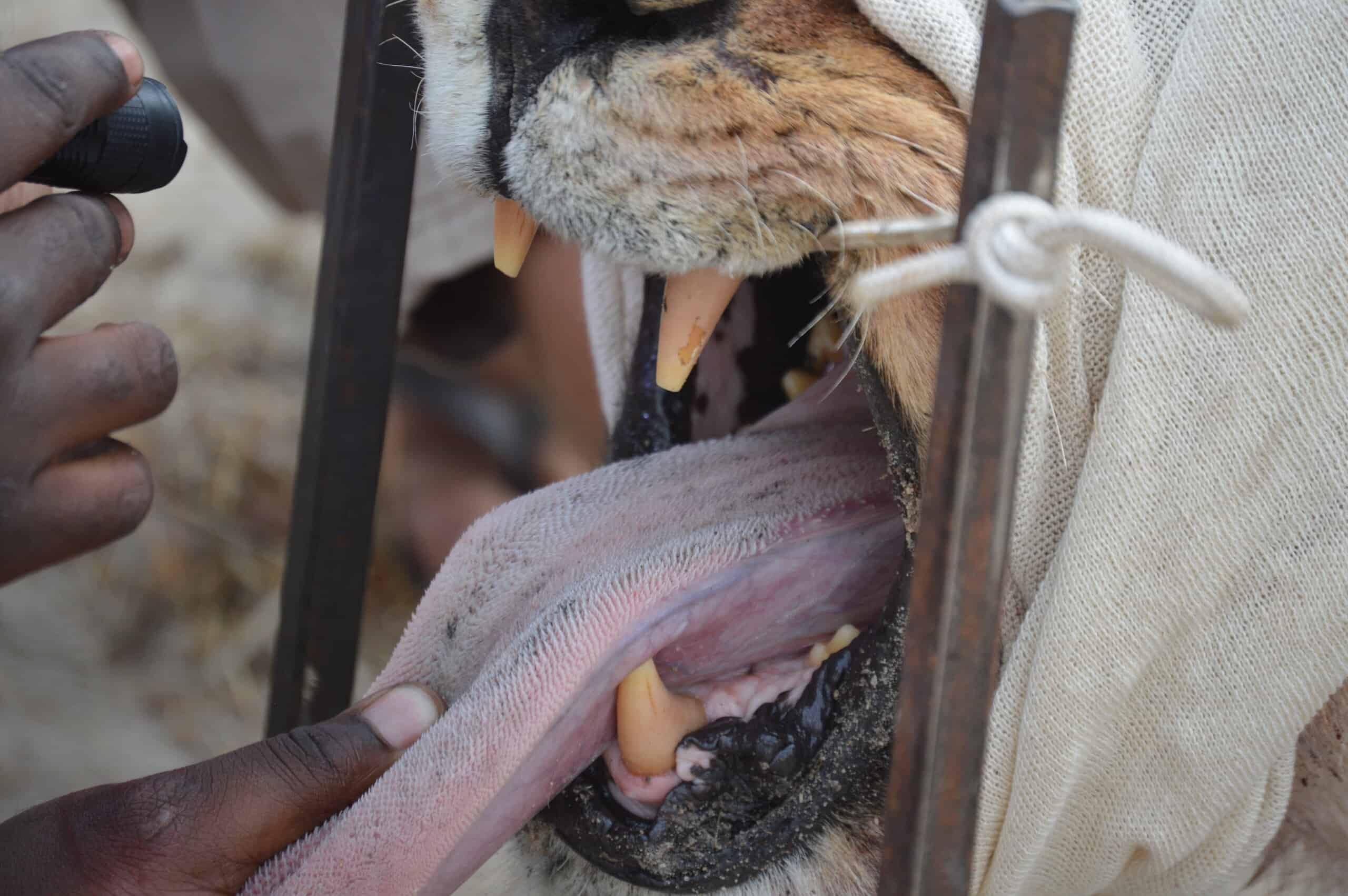
Cannabinoids are still being researched heavily, which is why using them on untested species can be risky.
©Khalid Mahmood, CC BY-SA 3.0 , via Wikimedia Commons – Original / License
Hillcrest Park Zoo’s approach is rooted in CBD’s “observed benefit under supervision,” meaning they are working to ensure it is used safely. The more unusual the animal species, the more important it is that the decision to use CBD goes through a sizable amount of veterinary oversight and that outcomes are tracked in measurable ways.
What Does the FDA Say About CBD and Animals?
Federal regulators have repeatedly said CBD usage should be taken seriously, especially for animals. An FDA consumer update on products containing cannabis or cannabis-derived compounds, including CBD, answered many common questions about safety and quality of CBD usage, warning consumers about a myriad of unproven product claims. The FDA has stated that there are currently no FDA-approved animal drugs containing CBD, and that existing food and supplement regulations do not apply to cannabidiol. The agency continues to warn about unproven claims and product safety, and is actively seeking more data on the use of CBD in animals.
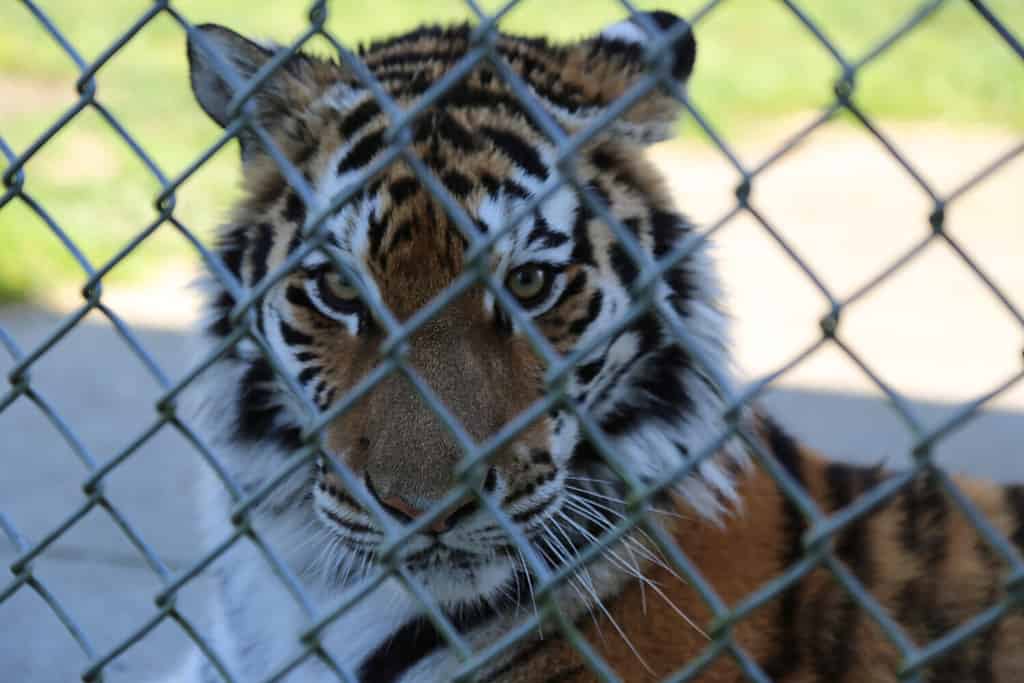
Improved mobility and energy appear to be some of the benefits of CBD usage in zoo animals.
©Apsara Photo/Shutterstock.com
While not necessarily dangerous, CBD is not a standardized, FDA-approved animal therapy. This means that any use of it, especially in a zoo, needs to be carefully managed, with ample attention paid to sourcing products and dosage documentation.
Other Zoos Using CBD Are Focusing on Stress and Welfare Monitoring
While CBD usage remains questionable, Hillcrest Park Zoo isn’t the only animal-care institution exploring cannabinoids. One of the best-documented zoo examples came out of Poland, where Warsaw Zoo announced a monitored effort involving elephants and hemp oil/CBD to study stress-related outcomes in their animals.
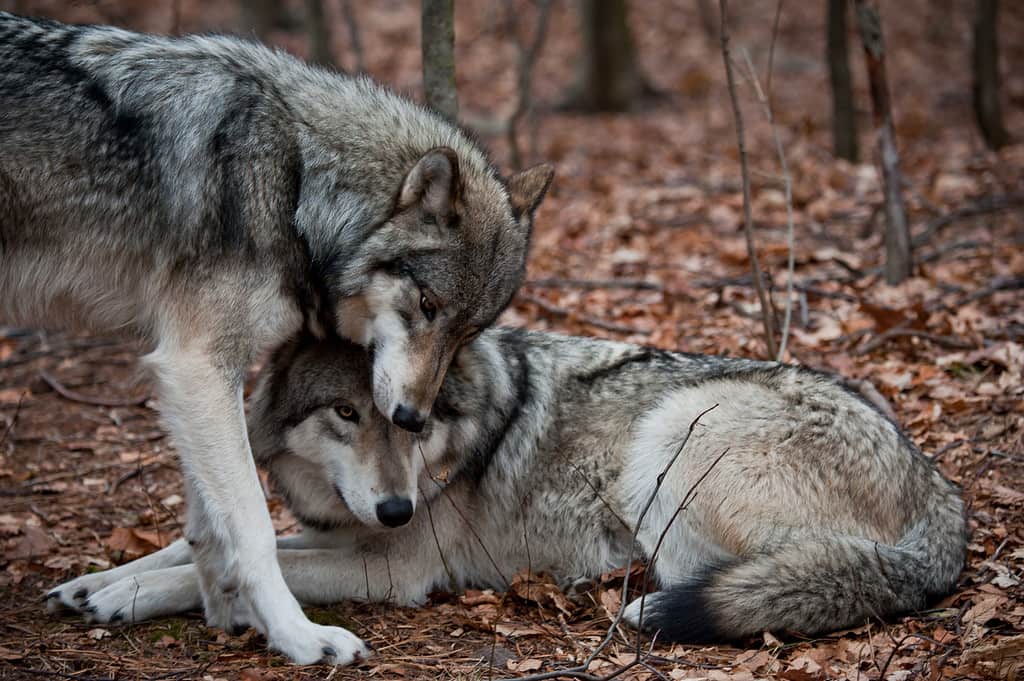
Some predators may benefit from CBD treatment, but more studies must occur first.
©RamiroMarquezPhotos/iStock via Getty Images
The zoo’s veterinarian described the team collecting hundreds of baseline samples from their elephants while measuring their cortisol before administering hemp oil drops as part of a longer-term project. By defining a welfare question in their animals and establishing baseline measures before administering CBD, the zoo could more readily track changes and report results.
What This Means for the Hillcrest Park Zoo’s Animals
The Hillcrest Park Zoo has been consistent about its motivations behind using CBD: supporting senior animals and reducing reliance on medications when possible. But what does this mean for the zoo and its animals moving forward?
In many ways, the use of CBD in zoo animals remains in a scientific gray area. The best evidence base remains centered on dog behaviors and physiology, making it unclear how CBD may affect other species. Plus, regulators still warn about product inconsistency and unapproved claims, not to mention dosage levels for larger animals.
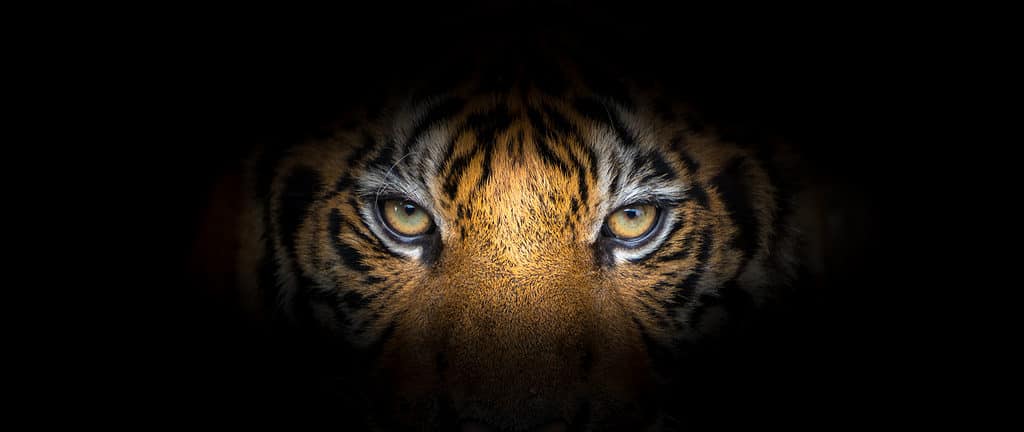
Here’s hoping the CBD research happening at Hillcrest Park Zoo will lead to plenty of positives for aging zoo animals.
©apiguide/Shutterstock.com
If Hillcrest Park Zoo expands its CBD program, the most meaningful next step will be to implement more consistent and in-depth tracking over months or even years. To fully grasp the safety and benefit of CBD, this New Mexico zoo has a great deal to report as time goes on. In the meantime, here’s to the zoo animals currently benefiting from CBD. Hopefully, it will continue to serve as a promising alternative to harsher medications.