
Quick Take
- Converting 1,000,000 views into 1 physical rescue requires a specific psychological shift.
- The 3-second hook currently produces a massive engagement deficit for global wildlife initiatives.
- Some research suggests that high visibility can create a false sense of security about a species’ status, which may reduce urgency for conservation, but the leading causes of conservation failure remain habitat loss, poaching, and insufficient funding.
- Completing the Impact Audit is vital to bridge the Digital-Action Gap in animal welfare.
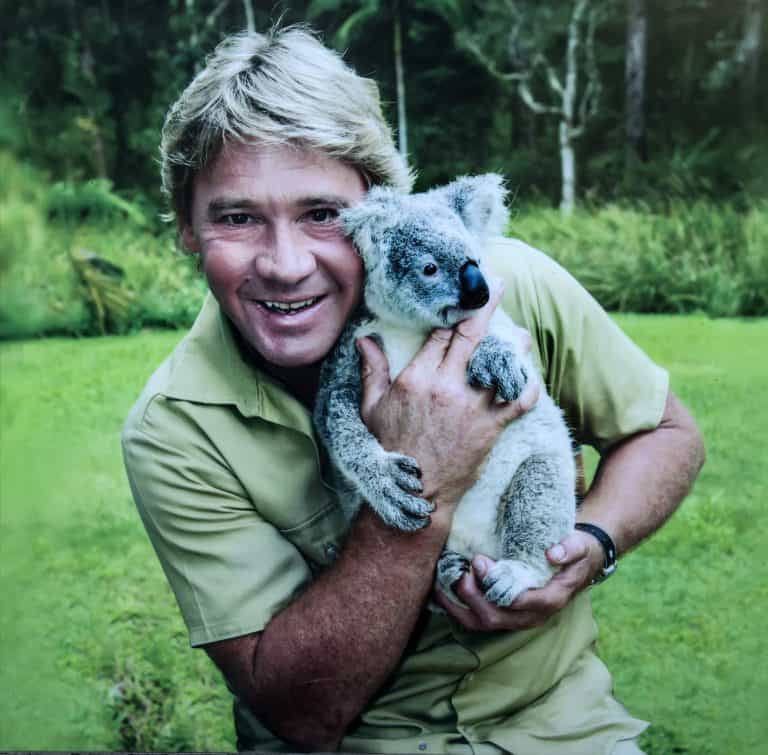
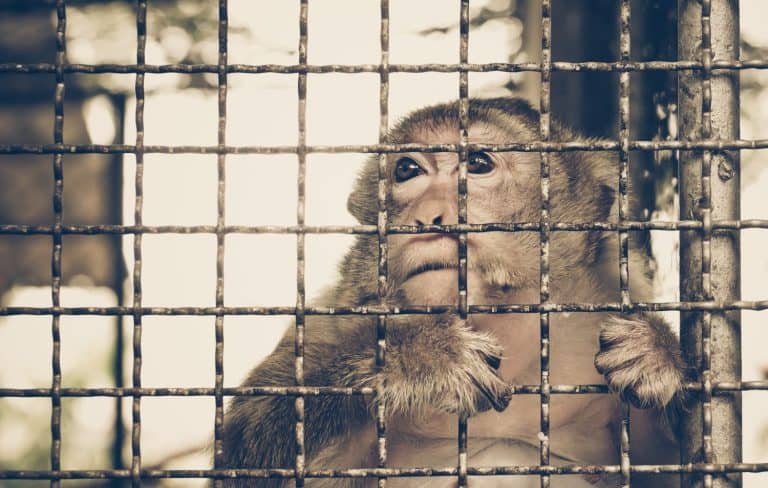
If you’re the kind of person who reads A-Z-Animals, you’re likely the kind of person whose YouTube algorithm loads you up on animal videos: cute, amazing, mind-blowing furry, scaly, feathery friends. But also, animals in need. A sea turtle struggles with plastic tangled around its flippers. Bewildered live animals roll down a conveyor belt to their deaths in a factory farm. Exhausted dogs tremble in puppy mills, waiting for someone to stop scrolling and notice. Millions watch and shed tears, even. Comments fill with heartbreak, emojis, and pleas that “someone should do something.” And then, we scroll on. Posting an emoji with a tear was apparently all it took to satisfy our conscience.
Meanwhile, outside our phones, habitat is disappearing, oceans are filled with plastic, and pets are abandoned or abused. Yet conservation support often stays quiet. Donations lag. Volunteer sign-ups remain small. Political pressure stays scattered. That mismatch has started to bother researchers. They asked a blunt question: if concern is so easy to express online, why is real-world action still rare? Here’s what they found out, and what you can do about it…If you will.
What Researchers Measured on YouTube
Researchers led by Derek Van Berkel at the University of Michigan published a major study in Nature Communications Sustainability in February 2026, analyzing wildlife content on YouTube. Titled YouTube content on wildlife engages audiences but rarely drives meaningful conservation action, the paper examines how online engagement often fails to translate into real-world conservation support.
Researchers built a large sample of wildlife videos on YouTube, analyzing 1,751 videos and 24,917 English-language comments. The team used human review to label themes. To expand tagging, the researchers applied machine learning tools. The goal stayed simple: to understand what wildlife content looks like and how people respond to it.

Researchers reviewed thousands of wildlife videos and comments to understand their impact on viewers’ behavior.
©metamorworks/Shutterstock.com
First, videos were grouped into themes such as animals in captivity, wildlife viewing, hunting, education, safari footage, and national parks. From there, engagement patterns were analyzed, starting with what viewers praised. Next, researchers tracked levels of concern for animals and, at the same time, searched for direct calls to action, such as urging donations or policy support.
What People Say in Comment Sections
Most responses sounded supportive but lacked practical direction. Appreciation appeared most often, with about 32% of comments praising wildlife in the study. Many focused on appearance, behavior, or “cool” moments, while concern appeared far less frequently, showing up in only about 7% of responses.
Calls to action remained uncommon. By contrast, only about 2% of comments included a clear step, such as supporting a park, donating to a group, or contacting an elected official. Instead, viewers tended to leave quick reactions, including jokes, brief praise, and emoji chains. As a result, the overall tone felt warm, but it rarely turned into a plan. This pattern matters because, in many cases, comment sections help shape social norms. When action goes unmentioned, helping can begin to feel optional.
Entertainment Pulls Harder Than Solutions
YouTube rewards watch time and clicks. Wildlife content that feels light travels farther. Safari clips do well. Zoo highlights do well. “Funny animal” moments do well. Content that explains habitat loss, policy, or funding often spreads more slowly.

Fun animal videos get lots of clicks on YouTube, but they rarely push viewers to take action to protect wildlife.
©DeRepente/iStock via Getty Images
That does not mean viewers hate serious topics. It means the platform pushes what keeps people watching. Many creators chase that incentive. They learn what titles work and also learn what thumbnails work. They learn what pacing holds attention. Conservation messaging can feel like a risk in that system. So the platform can fill your feed with wildlife and still fail to build public pressure for wildlife protection.
Why Calls to Action Stay Scarce
The simplest reason is boring and real. Most videos do not ask viewers to do anything. In the study, explicit calls to action inside videos appeared infrequently. Many creators avoid direct appeals. There is concern that engagement could drop, arguments could start, or the message could feel like fundraising.
Another reason involves emotion. Many viral wildlife clips aim for quick joy. They lean on cuteness, spectacle, or thrills. Those emotions fade fast. Action often needs a different mix. People act when they feel concern, responsibility, and hope at the same time. They also act when the next step feels easy. Without a clear next step, viewers move on. YouTube serves the next video. The moment passes.
When Wildlife Videos Can Motivate Real Help
Overall, the study showed that action becomes more likely when videos use effective framing. In comparison, conservation-focused content generated higher levels of concern and more discussion about taking action than other categories. Additionally, intense topics increased engagement, as controversial hunting footage often sparks debate. In particular, videos about highly threatened species frequently encourage petitions and donations, while predator conflicts tend to drive strong opinions and policy-focused discussion.
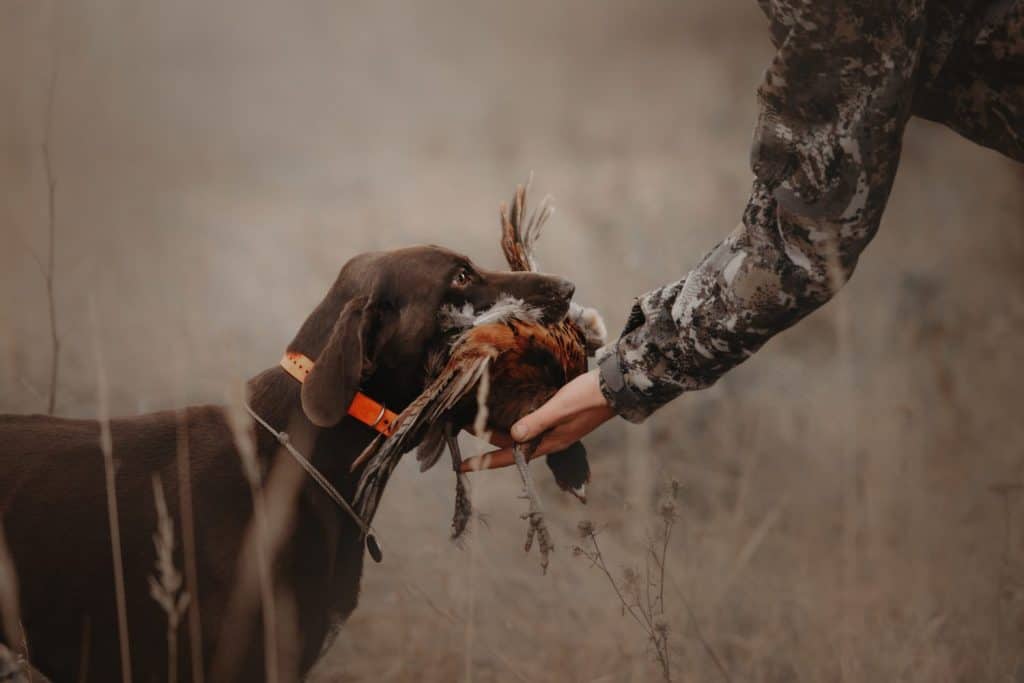
Some animal videos, such as those related to hunting, tend to spark intense debate online.
©Ksenia Raykova/Shutterstock.com
Channels that center their work on conservation can shift audience behavior over time. Viewers come to expect campaign links, progress updates, and clear opportunities to get involved, such as citizen science projects, cleanup efforts, or local advocacy. These patterns show that YouTube can support conservation, but that outcome requires intention rather than happening automatically.
Telling the Story Better
Wildlife content creators do not need to relearn their craft. Maintaining a personal style that gets clicks can still go hand in hand with encouraging action. Clarity comes first, with a short, specific request placed at the end of a video and repeated in the description so it is easy to find. Trust follows, built by linking to official park pages, established conservation groups, or citizen science projects. Clear sources matter, since vague donation requests often raise concerns about scams. Consistency is important as well: a single appeal fades quickly, while repeated messaging can shape audience habits over time and make helping wildlife feel like part of a channel’s culture rather than a guilt-driven appeal.
Effective wildlife storytelling also works best when it connects a single animal to a larger system. A sea turtle rescue story can point to plastic waste, a rhino story to illegal trade, and a wolf story to land use and livestock conflict. Strong narratives follow a clear arc by introducing a problem, showing what is at stake, and highlighting solutions that exist right now. This final step matters because doom-focused stories can shut people down. Visible proof that help works—such as habitat restoration, ranger patrols, or species recovery—makes viewers more likely to believe their support can truly make a difference.
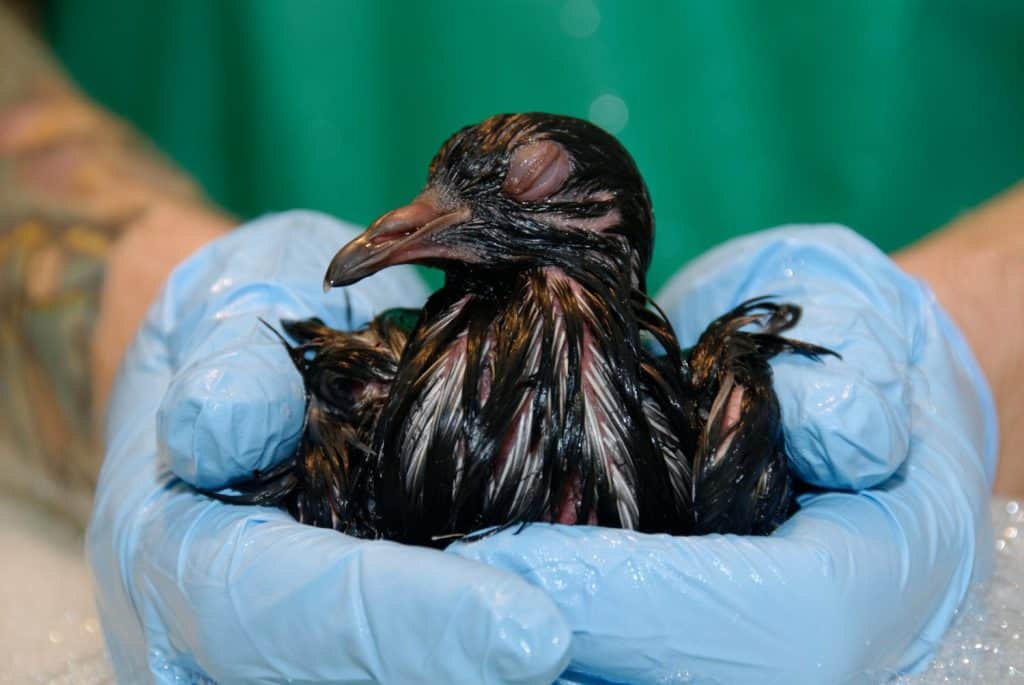
Effective social media mobilizes not simply by showing an animal in need, but by offering a clear path of how to help, and that such help will be effective.
©Colin Seddon/Shutterstock.com
How Conservation Groups Can Use YouTube More Directly
Conservation groups that treat YouTube as optional are leaving a lot of influence on the table. These groups can build channels with stable formats. Ranger diaries work well. Rescue updates work well. Short explainers work well. People like real faces and real places.
Groups can also join conversations where wildlife fans already gather. Comment sections on popular videos move huge audiences. Experts can answer questions there. Myths can be corrected, links to reliable resources can be shared, and a clear action step can be pinned from an official account. This approach turns passive scrolling into learning. It also lowers the barrier to action, because the next step sits right under the video.
Coopting Established Influencers
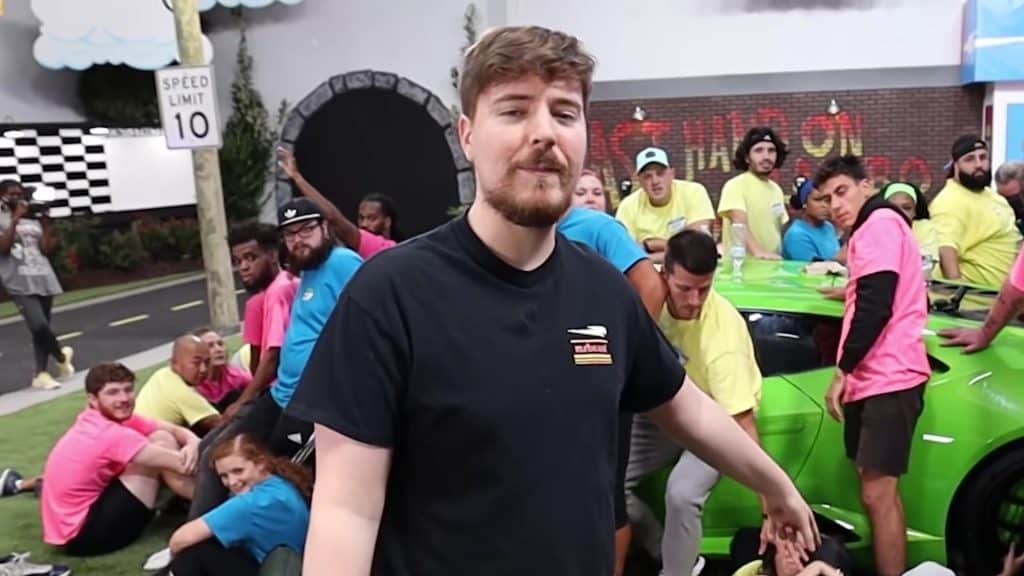
Internet personality MrBeast is controversial for his wild stunts. But he also mobilizes hundreds of thousands of young people to donate to wildlife conservation.
©Fidias, CC BY 3.0 , via Wikimedia Commons – Original / License
Celebrities and established influencers can play a powerful role in conservation by using their massive audiences to turn awareness into action. Creators with built-in trust and reach can integrate clear calls to action—such as donation links, petitions, or partnerships with credible nonprofits—directly into engaging wildlife or environmental content.
MrBeast is a strong example of how this can work at scale: through high-profile campaigns like TeamTrees (which raised over $20 million to plant 20 million trees) and TeamSeas (which raised over $30 million to remove 30 million pounds of trash), he mobilized millions of viewers to fund real-world tree planting and ocean cleanup efforts.
He has faced some criticism for publicity stunts like his October 2025 video “I Saved 1,000 Animals From Dying,” particularly regarding the portrayal of rescue efforts and the omission of some local context—but the effort also drew significant attention and funding to animal welfare and conservation initiatives in multiple countries.
What Can You Do as an Ordinary Viewer
Although it seems like everyone is an influencer these days, many people simply enjoy internet content without making a career of it. So, as one of the millions who see animal videos and want to help, what can you do besides posting an emoji?
In the comments, users can go beyond emojis by mentioning the threats a species faces, asking about credible conservation groups, or encouraging others to donate or get involved. Subscribing and sharing also matter: liking and forwarding videos with real conservation messages helps boost them in the algorithm. When viewers share wildlife content with added context and links to trusted organizations, they can help turn online attention into real-world action.
4 Top Ways to Help, Across Any Species or Issue

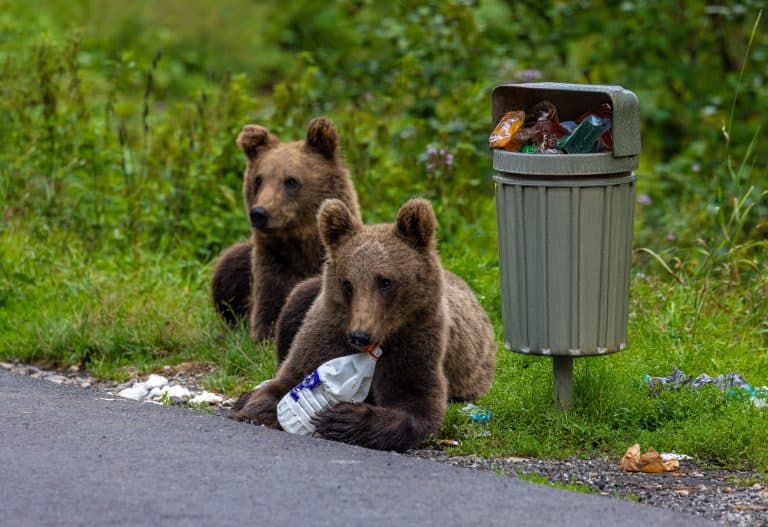
Changing spending patterns to products that do as little harm as possible to wildlife and the environment is one everyday practice that everyone can become part of.
©Hryshchyshen Serhii/Shutterstock.com
Finally, let’s get specific about what exactly any of us can do, broadly for any species or animal issue. What exactly is it that most animal welfare organizations want from the public?
- Support reputable organizations – Donate to or volunteer with trusted shelters, rescue groups, and conservation nonprofits doing direct work on the ground.
- Reduce harm through everyday choices – Avoid products that contribute to habitat destruction, wildlife exploitation, or animal cruelty, and choose more sustainable, ethical options when possible.
- Speak up and spread credible information – Share reliable resources, educate others, and use your voice online and offline to normalize action, not just awareness.
- Push for stronger protections – Support laws, policies, and local efforts that improve animal welfare, protect habitats, and hold industries accountable. Write letters, donate to political action committees and candidates, vote, and volunteer.
Turning Views Into Measurable Conservation Impact
YouTube already solves one hard problem for conservation influencers. It finds an audience. The next problem is harder. It needs to move people from feeling to doing. That shift does not require massive changes. It needs steady habits.
Creators can add action steps. Conservation groups can show up in comments. Viewers can learn to ask, “What can I do next?” If those behaviors become normal, the platform can help wildlife instead of just consuming it.