
Take a leisurely look around the animal kingdom, and you will find some indisputable instances of play. There are plenty of viral videos that show baby elephants and bears rolling around in the mud for fun.
Like humans, many animals learn best by playing games.
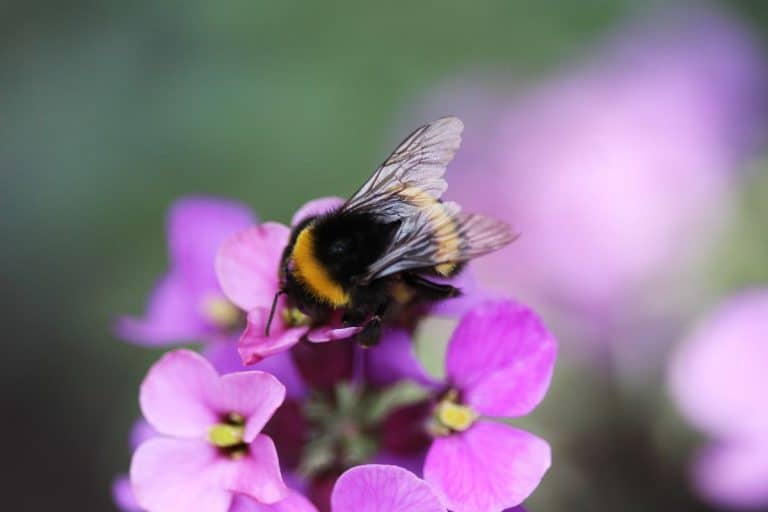
People usually think of bees as diligent workers. However, new research has shown bumblebees rolling wooden balls around for seemingly no other reason than fun. These findings—both incredibly cute and eye-opening—breathe new life into the possibility of an insect’s inner world. The data suggests that even bumblebees make time for leisure. Let’s learn more about this landmark research, what makes play such an undeniable part of life, and what these findings could mean for future insect research.
Animal Amusement
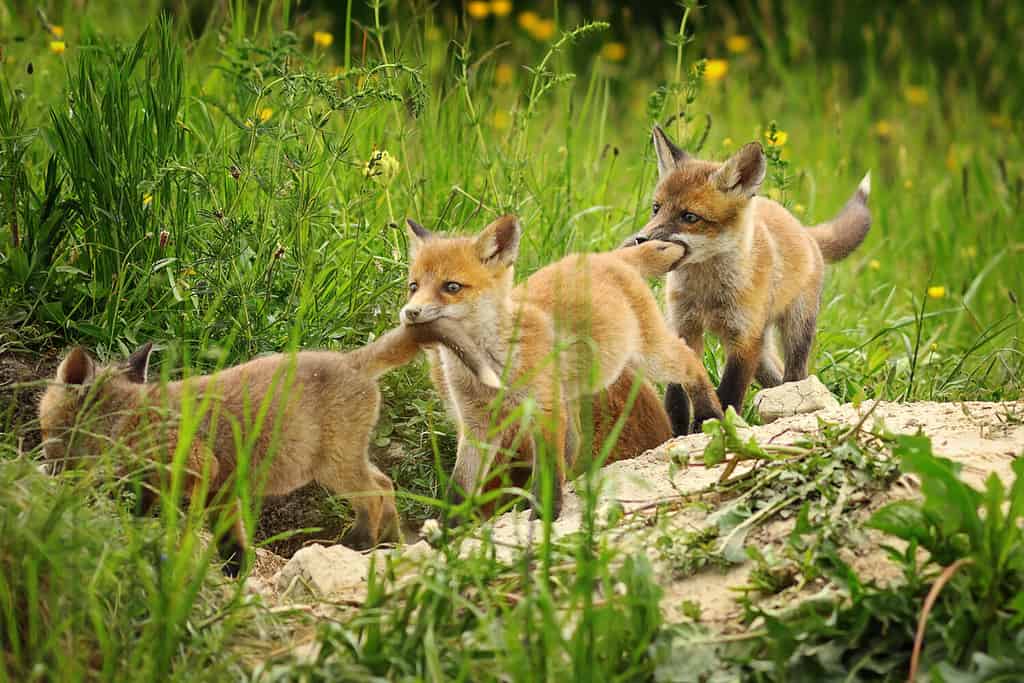
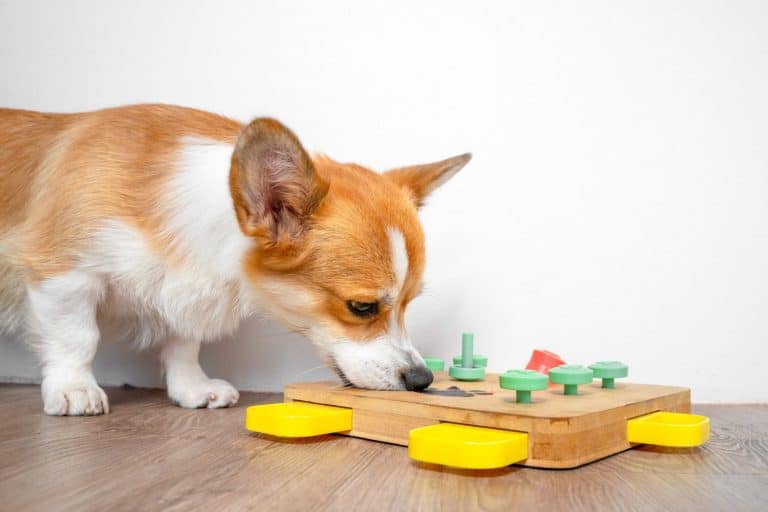
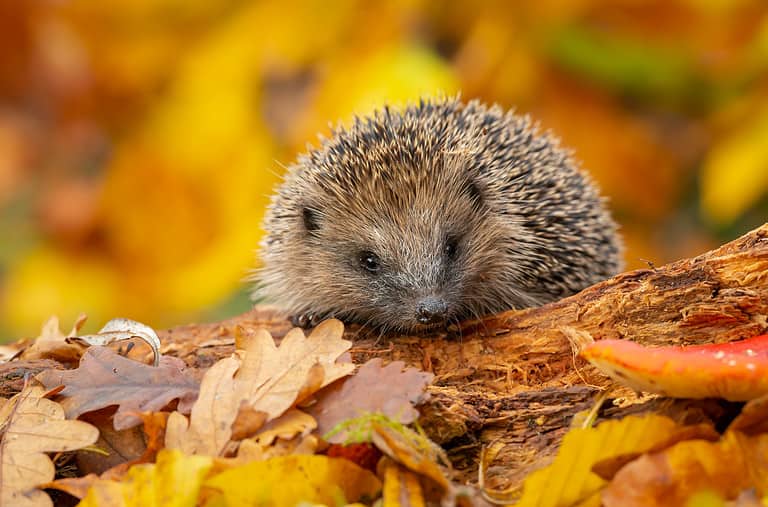
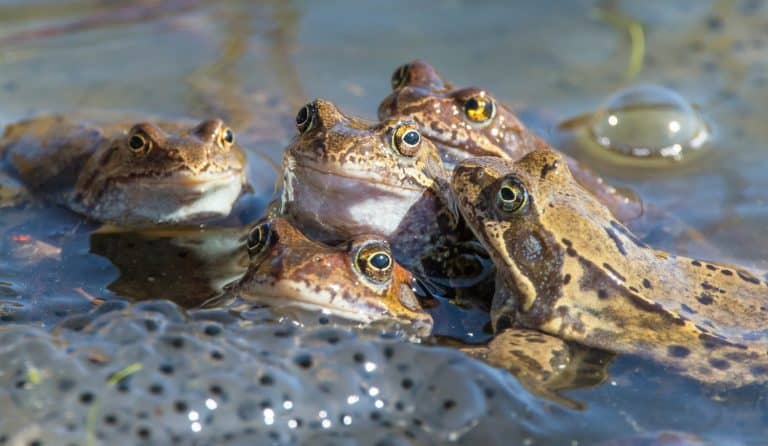
Animals such as mammals and birds are known to play extensively as juveniles, which helps them practice the skills they will need to survive as adults.
©taviphoto/Shutterstock.com
Scientists define play in the context of animal behavior as something relatively purposeless. If an animal engages in an activity that does not provide it with food, shelter, or immediate benefit, it is considered play. Conversely, Albert Einstein said that “play is the highest form of research.” This quote makes sense in the context of mammalian play, such as bear cubs learning how to climb.
Scientists believe that the presence of playing behaviors is one piece in the puzzle of determining whether a group of animals is sentient or not. Increasingly, scientists believe that mammals, birds, fish, and cephalopods like octopuses have some breadth of inner feelings and experience. The notion that insects are sentient, however, required further testing.
Such questions prompted scientists like Lars Chittka, Professor of Sensory and Behavioural Ecology at Queen Mary University of London, to see if insects could play, too. In 2017, Chittka and his colleagues set up a dynamic whereby bumblebees learned to roll balls in exchange for a sugary reward. However, to make the ball-rolling activity a form of ‘play,’ the researchers removed the reward. This involved setting up a system that allowed bumblebees to move in a straight path toward the sugar feeding area. All along the sides of this path sat wooden balls of varying colors. Some were fastened to the floor, while others were loose and ready to roll. This gave the bumblebees the option to head straight for the sugar or stop and interact with the balls.
Proven Play
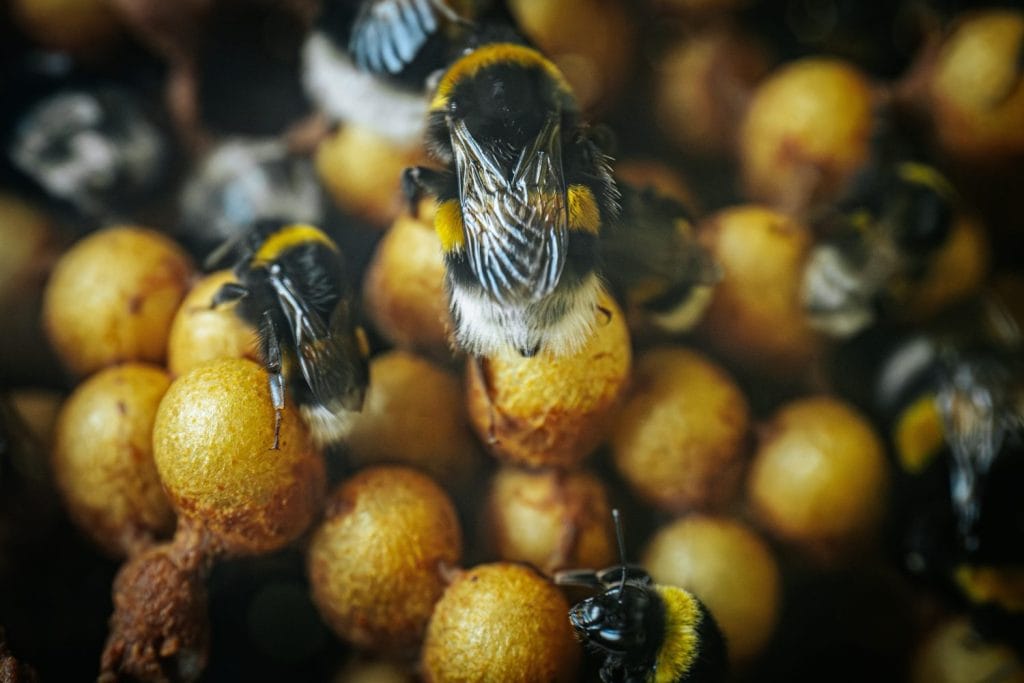
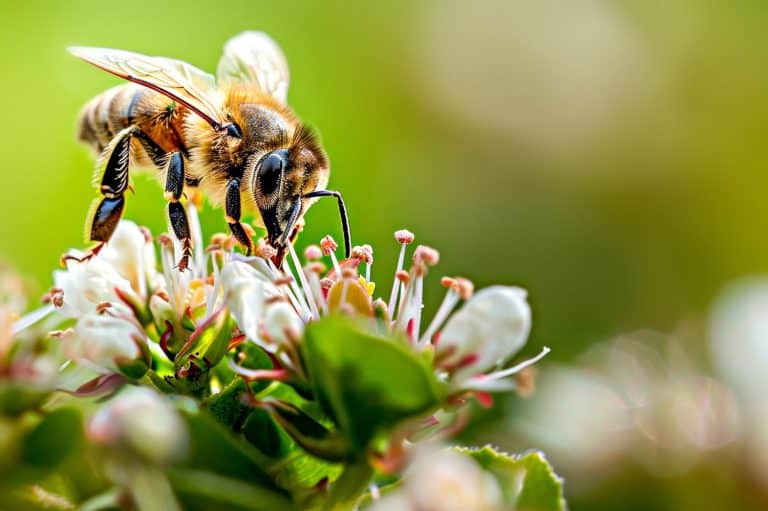
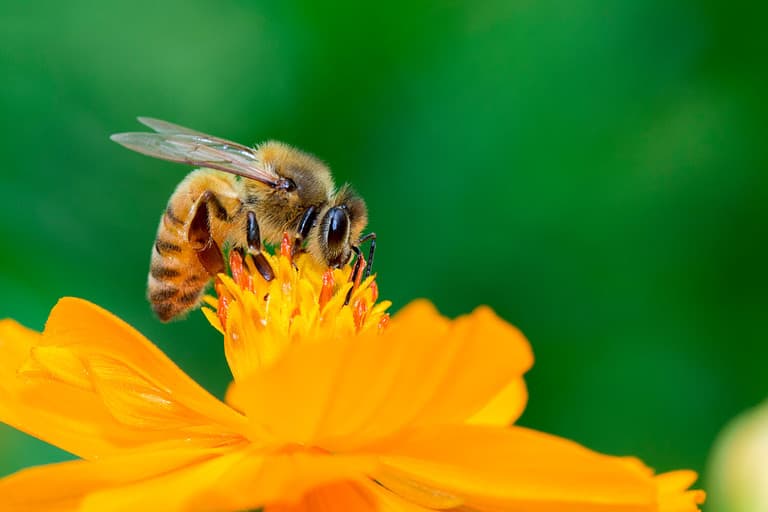
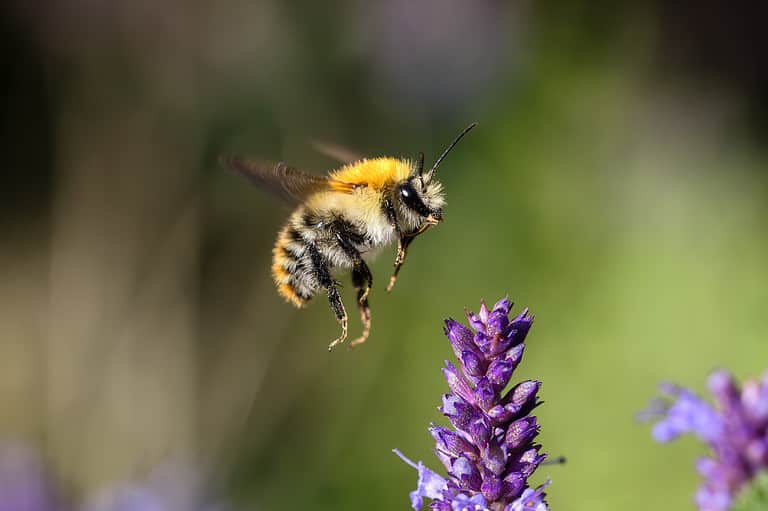
Researchers found that younger bees and male bees would stop and roll wooden balls even when tasty food was available in another direction.
©Emvat Mosakovskis/Shutterstock.com
Over the course of 54 hours, the research team watched 45 bees contribute “to 910 total ball-rolling actions.” Some bees played with a ball and then moved on, while others returned to the activity repeatedly, moving the balls in various patterns. The researchers found that the pattern of feeding on the sugary reward and rolling balls was random. The activities happened at different times and frequencies, suggesting distinct motivations. Interestingly, the younger bees and male bees seemed to be the most likely to stop and play with the wooden balls.
In later experiments, the scientists trained the bees to associate balls with certain colored chambers. As a result, bees preferentially chose to enter those chambers again, even if they were empty. While the researchers believe these tests prove that bees exhibit play behavior, they aren’t entirely sure why.
Mysterious Motivations
A basic understanding of game theory suggests that any type of play mimics some form of survival behavior. Olli Loukola, a behavioral ecologist at the University of Oulu in Finland, believes that fun follows function. While he was not involved in the new work, Loukola believes that the bumblebees might be interested in moving balls because they are motivated by an “innate need to develop motor skills.”
Determining the exact motivation behind an individual bumblebee’s actions is challenging. Understanding why a bee stops along the path to a sugary treat to play with balls will likely require more advanced technology. For example, researchers would likely need to analyze neurotransmitters to confirm which ones are activated in a bee’s brain when it starts rolling a ball.

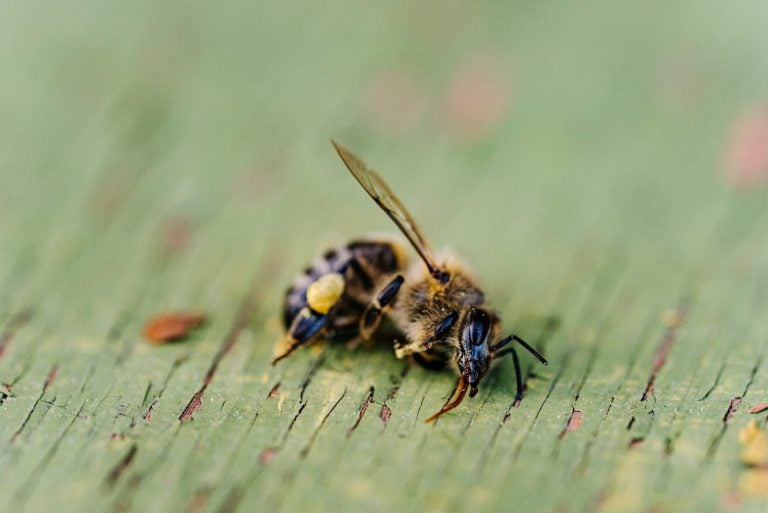
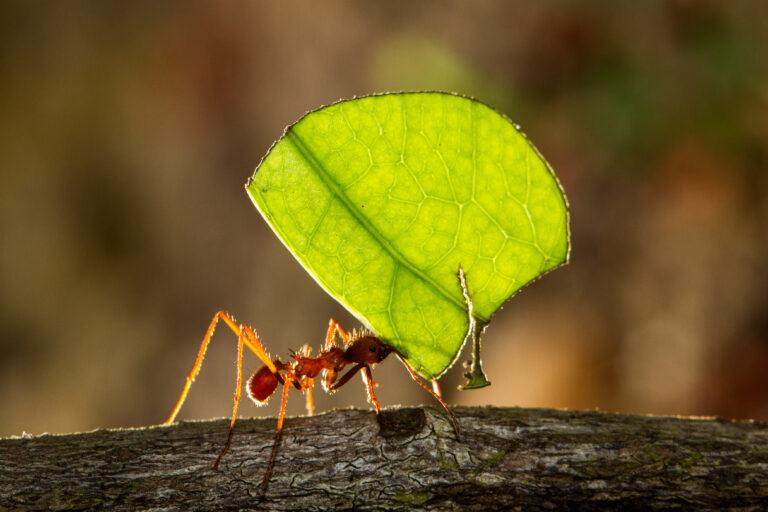
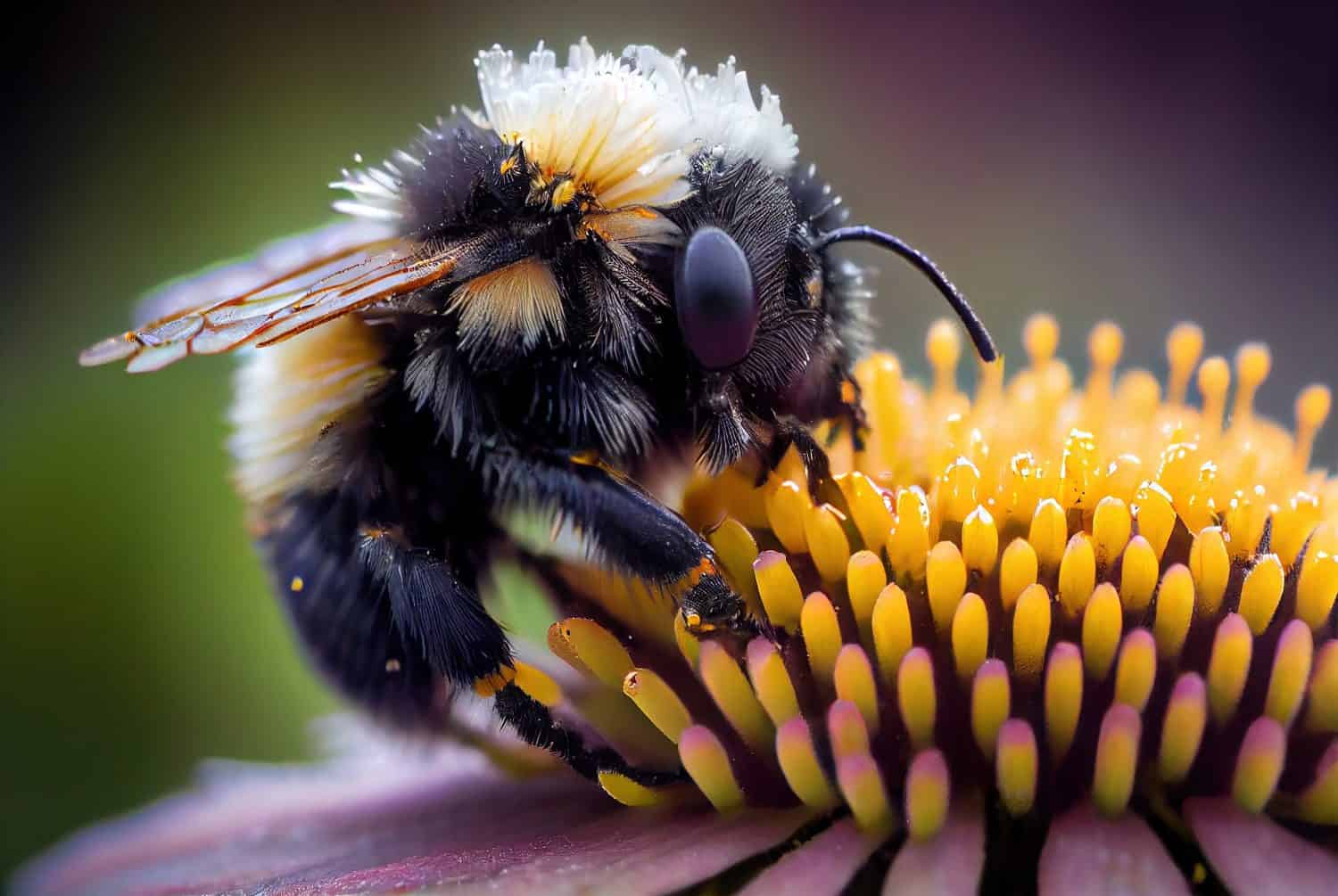
Experiments like these help increase the understanding of animal sentience, even in small creatures like bumblebees.
©Ernie Cooper/Shutterstock.com
From a broader, more philosophical perspective, these types of studies provide scientists with a better understanding of what sentience actually is. Heather Browning, an animal welfare expert and philosopher at the University of Southampton, believes that complex behaviors imply complex brain structures. She told reporters from Scientific American, “We don’t have a good grasp yet on what the relationship is between sentience and different behaviors.” While this study demonstrates play-like behavior in bees, it also opens up possibilities for future animal sentience experiments.