
Quick Take
- The right dog care is crucial when it comes to supporting a senior pup.
- There are many simple ways to help your aging dog feel young again, from providing the right diet to taking them for low-intensity walks.
- Consider making some in-home accommodations for your senior pup.
No one wants to think about their healthy, vibrant pup growing old. However, your pet will hopefully one day reach a more advanced stage of life and knowing the proper way to care for your aging buddy can only help. The right senior dog care will provide comfort and improve your pet’s quality of life. From mobility support and gentle exercise to diet and mental enrichment, there are countless ways to ensure your pup feels their best as they age.
Here are six vet-approved ways to help an older dog feel young again:
1. Offer a Healthy, Balanced Diet
As with humans, a healthy diet is crucial when it comes to our pets. Senior dogs require a specialized meal plan that meets all their health needs and supports their longevity.
“As dogs enter their senior years, their metabolic rate decreases, and their susceptibility to chronic conditions increases,” says Dr Bethany Hsia, DVM, and co-founder of CodaPet. “As a dog’s metabolism slows, calories must be monitored to prevent obesity.”
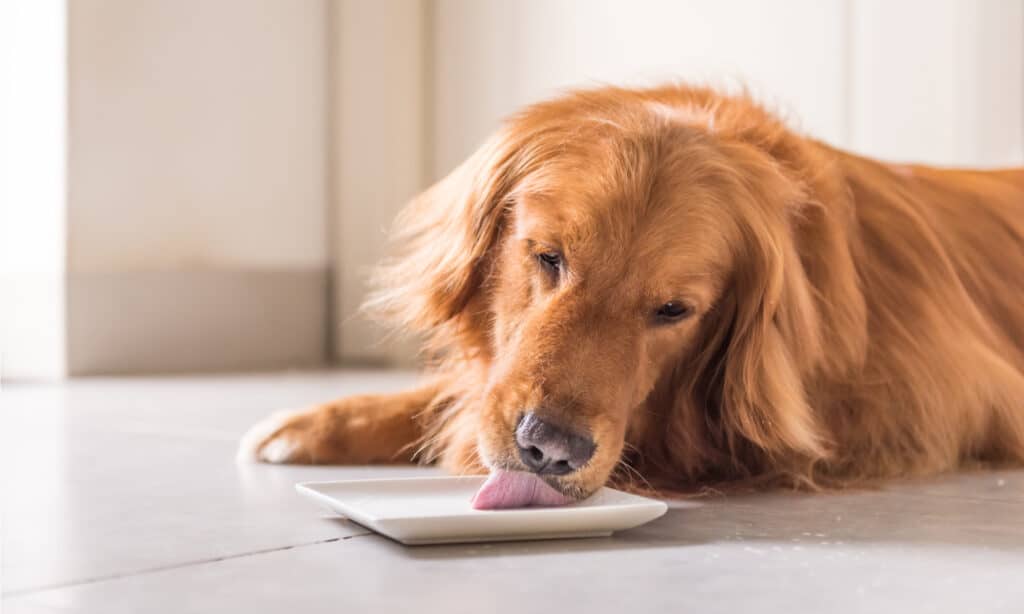
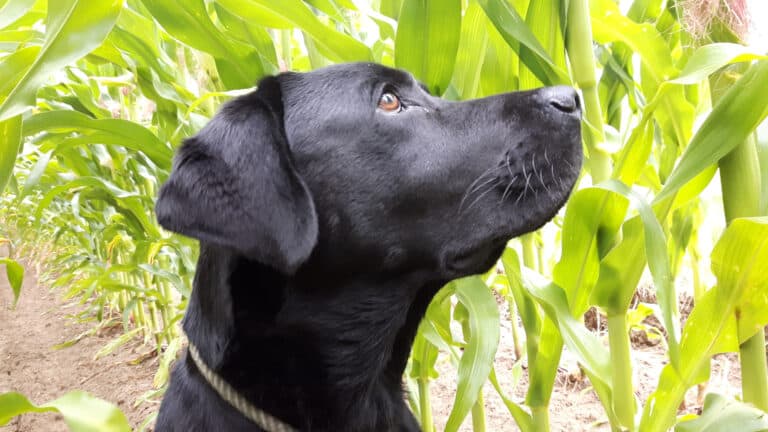
Senior dogs require a specific diet to support their longevity.
©Chendongshan/Shutterstock.com
As Hsia points out, weight gain adds stress on the joints. To help your senior dog maintain a healthy weight, be sure to follow senior-specific diets with high-quality proteins.
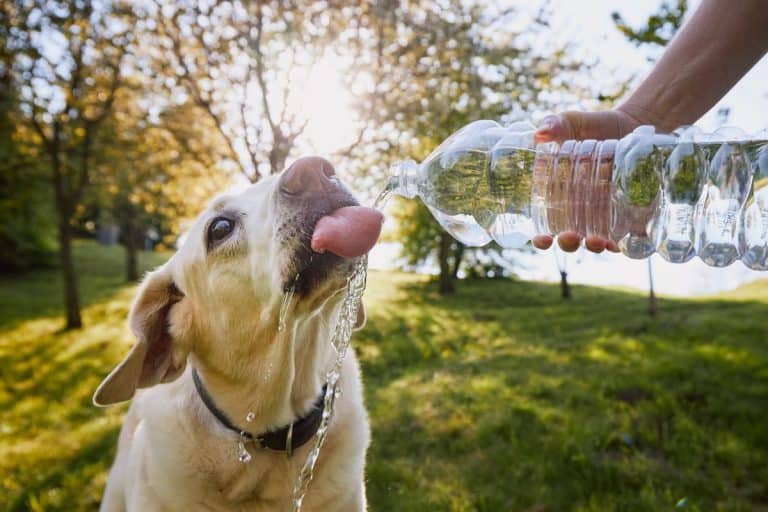
“In addition, ensuring adequate water intake is equally vital, as older dogs may have a diminished thirst,” says Hsia. “They require constant access to fresh water.”
Dr. Laurie McCauley, DVM, DACVSMR, CCRT, CVA, CVC, founder of Optimum Pet Vitality, also warns against certain ingredients that can contribute to a host of health issues in dogs.
“Advanced Glycation End products (AGEs) are harmful compounds formed in food during high-heat, dry cooking (grilling, frying, roasting) of fat and protein-rich foods,” she says. “These ‘aging compounds’ contribute to inflammation, chronic disease, and skin and tendon aging. Feeding your dog nutritionally complete raw or gently cooked foods decreases inflammation, slows aging, and frequently helps your pet feel much younger and become more active.”
2. Add Stretching and Movement to Their Daily Routine
There’s nothing better than a good stretch, especially when it comes to senior dogs. McCauley recommends attempting “cookie stretches,” which involve using a treat to guide your dog’s movements. For example, you can lure your pup’s nose to their shoulder or hip, so they bend and stretch their muscles.

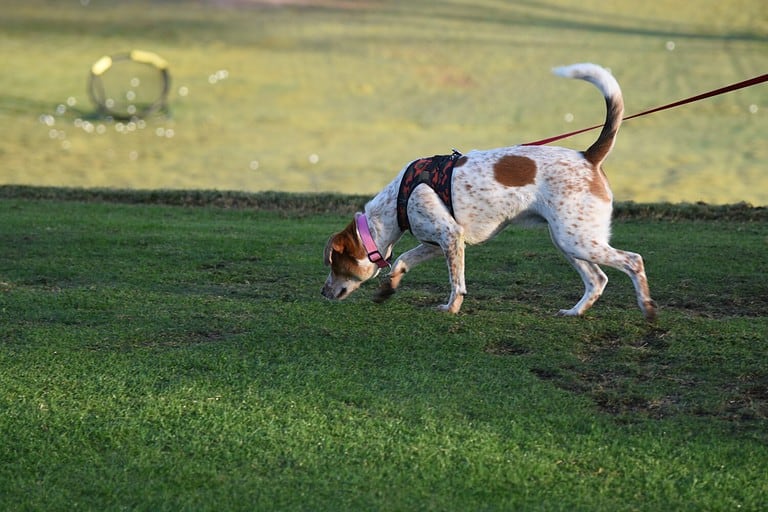
Walking your dog is a great way to keep them in shape.
©Ljupco Smokovski/Shutterstock.com
She also recommends endurance exercises like walks and runs, as well as muscle-strengthening movements. These exercises help “stabilize the joints, decrease the chance of injury, reduce arthritis-associated pain, decrease inflammation, and improve mobility.”
“Five minutes, one to two times a day, makes a world of difference to your pet,” she says. “Add it to your feeding routine to improve your human animal bond as an added bonus.”
The key is to incorporate regular, low-intensity exercises rather than high-intensity ones.
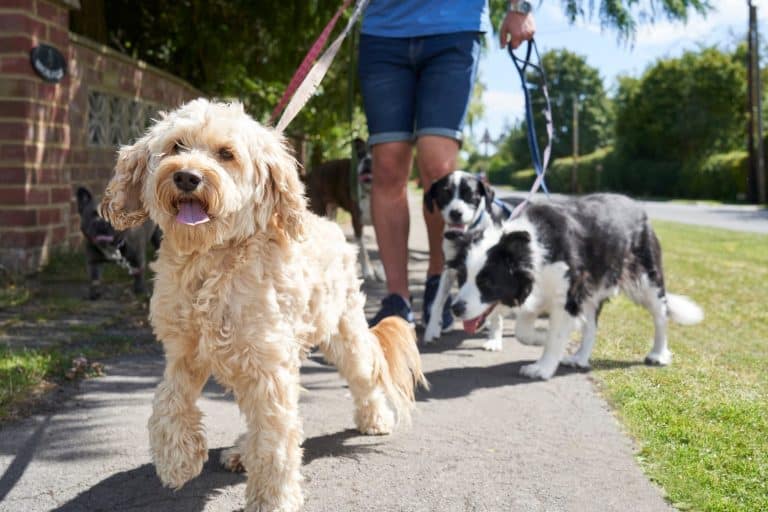
“While high-intensity activity may no longer be appropriate, physical activity remains essential for cardiovascular health,” Hsia says. “Pet owners should take their dogs on short, frequent walks versus one long, strenuous outing. Monitoring for signs of fatigue or pain, such as lagging behind, difficulty rising, or heavy panting, is important in order to adjust the length of physical exercise.”
4. Use Acoustic Therapy
A unique way to support your aging pup is through acoustic therapy, which uses sound waves to treat pain and other issues.
“Using sound and vibration can decrease stress, improve fascia extensibility (the fascia’s ability to stretch, improving joint range of motion), and decrease scar restrictions,” McCauley adds. “Using a high-quality tuning fork for both sound (relaxation) and contact for tissue effects improves mobility, decreases discomfort, and enhances quality of life.”
5. Provide Accommodations
Just as you would for an aging parent or relative, provide some in-home accommodations to support your pup through its senior years.
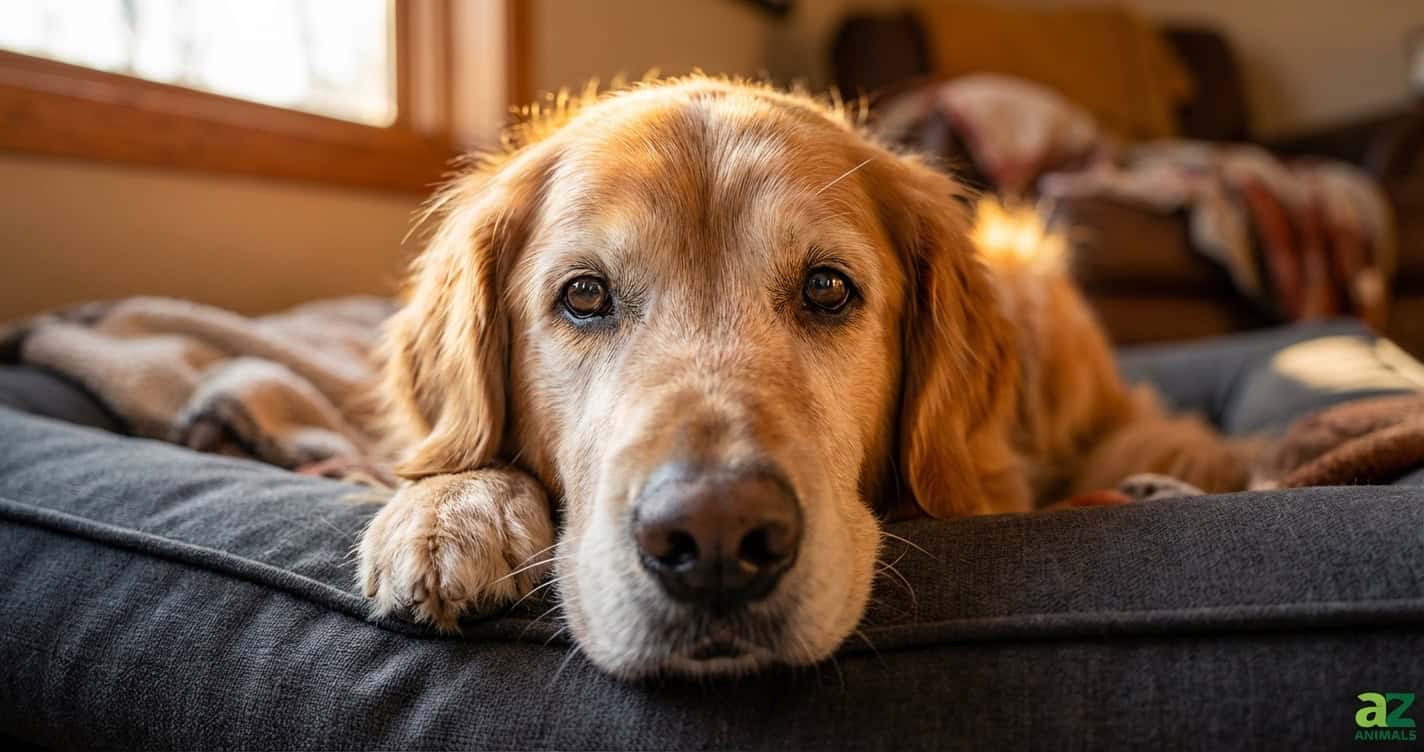
“Mobility is often the first indicator of declining quality of life in senior dogs,” Hsia says. “First of all, pet owners can provide orthopedic bedding to alleviate pressure points on arthritic joints and improve sleep quality.”
Feeding your dog nutritionally complete raw or gently cooked foods decreases inflammation, slows aging, and frequently helps your pet feel much younger and become more active.
Dr. Laurie McCauley, DVM, founder of Optimum Pet Vitality

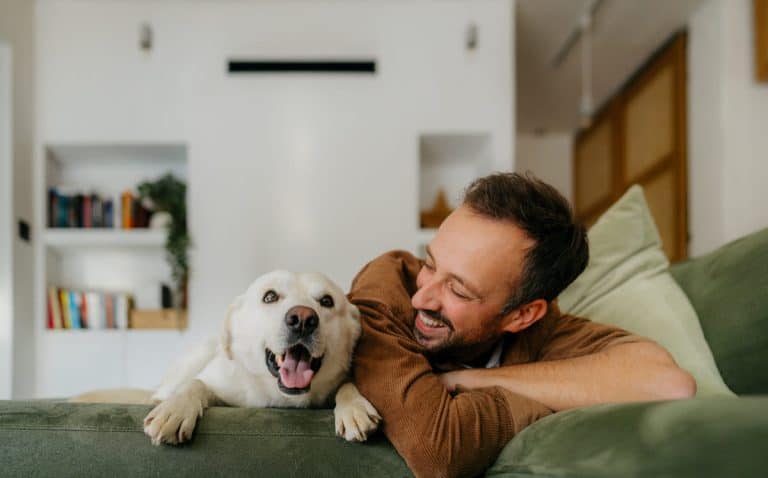
A ramp can help your senior or small dog get up onto the bed or other furniture.
©Masarik/Shutterstock.com
Additionally, consider adding ramps or steps to help your dog access furniture or other necessary areas around the home. Since vision and hearing loss might also occur, avoid making any major home arrangements. That way, your pup can anticipate the same environment using spatial memory.
“Lastly, pet owners can place non-slip rugs on hardwood or tile floors to offer the necessary traction for their senior dogs and reduce the risk of accidental falls,” Hsia adds.
6. Offer Mental Enrichment
Many dog owners will provide their senior pups with mental enrichment tools to support a sharp and engaged mind.
“Mental enrichment, such as puzzle feeders, scent work, and gentle training sessions, helps maintain your dog’s brain function,” says Hsia.