
Quick Take
- Despite stretching 89 feet long, Nagatitan is considered a mid-sized sauropod because true giants could easily double its weight and reach lengths over 100 feet. See the size comparison →
- Its long neck wasn't just for reaching food. Researchers believe it served a completely different survival purpose in Thailand's brutal prehistoric climate. Explore the climate connection →
- It is not extinction, but geography, that limits our chances of finding a bigger dinosaur than Nagatitan in Southeast Asia. Why no larger finds exist →
- A villager stumbled across bones in 2016 that turned out to be the most complete sauropod specimen ever found in the region. Discover the 2016 find →
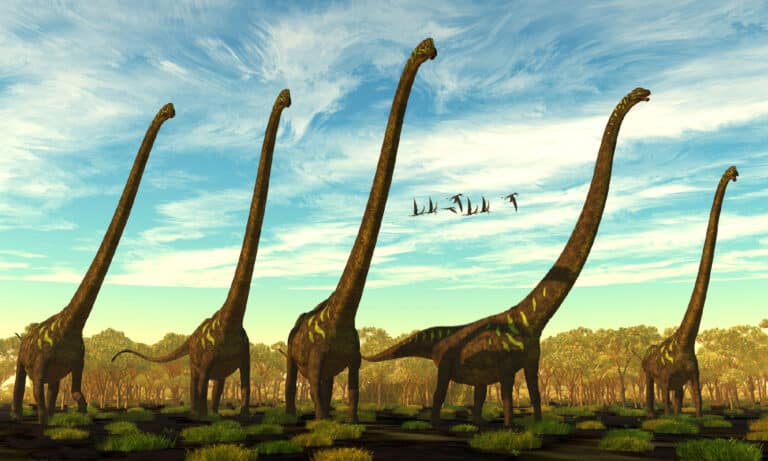
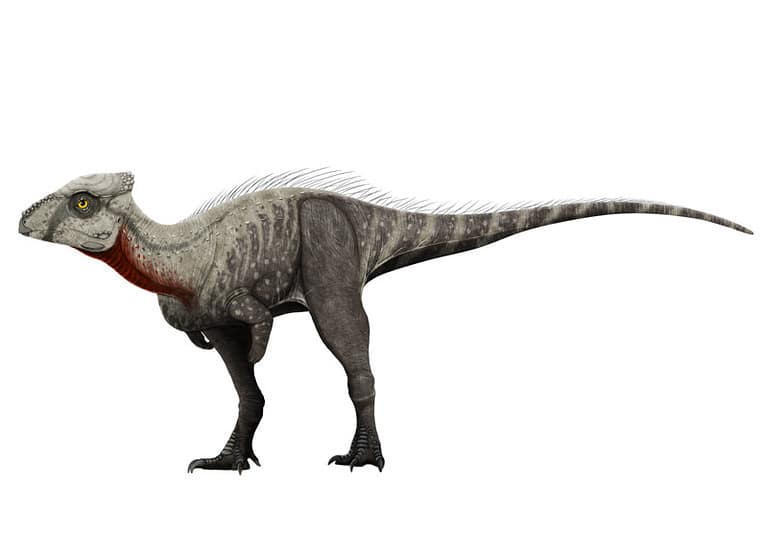
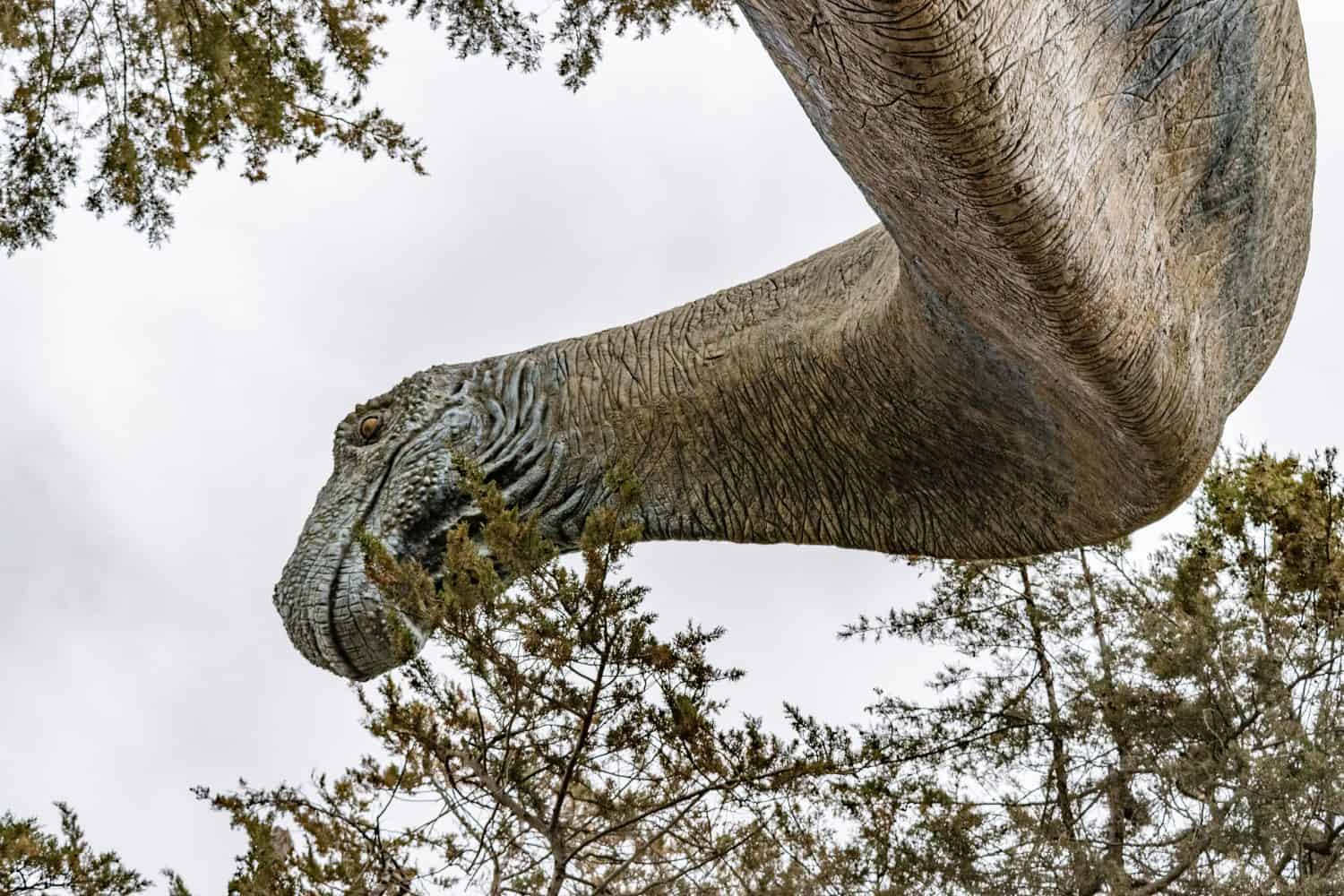
Around 120 million years ago, dinosaur titans roamed what is now eastern Thailand. At this time, Thailand was closer to the equator and not the lush, tropical region it is today. It was a semi-arid landscape of shrublands and meandering rivers where massive sauropods chomped on plants and trampled the ground. It was here that Nagatitan chaiyaphumensis, a newly discovered dinosaur species and possibly the largest dinosaur species ever discovered in Southeast Asia, lived alongside other herbivores and predators. However, at its massive size (89 feet long and as heavy as the equivalent of nine Asian elephants), Nagatitan wouldn’t have had much to fear from predators.
Researchers are calling the newly discovered titanosaur Thailand’s “last titan” because the specimen was found in the region’s youngest dinosaur-bearing rock formation. Colossal dinosaurs thrived in the area before the climate changed, and the dry land was transformed into a shallow sea.
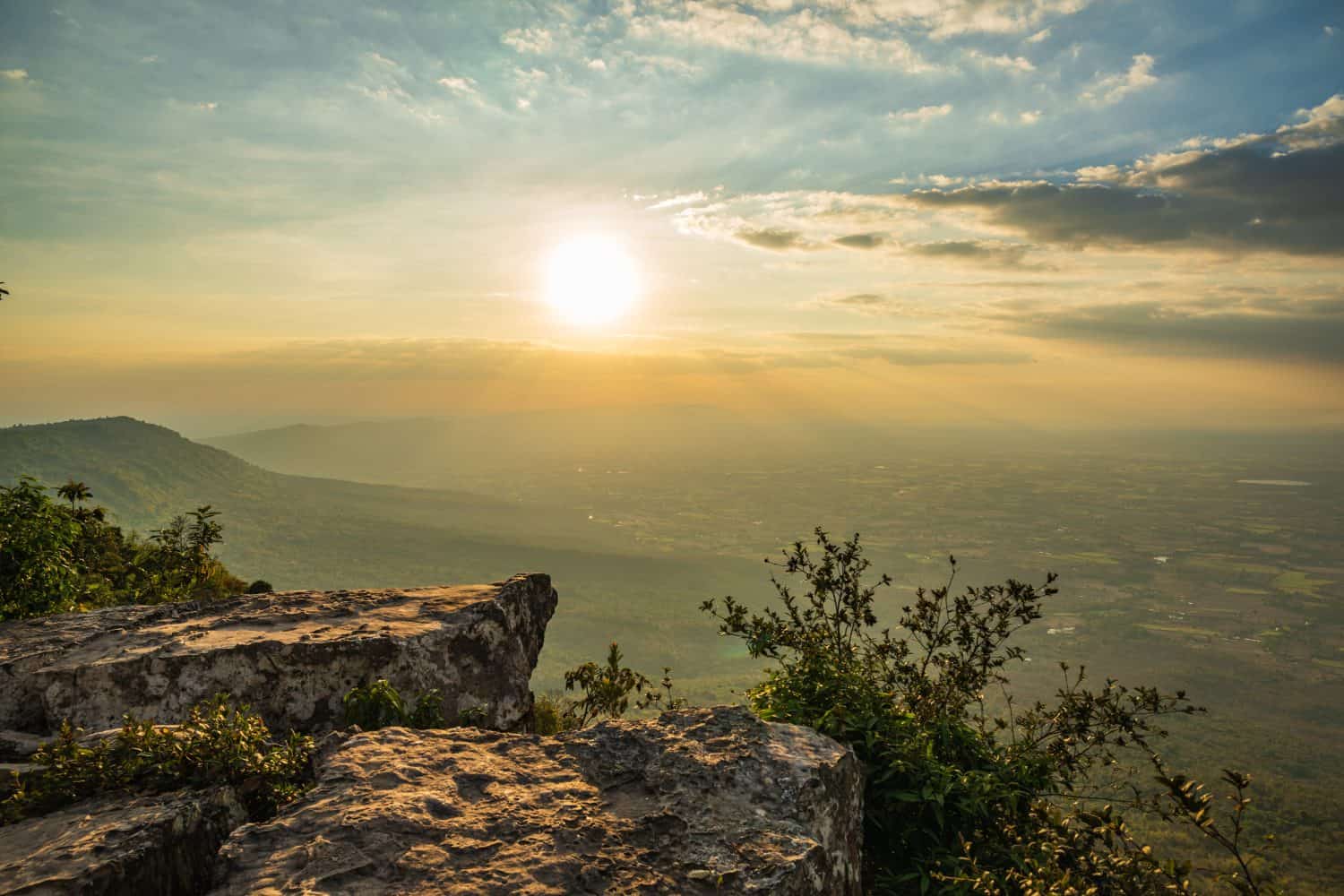
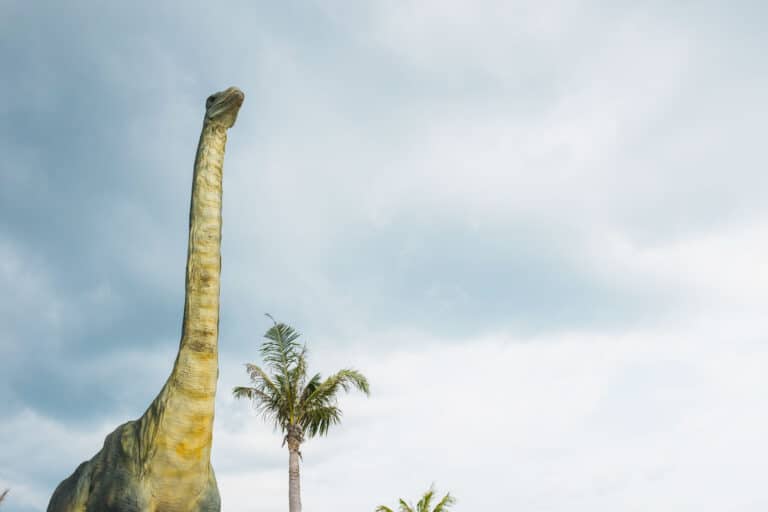
The long-necked dinosaur fossil was discovered in Chaiyaphum Province, northeastern Thailand.
©Chan008/Shutterstock.com
How Big Was Nagatitan chaiyaphumensis?
The new long-necked dinosaur species is described in a recently published study in the journal Scientific Reports. According to researchers, Nagatitan weighed approximately 27 tons and was around 89 feet long, about the size of a blue whale. Its front leg bone, at nearly 6 feet long, was as tall as a human. Lead author Thitiwoot (Perth) Sethapanichsakul told Science Daily, “Our dinosaur is big by most people’s standards — it likely weighed at least 10 tonnes more than Dippy the Diplodocus (Diplodocus carnegii). However, it is still dwarfed by sauropods like Patagotitan (60 tonnes) or Ruyangosaurus (50 tonnes).”
Thailand’s Last Titan
Nagatitan lived around 100 to 120 million years ago during the Early Cretaceous period. The climate was dry and hot, but researchers believe sauropods adapted by using their long necks and tails to release body heat. The large surface area of their tails gave them more space to release heat, while their long necks helped them dissipate body heat. Other animals that roamed the area were ancient crocodiles, smaller herbivores, flying reptiles, and giant predators. Nagatitan is one of the youngest species of dinosaurs to be discovered in Thailand.
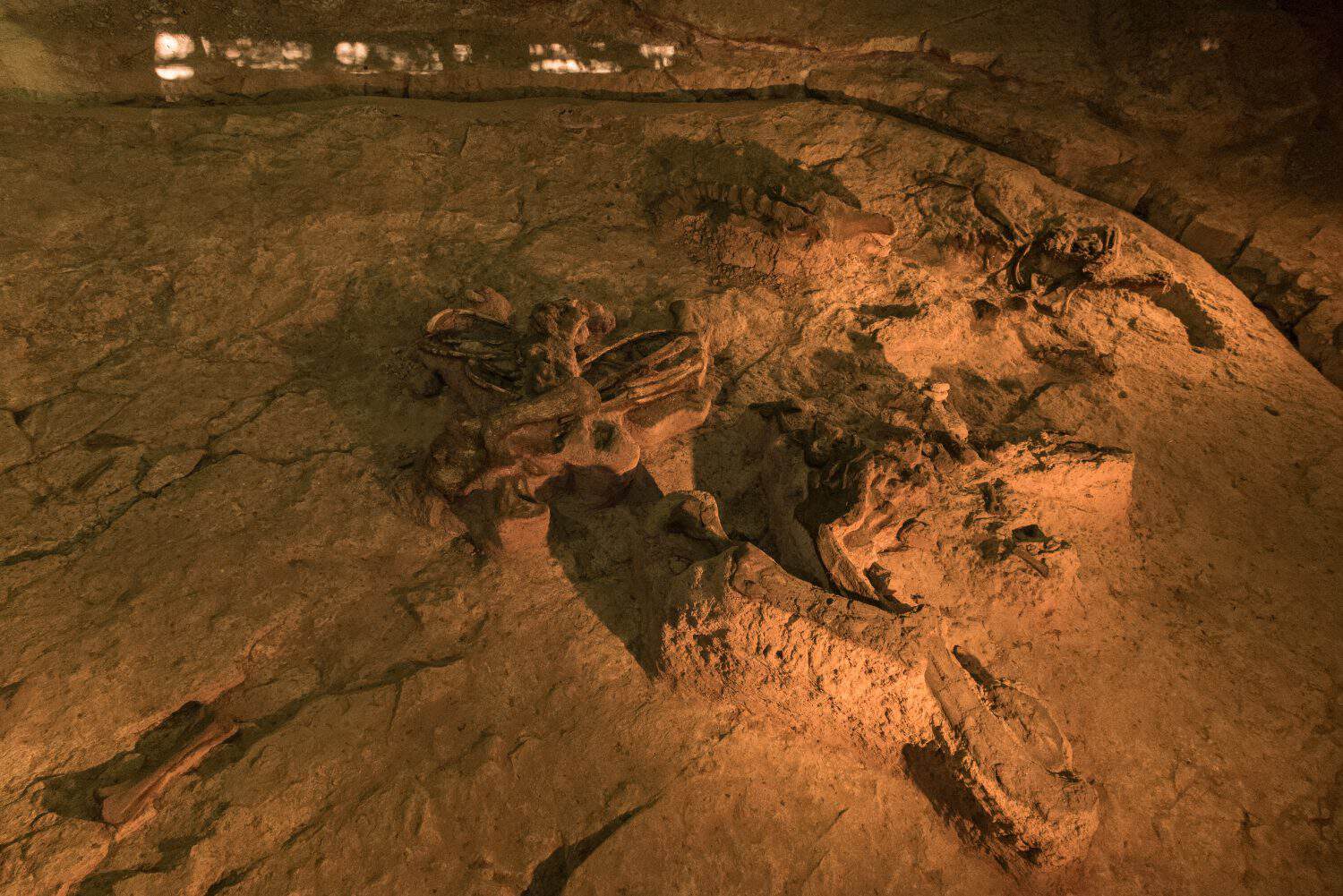
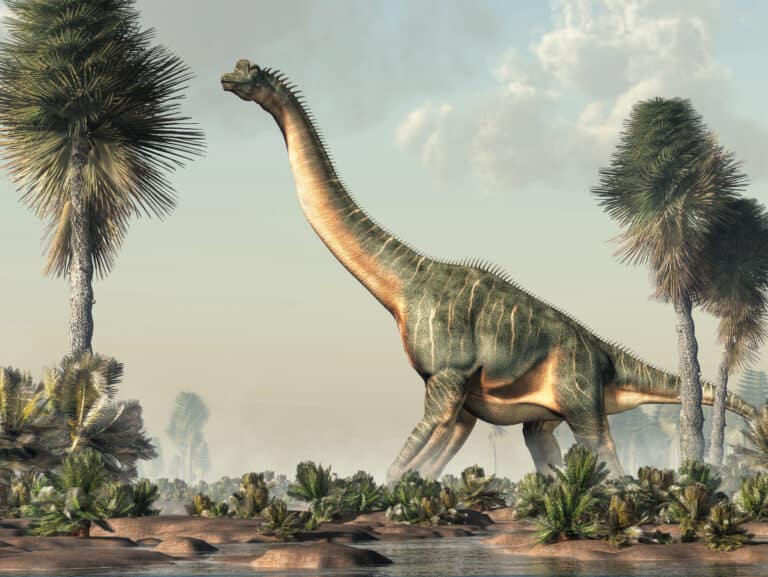
The Nagatitan chaiyaphumensis fossil is the most complete sauropod specimen that has been uncovered around the Khok Kruat Formation of eastern Thailand.
©JYPSphoto/Shutterstock.com
Sethapanichsakul explained to Science Daily, “We refer to Nagatitan as ‘the last titan’ of Thailand. That is because it was discovered in Thailand’s youngest dinosaur-bearing rock formation. Younger rocks laid down towards the end of the time of the dinosaurs are unlikely to contain dinosaur remains because the region by then had become a shallow sea. So this may be the last or most recent large sauropod we will find in Southeast Asia.”
How the Fossils Were Uncovered
Nagatitan is a genus of long-necked sauropod dinosaurs. The name comes from “Naga,” which is a mythical serpent-like deity revered in Southeast Asia for over 2,000 years. Researchers gave it the species name “chaiyaphumensis” to represent the Chaiyaphum province, where the fossils were found. A villager, Thanom Luangnan, spotted the dinosaur bones in 2016 in the Khok Kruat Formation. Thailand’s Khok Kruat Formation is a rock formation where a diverse number of fossils have been uncovered from the Early Cretaceous period. Some of the many fossil types include turtles, crocodilians, pterosaurs, sharks, and fish.
The findings included vertebrae, ribs, pelvis bones, and leg bones. By studying the finds and comparing them to other closely related species, scientists determined that they had discovered an entirely new—and very large—species of dinosaur.
Southeast Asia’s Dinosaur Boom
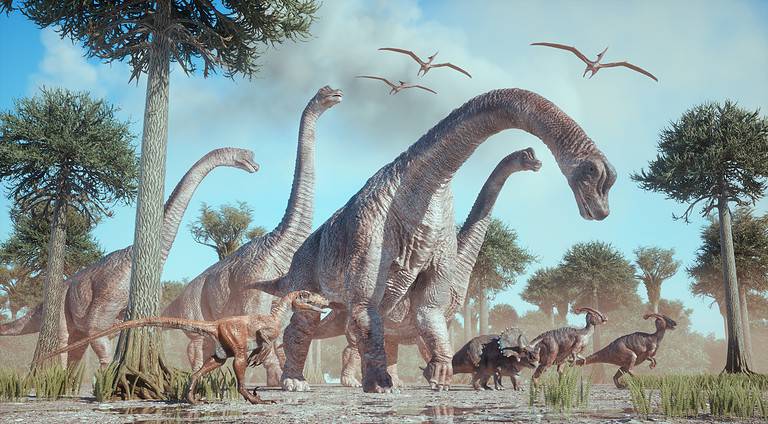
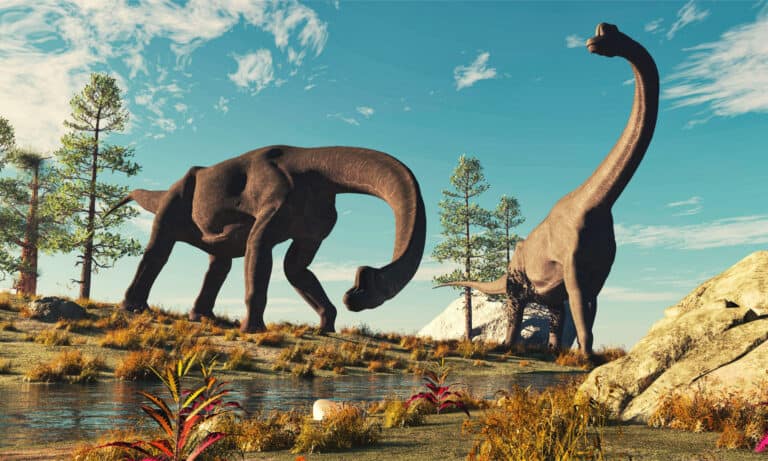
One of the world’s most famous sauropods is the genus Brontosaurus. These enormous herbivores lived in North America, and many fossils have been found in the American West. However, Southeast Asia was also home to its own region of titans. Sethapanichsakul told DiscoverWildlife, “My dream is to continue pushing to get Southeast Asian dinosaurs recognised internationally.”
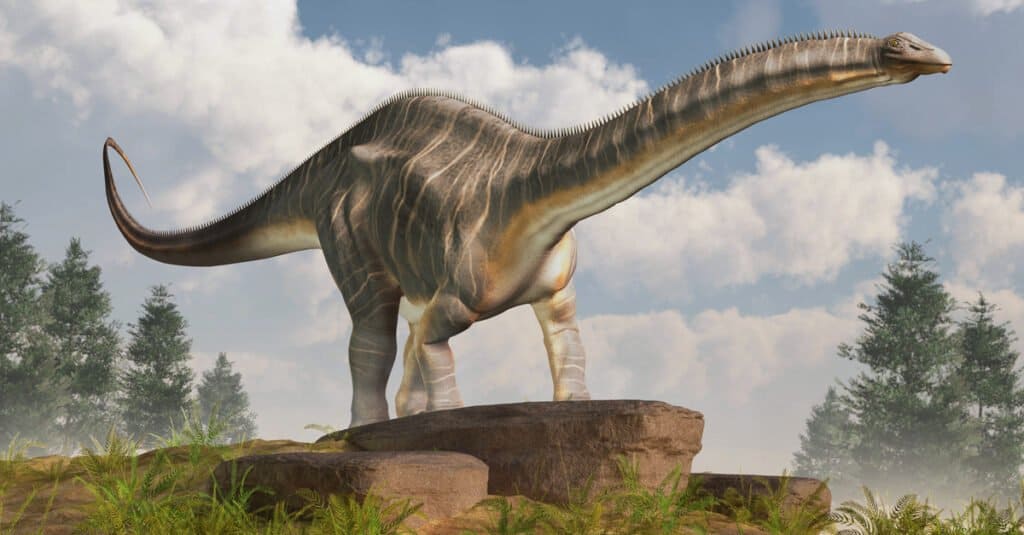
The recent discovery in Thailand helps scientists bridge the paleontology gap and understand how a warm and dry climate was conducive to later sauropods reaching massive sizes, such as Brontosaurus.
©Daniel Eskridge/Shutterstock.com
Nagatitan is the 14th dinosaur species to be officially named from Southeast Asia. The area has been an important hotspot for understanding the evolution of early dinosaurs. This discovery helps scientists understand how the warm and mostly dry climate allowed sauropods to grow to colossal sizes.
Life-Size Reconstruction on Display
The public can see in person just how massive Nagatitan really was. The Thainosaur Museum at Asiatique in Bangkok announced that a life-size reconstruction of the titanosaur is now on display. The museum contains a comprehensive collection of the many prehistoric creatures that once roamed Thailand, including fossils and life-like recreations.