
Quick Take
- Wasp colonies erupt into tenfold aggression after the queen dies, yet colony failure rates don't budge. Something hidden is keeping them alive. See the study findings →
- Not every wasp joins the power struggle, and what separates the fighters from the others may surprise you. Explore the opt-in-opt-out split →
- Wasps that had never left the nest suddenly become the colony's lifeline the moment the queen disappears. Discover the foragers' role →
- This wasp's chaotic succession model is reshaping how scientists think about power transitions in species as different as meerkats and naked mole rats. Read the broader implications →
The leader is dead, triggering a bitter power struggle between rival factions bent on seizing control. Meanwhile, the ordinary subjects carry on with their everyday tasks and keep society functioning. Does this sound like a political thriller? It’s actually a description of what goes on in a wasp colony when the reigning queen dies. We reveal the drama of a leaderless wasp community and the strategies that make sure they survive.
Introducing the Neotropical Paper Wasp
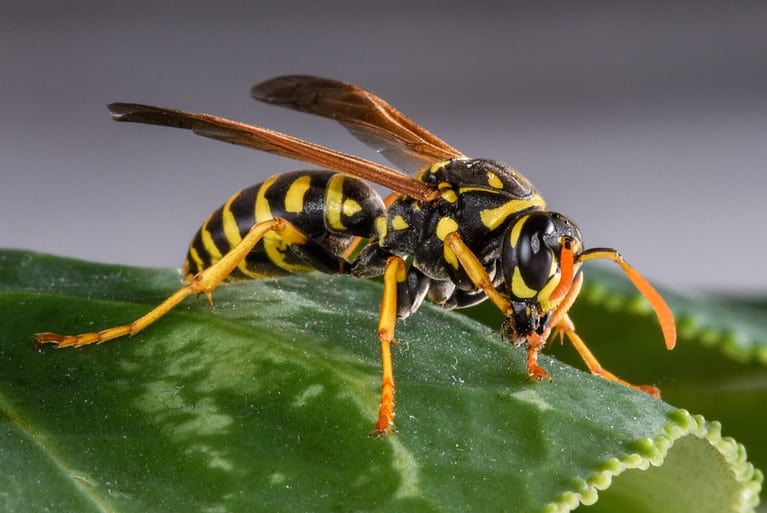
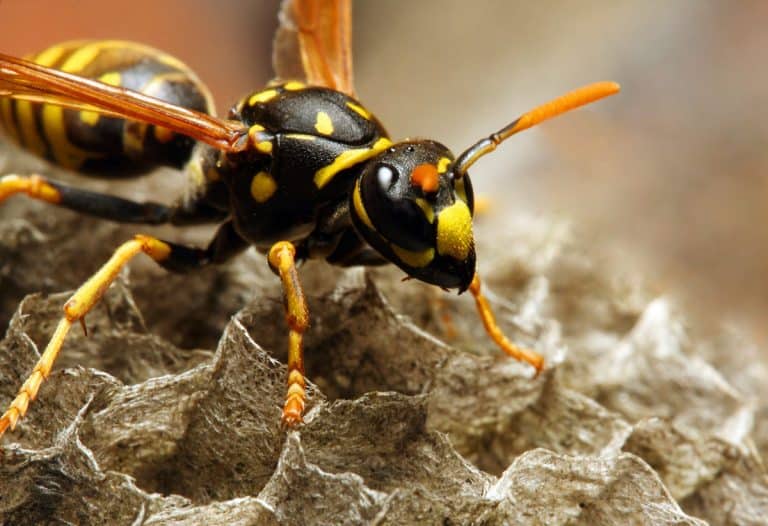
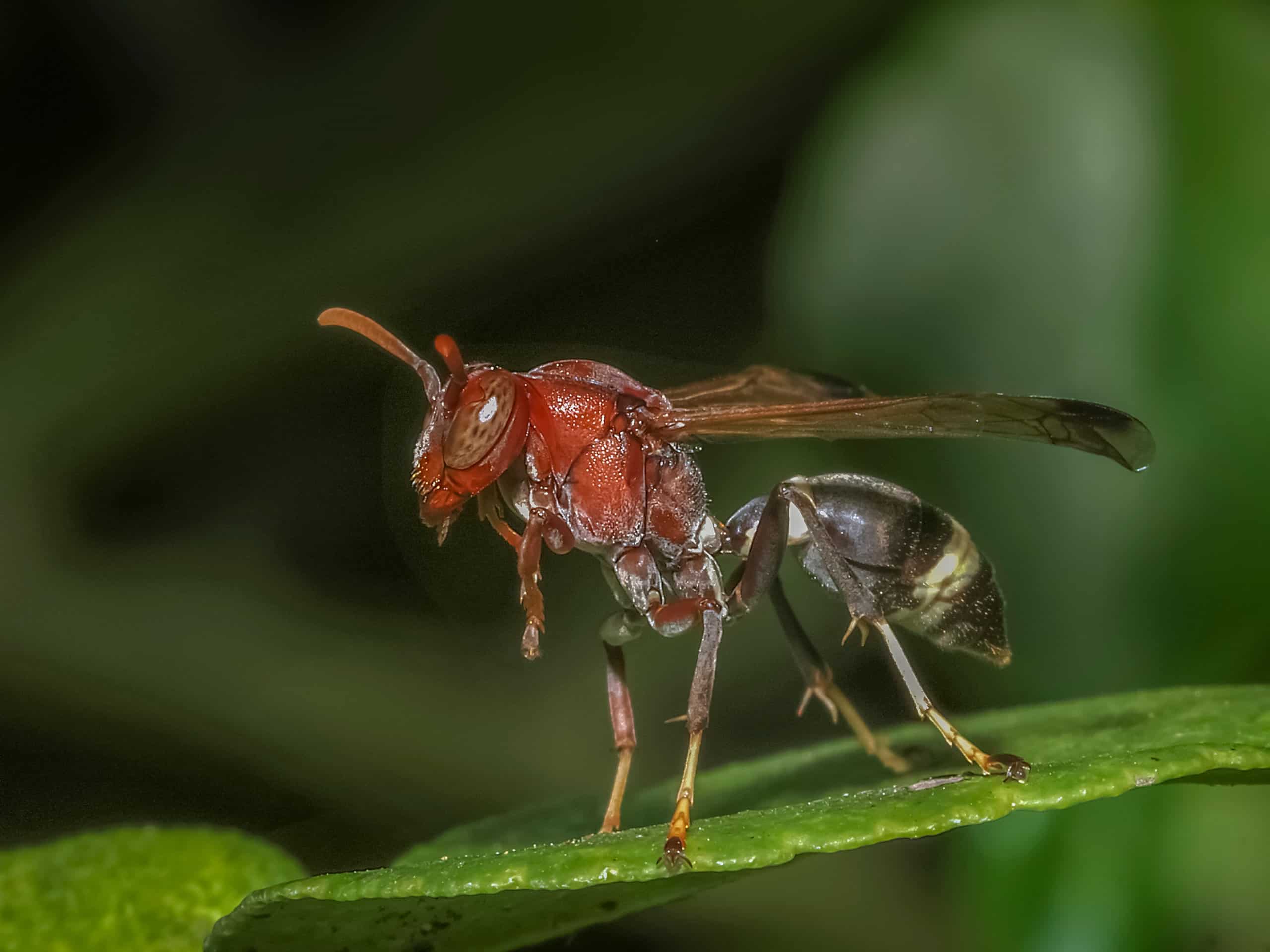
The Neotropical paper wasp (Polistes canadensis) is a type of red paper wasp found from Arizona to Argentina, where it builds nests in open habitats on trunks and large limbs of trees, as well as on buildings. They are a large and predatory species that hunt for caterpillars. Nests are constructed from a mixture of dry grass and dead wood, combined with saliva to form a water-resistant material.
How Does the Neotropical Paper Wasp Breed?
These wasps are what scientists term ‘cooperative breeders’. This means that, in addition to parents, the offspring are raised by alloparents, who are essentially helpers. All of the females in the colony are potentially able to breed, but only one individual does so at any given time. The breeding female is referred to as the ‘queen,’ and she exercises absolute dominance over all of the other females. This maintains a calm and orderly colony—until the queen dies.
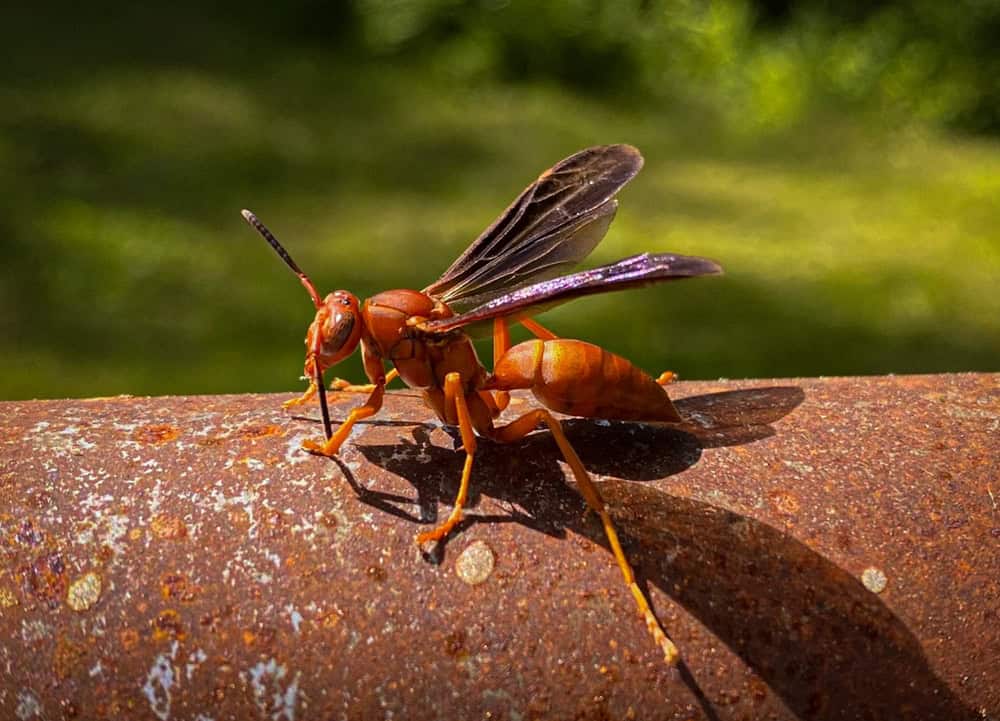
Red paper wasps are cooperative breeders.
©cb_pictures/Shutterstock.com
In some animal species, the death of the breeding female is not a big problem because there is a pre-existing dominance among the others. For other animals, there is no smooth transition of power, and a chaotic struggle for dominance ensues. In the Neotropical paper wasp, this results in intense aggression among females. You might expect the colony to suffer at this time, as the wasps are preoccupied with fighting and neglect essential tasks such as caring for the young, finding food, and maintaining the nest. Yet, there is no evidence of increased colony failure after a queen dies. How is this possible?
Researching Paper Wasp Colonies After the Queen’s Death
Researchers led by a team from University College London investigated the dynamics of queen succession in the Neotropical paper wasp. Previous studies had shown that this species has an aggressive competition-based succession system, accompanied by a disruption to the social structure. However, experts did not understand the details of the stages of aggressive succession and did not know what factors determined which female would eventually become the new queen.
The researchers initiated a succession competition in several wasp colonies by removing the queen. They observed the colony in the queen’s absence and defined aggression as behaviors such as biting, grappling, stinging, chasing, and aerial fighting. They hypothesized that removing the queen would trigger aggressive interactions and upset the social hierarchy. Also, they measured the cost inflicted on the colony by this aggression in terms of disrupting communication and foraging. Finally, they examined whether any mechanisms protected the colony from failure while all this was going on!
Choosing to Fight or Forage
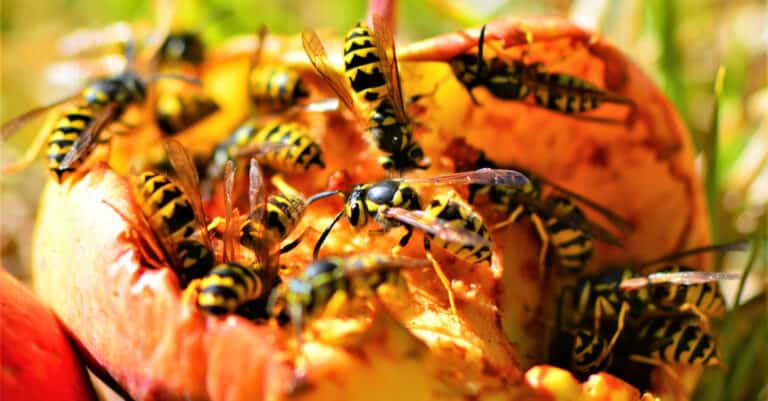
There was a clear and truly aggressive contest after the removal of the queen. Wasps that had previously foraged reduced this activity and increased their aggression instead. Conversely, wasps that had not previously foraged or even left the nest stepped into the breach and started foraging. These wasps compensated for the disruption, ensuring the colony continued to function smoothly.
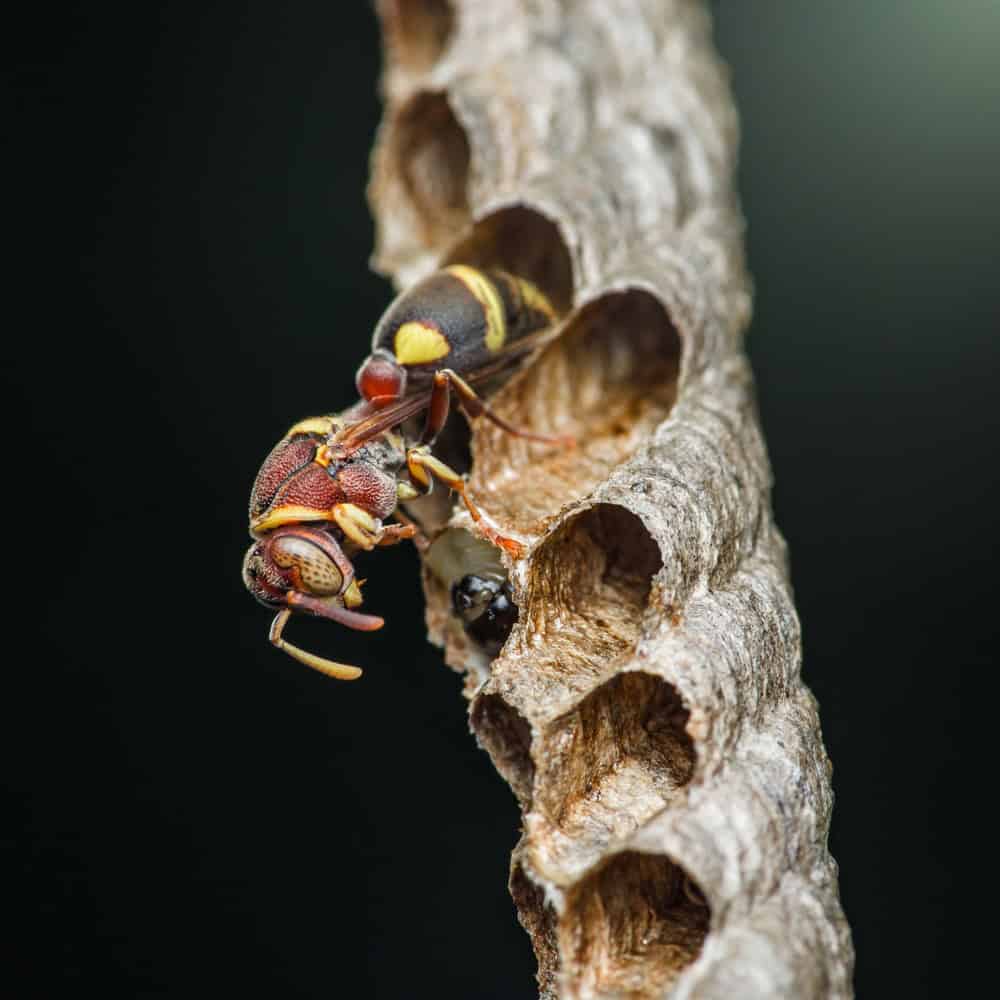
Foraging paper wasps turn into fighters.
©Pawich Sattalerd/Shutterstock.com
Aggression is common in this wasp species. Even in stable colonies, there are low but significant levels of aggression. Most aggression is displayed by the queen and directed at subordinates, allowing her to suppress their reproduction and maintain dominance. There was some low-level aggression between workers, but not all of them engaged in it. After the queen was removed, aggression increased tenfold, but not uniformly. Some females responded by spending more time foraging away from the nest.
The researchers concluded that a compensatory mechanism activates to protect the colony from potentially destructive infighting, which explains why colony failure rates do not increase after the queen’s loss. However, the researchers were not able to establish what determines whether a given female wasp competes or compensates.