
Quick Take
- Following every rule on the trail still isn't enough, according to a massive new study that reveals exactly what responsible hikers are still getting wrong. See why rules aren't enough →
- Not every species runs from humans. Some are doing the opposite, and the reason why is stranger than you'd think. Explore species that approach humans →
- COVID lockdowns accidentally handed scientists the perfect experiment, and what wildlife did when humans disappeared changes how we think about conservation. See the COVID lockdown experiment →
Picture this. You’re quietly hiking along your favorite trail, doing all the things an outdoor enthusiast should do. You stay on the marked trail, don’t make excessive noise, and leave no trace. You return home satisfied that you recreated responsibly and left nature exactly as you found it.
But did you? A new study published in Science suggests that may not be the case. The findings could alter how people interact with the natural world all around us.
About the Study
The study represents a six-year collaboration between researchers at Yale University and colleagues from more than 50 academic and government organizations around the world. The study used GPS devices to track 37 species, including 22 birds and 15 mammals, across the United States.
The mammals tracked included bears, wolves, cougars, raccoons, skunks, white-tailed deer, and other species. The birds tracked were larger species like bald eagles, storks, cranes, vultures, and hawks. The researchers collected nearly 12 million data points over the course of six years. The data came from more than 4,500 individual animals.

Wolves are one species that expand their territory to avoid human interaction.
©The Wolf Conservation Center
Then, the team turned to mobile phone data and satellite measurements to track human movement in the animals’ habitats. The purpose was to study habitat use and to see how human behavior influenced animal movement.
Researchers directly compared 2019 and 2020 data from the same time periods to observe how human patterns changed with lockdowns in place, during which nature was one of the few places people were permitted to go.
The researchers then combined the data and used statistical models to link human activity to environmental conditions. The findings were surprising.
What the Study Actually Found
The results showed that more than 65 percent of species changed their behavior when humans were present. More intriguing was that the human influence was most noticeable in natural settings with less development.
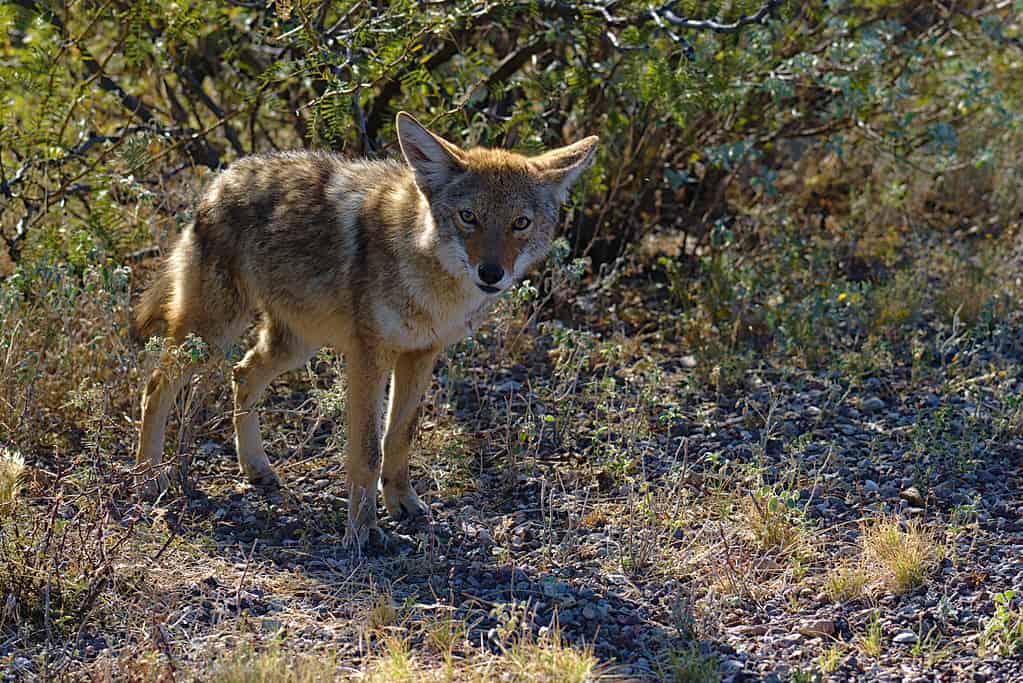
Coyotes tend to decrease their range when humans are present, choosing instead to hunker down until the perceived threat passes.
©Sean Hannon/iStock via Getty Images
The places where these animals changed their behaviors were not necessarily where you’d expect, either. The biggest behavioral shifts happened in national parks, forests, and protected coastal areas rather than neighborhoods and other developed spaces.
But not every species responded in the same way.
Species Response was not One-Size-Fits-All
As you’d expect, many species went to great lengths to avoid human interaction. Some did that by reducing the amount of space they used when humans entered the picture. Coyotes tended to hunker down and restrict their movements to avoid animal-human engagement.
But some species took the opposite approach, and for different reasons.
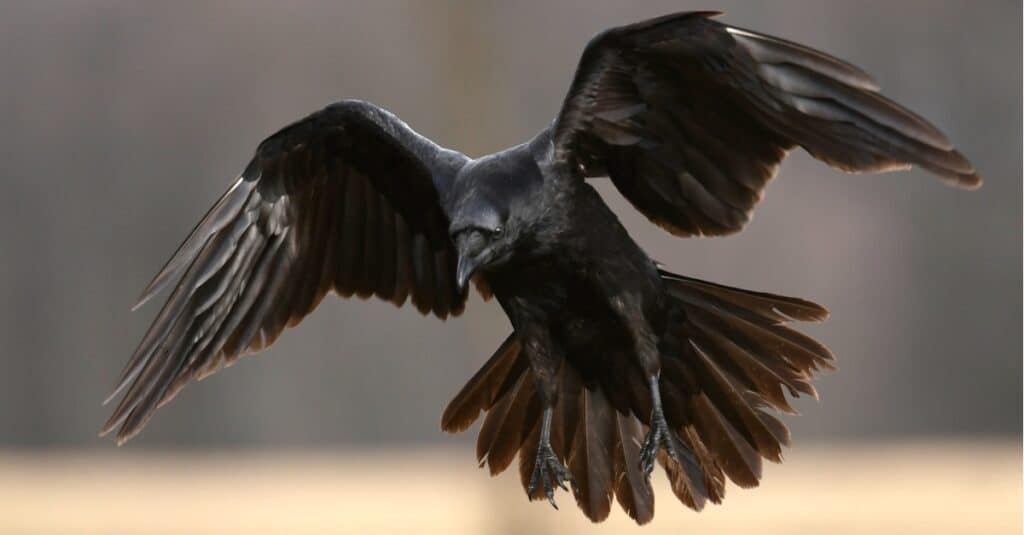
Ravens expanded their areas, likely to pursue new food sources that humans provide.
©iStock.com/Piotr Krzeslak
Researchers found that gray wolves actually expanded their normal range, presumably to avoid engaging with humans at all. Ravens also started covering more ground, but not to avoid people–just the opposite. Researchers believe the birds sought out human presence to benefit from new food sources.
Another interesting finding from the study is that individual animals adjust their behavior from year to year. This suggests that animals may initially respond in one way, like expanding their territory to avoid humans, but then adjust their travel patterns after they get used to the human presence.
Why These Findings Matter
For a long time, researchers and conservationists knew that habitat loss was one of the biggest threats to biodiversity loss. It was a foundational belief underlying protection of natural lands and spaces. And it works.
Now, though, they have another factor to consider–people’s general use of natural areas for recreation.
This study shows that even the most conservation-minded outdoor recreationist has a direct impact on animal behavior. The study also highlights how technology can guide future research efforts. Leveraging and combining GPS tracking and satellite data to compare human presence with wildlife is just one example.
“The cutting-edge technology used in this study allows us to see, with unprecedented detail, how variable wildlife responses to human activities really are,” said Scott Yanco, a research ecologist at the Smithsonian’s National Zoo and Conservation Biology Institute and a study co-author, in a recent news story.
What’s Next?
The study suggests that future conservation efforts need to focus on more than just habitat loss. Looking at where and when people head into nature should also be considered.
One approach is to manage where and how humans enjoy natural habitats. Looking at ways to reduce habitat disturbances and minimize traffic at key times are just two strategies suggested by researchers. Such strategies are already in place in many areas. Now there’s data to back up that rationale.
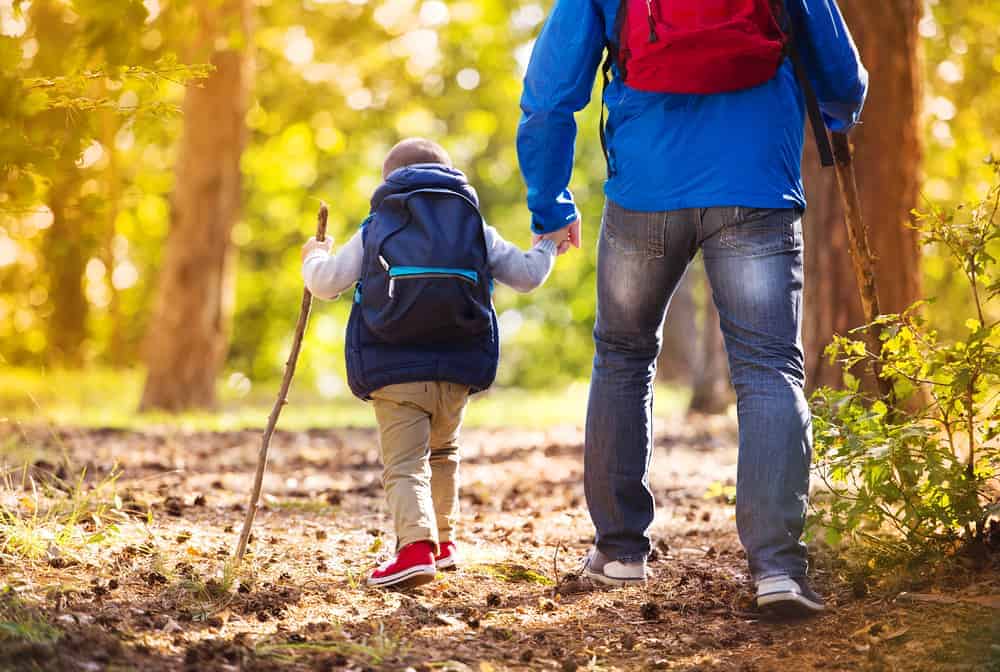
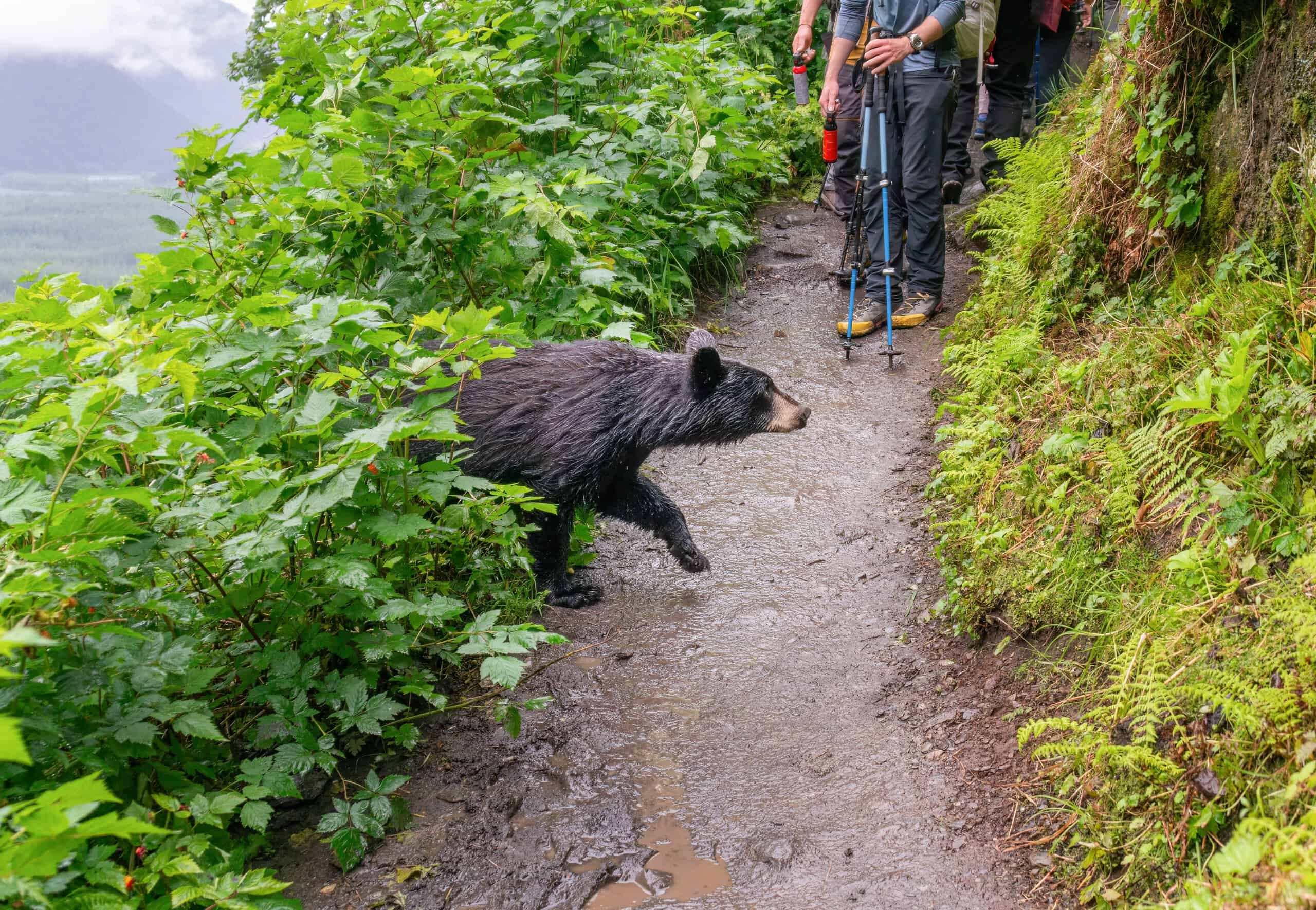
When and where you recreate influences animal behavior more than previously understood.
©Ground Picture/Shutterstock.com
As study co-author Yanco clarified in the news story, “This means that conservation strategies need to be very targeted, not one-size-fits-all.”
What is the lesson for outdoor enthusiasts? Keep recreating and enjoying time in nature. When you do, consider that the times and places you choose matter more than you might think.