
Quick Take
- Most people blame the wrong thing for dog allergies, and that misunderstanding changes everything about which breeds are truly "safe." See what triggers allergies →
- Calling a dog breed hypoallergenic sounds reassuring, but the label may be misleading you in a way that matters before you adopt. Check the hypoallergenic label →
- There's a smart way to test your compatibility with a specific Pomeranian before you commit, and most allergy sufferers skip it entirely. Try before you adopt →
- One overlooked home habit could be making your allergy symptoms significantly worse, and the culprit may be where your Pomeranian sleeps. See where Pomeranians sleep →
Pomeranians descend directly from ancient Arctic sled dogs of the German Spitz family, earning their name from the historical Pomerania region in present-day Germany and Poland, where they were developed. Though they originally weighed up to 30 pounds, the breed was downsized in the 19th century by British royalty. Pomeranians were introduced in the U.S. in the late 19th century and were officially recognized by the American Kennel Club in 1900. Pomeranians are a great addition to the family. Although some people may experience fewer allergy symptoms with Pomeranians compared to other breeds, they can still trigger allergies in sensitive individuals. Although they shed very little, they do have dander, which triggers most dog allergies rather than the fur. Continue reading to learn more about this diminutive breed and how to care for them to keep allergies at bay.
Do Hypoallergenic Dog Breeds Exist?
While you might find that some dogs trigger your allergies less than others, there are no truly hypoallergenic dog breeds. Hypoallergenic breeds are typically defined as dogs that shed very little because they have human-like hair. Their coats grow continuously and can get very long, sometimes even trailing the ground when left ungroomed.
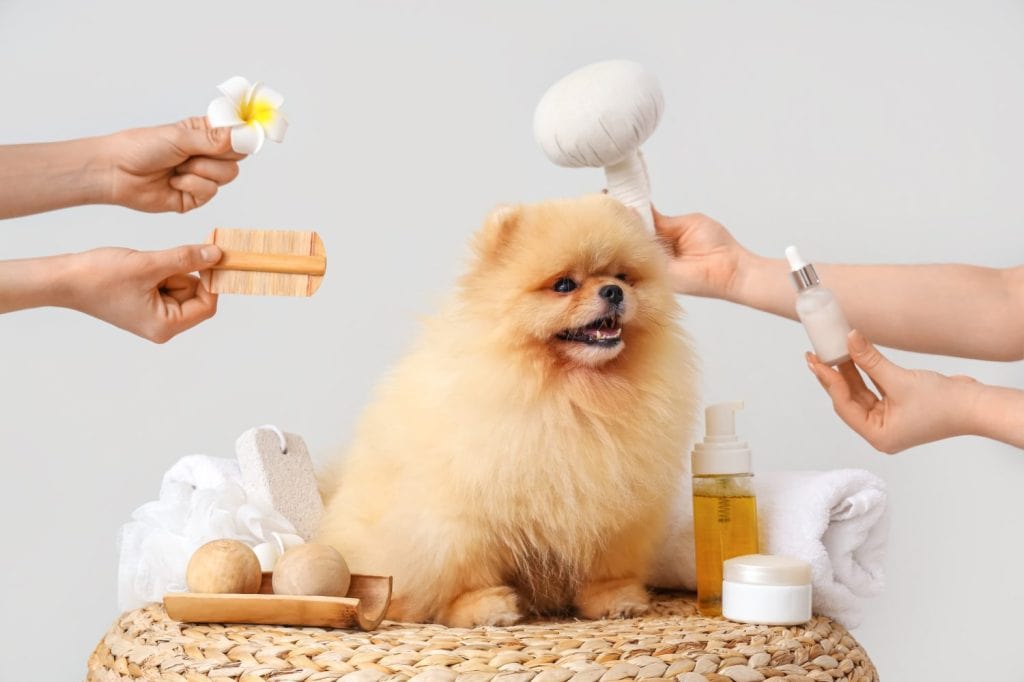
Regular grooming makes Poms less likely to trigger allergies.
©Pixel-Shot/Shutterstock.com
Dog allergies are highly individual. Symptoms are typically triggered by specific proteins found in a dog’s dander (dead skin flakes), saliva, or urine, rather than its fur. Because every dog produces these proteins, hypoallergenic breeds don’t truly exist; they just shed less, releasing fewer fur-related allergens.related allergens.
Are Pomeranians Hypoallergenic?
Pomeranians are not considered hypoallergenic by veterinary experts. They are moderate shedders, and their long coats can still release dander and hair that may trigger allergies.
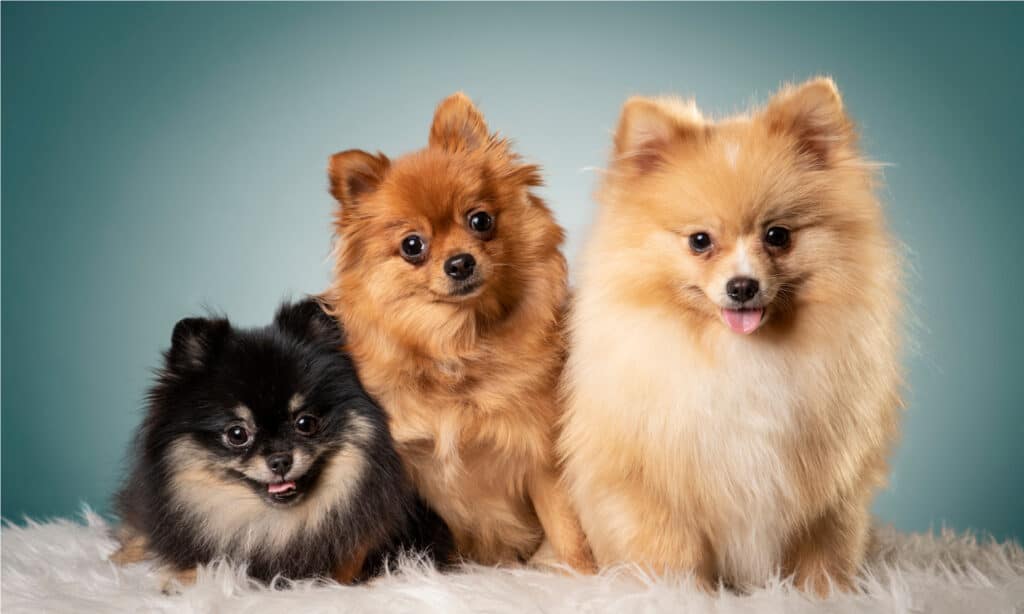
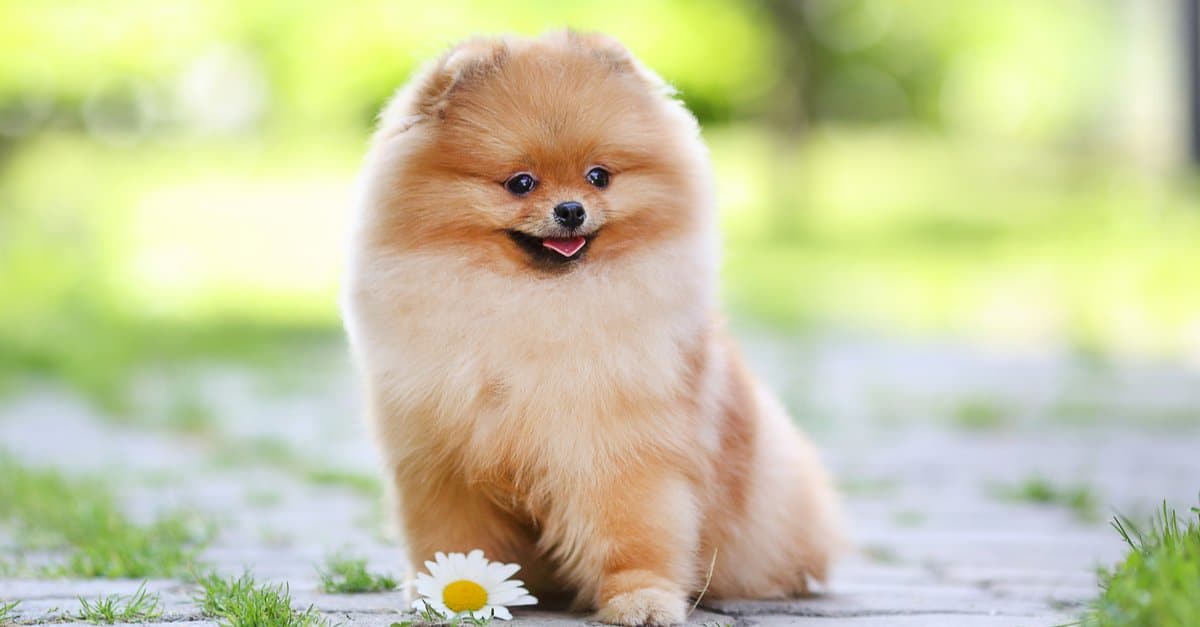
Pomeranians are not considered hypoallergenic.
©Eva Sustar/Shutterstock.com
If you’re considering adopting a Pomeranian and are concerned that it could trigger an allergic reaction, there are steps you can take to determine if your immune system is compatible with this breed.
Meet the Pomeranian Before Adoption
Have a meet-and-greet with the Pom. Run your hands through their coat and give them some belly scratches, which will expose you to their fur and dander. Allow the pup to give you some puppy kisses so that you are exposed to their saliva. This will all help you judge how intense your symptoms are around this particular dog.
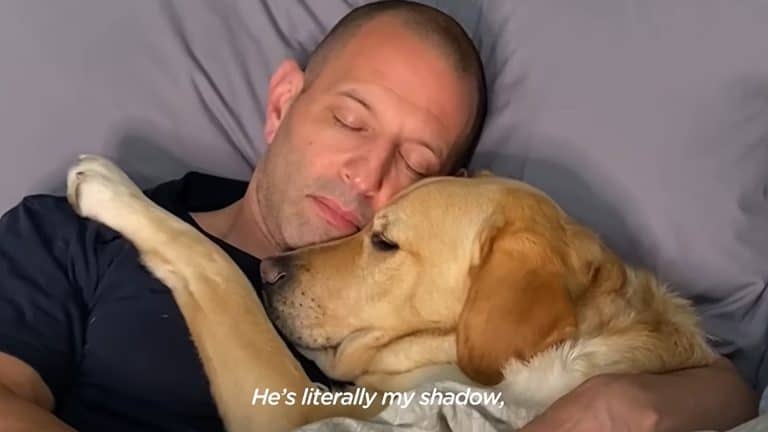
Consider Keeping Your Pomeranian Out of Your Bed
I love sleeping with my pets and actually suffer from my own cat allergies as a result. However, keeping them out of bed can decrease symptoms and keep their fur and dander from touching your face as you sleep. Consider covering your pillows and sheets with the comforter to keep your pet from lying on them during the day. Train your Pom to sleep at the end of the bed at night so it’s not touching your pillows or sheets.
Wash Your Hands After Handling Your Pomeranian
Washing your hands after petting your Pom can alleviate symptoms, especially if you do so before touching your face. I have always had trouble following this advice. Often, allergy symptoms are sinus-related, and touching your face may worsen your symptoms. You might also choose not to hug your dog or bury your face in their fur to reduce exposure.
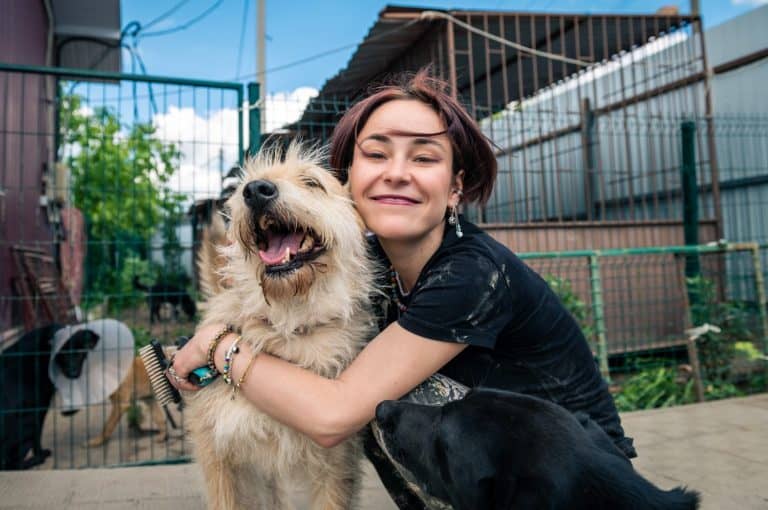
Keep Up With Your Pomeranian’s Grooming
Bathe your Pomeranian regularly to remove loose fur and dander. If you end up adopting a higher-shedding dog, brushing out the dead undercoat can also help control allergies.
Home Improvements
Consider purchasing an air purifier. HEPA air filters are best for keeping the air in your home clean and allergen-free. Vacuum your floors and furniture regularly. You likely won’t be able to see your Pom’s dander around the house, but it is present, and vacuuming regularly will help reduce the amount of dander you come into contact with.
See a Doctor
‘ve saved this for last because it’s so obvious, but if you haven’t seen a doctor for your allergies, they may be able to help with medication or other treatments. There are also many over-the-counter allergy relief medications that you can try.
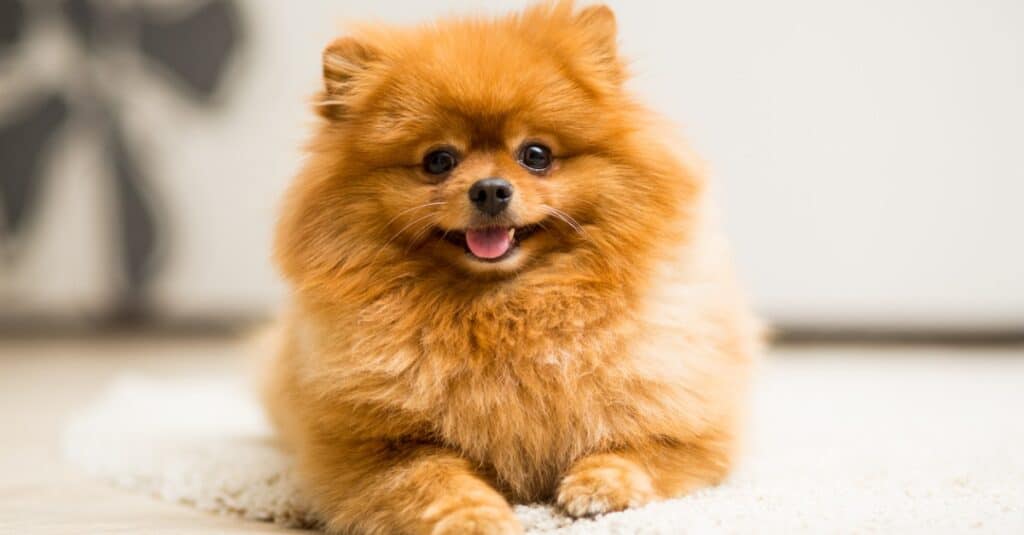
Bathe your Pomeranian regularly to remove loose fur and dander.
©iStock.com/FaST_9