


Quick Take
- This fluffy lapdog shares its bloodline with sled dogs, and that shared ancestry explains some of its most puzzling behaviors today. See the related breeds →
- Pomeranians are ranked as highly intelligent, though that same trait makes them one of the harder small breeds to train. Explore their training challenges →
- Their tiny size can be deceptive. There is a specific situation where a Pomeranian can become genuinely dangerous in your home. See the safety warning →
- A well-meaning feeding habit that works for most dogs can actually put a Pomeranian puppy at serious medical risk. Check the puppy feeding risk →
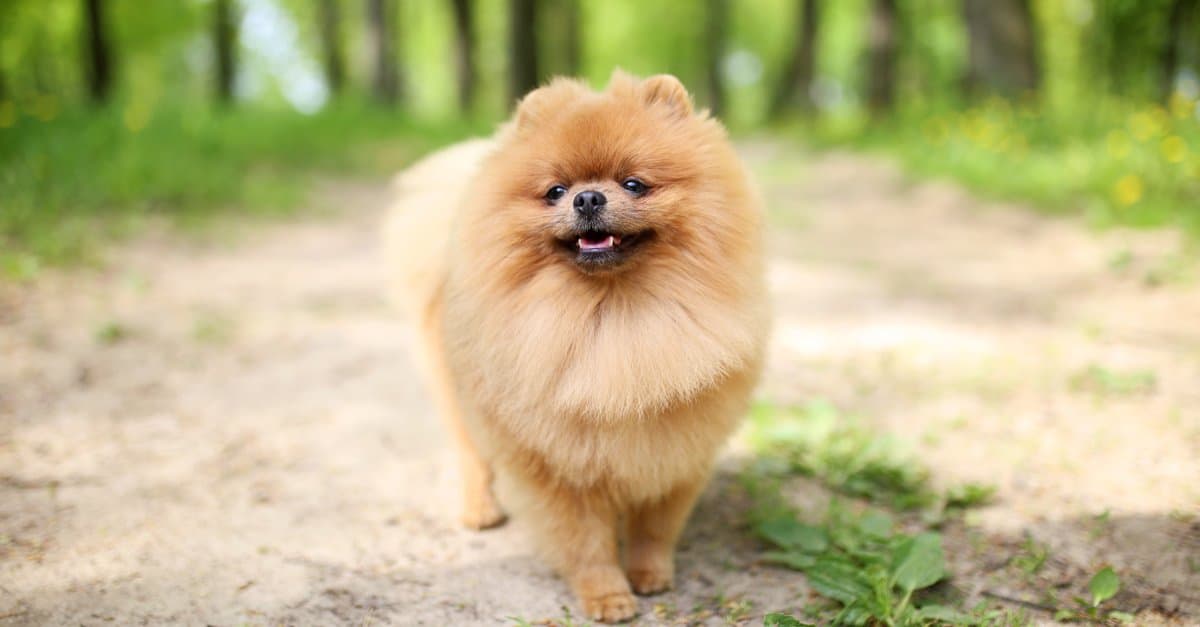
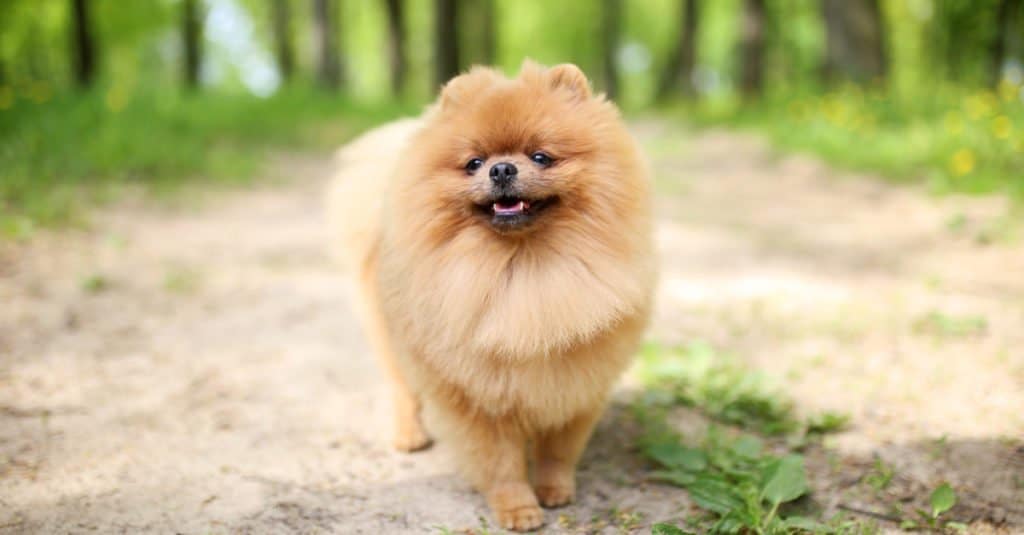
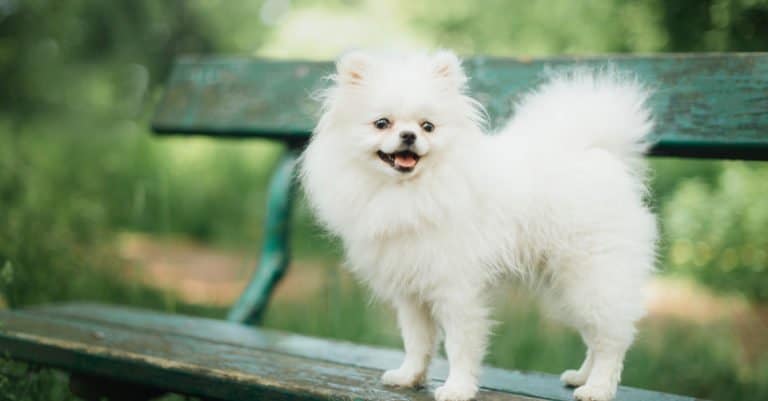
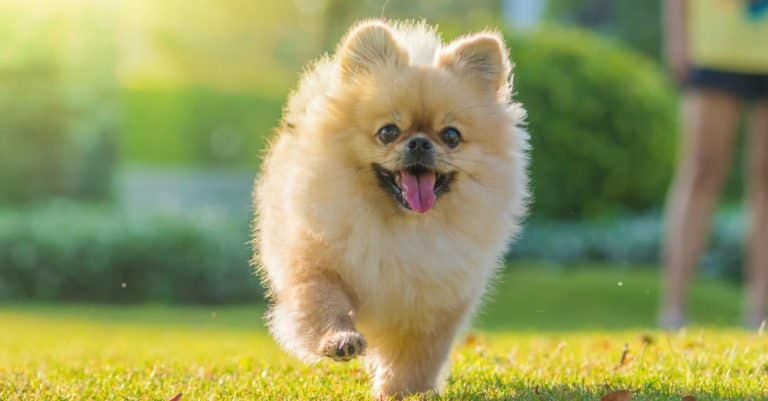
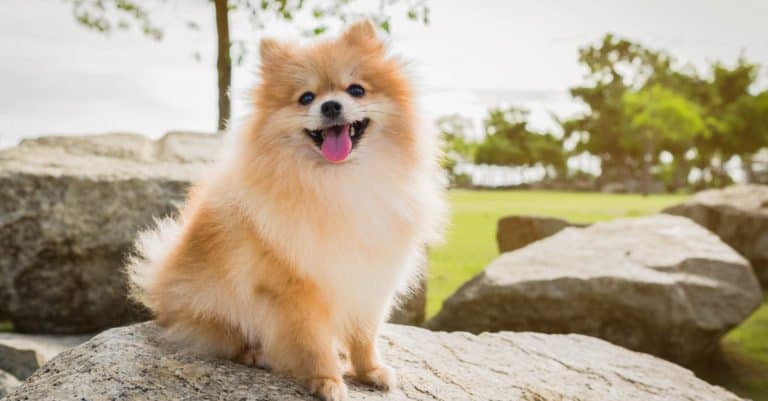
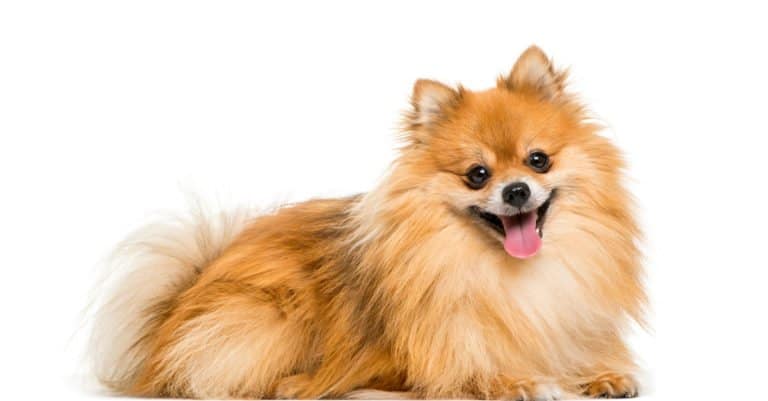
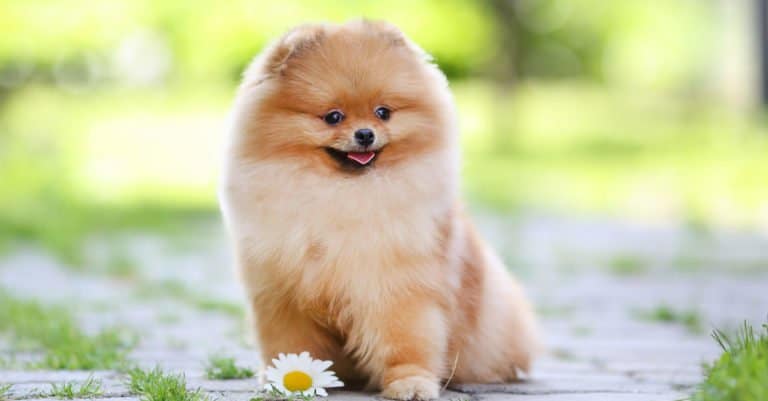
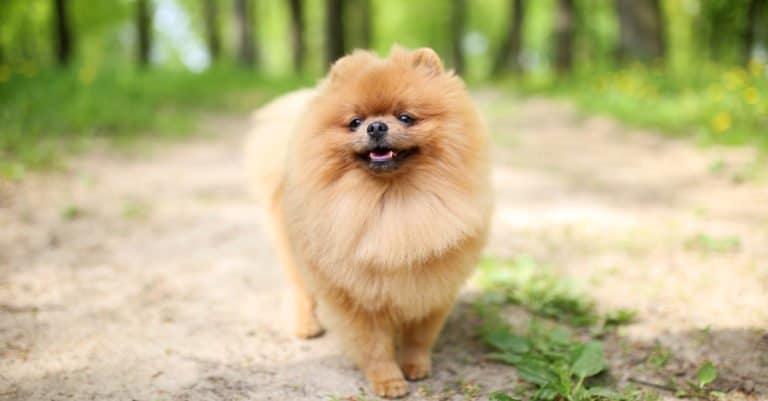
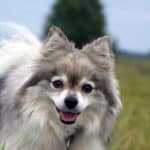
The Pomeranian, or the Dwarf Spitz, is a toy dog, typically weighing between 3 and 7 lbs., with the ideal show weight falling between 4 and 6 lbs. Unlike terriers or other small breeds, its family lineage traces back to sled dogs. Queen Victoria of England played a significant role in popularizing smaller Pomeranians as lapdogs, which accelerated the trend of breeding them to a smaller size. Extremely small Pomeranians, often called ‘teacup’ or ‘miniature,’ have been bred for decades, but the AKC does not recognize these as separate breeds.

3 Pros and Cons of Ownership
| Pros | Cons |
|---|---|
| Extremely intelligent: Pomeranians are smart, understanding their training relatively easily. | Noisy and yappy: Pomeranians are incredibly vocal, barking at anything that they want to intimidate (including strangers). |
| Minimal exercise: Pomeranians like to be active, but they are a little temperamental with the outdoor weather. Since they are prone to heatstroke, they may want to go home sooner than other breeds would. | Constant upkeep: Due to the double-layered coat of the Pomeranian, these dogs need to be brushed daily (if not more) to reduce shedding and to make the dog more comfortable. |
| Fairly healthy: Pomeranians don’t typically get sick, thanks to their impeccable breeding. | Not good with small children: These dogs can become aggressive if they feel inferior, and they don’t like to be overly handled by small children. |
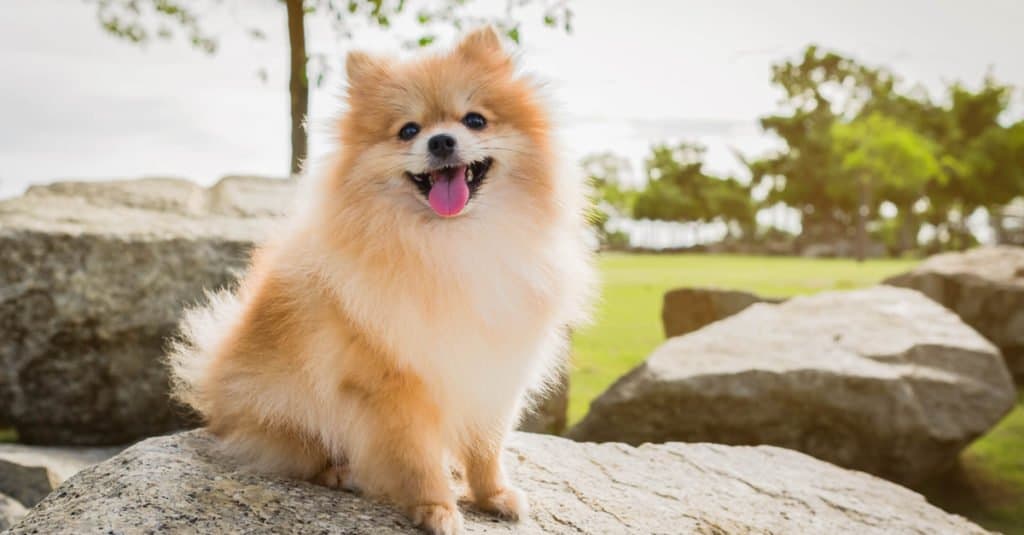
The intelligence of a Pomeranian makes it helpful as both a hearing assistance dog and a therapy dog.
©pattarawat/Shutterstock.com
Size and Weight
Pomeranians used to be large like sled dogs, but they are now known for their short build. The average dog of this variety, whether male or female, measures 6 to 7 inches tall and weighs 3 to 7 lbs. While the male is a little larger, it is primarily due to muscle mass.
The teacup Pomeranian is much smaller. Any Pomeranian under 3 lbs. is not technically recognized by the AKC, since it is considered a teacup spitz.
Common Health Issues
Pomeranians are fairly healthy, but they can be prone to certain health conditions. The most common issue is the luxating patella, which is the dislocation of the kneecap. If the dog starts to walk on only three legs, that is a likely sign of this condition.
Tracheal collapse is common as well, preventing the dog from breathing properly. If this issue occurs, veterinarians can treat it with corticosteroids and cough suppressants. This issue is more common in dogs that are obese.
While it isn’t quite as common, Pomeranians have a greater likelihood of developing Alopecia X than other breeds. Sometimes referred to as “black skin disease,” Alopecia X causes hair loss, though it doesn’t result in inflammation.
The leading causes of death among adult Pomeranians are typically heart disease, kidney failure, and cancer, though gastrointestinal issues like inflammatory bowel disease and lymphangiectasia (leakage in the intestines) can also occur.
Sadly, the most common reason for the death of a Pomeranian puppy is physical trauma.
Temperament
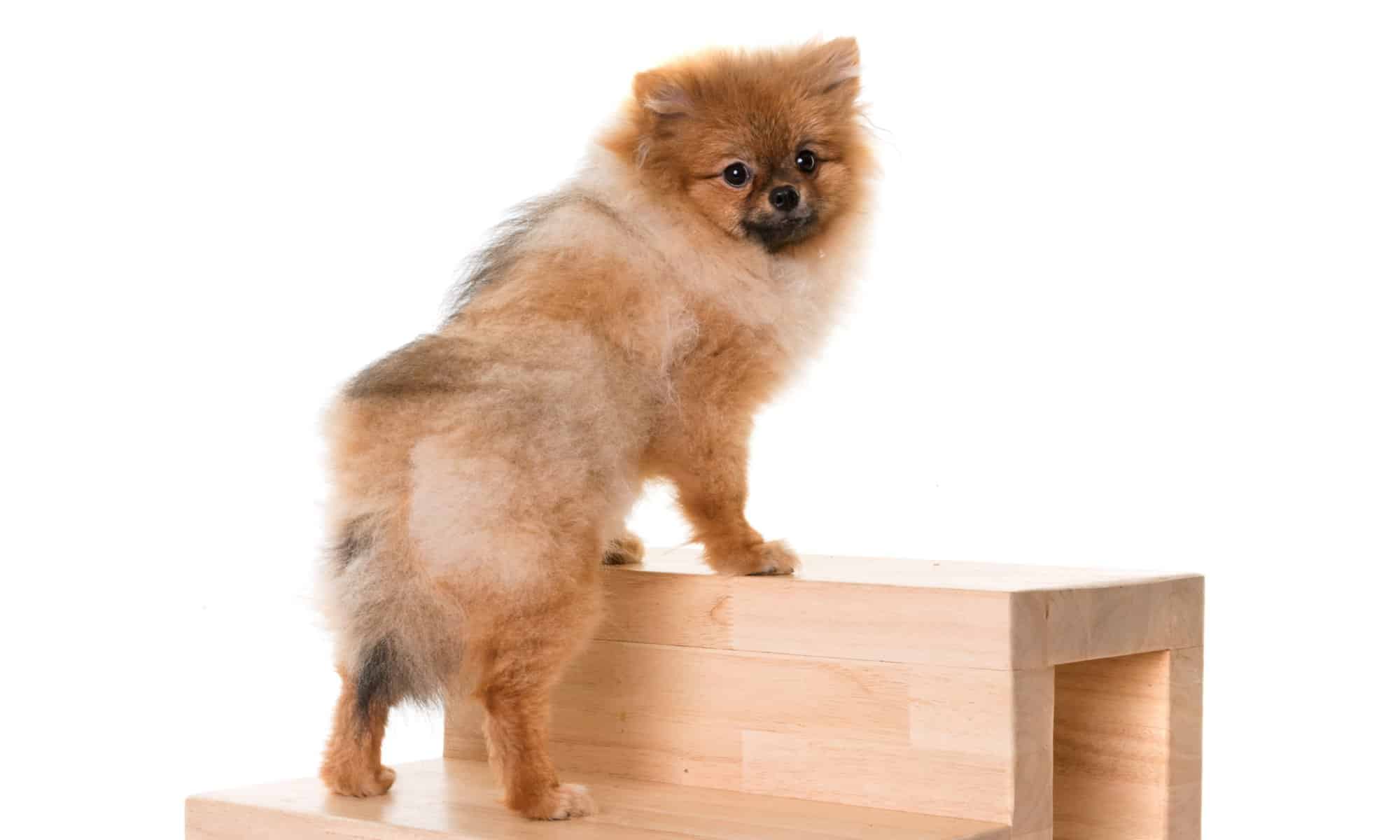
Pomeranians are smart, curious, and territorial, which causes them to bark frequently to assert themselves.
©cynoclub/Shutterstock.com
Part of the reason that Pomeranians are so loved is that they have a smart and curious personality. They love to play with their owners, though they may struggle to share the attention they receive with other dogs or people. Their territorial nature is one of their more notable traits, and this possessiveness can lead them to become aggressive when eating. These tendencies are further amplified in teacup (or micro) Pomeranians, which feel the need to prove their big personalities.
Pomeranians are rather yappy, barking frequently at strangers and anything else they may want to assert their dominance over. Training them to quiet down on command can be incredibly useful, since their aggressive behavior toward other animals should not be allowed to go unchecked.
Care
Taking on any new pet requires dedication to its health and happiness. Apart from yearly veterinary exams, here are a few ways that Pomeranians should be cared for daily.
Best Dog Food
Pomeranians need to have dry dog food with small pieces, as they are easier for the pup to chew up with their small mouths. The micro dogs can eat rather quickly, and the small pieces reduce their risk of choking. High-quality food is necessary since they need a lot of protein to sustain their bodies.
Although other dogs need to be fed in individual meals, Pomeranians can be left with the same bowl of food throughout the day as they free-feed.
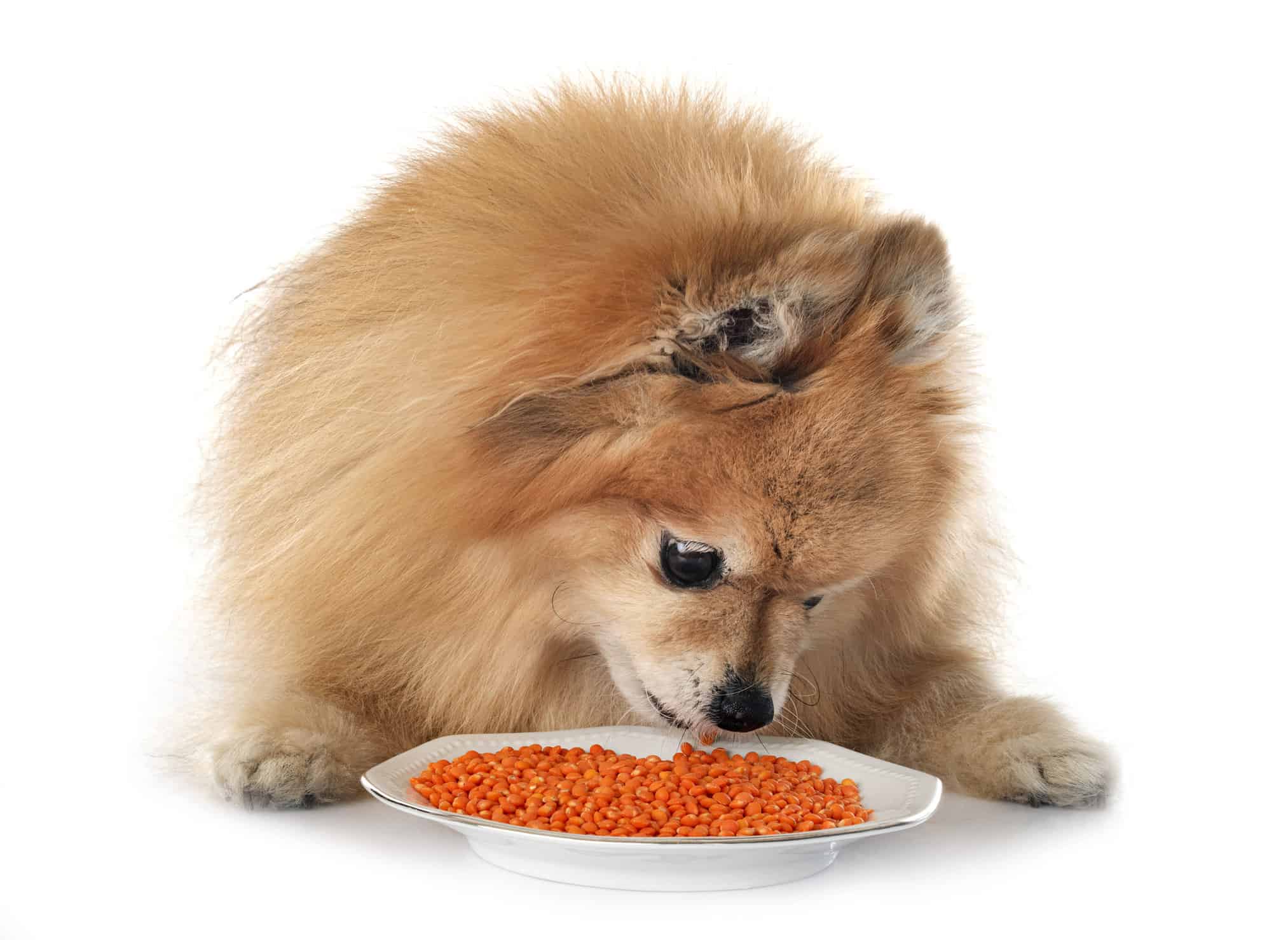
Pomeranians need to have dry dog food with small pieces because that is easier for the dogs to chew with their small mouths.
©iStock.com/cynoclub
Canned food is also important, though owners need to follow the same protein requirements. It can be added to dry food or given separately as part of the diet. Avoid spicy food or meals with a lot of salt, as these dogs have rather sensitive stomachs.
Maintenance And Grooming
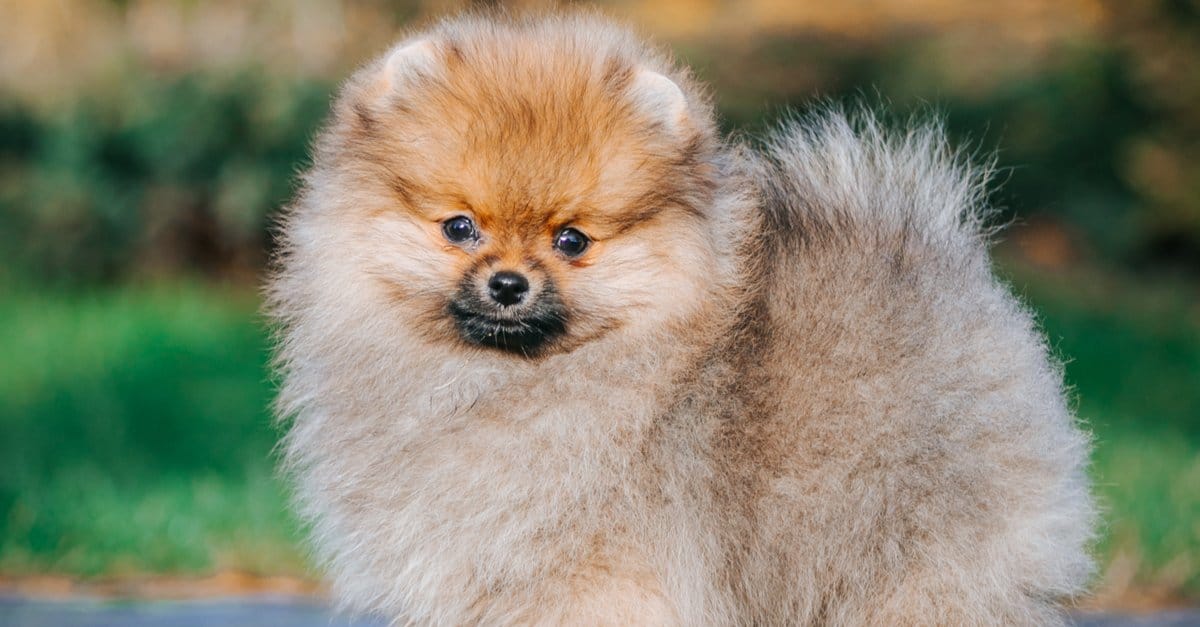
Pomeranians have a double coat, so they need daily brushing.
©Eve Photography/Shutterstock.com
The average Pomeranian pup needs daily brushing to reduce tangles and to keep its coat looking soft and fluffy. They have a double coat with the harshest texture on the outside, so they need to be bathed on occasion.
Like other breeds, their grooming should include nail care and ear cleaning. However, most groomers are familiar with all of the pampering that these fancy lapdogs need.
Training
As intelligent as Pomeranians can be, they are incredibly obstinate, so they can take a little extra effort to train. Most trainers focus on positive reinforcement to get their attention, using a clicker or a clicking sound when they follow the commands given to them.
To improve the odds of housetraining your dog effectively, a crate or other bed gives them a safe place to call their own.
Exercise
Pomeranians need regular exercise to keep their body healthy. Take them on regular walks in comfortable weather and provide them with toys to engage their mind and body while inside.
Even with regular exercise, these dogs don’t do well outside for extended periods of high temperatures. If the dog’s tongue becomes bright red or it begins to pant a lot, it’s a good sign that it is nearing a state of heatstroke. Pomeranians are equally sensitive to colder weather, so they need ample space to exercise indoors.
Puppies
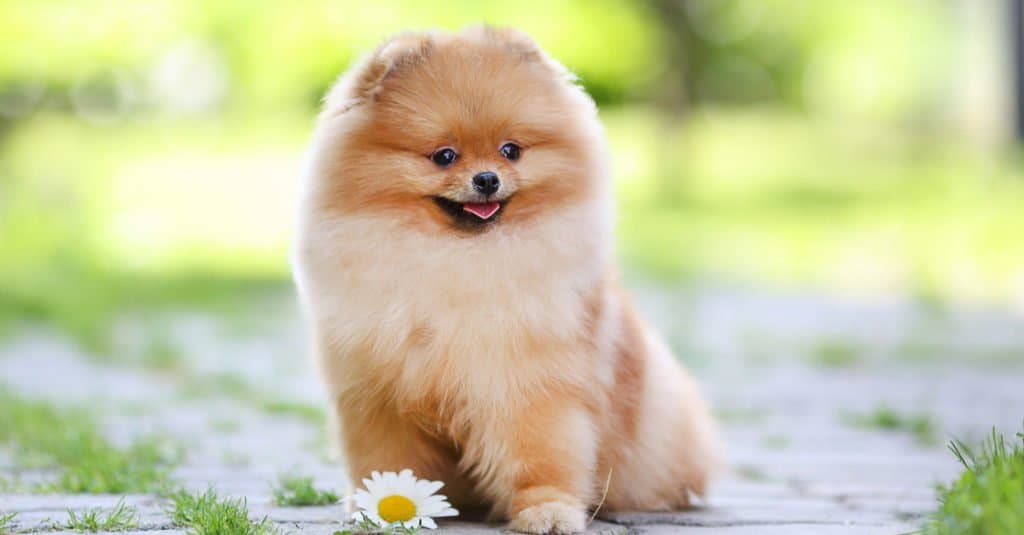
Pomeranian puppies need to be fed three separate meals rather than free-feeding throughout the day.
©Dulova Olga/Shutterstock.com
Puppies require much more attention than adult Pomeranians. Any puppy under about 6 months old should be fed three separate meals, rather than being allowed to free-feed throughout the day. The small bodies of Pomeranians can put them at risk for hypoglycemia with the speed at which they use the energy from the food that they eat. A Pomeranian puppy should also have a steady supply of water.
Children
As stated above, Pomeranians make excellent family dogs, and they are playful with older children, adults, and even senior citizens. However, their size may lead smaller children to see them as more of a plaything than a living and breathing member of the home. Those with small children should either supervise interactions closely or choose another breed.
Famous
Queen Victoria of England is perhaps one of the most famous Pomeranian owners, and she played a notable role in popularizing the breed after bringing Pomeranians home from Italy, though she alone is not responsible for breeding them to their smaller size. As the breed became smaller, Pomeranians became a beloved breed among many, including Sir Isaac Newton and Mozart. In more recent history, Nicole Richie and Sharon Osbourne both owned the breed as well.
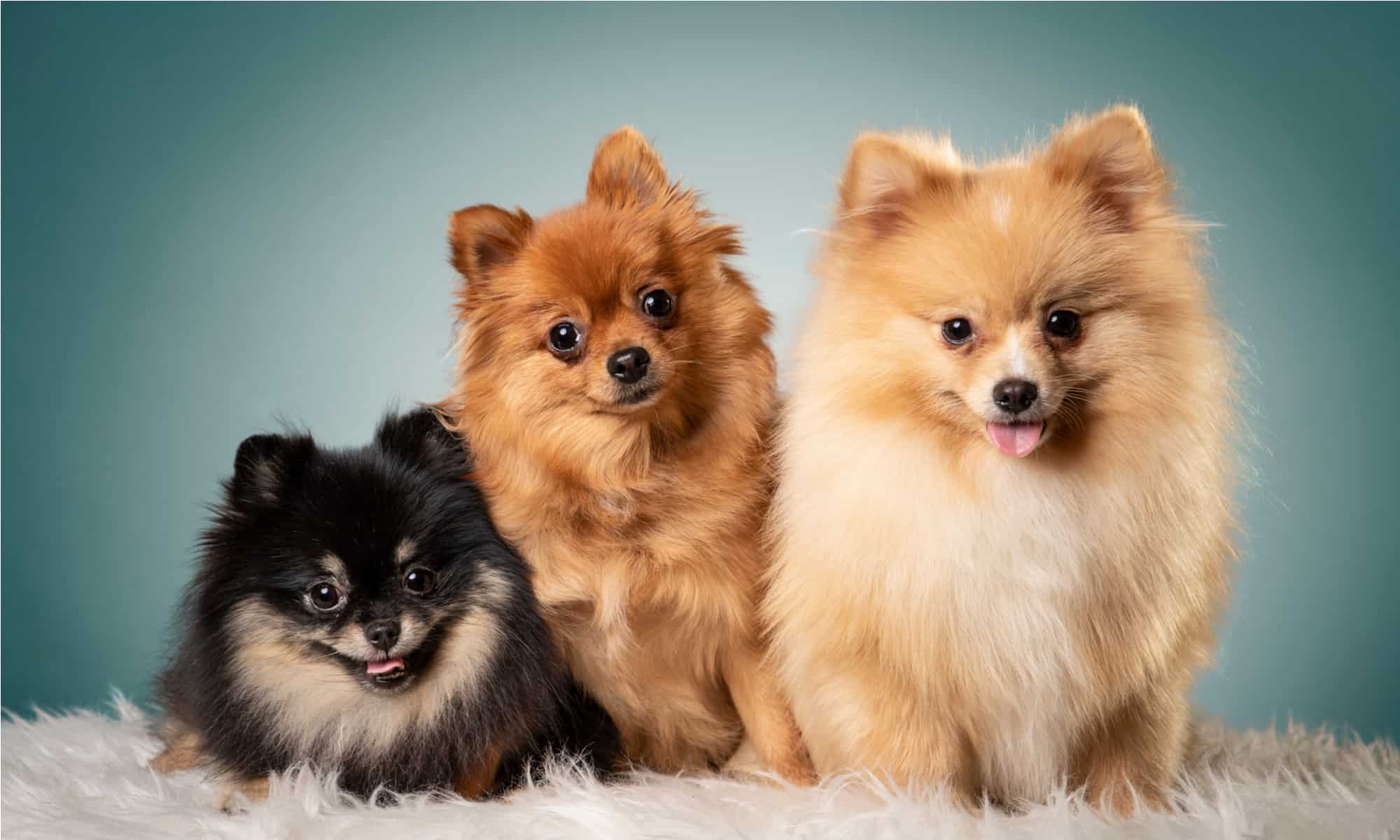
Pomeranians have been in a number of movies and have some famous owners.
©Eva Sustar/Shutterstock.com
Pomeranians have been seen in many movies and television shows as well, including Dumb and Dumber, Cadillac Man, To Die For, and Harlem Nights. One of the most famous dogs of this breed is an orange and white Pomeranian named Jiffpom, who has over 10 million followers on Instagram alone.
Similar Dogs
If a Pomeranian isn’t the right dog for you, many dogs have similar sizes, personalities, and other traits. Take a look at these breeds for alternative options:
- Siberian Husky: Although the Siberian Husky is a much larger dog, it comes from the same genetic line as the Pomeranian. Huskies have a thick coat, but they tolerate cold weather much more easily.
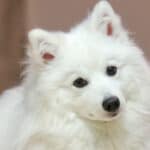
- American Eskimo Dog: The American Eskimo Dog has a fluffy coat as well, though it is primarily found only in white. These dogs shed heavily.
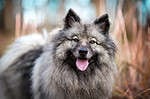
- Keeshond: Keeshonds are incredibly social, unlike Pomeranians. While the Pomeranian is incredibly protective, the Keeshond is a bit more easygoing.
Pomeranian Pictures
View all of our Pomeranian pictures in the gallery.

Anya Poustozerova/Shutterstock.com
Sources
- Care / Accessed February 18, 2021
- The Nest / Accessed February 18, 2021
- K9 of Mine / Accessed February 18, 2021
- Wikihow / Accessed February 18, 2021
- My Dogs Name / Accessed February 18, 2021
- Pet Pom / Accessed February 18, 2021
- Pets.Webmd / Accessed February 18, 2021
- Wikipedia / Accessed February 18, 2021
- Saltx / Accessed February 18, 2021
- AKC / Accessed February 18, 2021
- Bubbly Pet / Accessed February 18, 2021
- Pet Carer X / Accessed February 18, 2021
- Our Funny Little Site / Accessed February 18, 2021
- Love Your Dog / Accessed February 18, 2021
- Pomeranian / Accessed February 18, 2021
- Dogell / Accessed February 18, 2021